
Many homeowners want to save money on hot water. Choosing between a gas tankless water heater and an electric tankless water heater is a big decision. Both promise endless hot water, but their yearly costs can be very different. In this guide, you will discover the real numbers, not just manufacturer claims. You will also learn about installation, maintenance, and what most people forget to consider. By the end, you will know which system fits your budget and needs for the long term.
How Tankless Water Heaters Work
A tankless water heater heats water only when you need it. Traditional water heaters store hot water in a tank, losing energy as the water cools. Tankless models, often called “on-demand” heaters, save energy because they do not keep water hot all the time.
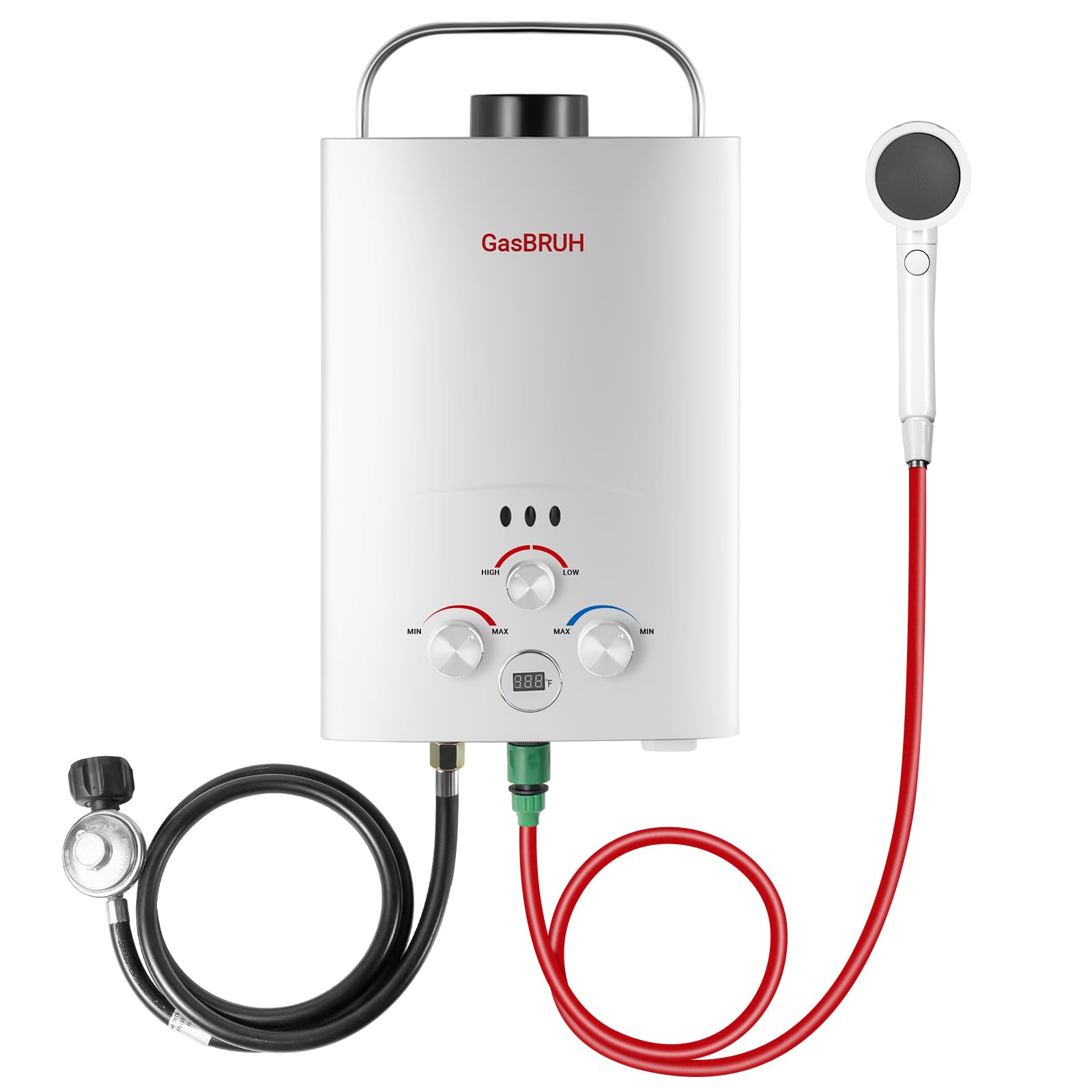
When you turn on the hot water tap, cold water flows into the heater. For gas models, a burner heats the water instantly. For electric models, coils heat the water as it passes through. When you close the tap, the system stops heating.
This smart design means less wasted energy and often lower utility bills. But how much you really save each year depends on many factors.
One thing to note is that tankless heaters provide “endless” hot water, but not unlimited flow. Each unit has a maximum flow rate, usually measured in gallons per minute (GPM). If you run too many showers or appliances at once, you may run into the unit’s limit.
Gas models typically have a higher GPM, making them better for large households. Electric models may be enough for smaller homes or homes with less simultaneous hot water use.
Another detail: tankless water heaters also adjust their output based on the temperature of incoming water. In cold climates, the heater works harder. This can affect efficiency and flow rate, especially for electric units.
Yearly Cost Breakdown: Gas Vs Electric
To compare the yearly cost of gas and electric tankless water heaters, you need to look at several parts:
- Purchase price
- Installation cost
- Energy cost
- Maintenance and repairs
- Lifespan
Each part can impact your wallet in a different way. Let’s break down each area.
Some homeowners focus only on the purchase price, but the “hidden” costs can add up quickly. For example, a cheaper unit might require expensive installation upgrades, or use more energy in the long run.
A practical tip: make a simple chart with all costs before making a final decision. This helps you see the full picture, not just the price tag in the store.

Upfront Costs: Buying And Installing
Purchase Price
Gas tankless water heaters often cost more to buy than electric. Most gas models range from $700 to $1,800 for the unit alone, depending on size and brand. Electric models are usually less expensive, between $400 and $1,200.
Some high-efficiency gas units can cost over $2,500, but most families choose a mid-range model. Electric units are more affordable, especially for homes with modest hot water needs. However, if you need several electric units for a large home, the total can rise.
Installation Cost
Installing a gas tankless system usually costs more. This is because you may need:
- Gas line upgrades
- Venting for exhaust
- Professional installation (required by code in many places)
Typical installation costs for gas models range from $1,000 to $2,500 or more.
Electric models are simpler to install. You might still need an electrician to upgrade your electrical panel, but venting is not needed. Installation costs for electric models are usually $500 to $1,500.
Hidden costs sometimes surprise homeowners. For example, a gas tankless heater might require a new vent that passes through walls or the roof. This work can add $300–$600 to installation. Electric heaters may need a dedicated circuit or a heavy-gauge wire, especially for high-power models.
Example
If you buy a mid-range gas tankless heater for $1,200 and pay $1,800 for installation, your upfront cost is $3,000. For a similar electric model at $900 with $1,000 for installation, the total is $1,900.
Real-world Insight
Many homeowners forget to check if their home’s gas line or electrical panel can handle a tankless system. Upgrades can add hundreds or thousands of dollars to the upfront cost.
If your home was built before 1990, you are more likely to need upgrades. For example, some older homes have only a 100-amp electrical panel, while a whole-home electric tankless heater may require 150–200 amps. Gas line sizing is also critical, especially if you have other gas appliances.
It’s wise to have a plumber or electrician check your home before you buy.
Yearly Energy Cost Comparison
Energy cost is where the biggest yearly difference appears. Let’s compare them using average US prices and typical hot water use.
How Much Hot Water Do You Use?
The average US family uses about 64 gallons of hot water per day. This includes showers, laundry, and dishes.
If you take long showers or have a large bathtub, your usage may be higher. Installing low-flow showerheads or using cold water for laundry can reduce your hot water demand.
Gas Tankless Water Heater: Yearly Energy Use
- Average energy use: 19,200 kWh per year (source: US Department of Energy)
- Natural gas cost: $1.21 per therm (1 therm = 29.3 kWh)
- Yearly cost: 19,200 kWh ÷ 29.3 = 655 therms × $1.21 = $793
Gas units are often more efficient than old tank models, but less efficient than electric units. Some energy is lost through the vent, especially if the unit is installed in a cold garage or basement.
Electric Tankless Water Heater: Yearly Energy Use
- Average energy use: 4,800 kWh per year
- Electricity cost: $0.16 per kWh
- Yearly cost: 4,800 × $0.16 = $768
Electric units convert almost all the energy they use into hot water, so their efficiency is high—often over 98%. However, if your local electricity rates are high, your yearly cost can climb quickly.
Simple Comparison Table
Here’s a sample table to show how yearly energy costs compare:
| Type | Yearly Energy Used | Average Cost |
|---|---|---|
| Gas Tankless | 19,200 kWh (655 therms) | $793 |
| Electric Tankless | 4,800 kWh | $768 |
Important Note
These numbers use national averages. Your cost might be higher or lower, depending on local rates and how much hot water you use.
Pro tip: Call your local utility or check their website for the most recent rates. Some companies even offer online calculators to estimate your yearly costs based on your address.
Non-obvious Insight
Many people think gas is always cheaper, but electric rates can be very competitive in some areas. In states with low electricity prices or high gas delivery fees, electric models may cost less per year.
Another overlooked detail: utility companies sometimes charge extra fees for gas delivery, or add peak surcharges for electricity. These can make a big difference in your real yearly cost. If you have solar panels, an electric tankless heater might cost almost nothing to run during sunny months.
Maintenance And Repair Costs
Keeping a tankless water heater in good shape is important for both safety and savings. Here’s how gas and electric compare:
Gas Tankless Water Heaters
- Need yearly maintenance for burner cleaning and vent inspection
- Risk of scale buildup (especially in hard water areas)
- Average yearly maintenance cost: $100–$150
- Repairs can be expensive due to complex parts
If you skip maintenance, you risk dangerous carbon monoxide leaks or poor combustion. Some warranties require proof of annual service. Replacing a gas burner or vent fan can cost $200–$500.
Electric Tankless Water Heaters
- Less yearly maintenance (no burner or vent)
- Still need descaling and safety checks
- Average yearly maintenance: $50–$100
- Repairs are usually simpler and cheaper
The most common repair is replacing a heating element, which costs $30–$80 for parts and is a simple job for most handymen.
Example Table: Yearly Maintenance Cost
| Type | Yearly Maintenance Cost | Typical Repairs (Yearly Avg) |
|---|---|---|
| Gas Tankless | $125 | $50–$100 |
| Electric Tankless | $75 | $30–$60 |
Real-world Insight
Gas units are more likely to need professional service. Electric models often let you change heating elements yourself if needed.
One detail most people miss: if you have very hard water, you might need to descale your heater every 6 months instead of yearly. A water softener can help, but adds its own maintenance.
Lifespan And Replacement
A tankless water heater usually lasts longer than a tank model. However, there are differences:
- Gas tankless: 15–20 years with good maintenance
- Electric tankless: 12–15 years on average
The longer lifespan of gas can help balance its higher upfront cost. But, if your local water is very hard, scale buildup can shorten lifespan for both types.
Manufacturers sometimes offer longer warranties on gas units (up to 15 years on the heat exchanger), but only if you follow maintenance rules. Electric units tend to have 5–10 year warranties. Replacing an old unit with a new one is usually less expensive, because the vent or wiring is already in place.
Other Yearly Costs To Consider
Venting And Safety
Gas heaters need proper venting to remove exhaust. If vents clog or fail, you may need repairs. In rare cases, carbon monoxide detectors or alarms may need batteries or replacement.
Safety checks are important—some cities require an annual inspection for gas appliances.
Electric models do not need venting, which means lower safety-related costs over time.
Water Quality
Hard water increases maintenance for both types. You might need a water softener or more frequent descaling, which adds to your yearly costs.
If your water is very hard (over 10 grains per gallon), budget for an extra $100–$200 per year for softener salt or professional descaling. Ignoring water quality can void your warranty.
Insurance
Some insurance policies charge more for gas appliances due to fire risk. This is usually a small cost, but worth checking.
In rare cases, you may get a discount for using electric appliances, especially if you also upgrade to other “safer” electric systems.
Total Yearly Cost Example
Let’s add up all the costs for a typical family over one year.
Gas Tankless Water Heater
- Energy: $793
- Maintenance: $125
- Repairs: $75
- Venting/safety: $20
- Total: $1,013 per year
Electric Tankless Water Heater
- Energy: $768
- Maintenance: $75
- Repairs: $45
- Venting/safety: $0
- Total: $888 per year
These numbers are averages. Your costs may be higher or lower.
Another detail: if you use a lot of hot water during “peak” electric hours, some utilities charge more. Consider a timer or using hot water during off-peak hours if possible.
Long-term Cost Over 10 Years
To see the real impact, let’s look at total costs over 10 years, including installation.
Example Table: 10-year Total Cost (average Family)
| Type | Upfront Cost | 10-Year Operation | Total (10 Years) |
|---|---|---|---|
| Gas Tankless | $3,000 | $10,130 | $13,130 |
| Electric Tankless | $1,900 | $8,880 | $10,780 |
This shows electric tankless heaters may cost less over a decade, even if gas seems cheaper per month in some regions.
Also, keep in mind that rebates or tax credits (sometimes $300–$500 or more) can change the math in your favor, especially for high-efficiency electric units.
What Most People Miss When Comparing
1. Local Utility Rates Change
Electricity and gas prices can change every year. If your area plans to increase rates, your yearly cost can rise.
Some regions are moving away from natural gas for environmental reasons, which may raise gas prices over time.
2. Home Electrical Capacity
Many homes do not have enough power for a large electric tankless water heater. Upgrading your electrical panel may add $1,000–$2,500 to your upfront cost, which changes your yearly value over time.
If your home has a pool, hot tub, or electric car charger, the extra load from a tankless heater can overload your system. Always check with a licensed electrician.
3. Hot Water Demand Fluctuates
If your family grows or you add new appliances, your hot water use can jump. Gas models handle high demand better, but you might need multiple electric units for large homes.
One common solution for big families is to install two electric tankless units in parallel. This doubles the hot water capacity, but also increases both upfront and energy costs.
4. Carbon Footprint
Electric models can be “greener” if your electricity comes from renewable sources. Gas systems release more CO2. Some homeowners value this for long-term savings and future resale value.
In fact, some cities now offer “green home” certifications that can boost your property value if you switch to electric appliances and use solar or wind power.
5. Rebates And Incentives
Some states and utilities offer rebates for choosing energy-saving heaters, especially electric models. This can lower your total cost.
Check the Database of State Incentives for Renewables & Efficiency (DSIRE) for offers in your area. Some rebates are time-limited, so it pays to act quickly.
Pros And Cons: Gas Vs Electric Tankless
Gas Tankless Water Heaters
Pros:
- Heats water faster
- Handles high demand well
- Longer lifespan (with care)
- Works during power outages (if ignition is battery-based)
Cons:
- Higher upfront and installation cost
- Needs venting and gas line
- More yearly maintenance
- Produces emissions
Gas units are popular in cold climates, where incoming water is much colder and high GPM is needed for comfort.
Electric Tankless Water Heaters
Pros:
- Lower purchase and install cost
- Simple, low maintenance
- No venting needed
- Quiet and compact
Cons:
- May require electrical panel upgrade
- Handles less hot water at once
- Can cost more in high-electricity-price areas
- Won’t work during power outages
Electric units are often used in condos, vacation homes, or as “booster” heaters for remote bathrooms.
Which Is Cheaper? Example Scenarios
Small Home, Low Hot Water Use
An electric tankless heater is usually cheaper. Lower installation cost and lower yearly maintenance make it a good choice.
For example, a couple living in a small house or apartment will probably never hit the flow limits of an electric unit. Their energy bills will be predictable and their upfront cost is low.
Large Home, High Hot Water Use
A gas tankless heater can handle heavy use, especially if multiple showers and appliances run at the same time. The higher yearly energy cost may be worth the performance.
For families with teens, or homes with whirlpool tubs and big washing machines, the faster recovery and higher GPM of gas units are a big advantage.
Eco-friendly Home
Electric tankless is better if you use solar panels or your area’s electricity is from renewables.
Some homeowners install a small electric tankless unit at the point of use (such as the kitchen sink) to save energy and water. This can be an easy way to “go green” without replacing your whole system.
How To Choose The Right System
When deciding, consider:
- Your local energy rates. Check your utility bill for real numbers.
- Your home’s setup. Do you have a strong enough electric panel? Gas line access?
- Family size and hot water needs. More people means more hot water.
- Your budget. Can you afford the upfront cost or prefer to save monthly?
- Long-term plans. Will you move soon, or stay for 10+ years?
- Rebates and incentives. Check for deals in your area.
Also, think about your climate. In very cold areas, a gas unit may handle the extra demand better, especially for long showers or filling a large tub.
Real-world Example
Rachel lives in California, where electricity costs $0.21 per kWh and natural gas is $1.60 per therm. Her family uses about 50 gallons of hot water per day. She compares:
- Electric tankless: 3,800 kWh × $0.21 = $798/year
- Gas tankless: 500 therms × $1.60 = $800/year
Both options have similar yearly energy costs. However, she would need a costly electrical panel upgrade for the electric unit. She chooses gas for her situation.
This example shows why it’s important to check your own numbers.
Another example: In Texas, where electricity rates are lower and homes often have newer electric panels, many homeowners choose electric tankless models and save both up front and over time.
Practical Tips For Lower Yearly Costs
- Descale yearly. Hard water causes scale buildup, making both types use more energy.
- Insulate pipes. This keeps water hotter and reduces waste.
- Fix leaks quickly. Even a small drip increases hot water use.
- Set the right temperature. 120°F is enough for most homes.
- Check for rebates. Savings can lower your first-year cost.
Another tip: run your dishwasher and washing machine with full loads. This reduces the number of heating cycles per week, cutting energy use.
If your tankless heater has a “vacation mode,” use it when you are away for more than a few days. This saves energy and can prevent unexpected maintenance issues.
Typical Mistakes To Avoid
- Ignoring upgrade needs. Forgetting about gas lines or electric panel upgrades leads to surprise costs.
- Buying too small/large. Wrong size means cold showers or wasted money.
- Skipping maintenance. Scale and dirt can ruin efficiency and shorten lifespan.
- Not checking local codes. Some places require licensed installers or special permits.
- Assuming one type is always cheaper. Actual yearly cost depends on your location and use.
One extra mistake: not reading the warranty details. Some warranties require annual maintenance or only cover parts, not labor.
Frequently Asked Questions
How Long Does A Tankless Water Heater Last?
A gas tankless water heater usually lasts 15–20 years with proper maintenance. An electric tankless model typically lasts 12–15 years. Good care, like regular descaling, can make both last longer.
Is A Gas Or Electric Tankless Water Heater Cheaper To Run?
It depends on your local utility rates. In many areas, electric tankless models cost less each year. Where gas is very cheap, the yearly cost for gas may be lower. Always check your rates before buying.
Do Electric Tankless Water Heaters Need Venting?
No, electric tankless heaters do not need venting. This makes them easier and cheaper to install, especially in condos or homes without easy access to outside walls.
Can I Install A Tankless Water Heater Myself?
Electric tankless models are sometimes installed by handy homeowners, but you may need a permit and inspection. Gas tankless models should always be installed by a licensed pro because of venting and gas safety. Check local codes for rules.
Where Can I Find More Detailed Cost Data?
For the latest data and average costs, visit the US Department of Energy. They provide up-to-date info for US homes.
Final Thoughts
Choosing between a gas and electric tankless water heater is not just about the price tag. You need to look at yearly energy, maintenance, and repair costs. While gas models often cost more up front and need more maintenance, they last longer and work well for large homes with heavy hot water use. Electric models are easier to install, cheaper to maintain, and may cost less per year, especially in areas with low electricity rates.
The key is to check your real numbers, not just guesses. Think about your home’s setup, local utility prices, and future plans. If you take the time to compare, you’ll enjoy endless hot water—and real savings—for years to come.