Have you ever found yourself staring at your garden, puzzled as to why your soil seems to repel water like a sponge that’s had enough? It’s frustrating, isn’t it?
Watching the water pool on the surface instead of nourishing the roots beneath can be a gardener’s nightmare. You pour your time, energy, and resources into your plants, yet the soil stubbornly refuses to cooperate. You’re not alone in this struggle, and understanding the reasons behind this issue is crucial for a thriving garden.
You’ll uncover the secrets behind why your soil won’t absorb water and discover simple solutions to turn your garden into a lush, green paradise. Stick around to transform your gardening woes into a story of success!
Causes Of Poor Soil Absorption
Struggling with soil that won’t absorb water can be frustrating. It hinders plant growth and affects your garden’s health. Understanding the causes can help fix the issue. Let’s explore common reasons for poor soil absorption.
Compacted Soil
Compacted soil prevents water from seeping in. Heavy foot traffic or machinery compacts the soil particles. This creates a hard surface that repels water. Roots struggle to grow in compacted conditions. Regularly aerating the soil can help. It loosens the soil and allows water penetration.
Clay-rich Composition
Clay-heavy soil holds water on the surface. Its fine particles stick tightly together. This creates a dense barrier. Water struggles to move through it. Adding sand or organic matter can improve drainage. Mixing these materials breaks up the clay structure.
Organic Matter Deficiency
Soil lacking organic matter doesn’t absorb water well. Organic matter improves soil structure and moisture retention. It helps create spaces for water to flow. Without it, the soil becomes hard and dry. Adding compost or mulch can boost organic content. This enhances the soil’s ability to absorb water.
Hydrophobic Soil
Hydrophobic soil repels water. It forms a waxy layer on the surface. This layer stops water from penetrating. Drought and certain soil types cause this condition. Breaking the hydrophobic layer can help. Using soil wetting agents or organic mulches can restore absorption.
Identifying Soil Issues
Have you ever watched your garden struggle with water absorption? If your soil seems to repel water, it might be time to dig deeper into identifying underlying issues. Sometimes, the problem isn’t just about how often you water. It’s about understanding what your soil is trying to tell you. Let’s break down some common soil issues that can hinder water absorption.
Signs Of Compaction
Compacted soil is one of the primary culprits when your garden refuses to soak up water. Have you noticed your soil feels hard and dense, almost like concrete? This is a sign of compaction. It often results from heavy foot traffic or machinery, squashing the soil particles together.
Try sticking a screwdriver or a garden fork into the ground. If it resists, your soil might be compacted. Compaction reduces air spaces, making it tough for water to penetrate. Consider aerating your soil to loosen it up, creating pathways for water to seep through.
Water Runoff Indicators
Does water seem to slide off your garden rather than sink in? Water runoff is an indicator your soil may be struggling with absorption. Sloped areas are particularly susceptible. When water rushes down a slope, it carries away topsoil, leaving behind a barren patch.
Observe your garden after a rainstorm. If you see puddles forming at the bottom of a slope, or water pooling on the surface, runoff might be your issue. Building terraces or using ground cover plants can help redirect water flow and improve absorption.
Texture And Composition Analysis
The texture and composition of your soil play a vital role in water absorption. Have you examined your soil’s texture? Sandy soils drain quickly but often don’t retain moisture. Clay soils hold water but can become waterlogged if they aren’t managed properly.
Take a handful of soil and feel it. Is it gritty, smooth, or sticky? Understanding your soil’s texture can guide you in amending it for better water absorption. You might add organic matter to improve a sandy soil’s moisture retention or sand to enhance drainage in clay soil.
Ask yourself, what does your soil need? Sometimes, a simple amendment can transform your garden from a dry patch into a thriving oasis.
Improving Soil Structure
Poor water absorption in soil often results from compacted layers or high clay content. Loosening compacted soil improves drainage. Organic matter like compost can enhance soil structure, making it more porous. This allows water to penetrate easily, benefiting plant growth and health.
Improving soil structure is crucial for water absorption. Poor soil often leads to water pooling on the surface. This can harm plants and reduce garden productivity. Healthy soil absorbs water efficiently. It supports plant growth and prevents erosion. Let’s explore methods to enhance soil structure.
Aeration Techniques
Aeration improves soil by increasing air movement. It breaks up compacted soil, allowing better water absorption. Use a garden fork or aerator tool. Poke holes in the soil to loosen it. This helps roots access water and nutrients. Aeration is simple and effective.
Adding Organic Matter
Organic matter enriches soil. It improves texture and structure. Compost, peat moss, and decomposed leaves are great options. Spread a layer over the soil and mix it in. Organic matter enhances water retention. It also adds vital nutrients. This supports healthy plant growth.
Amendments For Clay Soil
Clay soil often struggles with water absorption. It is dense and compacted. Adding gypsum can help break up clay. Gypsum improves drainage and prevents crusting. Sand or perlite can also be added. These materials increase soil porosity. Amendments make clay soil more absorbent and manageable.

Credit: www.reddit.com
Solutions For Hydrophobic Soil
Wondering why soil won’t absorb water? Hydrophobic soil often resists moisture. To fix this, try adding organic matter like compost or use a wetting agent. These solutions help break down the waxy layer causing the problem, allowing water to penetrate effectively.
Dealing with hydrophobic soil can be a gardener’s nightmare. This condition, where soil repels water instead of absorbing it, often leaves plants thirsty and gardens looking barren. But don’t worry—there are practical solutions to transform your stubborn soil into a lush, thriving environment. Let’s delve into some effective methods that can make a real difference.
Using Wetting Agents
Wetting agents can be a game-changer for hydrophobic soil. These products help break the surface tension, allowing water to penetrate the soil more effectively. It’s like giving your garden a much-needed drink. You can find wetting agents at most garden centers. They come in liquid or granular forms, offering flexibility depending on your garden’s needs. I once used a liquid wetting agent on my backyard patches that resisted water, and the transformation was remarkable. Suddenly, my plants were flourishing, soaking up the moisture they desperately needed.
Regular Moisture Management
Maintaining consistent moisture levels is crucial. One way to achieve this is by setting a watering schedule that matches your soil’s absorption rate. This prevents water from sitting on the surface and evaporating. Consider using mulch to retain moisture. It acts as a barrier, reducing evaporation and keeping your soil damp longer. Regularly check the moisture level by sticking a finger into the soil. If it feels dry, it’s time to water. This simple habit can prevent your soil from becoming hydrophobic in the first place. Have you tried adjusting your watering techniques or adding mulch? Little changes can have a significant impact, transforming your garden into a thriving oasis.
Long-term Soil Health Strategies
Poor drainage often causes soil to resist water absorption. Compacted soil hinders water flow, affecting plant growth. Organic matter improves soil structure, enhancing water retention and nutrient availability. Regularly check soil texture for healthy growth.
Are you frustrated with soil that just won’t absorb water? You might be wondering how to tackle this issue effectively. Let’s dive into long-term soil health strategies that can transform your garden into a thriving oasis. These strategies offer practical solutions that you can start implementing today to ensure your soil remains healthy and water-absorbent.
Regular Mulching
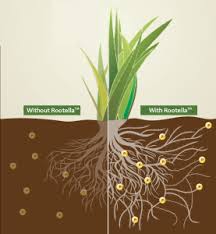
Mulching is a simple yet powerful technique to improve soil health. By adding a layer of organic material like straw, leaves, or grass clippings, you protect your soil from erosion and reduce water evaporation. I’ve found that regular mulching keeps my garden soil moist and rich in nutrients. You might notice fewer weeds too, as mulch acts as a natural barrier. What’s stopping you from giving it a try?
Cover Crops Benefits
Cover crops are plants grown primarily to benefit the soil rather than for food production. They improve soil structure, increase fertility, and promote water retention. In my own garden, using cover crops such as clover and rye has made a noticeable difference. These plants work hard for you, enhancing soil health while you focus on other tasks. Have you considered how cover crops could revitalize your soil?
Sustainable Watering Practices
Efficient watering is crucial for healthy soil. Instead of frequent shallow watering, aim for deep, infrequent watering sessions to encourage deeper root growth. I switched to using a drip irrigation system, and the results were incredible. My plants flourished, and the soil stayed hydrated longer. How can you optimize your watering routine to promote better soil health? By adopting these strategies, you can tackle the challenge of non-absorbent soil. Each step creates a healthier environment for your plants, ensuring that water is a friend, not a foe. Are you ready to transform your garden into a water-absorbing paradise?
Credit: www.tiktok.com
Credit: growingspaces.com
Frequently Asked Questions
Why Is My Soil Not Absorbing Water?
Compacted soil is often the cause. It lacks space for water. Aerate to improve absorption.
How Can I Fix Water-repellent Soil?
Add organic matter like compost. It improves soil structure. Helps water seep in better.
Does Soil Type Affect Water Absorption?
Yes, it does. Clay soils absorb slowly. Sandy soils drain quickly. Choose soil amendments wisely.
Can Overwatering Prevent Soil Absorption?
Yes, it can. Overwatering fills air spaces. Soil becomes compacted. Leads to poor absorption.
What Role Does Mulch Play In Water Absorption?
Mulch retains moisture. Reduces evaporation. Keeps soil loose. Enhances water absorption.
Conclusion
Fixing soil issues helps plants thrive. Poor drainage often causes water problems. Compacted soil prevents absorption. Break it up for better flow. Add organic matter like compost. This improves texture and water retention. Check your soil’s pH level. Sometimes, imbalance affects water absorption.
Adjust with lime or sulfur if needed. Aerate the soil regularly. This increases oxygen and water movement. Consider installing a drainage system. This helps excess water escape quickly. Healthy soil supports robust plant growth. Solve these issues for a flourishing garden.
Enjoy watching your plants grow happy and strong.