
Usually safe in a pinch, but not smart or balanced.
You came here wondering is cat food edible for humans. Short answer covered. But the full story is more interesting (and a little fishy). I write about pet nutrition and have toured factories, read labels for sport, and yes, tasted a single kibble once for science. If you want a clear, funny, and fact-checked guide that answers is cat food edible for humans without fluff, you’re in the right bowl.
What’s Actually In Cat Food?
Cat food is designed for obligate carnivores. That means big protein, specific amino acids, and careful vitamin support.
Common ingredients include:
- Meat, poultry, or fish meals and by-products added for protein
- Fats and oils for energy and taste
- Carbs like rice, corn, peas, or potatoes for texture
- Synthetic taurine, vitamins, and minerals to meet feline needs
- Thickeners and gels in wet food, like guar gum or agar
Most complete and balanced recipes follow AAFCO nutrient profiles for cats. Facilities follow feed manufacturing rules. The FDA oversees labeling and safety for pet food, but not to the same standard as food made for people.
Is Cat Food Edible For Humans? Safety 101
Let’s say it plain: is cat food edible for humans? Technically, yes, in the sense that many canned and dry cat foods won’t poison you on the spot. But is cat food edible for humans as a regular meal plan? No. It is made to feed cats. It is not produced to human food standards.
Key reasons:
- Feed-grade vs human-grade. Most cat food is feed-grade. That allows ingredients not approved for human foods, even if they are safe for cats.
- Processing. Canned cat food is cooked in the can. That reduces many germs. Dry kibble is extruded with heat. Still, pet food can be recalled for Salmonella, Listeria, or vitamin imbalances.
- Label rules. Pet food labels pass AAFCO models and state rules, not the full human food rulebook.
So is cat food edible for humans in an emergency? Yes, for short-term, low-risk adults, if you choose wisely and handle it well. But it’s not smart, not balanced for you, and not great for your gut.

Cat Nutrition vs Human Nutrition
Cats need different stuff than we do. Your body won’t love a feline menu long term.
Key gaps and mismatches:
- Taurine. Cats need added taurine. Humans make some taurine and do not need fortified cat levels.
- Protein and fat. Cat food often has more protein and fat than a typical human meal.
- Vitamin A. Cat foods can contain much more vitamin A than humans should eat daily. Chronic excess can hurt your liver and bones.
- Sodium and minerals. Levels fit cats. Humans with blood pressure or kidney issues may have trouble.
- Fiber. Kibble is often low in fiber. That can cause constipation for humans.
Bottom line: it won’t meet human Dietary Guidelines. You might hit protein goals. You will likely miss fiber and overdo vitamin A and sodium.
Risks If You Eat Cat Food
If you eat it once, you’ll likely be fine. Make it a habit, and you roll the dice.
Possible risks:
- Germs. Salmonella or Listeria can show up in some pet foods and treats.
- Vitamin A excess. Repeated high intake can cause headaches, bone pain, and liver stress.
- Vitamin D errors. Pet food recalls happen when levels are off. Too much can raise calcium and harm kidneys.
- Heavy metals. Fish-heavy recipes can carry more mercury than you want to eat often.
- Allergens. Fish, chicken, dairy, and soy can trigger reactions.
- Dental and choking risk. Dry kibble is very hard. Watch your teeth, especially fillings.
- Kids and pregnancy. Higher risk groups should avoid it. Their immune systems or needs are different.
When People Consider Eating Cat Food (And Better Options)
People ask is cat food edible for humans during storms, layoffs, hikes, or dares. I get it. Food costs are real. Still, you have better choices that store well and taste normal.
Good shelf-stable swaps:
- Canned beans, tuna, chicken, and chili
- Instant oats, rice, and pasta
- Peanut butter, nuts, and seeds
- Shelf-stable milk or soy milk
- Canned soups and tomatoes
- Dried fruit and whole-grain crackers
If you must choose between hunger and a can of seafood pate, go for the can. But as soon as you can, pivot to human food.

Reading Labels, Laws, and “Human-Grade” Explained
Pet food labels look official. Here’s what they actually mean.
What to look for:
- AAFCO statement. Says complete and balanced for a life stage. That means it meets cat needs, not human needs.
- Life stage. Kitten, adult, all life stages. Higher calories and nutrients may mean higher risk for you.
- By-products. Fine for cats, but not all parts are human edible.
- Human-grade claim. For this claim to be true, every step must meet human food rules. Very few cat foods do this. It still doesn’t make it a human diet.
Regulatory notes:
- FDA oversees pet food safety and labeling enforcement.
- States often adopt AAFCO model rules.
- USDA inspects meat for people. Pet food plants do not need the same checks.

Taste Test Notes, Storage, and Prep Tips (If You Ever Must)
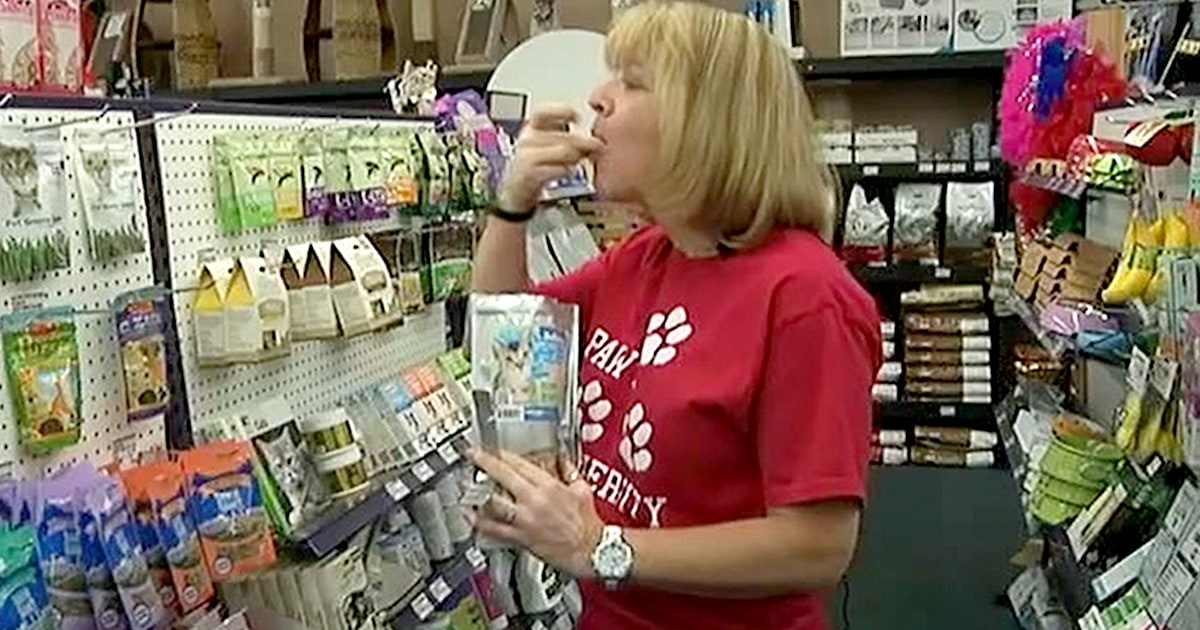
I nibbled one kibble at a factory demo. It tasted like salty cardboard with chicken perfume. Wet food smells like a pier at low tide. Not a crime, but not cuisine.
If you must:
- Choose canned over dry. It is cooked in-can and softer to eat.
- Pick simple formulas. Fewer fish-heavy options to limit mercury smell and risk.
- Check dates and cans. No bulges, rust, or dents.
- Heat it through. Warm to steaming in a pan to reduce some germs. This won’t fix toxins or vitamin problems.
- Eat a small amount. Drink water. Add crackers or rice if you can.
- Avoid for kids, pregnant people, older adults, or anyone immunocompromised. It is not worth the risk.
- Stop if you feel unwell. Seek medical help if symptoms hit hard.
Myths, Curiosities, And Related Topics
You may also wonder why your cat don't eat dry food. Many cats prefer wet food because smell drives appetite and moisture helps their kidneys. For you, none of that makes cat chow a smart snack.
Common myths:
- Pet food is “basically the same” as human canned meat. It is not. Different rules and targets.
- Kibble cleans teeth. Not for people. Please do not try.
- If it’s safe for cats, it’s safe for me. Species needs and rules differ a lot.
As a pet nutrition nerd, I test labels weekly and track recalls. The trend holds. Cat food feeds cats very well. It feeds people poorly.

Frequently Asked Questions of is cat food edible for humans
Is cat food edible for humans in an emergency?
Yes, for a short time and in small amounts. Choose canned options, check the date, and heat it through.
What happens if a human eats cat food once?
Usually nothing serious. You might feel a bit queasy from fat, smell, or spices not meant for you.
Can humans get sick from cat food?
Yes. There is some risk of Salmonella or Listeria. The risk is higher for kids, pregnant people, and older adults.
Is dry cat food or wet cat food safer for humans?
Wet cat food is cooked in the can, which helps. Dry food is hard, less tasty, and may be tougher on teeth.
Is cat food nutritious for humans?
It covers protein and calories but not balanced human nutrition. Vitamin A and sodium can run too high for regular human use.
How does cat food differ from dog food for people to eat?
Both are pet foods and not for people. Cat food tends to have more protein and added taurine.
Can you make cat food safer by boiling it?
Heating helps reduce some germs. It does not fix vitamin overdose risks or quality issues.
Is fish-based cat food worse for humans?
It can carry more smell and sometimes more heavy metals. Eating it often is not wise.
Conclusion
Cat food is made for cats, not people. If you ask is cat food edible for humans, the honest answer is yes in a pinch, but it is not safe or balanced as a habit. You face germ risks, vitamin overload, and taste letdowns. Canned beans and peanut butter will treat you better.
Plan a small emergency pantry now so you never need to open a can of “ocean medley” for dinner. Want more guides like this? Subscribe, share this with a friend, or drop your questions in the comments.