
Unscrew the spool, remove the handle, lift the rotor, open the side plate, and track every part.
If you want a smooth reel and fewer tackle tantrums, learning how to take apart a spinning reel is the move. I’ve serviced boatloads of reels, from budget beaters to high-end salt slingers. This guide shows you how to take apart a spinning reel without losing parts, patience, or pride. Short steps. Clear photos. Real tips from real mistakes. Let’s wrench smart and fish happier.
What You’ll Need and Prep
Before you learn how to take apart a spinning reel, set up your space. A tidy bench saves time and sanity.
Tools and supplies
- Precision screwdrivers in Phillips and flat
- Small nut driver or socket for rotor nut
- Tweezers and a magnetic parts tray
- Cotton swabs and soft brushes
- Toothpicks for tight spots
- Isopropyl alcohol or a plastic-safe degreaser
- Reel oil and reel grease
- Paper towels and microfiber cloth
- Nitrile gloves
- Masking tape, fine marker, and zip-top bags
- Your phone for step photos
Workspace tips
- Work over a light towel so parts do not bounce.
- Good light helps. A desk lamp is perfect.
- Take a photo after every step. Future you will thank you.
- Make small labels. Bag parts by step number.
Pro notes from the bench
- Some rotor nuts are reverse-thread. Righty-loosey happens here. Check the arrow on the nut.
- If your reel still has a warranty, opening it can void it. Check first.
- If the reel saw saltwater, assume hidden salt. Rinse parts well before grease.
Why this setup matters
- It keeps shims and springs in order.
- It speeds up reassembly.
- It lowers the chance of mystery screws at the end.

Source: youtube.com
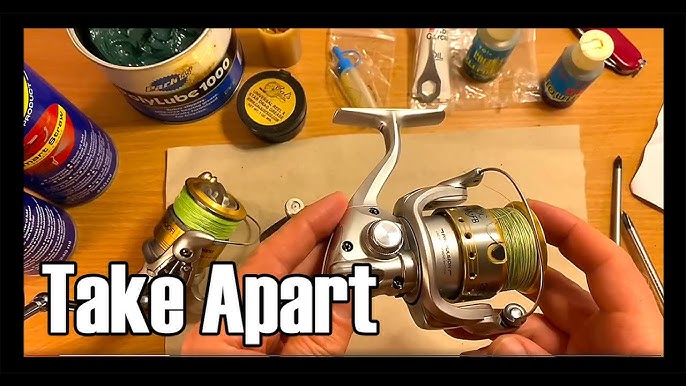
Know Your Spinning Reel Anatomy
A fast map of parts makes how to take apart a spinning reel much easier.
Main parts
- Drag knob and spool
- Bail arm and line roller
- Rotor and rotor nut
- Body and side plate
- Handle, main gear, and pinion gear
- Anti-reverse clutch and roller bearing
- Spool shaft and shims
- Drag washers and clicker
Front drag vs rear drag
- Front drag stacks live in the spool. They handle heat better.
- Rear drag stacks sit at the back of the body. They are easier to adjust but often weaker.
Why knowing names helps
- You can order the right parts.
- You can follow service schematics.
- You can avoid mixing up shims and washers.

Source: reddit.com

Step-by-Step: How to Take Apart a Spinning Reel
Here is the clean, safe path for how to take apart a spinning reel. Follow the order. Snap a pic at each step.
- Back off the drag and pull the spool.
- Remove the drag knob. Lift out the clicker and spring if present.
- Unscrew the handle. Some handles reverse thread. Try both ways with care.
- Pop the side plate screws. Note their lengths. Bag them with a label.
- Lift the side plate. If stuck, tap gently with a plastic tool. Do not pry with force.
- Photograph the gear layout. This is your treasure map.
- Slide out the main gear. Keep the drag click parts together.
- Remove the oscillation block and the tiny pin from the spool shaft.
- Slide the spool shaft forward. Watch for shims near the front.
- Hold the rotor. Remove the rotor nut. Check for reverse thread arrows.
- Lift the rotor off the pinion. A little wiggle helps.
- Remove the bail arm screws if you plan to service the bail. Keep the line roller stack in order.
- On the body, slide the pinion and anti-reverse clutch out as a unit if the design allows.
- Bag bearings by location. Note shield direction with a quick sketch.
- If your reel has a one-way clutch sleeve, note its orientation. Backwards means no anti-reverse.
- Keep every spring where it sleeps. Photograph before you pull.
- Clean your bench. Take a breath. You did the hard part.
Mistakes to dodge
- Do not force the side plate. Hidden screws love to hide under stickers.
- Do not use pliers on the rotor nut. Use the right socket size.
- Do not mix drag washers. Keep the stack order exact.
A tiny mantra to repeat
- Photo. Label. Bag. Breathe.
By now you have learned the core of how to take apart a spinning reel. Keep your steps neat, and reassembly will feel easy.

Cleaning, Degreasing, and Inspection
Knowing how to take apart a spinning reel is half the job. Cleaning makes it worth it.
Cleaning basics
- Wipe old grease from gears with paper towels first.
- Use alcohol or a plastic-safe degreaser on metal parts. Test first.
- Avoid soaking plastic clutch cages in harsh solvents.
Bearings
- Spin test dry. A gritty feel means clean and relube or replace.
- For serviceable bearings, soak, agitate, dry, then oil lightly.
- Shielded bearings need only a drop of oil. Do not flood.
Gears and pinion
- Look for pitting, chipped teeth, and uneven wear.
- Grease the gear teeth with a thin, even coat. More is not better.
Drag washers
- Felt: blot clean and add a dot of drag oil.
- Carbon: wipe clean and add a light smear of drag grease.
- Metal plates: clean to a shine. Keep them dry unless the system calls for grease.
Bail and line roller
- Clean the line roller bearing or bushing.
- A drop of oil on the roller and bail arm joints works wonders.
- If your bail spring looks kinked, plan to replace it.
Anti-reverse clutch
- Keep it clean and dry unless your model calls for a thin lube.
- Oil here can cause slip. Check the service notes for your reel.
Quality checks
- No rust, no grit, smooth spins, and clean drag plates.
- If a part looks suspect, price a replacement now.
These steps match best practices from service schematics and real bench work. Keep it gentle. Keep it light.

Reassembly Without Tears
Time to undo our undo. This is where good notes shine.
Reassembly order
- Install the anti-reverse clutch and sleeve in the right direction.
- Slide in the pinion gear and any shims.
- Seat the rotor. Tighten the rotor nut to spec and direction.
- Rebuild the bail arm and line roller stack. Test the bail snap.
- Insert the spool shaft and pin. Reattach the oscillation block.
- Grease the main gear teeth. Oil bushings as needed.
- Set the main gear and washers as photographed.
- Close the side plate with the right screws in the right holes.
- Thread in the handle. Check for play.
- Rebuild the drag stack in the spool. Install the drag knob.
Function tests
- Spin the handle. It should feel smooth, not syrupy.
- Engage and disengage anti-reverse. No backplay.
- Flip the bail. It should click home with a crisp snap.
- Pull line under drag. It should be even and steady.
Common gotchas
- If the handle feels tight, you used too much grease or lost a shim.
- If the bail is lazy, clean the spring seat and use a tiny dab of oil.
- If anti-reverse slips, flip the clutch sleeve. Yes, it happens.
This is the part of how to take apart a spinning reel that proves your prep. Slow is smooth. Smooth is fast.

Common Problems You’ll Solve
Understanding how to take apart a spinning reel lets you fix nagging issues.
Grinding under load
- Cause: dry main gear or worn pinion bearing.
- Fix: clean, re-grease gears, oil bearings, replace worn parts.
Bail will not snap closed
- Cause: gunked spring pocket or bent trip lever.
- Fix: clean pocket, inspect spring, align trip ramp.
Anti-reverse slips
- Cause: oily clutch rollers or reversed sleeve.
- Fix: clean clutch dry, reinstall sleeve the right way.
Spool wobble
- Cause: missing shaft shim or bent shaft.
- Fix: add or swap shims, replace bent shaft.
Line twist and wind knots
- Cause: dirty line roller or uneven spool fill.
- Fix: clean and oil line roller, level-wind the spool, stop overfilling.
We fix these every week in the shop. Simple work. Big payoff on the water.

Maintenance Schedule and Storage Tips
A little routine avoids big rebuilds and keeps how to take apart a spinning reel rare.
After each trip
- Rinse the reel with light fresh water. Do not blast it.
- Wipe dry. Loosen the drag.
Every few trips
- Oil the line roller and handle knobs.
- Check bail screws for snug fit.
Every season or 50 hours
- Full service with light grease and oil.
- Inspect drag washers and bearings.
Saltwater habits
- Rinse longer. Salt hides in threads and seams.
- Use corrosion-inhibiting grease on metal-to-metal joints.
Storage
- Back off drag fully.
- Store indoors. Low humidity is best.
- Add a silica gel pack to your reel case.
These steps reduce wear and stop corrosion. Your future self will spend more time fishing and less time fixing.

Frequently Asked Questions of how to take apart a spinning reel
Can I take apart any spinning reel at home?
Yes, most reels are serviceable with basic tools and patience. Very high-end or sealed models may need special tools or pro service.
Which grease and oil should I use?
Use reel-specific grease for gears and a light reel oil for bearings and the line roller. Avoid heavy automotive grease, which can slow the reel.
What if a spring flies off during disassembly?
Stop and check your last photo. Springs point toward pivot points; look for a small pocket or post nearby.
Do I need to replace drag washers every service?
No, not unless they are glazed, burned, or torn. Felt needs a little oil; carbon fiber needs a thin drag grease.
Will taking the reel apart void my warranty?
It can. Many brands state that opening the body voids coverage. Read your warranty terms before you start.
How long does it take to learn how to take apart a spinning reel?
Plan 45 to 90 minutes the first time. With photos and labels, it gets much faster.
How do I keep track of tiny shims and washers?
Bag them by step and label them. Take a close-up photo of each stack before removing it.
Conclusion
You now know how to take apart a spinning reel the right way. Set up your bench, label every part, and follow the order. Clean light, lube smart, and test as you go. Your reel will run smooth, and your casts will sing.
Get your tools, snap those step photos, and give your reel a fresh start today. Want more hands-on tips? Subscribe for new teardown guides, or drop a question in the comments.