
Loosen nut, pull prop, swap hub kit, reassemble, torque to spec, then test.
If your boat screams but barely scoots, your hub might be toast. I’ve replaced more hubs than I’ve eaten dockside tacos, and I’m here to show you how to replace a boat propeller hub the right way. This guide blends hands-on tips with clear steps, so you can fix it once and head back to fishing, tubing, or humble-bragging about fuel economy.
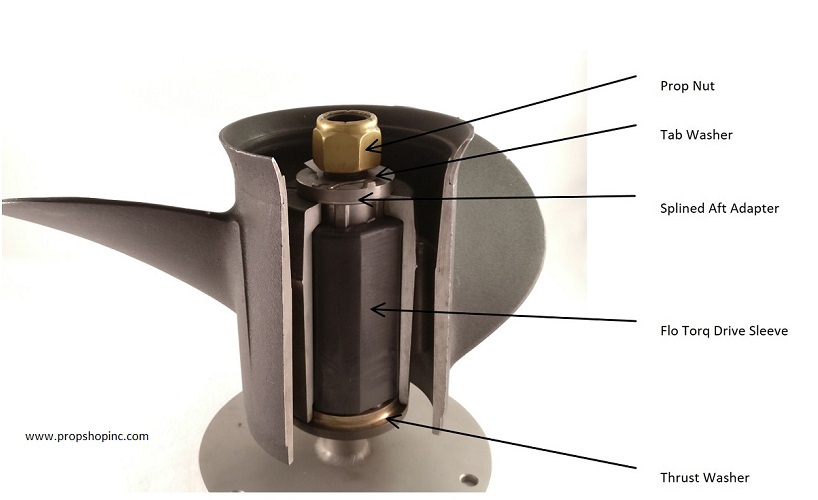
What a Propeller Hub Does and Why It Fails
The hub is the cushion between your prop and the shaft. It absorbs shock and protects your gearcase. When it fails, the prop spins late or not at all. You may hear the engine rev high while your speed stays sad. That is a spun hub.
Most hubs fail due to age, heat, hard shifts, or hitting a log. Modern hub kits use a sleeve or a rubber insert that shears to save the drivetrain. Knowing how to replace a boat propeller hub helps you fix this fast and avoid bigger bills later.
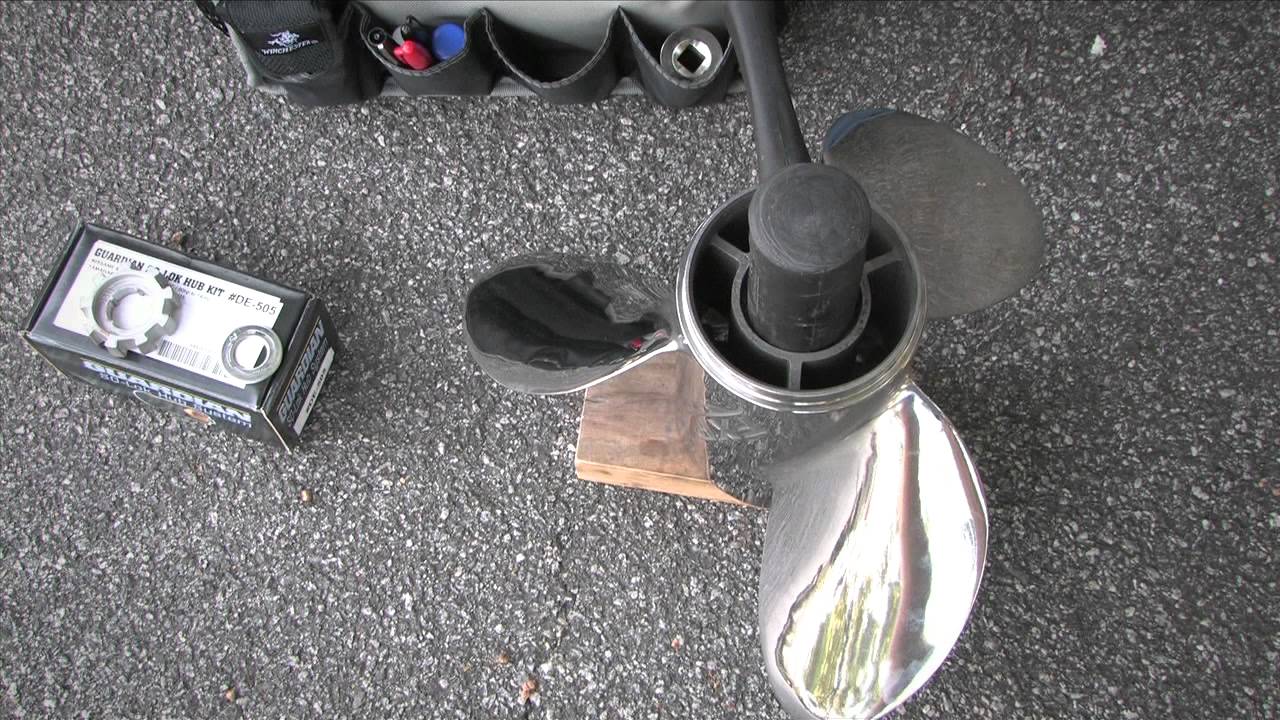
Tools and Parts You Need
You do not need a full machine shop. You do need the right parts and a torque wrench. Check your exact engine model and prop brand first.
Essentials:
- Prop hub kit that fits your engine and prop
- Prop wrench or socket set
- Torque wrench that meets your spec range
- Pliers for cotter pins or a flathead for tab washers
- Marine grease for the shaft splines
- Shop rags and gloves
- A block of wood to stop prop spin
- Optional: prop puller if the prop is stuck
Pro tip: Buy two cotter pins. One to use. One for when the first one makes a jailbreak into the water. This step alone can save you when you plan how to replace a boat propeller hub.

Safety and Prep at the Dock
A little prep keeps your fingers happy and your parts clean.
- Shift to neutral. Turn off the engine. Pull the key. Clip the kill switch.
- Tilt the motor up. Use the trailer if you can. Chock wheels on land.
- Slip on gloves. Grease is great for props, not for hands or shirts.
- Take a photo of the prop stack. It helps you match the order on the way back.
Many readers search how to replace a boat propeller hub and skip prep. Then they spend twice the time. Prep saves you tools, sanity, and that one thrust washer you will drop.

Step-by-Step: Replacing the Propeller Hub
Follow these steps for most outboards and sterndrives. Always check your manual for torque specs and the exact order of parts.
- Secure the prop. Wedge a block of wood between a blade and the anti-vent plate.
- Remove the cotter pin or bend back the tab washer. Use pliers or a flathead.
- Loosen the prop nut. Use a proper socket or prop wrench. Righty-tighty, lefty-loosey.
- Slide off the prop. Catch the thrust washer and any spacers. Lay them out in order.
- Remove the old hub insert or sleeve from the prop. Some press out by hand. Others need a tap with a soft mallet. If it is bonded rubber, inspect for melted bits.
- Clean the prop bore and the shaft. Wipe away old grease and grit. Lightly grease the splines.
- Install the new hub kit as the instructions show. Many kits are keyed for one-way fit. Do not force it. Align the splines.
- Rebuild the stack: thrust washer on first, then prop with hub, then spacer, then tab or nut per your manual.
- Torque the prop nut to spec. Many outboards land between 55 and 80 ft-lb, but follow your exact model spec.
- Secure with a new cotter pin or bend the tab washer. Make sure it locks the nut.
- Spin the prop by hand. It should turn smooth with no grind. A slight click from gears is normal in neutral.
I first learned how to replace a boat propeller hub on a windy ramp with a crowd watching. I rushed the stack order and flipped the thrust washer. The result was a wobbly prop and a fresh slice of humble pie. Take your time. Check each part twice. This is the heart of how to replace a boat propeller hub the right way.

Press-Fit, Rubber, and Flo-Torq: Know Your Hub System
Not all hubs swap the same. Identify your style before you start.
- Press-fit rubber hubs: Often in aluminum props. The rubber insert bonds to a metal sleeve. When it spins, you replace the insert or send it to a prop shop.
- Modular hub kits: Like Mercury Flo-Torq, Yamaha SDS, or Solas Rubex. You slide in a plastic or metal sleeve and bushings. Easy to swap at the dock.
- Spline count and shaft size matter: Match your engine family. Check the kit chart or your manual.
If you are not sure how to replace a boat propeller hub for your system, look up your prop brand and engine model. The kit maker’s chart is your best friend.
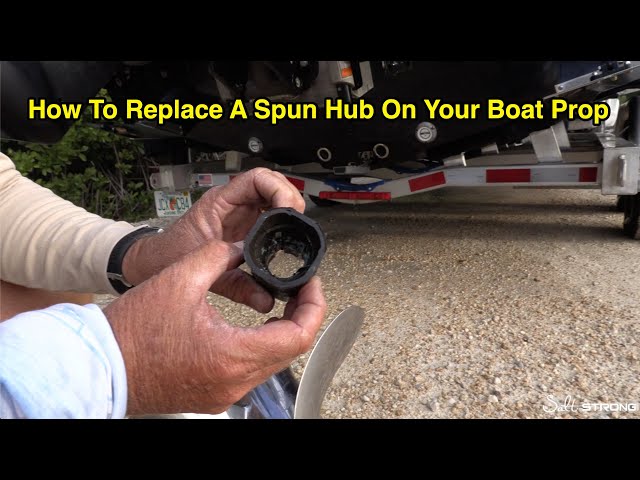
Sizing and Compatibility: Pitch, Spline, and Thrust Washer
A hub swap is a great time to check prop fit.
- Pitch and diameter: Stay with the size that hits your rated WOT rpm range under load.
- Spline count: Count or confirm with the parts guide. Do not guess.
- Thrust washer: It is not a normal washer. It sets the prop away from the gearcase. Use the right one for your prop and engine.
Many ask how to replace a boat propeller hub when upsizing props. The answer: swap the hub kit that matches your new prop and your drive, and keep the correct thrust washer. Mix-and-match here is the fast lane to a chewed gearcase.

Common Mistakes and How to Avoid Them
I have made them so you do not have to.
- Over-greasing the splines: A thin coat only. Too much can hydro-lock and stress parts.
- Wrong torque: Loose nuts lead to wobble. Over-torque can crush a sleeve. Use a torque wrench.
- Losing the spacer: Some kits include a small spacer or adapter. Forget it and the prop sits wrong.
- Ignoring a bent blade: A new hub will not fix a mangled prop.
- Skipping the shear check: If your system uses a plastic sleeve, inspect for cracks before reassembly.
Read this list before you start how to replace a boat propeller hub. It will save your weekend.

Testing on the Water and Break-In Tips
After you button it up, do a calm test.
- Start in idle. Shift in and out of gear a few times. Feel for smooth take-up.
- Do a slow roll to plane. Watch rpm. No sudden spikes. No slip.
- Run a few gentle hole shots. Do not hammer it for the first 10 minutes on a fresh rubber hub.
If you feel chatter at idle, some systems (like SDS) reduce that with design. If slip shows up at mid-throttle, head back and recheck the stack. When you learn how to replace a boat propeller hub, you learn to listen to the boat.

Costs, Time, and When to Call a Pro
Plan one hour for your first try. Expect less the next time. Most modular hub kits are budget-friendly. Stainless props and press-fit rubber hubs may cost more and need a shop press.
Call a pro if:
- The prop is seized on the shaft and laughs at your puller.
- The shaft splines are worn or rusty beyond a quick clean.
- You see milky gear oil at the prop. That hints at a seal leak.
If you are weighing shop help versus DIY, ask how to replace a boat propeller hub on your exact model. A good shop will quote parts and labor and may spot other issues.
Maintenance to Prevent Future Hub Failures
A little care keeps your hub happy.
- Grease the splines each season with marine grease.
- Pull the prop to check for fishing line at the seals.
- Avoid full-throttle slams into gear. Your hub is not a stunt double.
- Match prop size to load. Over-propping can overheat hubs.
- Re-torque the prop nut after the first outing.
Set a spring reminder with the words how to replace a boat propeller hub and inspection. Future you will thank present you.
Frequently Asked Questions of how to replace a boat propeller hub
How do I know my hub is spun?
You will see high rpm and low speed, plus a rubber smell. Mark the prop and hub with a line, do a test run, and see if the marks shift.
Do I need a special puller to remove the prop?
Most props slide off with hand force once the nut is off. If it is stuck, a prop puller or gentle wedges on opposite sides help.
What torque should I use on the prop nut?
Follow your engine service manual for the exact spec. Many outboards use a range near 55–80 ft-lb, but always confirm.
Can I upgrade to a modular hub kit?
Yes, if your prop brand offers a kit for your engine spline. Modular kits make future swaps fast and reduce shift clunk on some models.
Will a new hub fix vibration?
Only if the hub was the cause. Bent blades, damaged shafts, and worn bearings also cause shake and need other fixes.
Is stainless tougher on hubs than aluminum?
Stainless is stiffer and can pass more impact to the hub and gears. The hub is still the fuse, but the rest of the system sees higher loads.
Can I reuse my thrust washer?
Reuse only if it matches the prop and shows no wear or grooves. The wrong or worn washer can cause slip and seal damage.
Conclusion
You now know how to replace a boat propeller hub from tools to water test. The job is simple, clean, and fast when you follow the stack order and torque specs. Treat the hub like the fuse it is, and it will protect your gear and your wallet.
Grab the right kit, take your time, and get back to fun runs, not tow-ins. Want more tips like this? Subscribe, share your hub tale in the comments, and tell me what project you want next.