
Make custom slip covers by measuring, pin-fitting, sewing seams, and adding closures.
If you’ve ever stared at your sofa and thought, “You deserve a second chance,” you’re in the right spot. In this friendly, expert guide on how to make slip covers for sofa, I’ll walk you through every step, from smart measuring to expert finishing. I’ve sewn slip covers for T-cushions, sectionals, and one ominous floral monster. You’ll learn clean tricks, avoid messy mistakes, and end with a cover that fits like a tailored suit and washes like your favorite T-shirt.

What Is a Sofa Slipcover and Why Make One
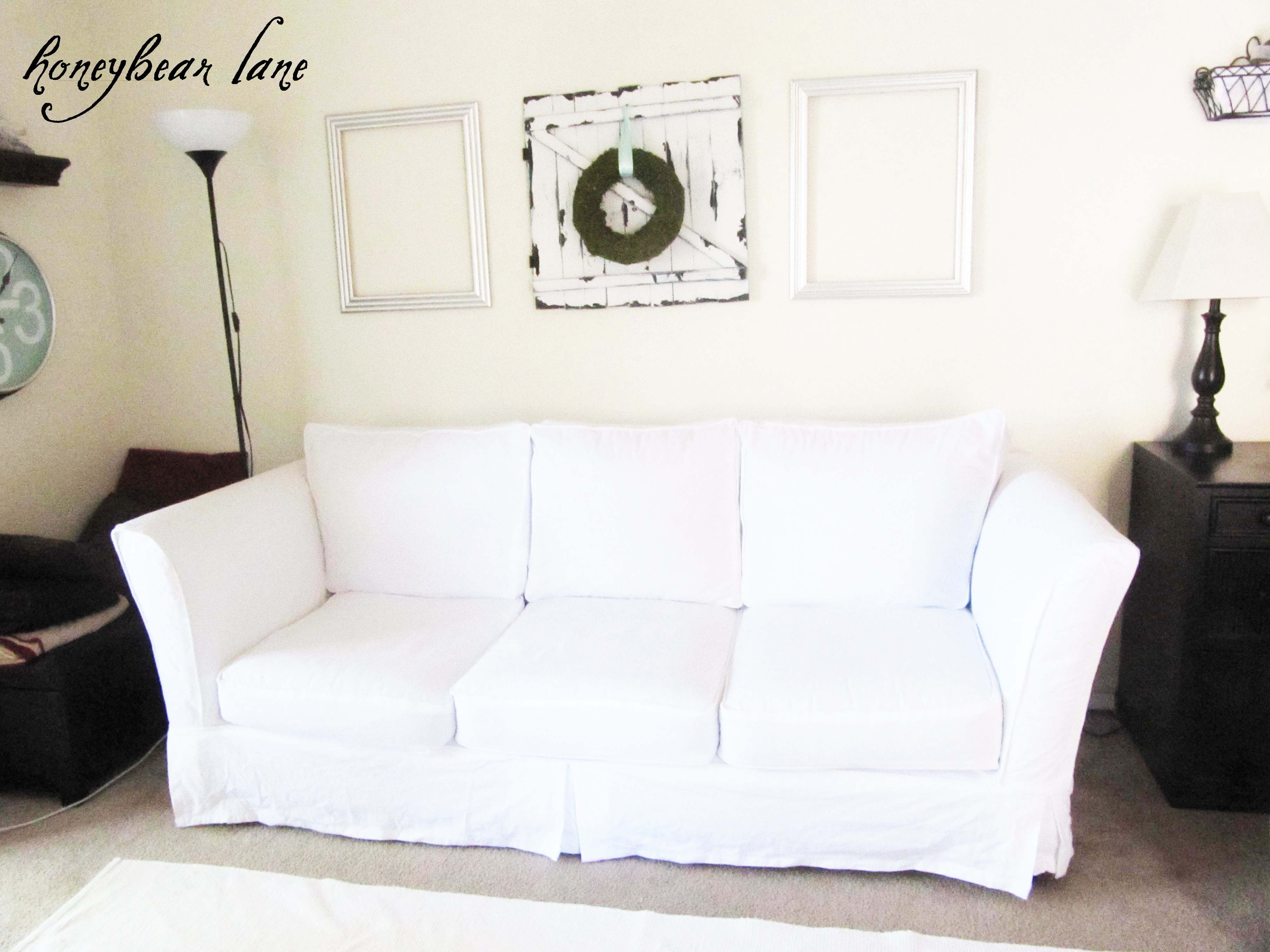
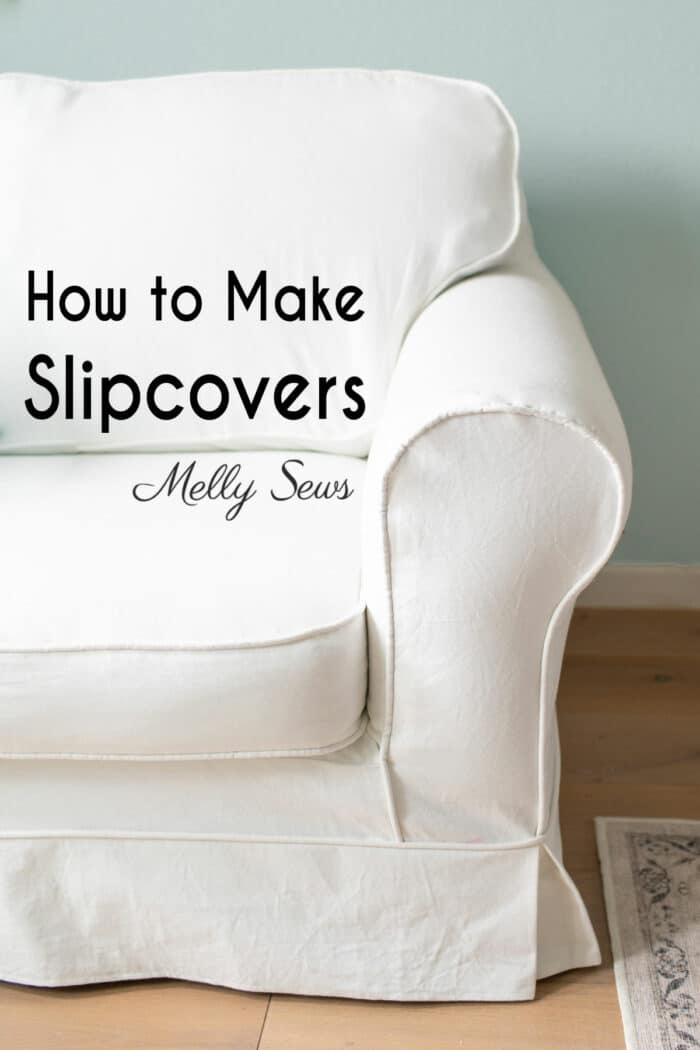
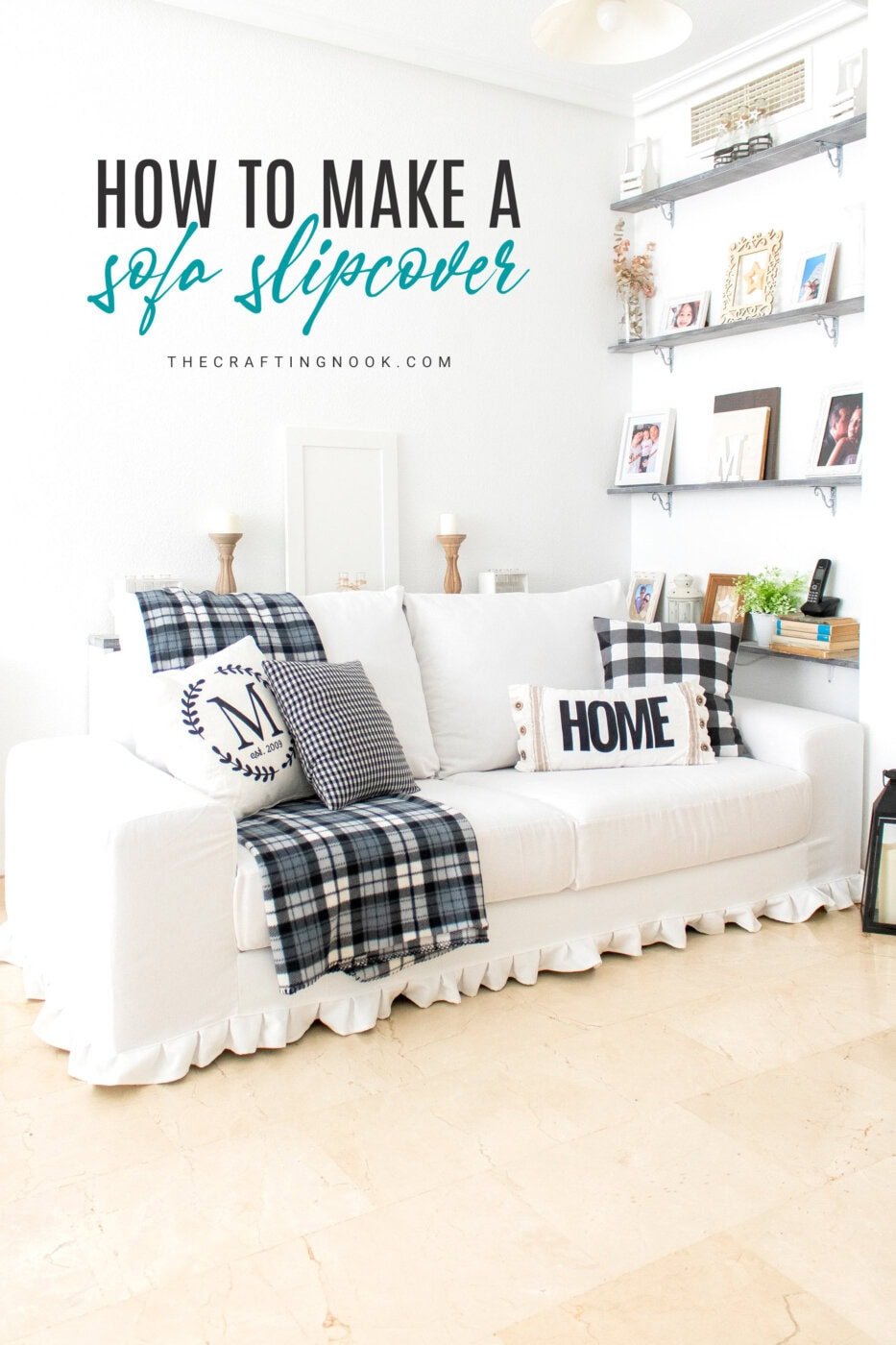
A sofa slipcover is a removable fabric cover that wraps your sofa to protect it or refresh the look. Making your own gives you a custom fit, custom fabric, and a budget win. It is also kid-proof and pet-friendly when planned well.
Here is why DIY shines when you learn how to make slip covers for sofa:
- You get a tight, custom fit at a fraction of the pro price.
- You can wash it and swap it by season or mood.
- You hide stains, sun fade, and old sins without buying a new couch.
Pro tip from my shop days: a good slipcover is a fabric jacket, not a bedsheet. The magic is in careful measuring and clean corners.
Tools and Materials You’ll Need
Great gear makes work smooth. This kit helps with how to make slip covers for sofa and keeps stress low.
- Fabric of choice Enough yardage for your sofa style and fabric width.
- Thread All-purpose polyester for strength.
- Measuring tape Soft 120-inch tape for curves.
- Fabric scissors Sharp, big, and used only on fabric.
- Pins or clips Glass-head pins or quilting clips.
- Tailor’s chalk or washable marker Light and dark colors.
- Sewing machine A basic machine with straight stitch and zigzag.
- Zipper foot For piping and close seams.
- Velcro, zippers, or ties Your closure choice.
- Optional Piping cord, elastic, bias tape, twill tape, or fusible web.
My must-haves: clips for thick arms, zipper foot for neat piping, and washable marker for fast marks.

How to Measure Your Sofa (No-Guessing Method)
Accurate numbers make a crisp fit. This is the base of how to make slip covers for sofa.
Measure these zones and write each one down:
- Overall width Arm tip to arm tip.
- Seat depth Front edge to back cushion line.
- Back height Floor to top of back.
- Arm size Height, width at top, and curve depth.
- Cushion size Width, depth, and thickness for each cushion.
- Skirt drop Floor to bottom of frame if you want a skirt.
Tips:
- Measure twice, sweaty later never.
- Add 3 to 4 inches total ease across the body if you want a relaxed fit.
- Note weird spots, like wings, T-cushions, or chaise.
Fabric Choice That Works in Real Life
Great slip covers start with great fabric. Here’s how to pick fast and smart for how to make slip covers for sofa.
- Cotton duck or twill Durable, easy to sew, easy to wash.
- Polyester blends Wrinkle less, strong, fast dry.
- Performance fabric Stain guard helps with kids and pets.
- Linen blend Airy look, best in a relaxed fit style.
- Stretch knit Works for simple shapes; not ideal for sharp lines.
Key checks:
- Wash and dry the fabric before cutting. Most cotton can shrink 3 to 5 percent.
- Dark colors hide stains. Light colors show crumbs but brighten rooms.
- Pattern repeat needs extra yardage. Large prints can eat cloth fast.
Draft Your Pattern: Two Foolproof Methods
Pattern making scares people. It should not. These two ways will work for how to make slip covers for sofa, even if your sofa has curves.
Pin-fit method:
- Drape fabric right side out on the sofa in big panels.
- Pin along edges and seams where panels meet.
- Mark seam lines, notches, and direction arrows.
- Unpin, label each panel, and add seam allowance.
Paper pattern method:
- Use craft paper or old wrapping paper first.
- Tape pieces to fit the sofa shape.
- Mark lines and notes.
- Transfer shapes to fabric and add seam allowance.
I use pin-fit for speed. It gives me a live preview and lets me correct tricky corners.

Cut, Mark, and Prep
Clean prep is half the job in how to make slip covers for sofa. Aim for order, not chaos.
- Prewash and press your fabric for true size.
- Add seam allowance 1 inch standard; 1.5 inches on stress seams.
- Follow the grain Keep long edges on the straight grain.
- Cut large body panels first. Then cut arms, boxing strips, and welting.
- Mark key points Center lines, match points, and cushion fronts.
Safety note: keep scissors in a clear zone. I once cut a sleeve. It was my own.
Sewing Step-By-Step
Here is the simple path I teach when showing how to make slip covers for sofa. Work in modules, then join.
Sew major body seams
- Join seat to inside arms and inside back with a 1-inch seam.
- Press seams open. Finish edges with zigzag or serger.
Build the outside shell
- Sew the outside arms and outside back to the body.
- Clip curves to help corners turn smooth.
Make cushion covers
- Cut top, bottom, and boxing strips.
- Add zippers along the back or bottom boxing.
- Optional Add piping to edges with a zipper foot.
Add closures
- Pick zippers for a sleek look, Velcro for speed, or ties for charm.
- Place closures on the back or under the skirt.
Hem and skirt
- Try the cover on. Mark the floor line.
- Turn up a 1.5-inch hem and stitch. Add a skirt if you like.
Pro touch:
- Piping Sharpens lines. Cut bias strips, cover cord, and sew between panels.
- Stay tape Place at seat-front seam to reduce strain.

No-Sew Slipcover Method (Fast and Forgiving)
You can still learn how to make slip covers for sofa without a machine. It will be loose but cute.
- Use heavy fabric, like canvas drop cloths.
- Drape and smooth the fabric across the sofa.
- Fold clean corners like a gift wrap, then clip.
- Use fabric tape or fusible web on the folds.
- Finish with ties or twill tape to hold shape.
No-sew looks best with farmhouse or casual style. It is great for renters and quick makeovers.

Fitting and Finishing Tricks
Fit is where good becomes great in how to make slip covers for sofa.
- Pin-fit test Put the cover on inside out, then fine-tune seams.
- Clip and notch Clip seam allowances on curves; notch on inside curves.
- Anchor points Add ties or Velcro under cushions and behind arms.
- Elastic edge For a snug base, add a wide elastic casing under the seat.
I often hand-stitch the last inch at tricky corners. It hides sins and looks pro.
Style Options You’ll Love
Slip covers can be crisp or chill. Use these ideas to fine-tune how to make slip covers for sofa to your taste.
- Tailored with piping Clean lines for modern rooms.
- Relaxed linen Soft look with wider ease.
- Box-pleat skirt Classic feel that hides feet.
- Kick-pleat corners Sharp shape with room to move.
- Contrast piping Two-tone pop for fun detail.
Little swap, big wow: change cushion boxing width or skirt length, and your sofa looks new.
Care, Cleaning, and Maintenance
Good care makes your work last. Plan this in how to make slip covers for sofa.
- Wash cold and gentle. Skip hot water to avoid shrink.
- Close zippers before washing. Turn covers inside out.
- Line dry or low heat. Press while slightly damp.
- Spot clean fast. Blot spills; do not rub.
Tip: keep extra yardage. Future patches will match in color and wear.
Cost, Time, and Yardage Guide
Numbers help you plan how to make slip covers for sofa without drama.
Yardage rules of thumb for 54-inch wide fabric:
- Armchair 6 to 8 yards.
- Loveseat 8 to 12 yards.
- Three-seat sofa 10 to 14 yards.
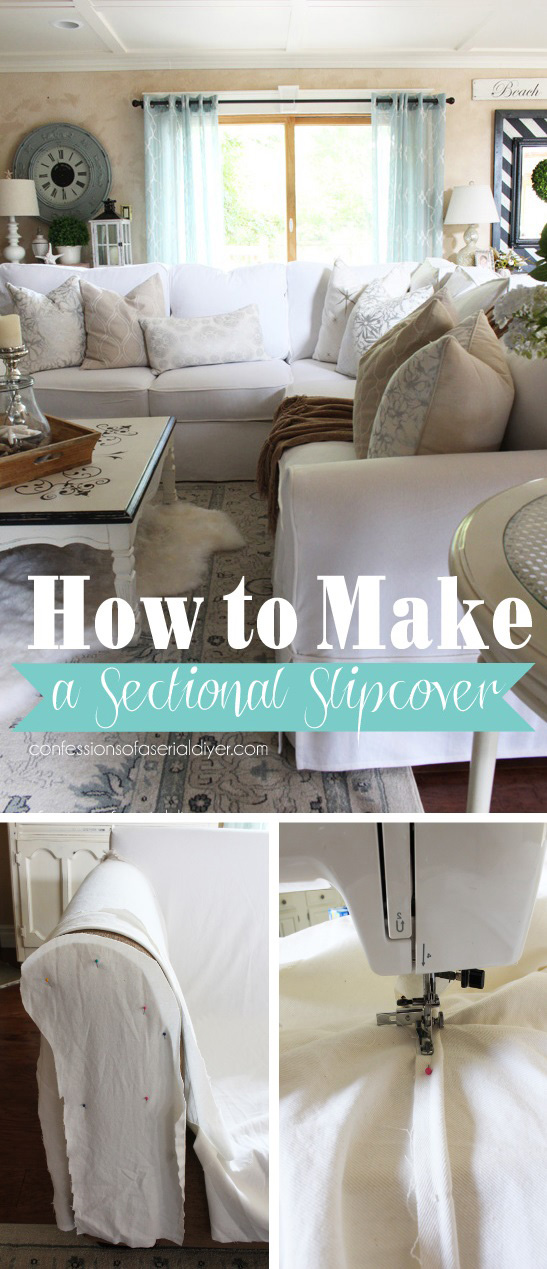
- Sectional 16 to 28 yards, based on shape.
Add 1 to 2 yards for big patterns. Add 10 percent extra if you want piping or a long skirt.
Budget snapshot:
- Fabric 8 to 20 dollars per yard for basics; more for performance.
- Notions 10 to 30 dollars for zips, Velcro, and thread.
- Time 8 to 16 hours for a sofa, 4 to 6 hours for a chair.
When I tracked times, a piped three-seat took me 12 hours on average.
Troubleshooting and Common Mistakes
Learn from my greatest hits so your how to make slip covers for sofa goes smooth.
- Cover is too tight Add a 0.5-inch seam allowance at the joins. Steam press to relax shape.
- Saggy arms Add small darts at the arm front or tighten the tie points.
- Corners look bulky Trim seam allowance to 0.5 inch and clip more.
- Skirt lifts in front Lower the hem in the center by 0.5 inch to clear carpets.
- Zipper waves Use interfacing or stay tape on the zipper area.
Keep a seam ripper near, not fear. Fixes are fast once you know the why.
Safety Tips and Sustainability
Good habits make sewing safe and kind.
- Safety Keep fingers away from needles. Unplug the iron between steps.
- Ventilation When using spray starch or fabric glue, open a window.
- Sustainability Use organic cotton, deadstock fabric, or thrifted curtains.
- Waste smart Save large scraps for piping, small ones for patching.
A durable slipcover keeps one more sofa out of the landfill. That is a quiet win.
Frequently Asked Questions of how to make slip covers for sofa
What is the easiest fabric for beginners?
Cotton duck or twill is sturdy, easy to cut, and easy to sew. It also washes well and holds shape.
How do I stop my slip cover from slipping?
Add ties or Velcro under cushions and at the back. A rug pad piece under seat cushions adds grip.
Can I make slip covers without a sewing machine?
Yes. Use heavy cloth, neat folds, fabric tape, and ties. The look is relaxed and best for simple shapes.
How do I wash slip covers the right way?
Close zips, wash cold on gentle, and line dry. Press while damp for a crisp look.
How do I handle T-cushions or a chaise?
Make a paper or pin-fit pattern for the T-shape or chaise outline. Label top, front, and sides to avoid mix-ups.
How many times should I use the phrase “how to make slip covers for sofa”?
Use it as needed to stay clear and on topic. Do not stuff it; keep it natural for readers.
Conclusion
You now have a simple, proven map to draft, cut, and sew a clean, custom slipcover. Measure with care, choose smart fabric, and finish with closures that fit your life. Small steps add up fast, and your sofa gets a new story.
Ready to start? Pick a fabric you love, prewash it today, and cut your first panel tomorrow. Want more tips and templates? Subscribe, share your progress, or drop a question so we can help you nail the fit next time.