
Polish stainless steel propellers by cleaning, sanding, buffing, then sealing for lasting shine.
If your prop looks dull, your boat feels dull. I have spent years making stubborn props sparkle, both for my own boats and for clients who like their wake with a side of wow. In this guide, I’ll show you how to polish stainless steel propellers the right way, with simple steps, smart tools, and a little humor to make the elbow grease feel lighter. Stick around, and you’ll learn how to polish stainless steel propellers like a pro without grinding away speed, balance, or sanity.
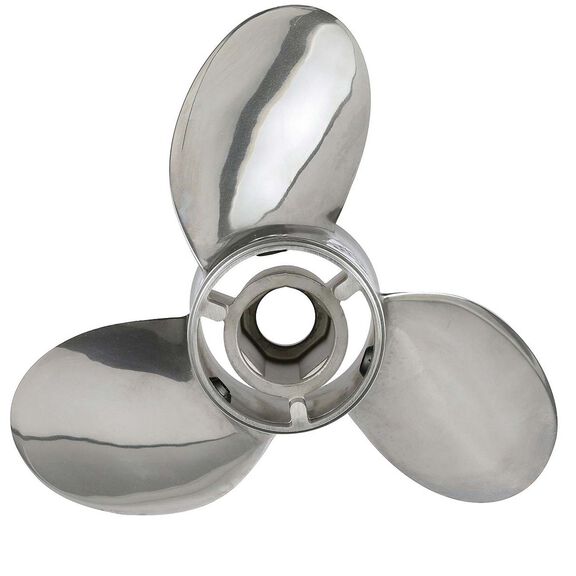
Why polishing matters more than you think
A smooth prop reduces drag, resists corrosion, and can even add a knot or two. Tiny scratches cause micro-cavitation and waste fuel. A bright finish also helps you spot damage early. If you came here to learn how to polish stainless steel propellers for speed and shine, you’re in the right marina.
Polishing is not only about looks. It is about performance, safety, and longevity. Stainless steel is strong, but it still stains and pits. A clean, sealed surface slows that down.

Safety, tools, and setup
Before we talk about how to polish stainless steel propellers, let’s set up right and keep all ten fingers happy.
Safety gear
- Eye protection for sparks and grit.
- Cut-resistant gloves for sharp edges.
- Hearing protection if you use a buffer.
- N95 or better if you sand or buff indoors.
Tools and materials
- Prop puller or rubber mallet, socket set, marine grease.
- Plastic scraper, nylon brush, microfiber towels.
- Degreaser and a mild acid cleaner for rust, like citric or oxalic based.
- Sandpaper grits: 320, 400, 600, 800, 1000, 1500, 2000. Wet-dry sheets.
- Non-woven pads: maroon and gray.
- Buffing wheels: sisal (cut), spiral-sewn cotton (intermediate), loose cotton (finish).
- Compounds: emery or brown tripoli (cut), green stainless compound, then white rouge (finish).
- Metal polish for final touch, corrosion inhibitor, and a polymer or ceramic sealant.
- Optional passivation gel with citric acid.
- Low speed buffer or bench grinder with arbor for wheels. A drill works, but it is slower.
Smart setup
- Remove the prop. Do not polish on the boat. It is safer and you will do better work.
- Mark blade numbers with tape so you rotate work evenly.
- Keep different wheels for each compound to avoid cross-contamination.
- Work in shade. Heat is the enemy of stainless and of your arms.
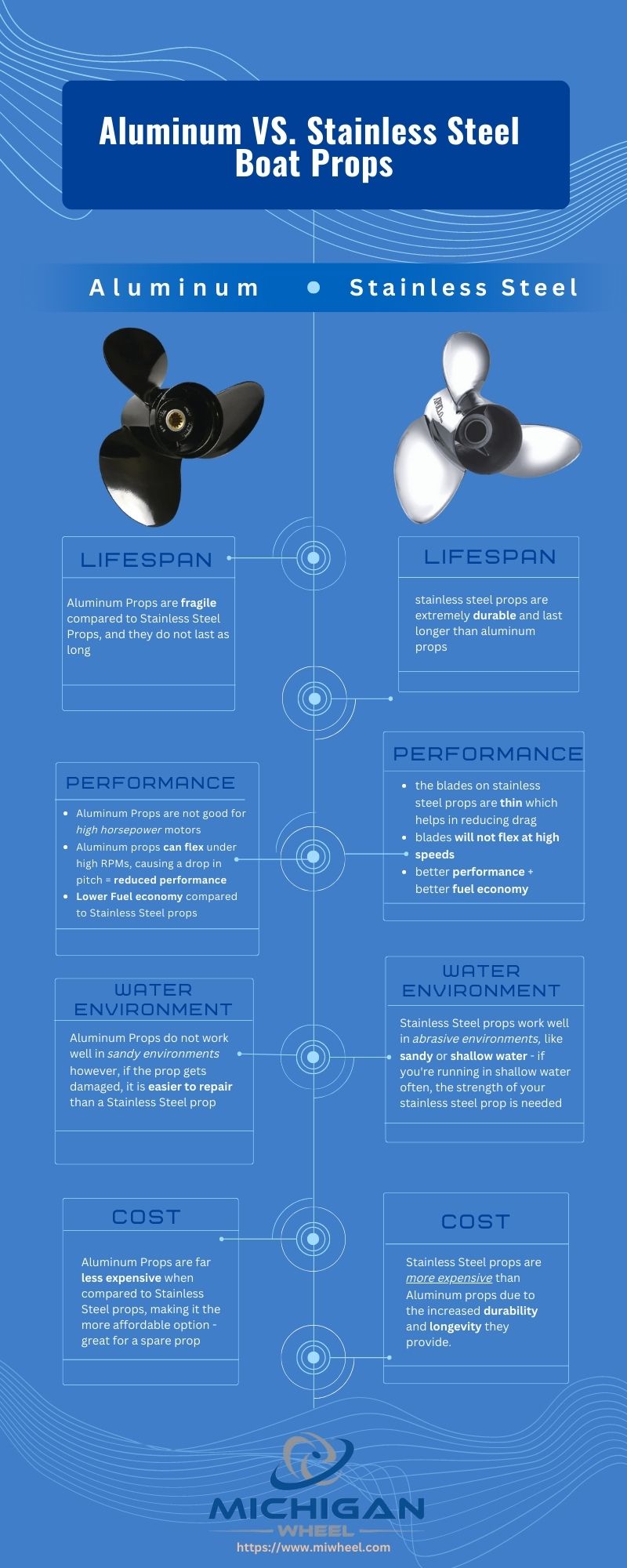
Step-by-step: how to polish stainless steel propellers
If someone at the dock asked me how to polish stainless steel propellers in one breath, this is the exact playbook. Keep strokes even. Keep the metal cool. Do not change blade shape.
- Inspect first
- Look for cracks near the hub and root. If you see a crack, stop and use a prop shop.
- Check for bent blades, major dings, or more than 3 mm chips. That is repair-shop territory.
- Note cup, rake, and sharp edges. You will protect these shapes.
- Remove and clean
- Pull the prop. Note the order of washers. Take a photo. Thank yourself later.
- Degrease. Scrape growth with plastic only. Rinse.
- Treat rust tea-stains with a mild acid cleaner. Avoid chlorine bleach. Rinse well and dry.
- Level the surface by sanding
- Start with 320 grit on scratches, 400 if the prop is already decent. Use soapy water for wet sanding.
- Sand with light pressure in a crosshatch pattern. Do not round the leading or trailing edges.
- Step through 600, 800, 1000, 1500, 2000. Wipe clean between grits. Do all faces and edges.
- First buff: cutting stage
- Use a sisal wheel and emery or brown tripoli. 1750–3000 rpm works. Keep it moving.
- Buff one blade at a time. Work the whole face, then the back, then the edges.
- Wipe residue. The goal is even sheen, not mirror yet.
- Second buff: color and clarity
- Switch to spiral-sewn cotton with green stainless compound.
- Repeat the passes. Lighter pressure now. Keep the wheel and prop cool.
- Final buff: mirror
- Use a loose cotton wheel with white rouge. Feather-light pressure.
- You should see your grin on the blade. If not, back up one step.
- Passivate and protect
- Wipe down with acetone or alcohol. Apply citric passivation gel if you have it. Rinse and dry.
- Seal with a polymer or ceramic coat. A good wax works too, but does not last as long.
- Reinstall and torque
- Lightly grease the shaft. Reinstall parts in the same order. Use a new cotter pin if needed.
- Torque to the manufacturer spec. Check it after the first run.
- Balance check
- If you have a simple static balancer, use it. If a blade drops fast, remove a tiny amount from the heavy blade’s face only. If it stays off, see a pro.

Real-world tips, mistakes I learned the hard way
I once polished a prop so hard I could see my soul in it. Then I realized I had warmed the blade and softened a crisp edge. The boat ran loud. Lesson learned: shiny is great, geometry is king. Here are the traps to dodge when you plan how to polish stainless steel propellers.
Common slip-ups
- Skipping grits. You cannot jump from 400 to mirror. The scratches will laugh at you.
- Overheating. If it is hot to touch, rest. Heat can tint stainless and stress the metal.
- Rounding edges. This kills bite and can add cavitation.
- Mixing compounds on one wheel. Keep wheels clean and dedicated.
- Bleach cleaners. Chloride attacks stainless. Use citric or oxalic based cleaners.
Pro moves
- Tape the blade edges with painter’s tape while sanding the faces.
- Use short, overlapping strokes, like mowing a tiny lawn.
- Work in low humidity. Polishes load up less.
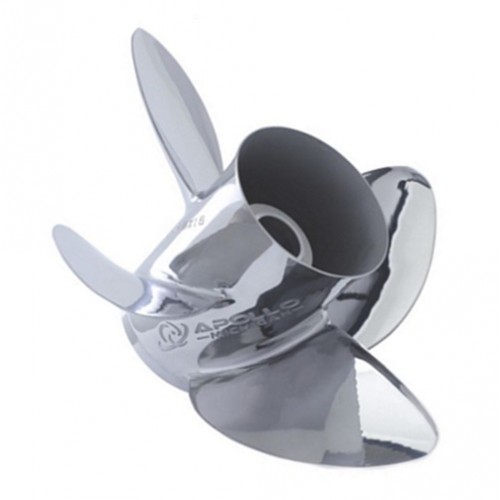
Finishing and protection that actually lasts
You did the hard work. Now lock it in. The best part of how to polish stainless steel propellers is a finish that stays shiny for months, not days.
What works
- Passivation with citric acid. It helps rebuild the chromium-rich layer and slows tea-staining.
- Polymer or ceramic sealants. They add slickness and repel salt. Cure per label.
- A light coat of corrosion inhibitor on the hub area and hardware.
What to skip
- Greasy films on blades. They attract grime and slow the prop.
- Abrasive cleaners after you seal. Use a gentle wash instead.

Maintenance and quick touch-ups
A simple routine keeps the mirror look. It also saves you hours next time you decide how to polish stainless steel propellers.
Easy routine
- Rinse the prop with fresh water after each trip. Dry it.
- Wipe with a corrosion inhibitor monthly.
- Quick hand polish every few trips with a fine metal polish.
- Re-seal every 2–3 months if you boat often in salt.
Storage tips
- If the boat sits, pull the prop. Clean, seal, and bag it with a label.
- Check the keyway and thrust washer for wear at each pull.

Troubleshooting stubborn issues
Not every mark needs a meltdown. Use this guide to decide when to fix and when to call a pro. It helps to know how to polish stainless steel propellers, but also when not to.
Tea staining returns fast
- The passive layer may be weak. Do a deeper passivation cycle and re-seal.
- Check zincs and stray current. Fast staining can point to galvanic issues.
Pitting and cavitation burn
- Light pits can be sanded out if shallow. Deep pits mean metal loss. Do not chase them forever.
- Gray burn marks at the leading edge can be cavitation. Inspect blade shape. A prop shop can restore cup.
Nicks and burrs
- Small burrs can be stoned flat with a fine file or 1000 grit. Keep the edge shape.
- Larger nicks need a pro to keep balance and geometry.
Vibration after polishing
- You may have removed uneven material. Get a static or dynamic balance check at a shop.

Cost, time, and what you gain
A clean prop is cheaper than an extra fuel stop. When friends ask how to polish stainless steel propellers on a budget, I break it down like this.
What you spend
- Sandpaper, compounds, wheels, polish, and sealant: about 60 to 150 dollars.
- A decent buffer can run 80 to 200 dollars if you do not own one.
Time needed
- A 14-inch, 3-blade prop takes 2 to 4 hours for a mirror finish.
- Add 30 minutes for passivation and sealing.
What you gain
- Better bite on hole shot, smoother cruise, less fuel burn.
- Easier damage checks before they get expensive.

Frequently Asked Questions of how to polish stainless steel propellers
How often should I polish a stainless steel propeller?
Light touch-ups every few trips are enough for most boaters. A full polish and seal every one to three months keeps it sharp if you run in salt.
Can I learn how to polish stainless steel propellers without removing the prop?
You could, but you should not. Removal is safer, gives better access, and protects the shaft and seals.
What grit should I start with for deep scratches?
Start at 320 grit to level the scratch, then step through 400, 600, and so on. Do not jump grits or you will lock scratches under the shine.
Will polishing change my boat’s speed?
A smoother prop can add a small bump in speed and reduce fuel burn. Gains vary with condition, hull, and load.
Is a drill-mounted buffing kit enough for how to polish stainless steel propellers?
It works for small props and light work. For heavy cuts and faster results, a bench buffer with proper wheels is better.
What compounds should I use on stainless?
Use emery or brown tripoli to cut, green stainless compound to refine, and white rouge to finish. Keep one wheel per compound.
Can I fix small nicks myself?
Yes, if they are tiny. Stone them flat and keep the original edge shape, then polish and seal.
Conclusion
A mirror-finish prop is not magic. It is a simple, careful process done in smart steps. You learned how to polish stainless steel propellers, how to keep edges crisp, and how to lock in that shine so it lasts. Set up safe, sand in stages, buff cool, and seal the deal.
Roll up your sleeves this weekend and give your prop the glow-up it deserves. If you found this helpful, share it with a dockmate, subscribe for more hands-on boat care, or drop your questions and results in the comments.