
Yes—linseed oil is combustible, and oily rags can even self-ignite.
Curious minds ask, is linseed oil flammable? Short answer, yes. But the bigger story is how and why it can start a fire, even at room temperature. I’ve finished furniture for years and seen the good, the bad, and the smoky. Stick with me and you’ll learn how to use it safely without turning your workshop into a surprise campfire.

What linseed oil is and why we love it
Linseed oil comes from flax seeds. It is a drying oil, which means it reacts with oxygen and hardens into a film. That makes it great for wood finishing, tools, and art supplies. It brings out grain, adds a warm glow, and is easy to apply.
There are a few common types:
- Raw linseed oil dries very slowly but has few additives.
- Boiled linseed oil dries faster thanks to metal driers. Some brands also add solvents.
- Polymerized or stand oils are heat-treated for faster cure and better flow.
These types behave a bit differently in use. But they all share the same core chemistry. They oxidize and cure over time. That curing is the secret to the shine. It is also the risk behind those headline-grabbing rag fires.

Is linseed oil flammable? The science and the safety rules
Many folks ask, is linseed oil flammable under normal use? The liquid oil itself is a combustible liquid. It has a high flash point, often around 225–230°C (437–446°F). That is higher than many solvents. The autoignition temperature is even higher, roughly 343°C (650°F).
So, if the can just sits on your shelf, is linseed oil flammable enough to burst into flames? Not by itself. But the danger is not the can. The danger is thin films and soaked rags. Thin layers have lots of surface area. Oxygen rushes in, and the oil reacts. That reaction gives off heat. If the heat cannot escape, the temperature climbs. That is how fires start.
Standards matter here. Fire codes treat drying oils as a special risk. Oily waste must go in self-closing metal cans. Shops keep Class A/B/C extinguishers nearby. Smart pros do, too. If you ever wondered, is linseed oil flammable like gasoline, the answer is no. But in the right (or wrong) conditions, it can light up all the same.
The real hazard: spontaneous combustion in oily rags
Here’s the simple picture. Imagine a tiny oven made of cotton. Oily rags piled in a corner trap their own heat. The linseed oil cures faster as it gets warmer. Warmer curing makes more heat. The cycle feeds itself until, whoosh.
Common triggers include:
- A pile of wadded rags stuffed in a bag or bin.
- A warm room, direct sun, or a dryer-like hot spot.
- Heavy coats of boiled linseed oil that cure fast.
When people ask, is linseed oil flammable when left on rags, the answer is yes, in a very real way. I’ve tested this in a controlled setting. After a few hours, the center of a rag ball can get hot to the touch. Add more rags, less airflow, and you are playing with fire.
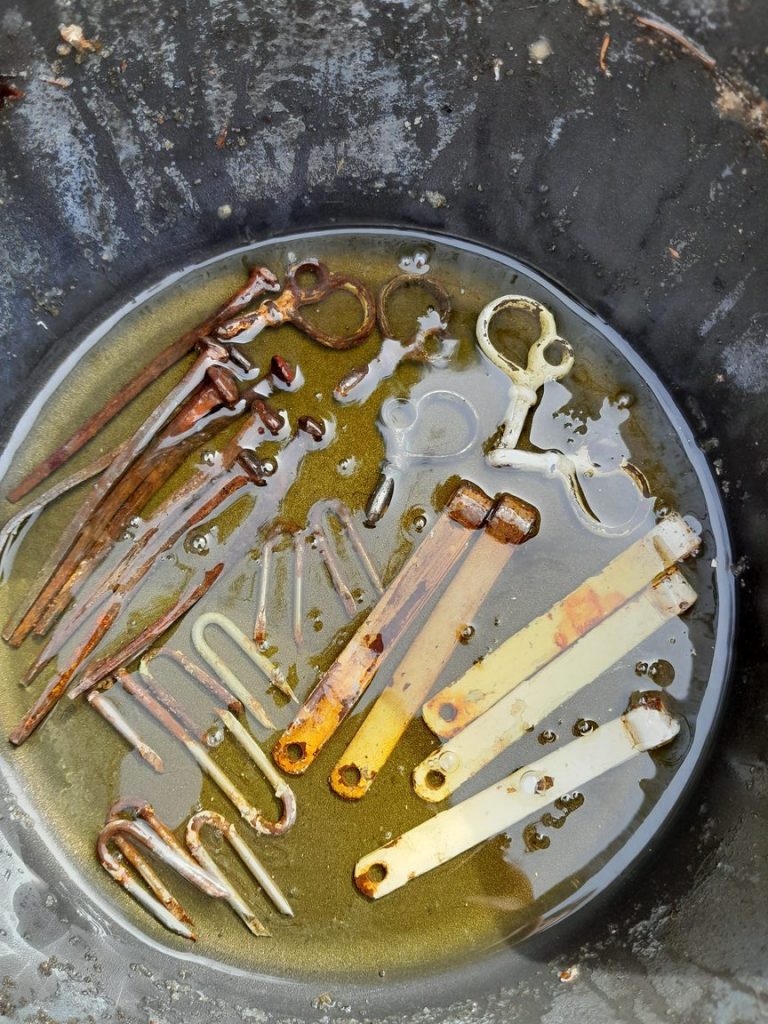 handling, storage, and rag disposal checklist”
style=”max-width: 100%; height: auto; border: 2px solid black; border-radius: 10px; display: block; margin: 0 auto;”
loading=”lazy”
/>
Safe handling, storage, and rag disposal checklist
You can enjoy that rich finish and still sleep well. Follow this simple plan.
Setup and application
- Work in a well-ventilated area with good airflow.
- Apply thin coats. Wipe off the extra within 10–15 minutes.
- Avoid heat guns or space heaters near fresh oil.
Rag handling
- Do not ball up rags. Lay them flat outdoors to dry on a nonflammable surface.
- Or submerge used rags in water with a little detergent.
- Store wet rags in an approved oily-waste can with a tight, self-closing lid.
- Once dry and hard, rags can go out as solid waste per local rules.
Storage and fire readiness
- Keep the oil can sealed, cool, and away from sun.
- Label your container and note the date opened.
- Keep an ABC extinguisher nearby. For small spills on wood, sand can help smother.
- Check local fire codes for oily-waste rules. They exist for a reason.
If you are still wondering, is linseed oil flammable in everyday projects, the steps above keep the risk low. Most fires come from poor rag storage. Break the heat-trap cycle, and you break the hazard.

Personal experience: the walnut table that taught me respect
Years ago, I finished a walnut table with boiled linseed oil. The glow was perfect. The rags? Less perfect. I tossed a bunch in a corner. An hour later, I caught a whiff of hot cotton. The center of the pile was toasty. I dodged a fire by minutes.
Here is what I do now:
- I drop used rags in a water-and-soap bucket the second I’m done.
- I dry rags flat outside on a wire rack before disposal.
- I write “RAGS WET” on a bright bucket so no one forgets.
Since then, people ask me, is linseed oil flammable enough to worry about at home? I answer, yes, but only if you ignore the rags. Respect the cure. Enjoy the finish.

Related finishes: which ones pose the same risk?
Drying oils
- Linseed oil. Yes, it cures and can self-heat in rags.
- Tung oil. Also a drying oil. Same rag risk, similar care.
Blends and wiping varnishes
- Danish oil and “oil/varnish blends.” Often part drying oil. Treat rags as hazardous until fully cured.
- Teak oil. Many blends include drying oils and solvents. Follow oily-rag rules.
Non-drying or less risky oils
- Mineral oil. Does not dry the same way. Lower self-heating risk, but still handle rags with care and air.
- Pure varnish or polyurethane. Solvent vapors are flammable, but the self-heating rag risk is lower than drying oils. Still store solvent-soaked rags in approved cans.
If your top question is still, is linseed oil flammable compared to these, remember this: any finish with a drying oil can self-heat in rags. When in doubt, treat rags as if they can light up.

Frequently Asked Questions of is linseed oil flammable
Is linseed oil flammable in the can?
It is a combustible liquid with a high flash point. It will not usually ignite at room temperature unless exposed to a strong heat source.
Why do linseed oil rags catch fire?
Drying oils react with oxygen and release heat. In a pile, heat builds up and can reach ignition, causing spontaneous combustion.
Is boiled linseed oil more dangerous than raw?
Boiled linseed oil cures faster due to metal driers, which can raise self-heating risk in rags. Some brands also add solvents that add vapor hazards.
How should I dispose of linseed oil rags?
Soak them in water with a little detergent, then store in a sealed metal oily-waste can. Or lay them flat outdoors to dry fully before disposal, following local rules.
What extinguisher should I keep nearby?
An ABC dry chemical extinguisher is a good all-around choice for shops. It handles both Class A (wood, rags) and Class B (oil) fires.
Can I put oily rags in a plastic bag?
No. Plastic traps heat and limits airflow, which increases self-heating. Use water, then an approved metal can, or dry rags flat.
How long does linseed oil take to cure?
Touch-dry can take hours to a day, but full cure can take days. Faster cure raises rag risk, so manage rags right away.
Is linseed oil food safe when cured?
Pure raw linseed oil can be food safe once fully cured, but curing takes time. Many “boiled” versions have additives and are not for food-contact items.
Conclusion
Is linseed oil flammable? Yes, in the ways that matter. The liquid is a combustible oil, but the real danger is self-heating in oily rags. Use thin coats, ventilate well, and handle rags like they are tiny ovens waiting for kindling.
Respect the chemistry and you get rich color, deep grain, and zero drama. Put a labeled water bucket by your bench, grab an ABC extinguisher, and make safe habits part of the job. If this helped, subscribe for more hands-on finishing tips, or drop a comment with your wood projects and shop wins.