
When you need hot water for your home, the choice often comes down to two main options: electric water heaters and gas water heaters. Picking the right one is not just about what’s available—it affects your comfort, your monthly bills, and even your safety. Many homeowners wonder which type will serve them best. The answer depends on several factors: your home’s setup, local energy costs, environmental concerns, and your own habits.
Let’s take a deep look at how electric and gas water heaters compare. This guide will break down their differences, strengths, weaknesses, and practical details so you can make a confident decision. We’ll go beyond the usual advice and highlight what many people miss—helping you avoid regrets and unexpected costs.
How Electric And Gas Water Heaters Work
Understanding how each system produces hot water helps you see where the differences start.
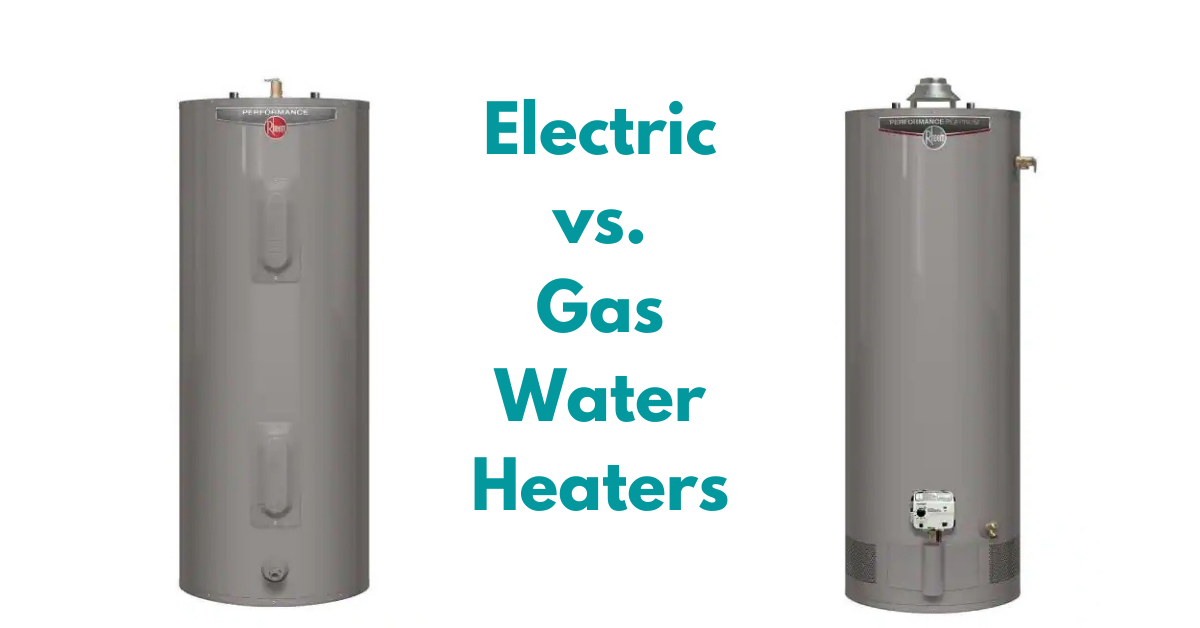
Electric water heaters use electric heating elements inside a tank to warm the water. These elements work like big versions of what you find in electric kettles. When you turn on the hot tap, the heater pulls cold water into the tank, heats it, and sends it to your faucet. Some newer electric models are tankless, heating water on demand as it flows through coils.
Gas water heaters burn natural gas or propane. A gas burner at the bottom of the tank creates a flame, heating the water directly. The hot water rises to the top of the tank, ready for use. Gas tankless models use a strong burner and heat exchanger to warm water instantly as it passes through.
While both types deliver hot water, the way they generate heat and the energy sources they use are completely different. These differences shape how each performs, how much they cost, and what it’s like to own one.
Installation: What’s Required For Each
Electric Water Heater Installation
Electric water heaters are generally simpler to install. They need:
- An electrical connection (usually 240 volts for full-size models)
- Water supply lines (inlet and outlet)
- Enough space for the tank or unit
You do not need a flue or vent, since there are no combustion gases. This makes them suitable for closets, basements, or small spaces. The installation process is straightforward, and in many cases, electricians or even skilled homeowners can do the job (though local code may require a licensed installer).
Gas Water Heater Installation
Gas water heaters need more preparation. Besides water supply lines, you must have:
- A gas supply line (natural gas or propane)
- A vent or flue to remove combustion gases safely
- Enough space for airflow and to meet safety codes
Ventilation is critical. If not done correctly, dangerous gases like carbon monoxide could stay in your home. Installation costs are higher, and it’s rarely a DIY job. Many homes, especially in older neighborhoods, already have gas lines and vents. If your home doesn’t, adding them can be expensive.
Non-obvious insight: If you live in an all-electric home, converting to gas for a water heater can cost thousands of dollars, including permits and inspection fees. For rural homes, propane tanks add extra costs and maintenance.

Credit: comunicar.org
Upfront Cost Comparison
Let’s look at what you can expect to pay when buying and installing each type.
| Type | Typical Unit Cost | Average Installation Cost | Total Initial Cost |
|---|---|---|---|
| Electric Tank | $300 – $700 | $300 – $600 | $600 – $1,300 |
| Gas Tank | $400 – $900 | $500 – $1,000 | $900 – $1,900 |
| Electric Tankless | $500 – $1,200 | $400 – $1,000 | $900 – $2,200 |
| Gas Tankless | $700 – $1,600 | $900 – $2,000 | $1,600 – $3,600 |
Practical tip: Prices vary by location, brand, and unit size. Gas heaters are usually more expensive to install, mainly due to venting and gas line work.
Operating Costs And Energy Efficiency
Monthly Energy Use
The biggest ongoing expense is the energy to heat water. Let’s compare typical costs.
Electric water heaters are usually more energy efficient at the appliance level—around 90% or higher. Most of the electricity is used for heating water, with little waste. However, in many areas, electricity is more expensive per unit of energy than natural gas.
Gas water heaters lose some energy through venting, so their efficiency is often 60–70% for older models and up to 80–90% for newer, high-efficiency units. But since natural gas is usually cheaper than electricity, gas heaters often have lower monthly costs.
Example: According to the U.S. Department of Energy, heating water for a family of four with a standard electric tank may cost $400–$600 per year, while a similar gas model may cost $250–$400 per year.
Standby Losses
Standby losses mean energy wasted as water cools in the tank and needs to be reheated. Electric heaters usually have better insulation, so standby losses are lower. Gas models lose more heat, especially if the flue runs through the center of the tank.
Non-obvious insight: Even high-efficiency gas tanks can lose heat up the vent, especially in cold climates. If you don’t use much hot water, you’ll notice the difference in your bills.
Energy Factor (ef) And Uniform Energy Factor (uef)
When shopping, check the Energy Factor (EF) or Uniform Energy Factor (UEF). Higher numbers mean better efficiency.
- Electric tank: UEF 0.90–0.95
- Gas tank: UEF 0.60–0.70
- Electric tankless: UEF 0.98–0.99
- Gas tankless: UEF 0.80–0.95
Tip: For tankless models, electric is extremely efficient, but may not be practical in homes with limited electrical service.
Credit: griffelectric.com
Performance: Hot Water Supply And Recovery Rate
Recovery Rate
Recovery rate means how quickly a heater can warm a new batch of cold water after you’ve used the hot supply.
Gas water heaters heat water faster. A typical 40-gallon gas tank can recover about 30–40 gallons per hour. Electric tanks of the same size recover only 15–20 gallons per hour. This makes gas better for homes with high hot water demand (multiple showers, laundry, dishwasher use).
Tankless Units
Both electric and gas tankless units provide continuous hot water, but there’s a catch: electric tankless heaters need a lot of power. Many homes cannot support more than one or two electric tankless units without upgrading their electrical panel.
Gas tankless heaters can deliver more hot water per minute (higher flow rate), making them better for large families or simultaneous use.
Example: A gas tankless unit might deliver 7–9 gallons per minute, enough for two showers and a dishwasher. An electric tankless unit may deliver only 2–5 gallons per minute.
Insight: If you live in a cold region, incoming water is colder in winter, which reduces the flow rate of all tankless models. Gas units handle this better than electric.
Lifespan And Maintenance
How Long Do They Last?
On average:
- Electric tank heaters: 10–15 years
- Gas tank heaters: 8–12 years
- Electric tankless: 15–20 years
- Gas tankless: 15–20 years
Electric heaters last longer because they have fewer parts exposed to flame and heat stress. Gas tanks can corrode faster and have more parts that wear out.
Maintenance Needs
Electric water heaters are simple—no burners, no vents, and fewer moving parts. Most maintenance is limited to checking the anode rod (prevents rust) and flushing sediment every year or two.
Gas water heaters need more care:
- Checking and cleaning the burner
- Inspecting venting for blockages or leaks
- Flushing sediment
- Annual safety checks (especially for carbon monoxide)
Tankless units (both types) must be descaled yearly if you have hard water, or they may clog and lose efficiency.
Non-obvious insight: Skipping maintenance shortens lifespan and can void warranties. Many people forget about the anode rod—a $20 part that can save hundreds in repair bills.
Safety: Risks And Precautions
Electric Water Heaters
Main risks are electrical shock and fire (from faulty wiring). Modern units have safety switches and thermostats that reduce risks. Installers must follow local electrical codes.
Gas Water Heaters
Risks are higher:
- Gas leaks (can cause explosions)
- Carbon monoxide (deadly if not vented properly)
- Open flame means higher risk of fire
All gas heaters must be installed with proper vents, carbon monoxide detectors, and regular checks. If you smell gas, shut off the supply and call for help immediately.
Practical tip: Never store flammable liquids near a gas water heater.
Environmental Impact
Emissions
Electric water heaters do not produce emissions at home. However, if your electricity comes from coal or natural gas, there are emissions at the power plant. If you use renewable energy (solar or wind), electric heaters are very eco-friendly.
Gas water heaters release carbon dioxide and other gases directly into the air. They have a higher carbon footprint unless you use biogas or a renewable source.
Non-obvious insight: In some areas, switching to an electric water heater and signing up for a green energy plan can shrink your home’s carbon footprint much more than just buying an “efficient” gas model.
Efficiency And Resource Use
Electric tankless models are nearly 100% efficient, but require a lot of electrical power. Gas heaters waste some energy but use a resource (natural gas) that is still less expensive and sometimes more available.
Hot Water Availability During Power Outages
Electric water heaters stop working during a power outage. If you have a tank, you can still use the hot water already in the tank (until it runs out), but no new hot water will be made.
Gas tank water heaters may keep working if they use a standing pilot light (older models). Newer models with electronic ignition need electricity to start, so they may not work during an outage. Gas tankless models always need electricity for the controls and fan.
Non-obvious insight: If you live in an area with frequent outages and need hot water during storms, a basic gas tank model with a pilot light is still the most reliable.
Space And Placement
Electric Water Heaters
Because they don’t need venting, electric water heaters can go almost anywhere—closets, crawl spaces, even under stairs. They’re quieter and give off less heat.
Gas Water Heaters
Need more space for:
- The tank itself
- Vent pipes (can be horizontal or vertical, but must reach outside)
- Safe clearance from flammable materials
Insight: In small homes, apartments, or condos, electric heaters are often the only practical option.
Noise Level
Electric water heaters are almost silent in daily use. You may hear a gentle hum or light popping as they heat water, especially if there’s sediment in the tank.
Gas water heaters make more noise—hissing, rumbling, or small “whoosh” sounds as the burner lights. Older models can get noisy if sediment builds up.
For bedrooms, offices, or studios, electric heaters are less disruptive.
Resale Value And Home Appeal
Home buyers often ask about water heater type. In regions where gas is common, a gas water heater can boost resale value, especially for large homes or where heating costs matter.
Non-obvious insight: In some green-conscious cities, electric water heaters (especially heat pump or solar-boosted models) are a selling point. In earthquake-prone areas, gas appliances may lower appeal due to safety worries.
Upgrades And Future-proofing
Electric Heat Pump Water Heaters
A newer type, electric heat pump water heaters, use 60% less energy than standard electric tanks. They work like a refrigerator in reverse, pulling heat from the air to warm water. These units cost more upfront but may qualify for rebates.
Solar Water Heaters
Both gas and electric units can work with solar water heating systems for even more savings. Solar pre-heats the water; the heater boosts it to the final temperature.
Insight: If you plan to add solar panels, an electric water heater is much easier to integrate.
Real-world Examples
Urban Apartment
Sarah lives in a downtown apartment where there’s no gas line. An electric tankless heater fits in her closet and gives her endless hot water for showers and laundry. Her building’s power is reliable, and her electric bill is only slightly higher than a gas unit would cost.
Suburban Family Home
Mike’s family of five takes showers back-to-back every morning. They run a dishwasher and laundry machine most days. A 50-gallon gas tank water heater with a high recovery rate keeps up with demand, and their natural gas bill is low.
Off-grid Cabin
Lila’s cabin uses propane for all appliances. She installs a small gas tankless heater, which gives her hot water instantly. She keeps a spare propane tank on hand in case of supply issues.
Comparing Electric Vs Gas: At A Glance
Here’s a quick reference for the main differences.
| Feature | Electric Water Heater | Gas Water Heater |
|---|---|---|
| Installation Cost | Lower | Higher (especially if no gas line) |
| Monthly Operating Cost | Higher (where electricity is costly) | Lower (where gas is cheap) |
| Energy Efficiency | Very high (up to 99%) | Moderate (60–95%) |
| Hot Water Recovery Rate | Slower | Faster |
| Lifespan | Longer | Slightly shorter |
| Maintenance | Lower | Higher |
| Safety Risks | Electrical (lower overall risk) | Gas leaks, carbon monoxide |
| Eco-Friendliness | High (if using renewable power) | Lower (direct emissions) |
| Works During Outage | No | Sometimes (older models) |
| Space Needed | Less (no vent) | More (venting required) |
Making Your Choice: What Really Matters
Here’s what to consider before you decide:
1. Energy Prices In Your Area
If electricity is expensive and gas is cheap, a gas heater will save you money over time. If you have access to cheap or renewable electricity, electric is more attractive.
2. Existing Home Setup
Do you have a gas line? If not, installation costs for gas may be too high. Electric heaters are almost always easier to add.
3. Hot Water Demand
Large families or homes with high hot water use often do better with gas tank models or gas tankless units, due to faster recovery and higher flow rates.
4. Space And Location
Small homes or apartments often have no room or venting for a gas unit. Electric models fit almost anywhere.
5. Environmental Concerns
If you want to reduce your carbon footprint, electric heaters (especially when powered by solar or wind) are the best choice.
6. Future Upgrades
Planning to add solar panels or go off-grid? Electric water heaters are easier to integrate with renewable systems.
7. Safety
If you’re worried about gas leaks or carbon monoxide, go electric.
8. Budget
Electric heaters are cheaper to install; gas heaters may be cheaper to run long-term.
Common mistake: Many buyers focus only on the unit price, not installation or long-term costs. Always calculate the total cost over 10–15 years.
Credit: radiantplumbing.com
Advanced Options: Heat Pump And Hybrid Models
A new generation of heat pump water heaters uses electricity but works much more efficiently by pulling heat from the air. These can cut electric water heating costs by up to 60%. However, they need space for airflow and don’t work well in cold basements.
Hybrid units combine a heat pump and a traditional electric element, so you get efficient operation and reliable hot water even during peak demand.
Non-obvious insight: Utility companies often offer rebates on heat pump water heaters, making them more affordable than you might expect.
For more technical details about water heater types, see the U.S. Department of Energy’s guide.
Frequently Asked Questions
What Size Water Heater Do I Need?
The right size depends on your family size and hot water use. For tank models, a 40-gallon unit is enough for 2–4 people. Large families (5+) may need a 50–80 gallon tank. For tankless, look at gallons per minute (GPM).
Add up the flow rates of showers, faucets, and appliances you may use at the same time.
Are Electric Water Heaters Safer Than Gas Models?
Generally, yes. Electric heaters do not have gas leaks or carbon monoxide risks. They must be installed with proper wiring and circuit breakers to avoid electrical hazards.
Can I Switch From Electric To Gas Or Vice Versa?
Yes, but it may be costly. Adding a gas line and vent to a home that doesn’t have one can cost thousands of dollars. Switching from gas to electric is usually easier, but you need to make sure your electrical panel can handle the load.
Do Tankless Water Heaters Really Save Money?
They can, especially if you use less hot water or want endless hot water for many showers. However, tankless units cost more upfront and may require changes to your home’s gas or electrical system.
How Can I Make My Water Heater Last Longer?
Regular maintenance is key. Flush the tank every year to remove sediment, check the anode rod, and for gas models, inspect the vent and burner. For tankless units, descale yearly in hard water areas.
Final Thoughts
Choosing between an electric water heater and a gas water heater is not a one-size-fits-all decision. Both have clear advantages and drawbacks. Electric models are easy to install, safer, and better for the environment (especially with renewable power). Gas models deliver hot water quickly, cost less to run in many areas, and are better for heavy use.
Think about your home’s layout, your energy costs, your family’s needs, and future plans. Don’t just buy the cheapest or the trendiest model. Take the time to compare all costs, check for rebates, and consider where energy prices are headed in your area.
With the right information, you can choose a water heater that fits your budget, your lifestyle, and your values—giving you reliable hot water for years to come.