
Considering a new water heater? Maybe your old one can’t keep up, or you’re tired of running out of hot water during showers. Choosing between a tankless water heater and a traditional tank heater is a big decision for any home. Both have clear benefits and some drawbacks, but which one is truly better for your lifestyle, budget, and comfort? This guide will help you understand the real differences. We’ll look at cost, energy use, performance, installation, maintenance, and even the hidden details most buyers miss. By the end, you’ll have all the facts to confidently choose the right system for your needs.
How Tankless And Tank Water Heaters Work
Understanding the basics helps you see why one may suit you better.
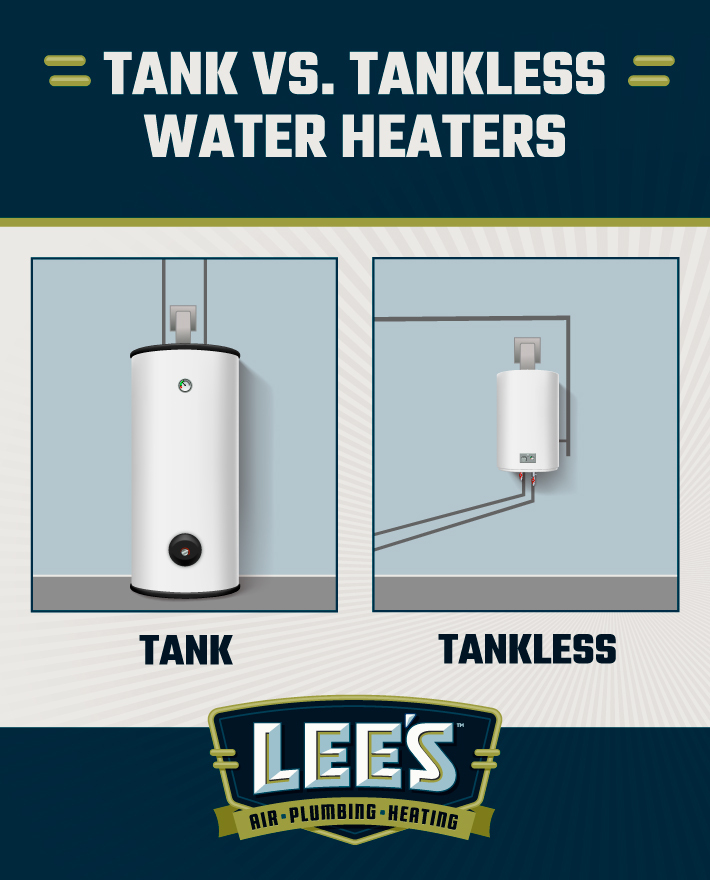
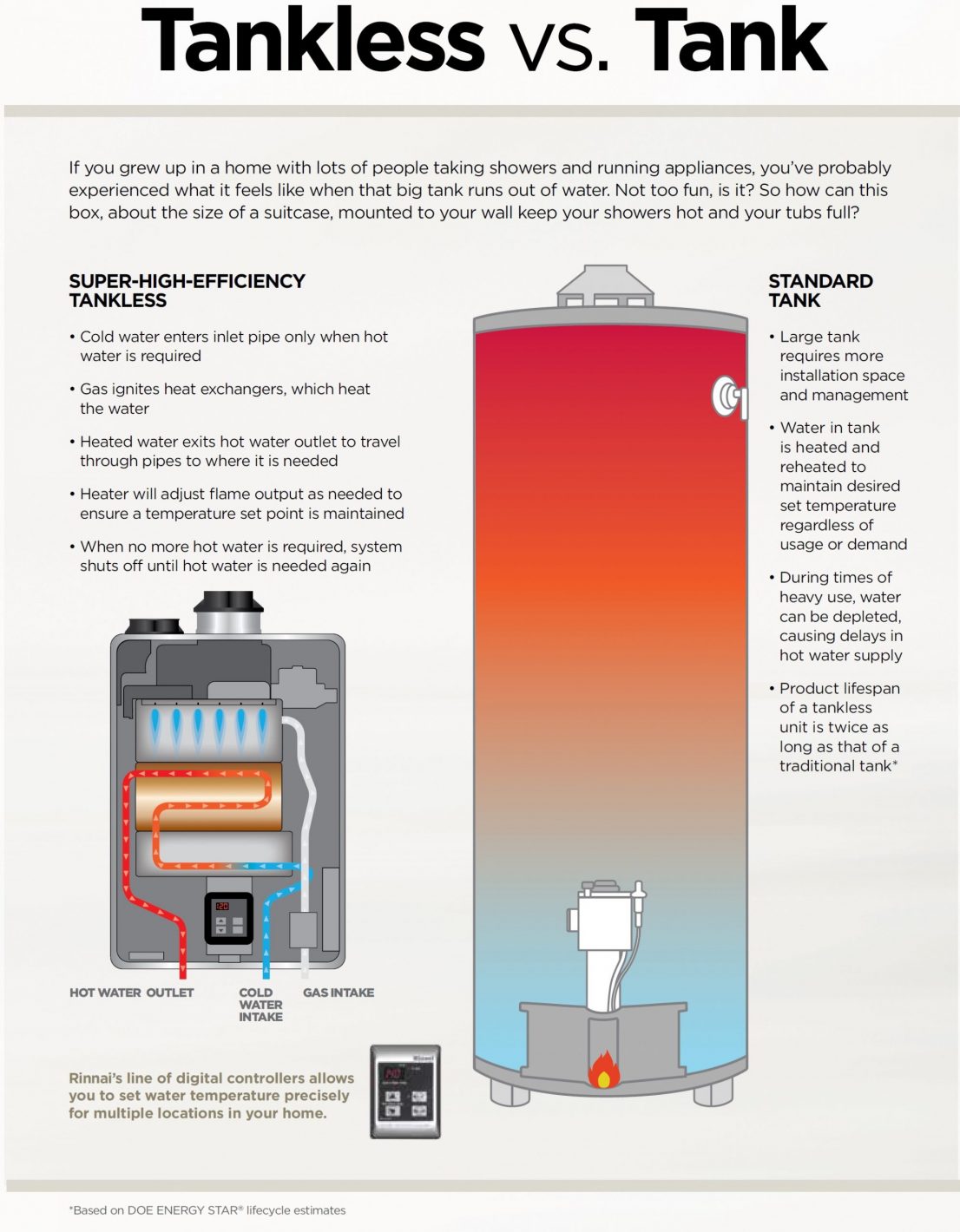
Tankless water heaters (also called “on-demand”) heat water only when you need it. When you turn on a hot tap, cold water flows through coils, where a gas burner or electric element instantly heats it. There’s no storage tank.
Tank water heaters keep a large amount of water (usually 30–80 gallons) hot at all times. The tank refills and reheats water as it’s used, so hot water is always stored and ready.
Why does this matter? The way each system works affects energy use, installation, hot water delivery, and even your monthly bills.
Energy Efficiency: Saving Money Over Time
How Much Energy Do They Use?
A key reason many homeowners switch to tankless heaters is energy efficiency. The U.S. Department of Energy reports that tankless water heaters are 24–34% more efficient for homes using less than 41 gallons of hot water daily compared to standard tank heaters.
Traditional tanks keep water hot 24/7, so energy is used even when you’re not at home—a loss called standby heat loss. Tankless models avoid this by heating only on demand.
Real-world Example
Imagine two families, both using about 40 gallons of hot water per day. The tank model wastes energy keeping extra water hot at night and while you’re at work. The tankless model only uses power when someone showers or washes dishes.
Annual Cost Comparison
According to the Department of Energy, the average family can save $100 or more per year by switching to a tankless system. Over 15 years (the typical life of a tankless unit), that’s over $1,500 in savings—not counting possible rebates or rising energy prices.
Non-obvious Insight: Many people forget to factor in local energy rates. In areas with high electricity or gas costs, the savings from tankless heaters can be even higher.
Endless Hot Water Vs. Running Out
Nothing ruins a shower like the water turning cold halfway through. Here’s where the two systems differ most.
Tank Water Heater Limitations
A tank heater can only deliver as much hot water as its tank holds. If you have a 40-gallon tank and your family takes back-to-back showers, you might run out. Recovery time (the time to reheat) can be 30–60 minutes.
Tankless Water Heater Strengths
Tankless heaters provide unlimited hot water—as long as you don’t exceed the unit’s flow rate (measured in gallons per minute, GPM). This means you could theoretically shower as long as you want without running out.
Non-obvious Insight: The maximum flow rate matters. If you run multiple showers, washing machines, or dishwashers at once, a single tankless unit might struggle. Some homes use two or more tankless heaters to solve this.
Space And Installation: Which Fits Your Home?
Size Difference
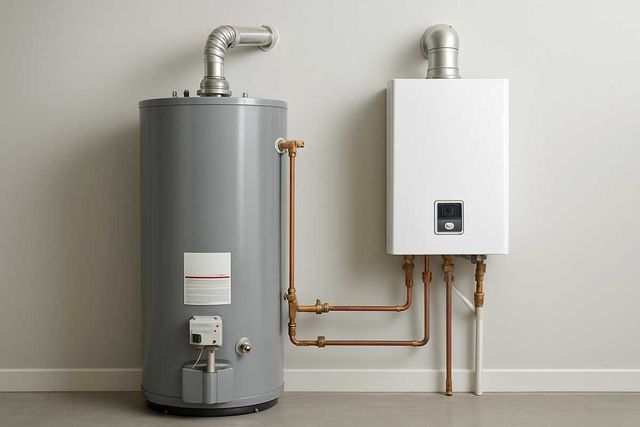
A traditional tank heater is big—about 5 feet tall and 2 feet wide. It needs a dedicated spot, often in a basement or closet.
Tankless models are much smaller, usually the size of a carry-on suitcase. They can be wall-mounted, installed in tight spaces, or even outside (with proper weather protection).
| Type | Average Size (inches) | Floor Space Needed |
|---|---|---|
| Tank Heater | 60 x 24 x 24 | 8–12 sq ft |
| Tankless Heater | 20 x 14 x 7 | 2–3 sq ft (wall) |
Practical Tip: If your home has limited storage or you want to free up a closet, tankless is a big win.
Installation Complexity
Switching from tank to tankless isn’t always simple. Tankless units may need a larger gas line, special venting, and upgraded electrical wiring. This can increase installation costs, especially in older homes.
Example: Replacing a 40-gallon gas tank heater with a gas tankless unit might require a bigger gas pipe and a new vent to the outside. Electric tankless heaters often need a new high-amperage circuit.
Common Mistake: Many buyers only budget for the water heater’s price, forgetting installation can cost as much as the unit itself.
Upfront Cost: What You’ll Pay First
Heater Price
Tankless water heaters cost more upfront. A basic 40-gallon tank heater might cost $600–$1,500. A good quality tankless unit is usually $1,000–$2,000.
Installation Cost
Tank heaters are faster and cheaper to install—usually $500–$1,500. Tankless units can range from $1,000–$3,000 depending on home upgrades needed.
Total Initial Cost
Here’s a typical range for a standard home:
| System | Unit Cost | Install Cost | Total Cost |
|---|---|---|---|
| Tank Heater | $800 | $1,000 | $1,800 |
| Tankless Heater | $1,500 | $2,000 | $3,500 |
Non-obvious Insight: Utility rebates for tankless heaters can help. Some gas companies offer $300–$500 back for energy-saving appliances.
Lifespan And Durability
How Long Do They Last?
- Tank heaters: 8–12 years (sometimes up to 15)
- Tankless heaters: 15–20 years (sometimes 25+ with good maintenance)
Tankless models last longer because they don’t store water, which means less corrosion and mineral buildup.
Replacement And Disposal
With tanks, when they fail, it’s often sudden (and can cause leaks). Tankless units usually give warning signs, and parts can often be replaced instead of the whole unit.
Experience-based tip: If your tank heater is over 10 years old, start planning for replacement—even if it’s working. Sudden failures can cause water damage.
Maintenance Needs And Costs
Tank Heaters
Regular maintenance is simple: drain the tank once or twice a year to remove sediment. Replace the anode rod every few years to prevent rust.
Tankless Heaters
Tankless units need annual descaling, especially in areas with hard water. This prevents mineral buildup in the heat exchanger. Some units have easy flush valves to help.
Cost: Maintenance is similar for both—about $100–$200 per year if you hire a pro.
Non-obvious Insight: Skipping maintenance with tankless heaters leads to loss of efficiency and can void warranties. Tankless units are sensitive to scale, so a water softener may be wise.
Hot Water Delivery: Speed And Temperature Consistency
Tank Heaters
You get hot water immediately if your tank is close to your tap. But if the tank is far away, there’s still a delay while hot water travels through pipes.
Water can get cooler as the tank empties or if many taps are used at once.
Tankless Heaters
Tankless heaters can deliver steady, endless hot water—within their flow rate limit. There’s often a 1–3 second delay as the unit senses flow and fires up. If you open multiple taps, water temperature might drop if you exceed the rated GPM.
Example: A tankless unit rated for 6 GPM can run two showers and a sink at once. If all three are used, each may get slightly less hot water.
Practical tip: Choose a unit with a high enough flow rate for your peak usage. For big homes, consider two units or a “whole-house” model.
Environmental Impact
Energy Use And Emissions
Tankless models use less energy over time, which means fewer carbon emissions. For homes using natural gas, this can lower your household’s carbon footprint.
Waste And Recycling
Tank heaters are mostly steel and can be recycled, but they also often fail with leaks, causing waste. Tankless units have fewer catastrophic failures and can be repaired by replacing parts, reducing landfill waste.
Non-obvious Insight: Some tankless heaters are made with recyclable components and use fewer materials overall.
Smart Home Integration And Modern Features
Tankless Advancements
Many tankless models now offer smart features:
- Wi-Fi controls (adjust temperature from your phone)
- Leak detection alerts
- Usage tracking and maintenance reminders
Traditional tanks are simpler, with fewer “smart” upgrades.
Example: The latest Rinnai and Rheem tankless models can connect to Alexa or Google Home, letting you check hot water status or schedule heating times from your phone.
Safety Differences
Tank Heaters
Aging tanks can develop leaks or, in rare cases, burst. If the pressure relief valve fails, there’s a small risk of explosion. Tanks also have a higher risk of scalding, as water is stored at a set high temperature.
Tankless Heaters
Tankless units are safer in several ways:
- No risk of tank rupture
- Water is heated only as needed, so bacteria (like Legionella) are less likely to grow
- Lower risk of scalding because you can set precise output temperatures
Space Savings In Small Homes Or Apartments
Tankless heaters are popular in apartments, condos, and small homes because of their compact size. Some models can be installed under sinks or even outside, freeing up valuable indoor space.
Example: In a 700 sq ft condo, switching to a wall-mounted tankless heater can add a whole closet’s worth of storage.
Consistency In Cold Climates
Tank Heaters
Tank models work the same in any climate, but recovery time can be slower if incoming water is very cold.
Tankless Heaters
Tankless units may lose efficiency in cold climates. If incoming water is near freezing, the unit must work harder, reducing the flow rate and sometimes causing lukewarm water during peak use.
Practical tip: In very cold areas, buy a higher-capacity tankless unit or install two in parallel.
Which System Is Right For You?
Who Should Choose Tankless?
- Homes with high hot water demand spread out over time
- Small homes or apartments with limited space
- People wanting to reduce energy bills long-term
- Tech-savvy homeowners who like smart features
- Families planning to stay in their home for many years
Who Should Choose Tank?
- Homes with very high, simultaneous hot water demand (e.g., large families running multiple showers and laundry at once)
- Buyers on a tight upfront budget
- Those needing a simple, easy replacement with minimal home upgrades
- People living in areas with frequent power outages (gas tank heaters can work without electricity)
Non-obvious Insight: Some people install a small tankless unit just for one bathroom or a remote area (“point of use”), while keeping a main tank heater for the rest of the house. This hybrid approach gives the best of both worlds.
Case Studies: Real Homeowner Experiences
The Smith Family
In a 2-bathroom home, the Smiths switched from a 50-gallon tank to a gas tankless heater. They noticed lower gas bills (about $18/month less) and never run out of hot water—even during back-to-back teenage showers. The only downside was the $2,500 install cost, which took about 6 years to “pay back” in energy savings.
The Lee Apartment
Ms. Lee installed an electric tankless heater in her city apartment. Her old tank took up half a closet. With the tankless unit mounted under the sink, she gained storage and cut electric bills by 15%. The hot water sometimes takes 2–3 seconds longer to reach the tap, but she says the trade-off is worth it.
The Patel Family
Living in a cold climate, the Patels tried a tankless heater but found the shower sometimes cooled down when the washing machine ran. They fixed the issue by adding a second tankless unit for peak use. Now, they have endless hot water, but the total install cost was nearly $5,000.
Pros And Cons At A Glance
Here’s a quick comparison to highlight the main points.
| Feature | Tankless Water Heater | Tank Water Heater |
|---|---|---|
| Hot Water Supply | Endless (within flow rate) | Limited by tank size |
| Energy Efficiency | High (no standby loss) | Lower (standby loss) |
| Unit Cost | Higher | Lower |
| Install Cost | Higher (may need upgrades) | Lower, simple swap |
| Lifespan | 15–20+ years | 8–12 years |
| Maintenance | Descale yearly | Flush tank, replace anode |
| Space Needed | Very small | Large closet/basement |
| Smart Features | Many available | Few |
| Cold Climate | Needs higher capacity | Works as usual |
Making Your Final Decision
When choosing between tankless and tank water heaters, the right answer depends on your home, budget, and expectations.
If you want endless hot water, a smaller footprint, and lower energy bills in the long run—and you’re willing to pay more upfront—tankless is likely the best choice. If you need a simple, affordable replacement, or have very high, simultaneous hot water needs, a tank heater might be wiser.
Key advice: Always consider your home’s hot water usage patterns, installation challenges, and plans to stay in your home. Ask for quotes from licensed installers and check if you qualify for rebates. For more technical details, the U.S. Department of Energy’s guide is a reliable resource: U.S. DOE Energy Saver.
Frequently Asked Questions
How Much Money Can I Save With A Tankless Water Heater?
Most families save $80–$150 a year on energy bills by switching to a tankless heater. The exact amount depends on your home’s hot water use, local energy prices, and which system you choose. Over 10–15 years, these savings can offset the higher purchase price.
Will A Tankless Water Heater Work During A Power Outage?
Electric tankless water heaters won’t work without power. Some gas tankless heaters need electricity for the ignition and controls, so they also stop during outages. Traditional gas tank water heaters (with a pilot light) can still work, making them better for areas with frequent blackouts.
How Long Does A Tankless Water Heater Last Compared To A Tank Type?
Tankless heaters typically last 15–20 years, and sometimes longer if maintained well. Tank water heaters usually last 8–12 years. Tankless models have replaceable parts, so you may only need to swap out components instead of the whole unit.
Can I Install A Tankless Water Heater Myself?
Most experts recommend professional installation. Tankless systems often need new gas lines, venting, or electrical upgrades. Incorrect installation can void warranties and cause safety risks. DIY is possible for handy homeowners, but check local codes and permits first.
Do Tankless Water Heaters Provide Instant Hot Water?
Tankless heaters heat water instantly, but you still have to wait for hot water to travel through the pipes to your tap. “Instant” means no waiting for a tank to refill, but there’s still a 1–3 second delay as the heater turns on.
Whether you choose tankless or stick with a tank, understanding the differences will help you make the best investment for your comfort and budget. With the right system, you’ll enjoy reliable hot water for many years to come.