
A hard, tight cat belly can mean gas, constipation, pregnancy, or an emergency.
You want real answers fast. You’re asking why is my cat stomach hard, and you need clear signs, causes, and next steps. I’ve guided many worried owners through this exact panic. Stick with me and I’ll show you how to spot red flags, what vets check, and easy ways to help at home without guesswork or guilt.

What a “hard stomach” really means in cats
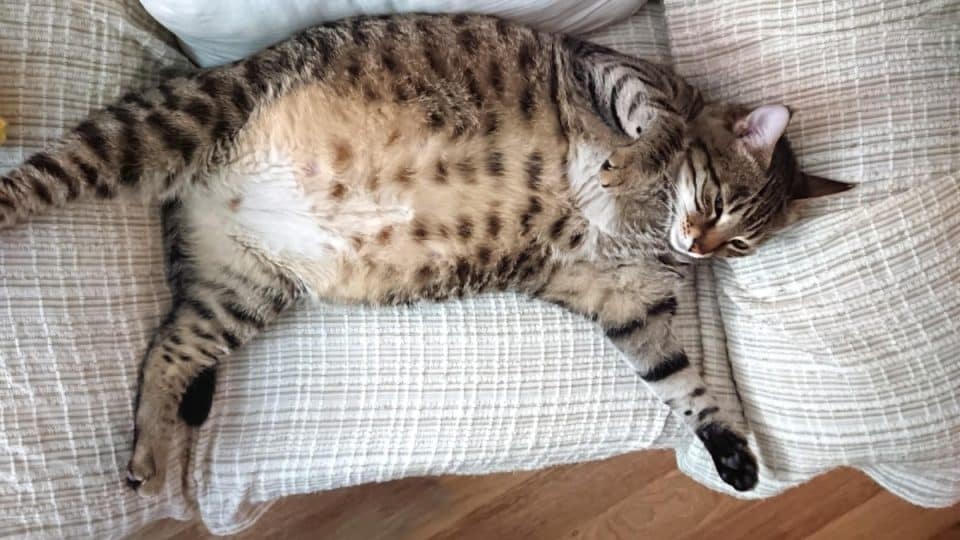
When your cat’s belly feels firm, it can be normal or not. A soft, post-meal roundness is common and goes away in a few hours. A rigid, drum-like, or painful belly is not normal. If your cat flinches, growls, or can’t get comfy, that is a concern.
Think of a normal belly like a plush pillow. A hard belly feels more like a tense drum. Some cats purr through exams, even when unwell. So behavior alone can fool you.
You might still wonder, why is my cat stomach hard if they just ate? It might be simple gas or a big dinner. Or it could be constipation, worms, or fluid buildup. Context is key.

Top reasons your cat’s stomach feels hard (from mild to urgent)
Below are common causes I see most. I’ll note signs you can spot and when to call the vet. If you keep asking why is my cat stomach hard after doing these checks, book an exam.
Post-meal fullness or gas
- Big meal, fast eating, or a new food can cause mild bloat.
- Your cat acts normal, eats, plays, and passes gas or a stool soon.
- Try smaller meals and slow-feed bowls.
Constipation or megacolon
- Dry stools, straining, small pellets, or no poop for 48 hours.
- Belly can feel doughy at first, then firm like a packed snowball.
- Add water and fiber as your vet advises. Chronic cases need meds.
Worms and gut parasites
- Roundworms can cause a pot-belly look, more in kittens.
- You may see worms in stool or vomit. Appetite may change.
- Use a vet-approved dewormer. Avoid random OTC pills.
Pregnancy or false pregnancy
- Unspayed females get a firm, enlarging belly over weeks.
- Nipples swell and pink up. Appetite rises.
- Ask your vet for an ultrasound to confirm and plan care.
Obesity vs true abdominal swelling
- Fat pads are soft and hang under the belly.
- A hard belly that appears fast is not fat.
- If you still ask why is my cat stomach hard and the weight jumped fast, call your vet.
Urinary blockage (emergency, common in males)
- Straining to pee, crying, small dribbles, or no pee at all.
- Lethargy, vomiting, and a firm, painful lower belly.
- This is life-threatening. Seek emergency care now.
Intestinal blockage or foreign body
- String, ribbon, hair ties, or toy parts can get stuck.
- Repeated vomiting, no stool, pain, and a tight belly.
- Do not pull any string. Go to the vet at once.
Pyometra (infected uterus, emergency)
- Unspayed females may have a swollen belly, fever, and discharge.
- Drinking more and acting tired are common.
- Surgery is often needed, and delay is risky.
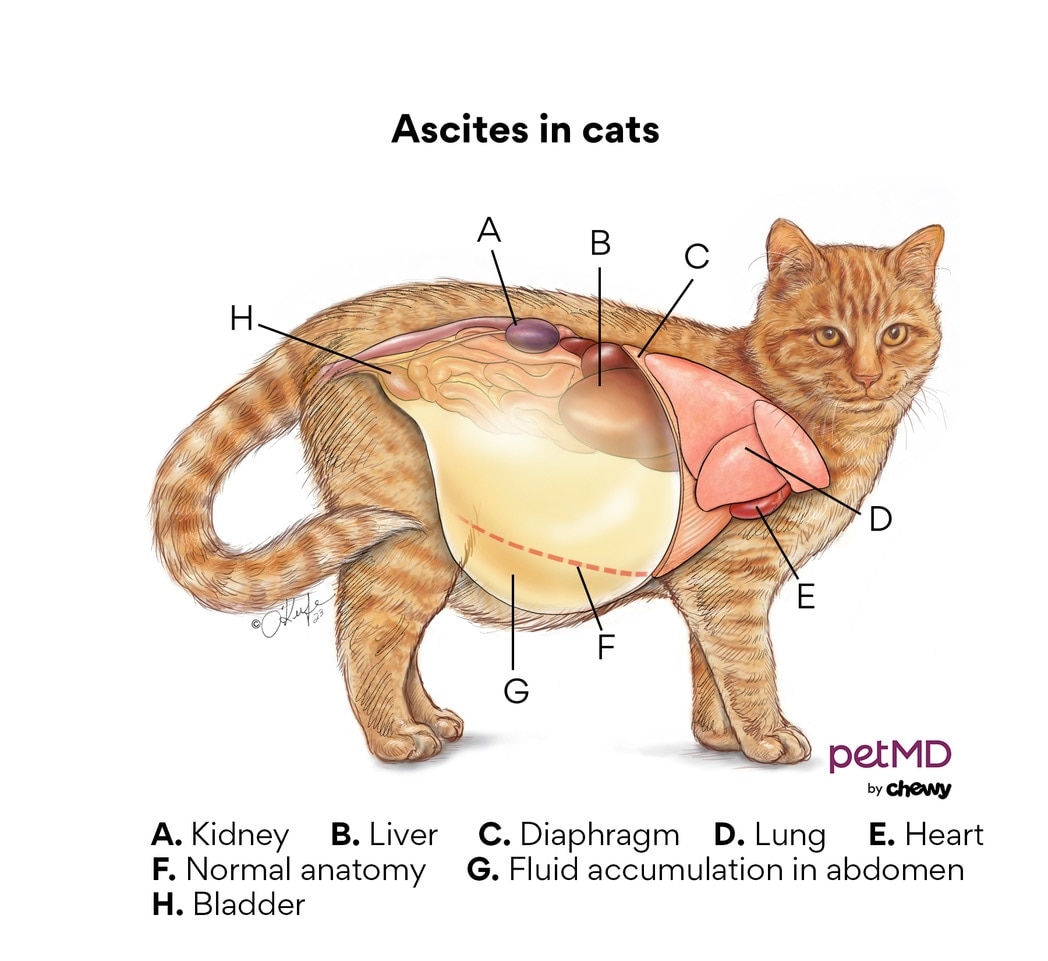
Fluid buildup (ascites) or organ enlargement
– Fluid from heart, liver disease, cancer, or FIP can cause a tense belly.
- Belly feels full and stretched. Breathing may be fast.
- Vet tests can confirm and drain fluid if needed.
If you’re still thinking, why is my cat stomach hard and not going away, do not wait. Time matters with many of these issues.

Quick triage: when to go to the vet now
Call your vet or an ER clinic if you see:
- Repeated vomiting, drooling, or dry heaves
- Crying when touched, hiding, or sudden lethargy
- Straining to urinate or not peeing at all
- Open-mouth breathing or fast, shallow breaths
- A sudden, big, hard belly that does not soften
Wondering why is my cat stomach hard plus these red flags? That combo can be urgent. Trust your gut and call.

Safe at-home checks before the appointment
You can do a few gentle checks. Keep it calm and short.
- Look, don’t poke. Watch how your cat moves, rests, and breathes.
- Feel gently with flat fingers. Note if the belly is soft, firm, or rigid.
- Check the litter box. Any stool? Pebbles? Mucus? Any pee?
- Note appetite, water intake, and energy over the last 24 hours.
- Check gums. Healthy gums look pink and moist, not white or blue.
If you keep asking why is my cat stomach hard after these checks, write notes for your vet. Details help a lot.

What your vet may do to find the cause
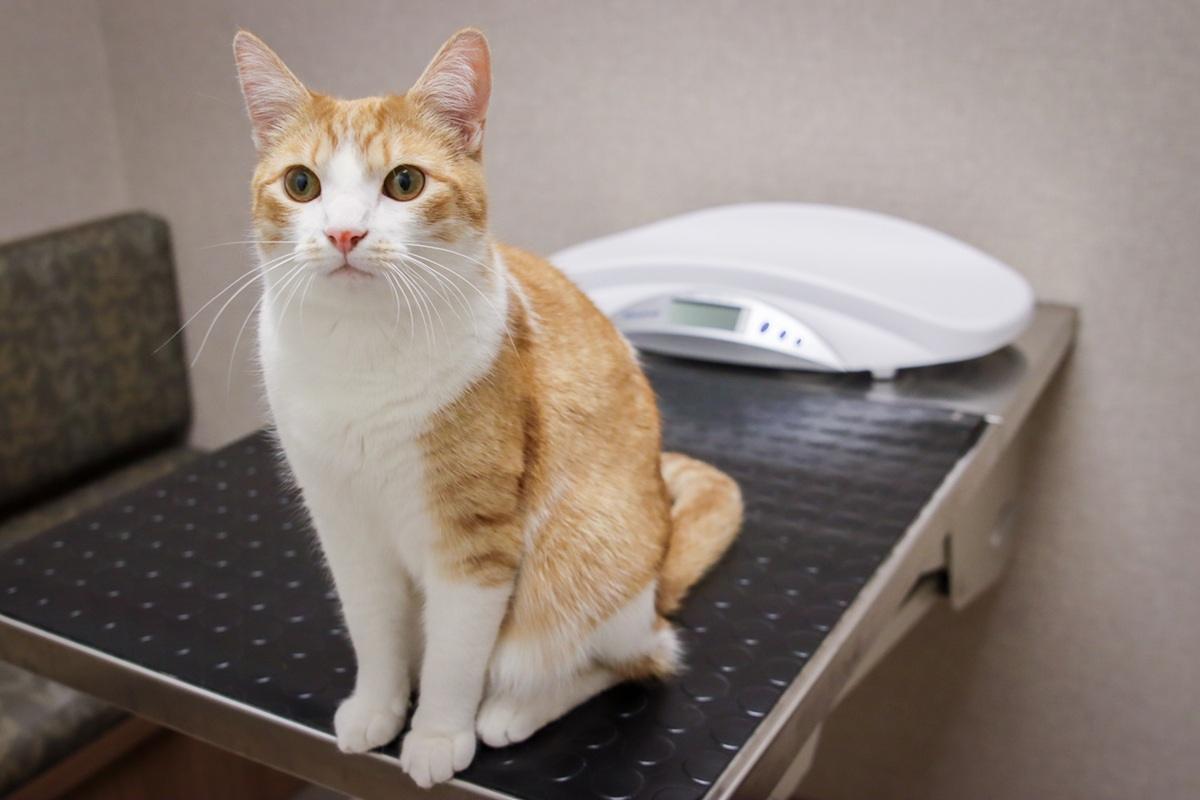
Vets use fast, smart steps to get answers.
- Exam and gentle palpation to map pain and firmness
- X-rays to spot gas patterns, constipation, or foreign bodies
- Ultrasound to check organs, fluid, or pregnancies
- Blood work to check kidneys, liver, and infection signs
- Urinalysis and bladder scan if pee trouble shows up
- Fecal tests for worms and other parasites
Asking why is my cat stomach hard is a great start. Testing turns a guess into a plan.
Treatment options and real-world fixes
Treatment depends on the cause. Here is what to expect.
- Constipation: Fluids, stool softeners, fiber, and diet changes. Severe cases may need enemas at the clinic.
- Parasites: Vet dewormers by weight and repeat dosing. Clean boxes and wash bedding.
- Urinary blockage: Emergency care, catheter, pain control, and fluids. Diet changes after.
- Foreign body: Surgery or endoscopy. Prevent access to strings, hair ties, and tinsel.
- Pyometra: Emergency spay and antibiotics. Do not delay.
- Fluid buildup: Drain fluid, treat the root cause, and monitor breathing.
- Gas or diet issues: Slow-feed bowls, smaller meals, and a gradual food switch.
Do not give human meds like Pepto-Bismol, ibuprofen, or laxatives. Do not force mineral oil. If you still wonder why is my cat stomach hard after first treatment, follow up. Adjusting the plan is normal.
Prevention and daily habits that help
A few steady habits can reduce belly drama.
- Feed a consistent, high-quality diet. Switch foods slowly over 7–10 days.
- Boost water. Try fountains, more bowls, and wet food.
- Add gentle fiber if your vet okays it. Some cats need hairball help.
- Keep active play daily. Movement keeps the gut moving too.
- Deworm on schedule. Keep fleas down to lower tapeworm risk.
- Spay or neuter at vet-advised ages.
- Cat-proof the home. Hide string, ribbon, tinsel, and thread.
- Track stool and pee daily. Your litter box is a health log.
If you ask why is my cat stomach hard every few weeks, prevention and logs will help your vet spot patterns.

What I’ve learned from real cases
A sweet Maine Coon came in with a belly like a packed suitcase. He was constipated from low water and a sudden food swap. We added fluids, a stool softener, and a slow switch. His owner now logs stools like a proud sports stat.
A young male cat arrived howling and trying to pee. His belly felt tight low down. It was a urinary blockage. He got fast care and bounced back. The lesson: if you think why is my cat stomach hard and he can’t pee, do not wait.
Frequently Asked Questions of why is my cat stomach hard
Why is my cat stomach hard after eating?
It might be a big meal, air gulping, or a food change. It should soften within a few hours and your cat should act normal.
Why is my cat stomach hard and not pooping?
Constipation is likely, but dehydration or megacolon can be behind it. If no stool for 48 hours or there is pain, call your vet.
Why is my cat stomach hard but he is still playful?
Mild gas or a full meal can feel firm, yet your cat can still play. If it stays hard, grows, or becomes painful, get an exam.
Why is my cat stomach hard and she is not spayed?
Consider pregnancy or pyometra. If she seems sick, has discharge, or the belly grew fast, see a vet now.
Can worms make my cat’s belly hard?
Yes. Roundworms can cause a pot-belly look and mild firmness, more in kittens. A fecal test and proper dewormer fix it.
Should I massage a hard cat belly?
No. If the cause is pain, blockage, or infection, massage can worsen it. Keep your cat comfy and call your vet instead.
Conclusion
A hard cat belly can be simple or serious. Context, speed of onset, and your cat’s behavior tell the story. If you keep asking why is my cat stomach hard and see pain, vomiting, or pee trouble, act fast.
Use the checks above, call your vet when red flags show, and set steady daily habits. Your cat can feel better, and you can relax. Want more cat health tips like this? Subscribe, share your experience in the comments, and tell me what topic you want next.