
Pain, stress, dirty boxes, or blockage make cats skip the litter box.
If you’re asking why is my cat not peeing in litter box, you’re in the right place. I’ve helped many worried cat parents fix this exact problem. We’ll sort urgent red flags from simple fixes. We’ll cover health, behavior, litter strategy, and real steps that work. Stick around for clear answers, a bit of humor, and a plan your cat will actually approve.
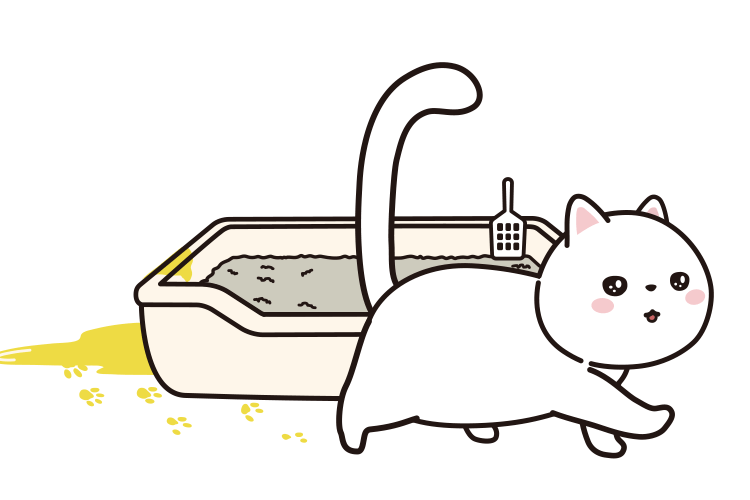
Why is my cat not peeing in litter box? Spot the emergency first
Before we talk litter brands and feng shui, rule out a medical crisis. A blocked cat is an emergency. If your cat strains with little or no urine, cries, hides, vomits, or licks the genitals a lot, call the vet now. Male cats face higher blockage risk, but any cat can be in trouble.
Quick triage checklist:
- Straining but no pee, going in and out of the box, or yowling. Emergency.
- Pee is bloody, very small amounts, or you see drips on floors. Urgent vet visit.
- Peeing on soft spots like beds or rugs but normal flow. Likely stress or box issues.
If you wonder why is my cat not peeing in litter box and you see pain or tiny output, do not wait. Hours matter with urinary blockage. Fast care can save a life.

Medical reasons your cat avoids peeing in the box
Cats avoid boxes when peeing hurts or feels risky. Pain makes boxes scary. That link is strong and fast in cat brains.
Common medical causes:
- Feline lower urinary tract disease. Inflammation of the bladder makes peeing burn. Stress is a big trigger.
- Urethral blockage. Crystals, plugs, or swelling block flow. This is life-threatening and needs a vet right away.
- Urinary tract infection. More common in older cats or those with other issues.
- Bladder stones. These irritate the lining and can block the urethra.
- Kidney disease or diabetes. More pee, thirst, and accidents near the box.
- Arthritis or injury. Jumping into a tall box hurts, so the carpet wins.
- Post-surgery pain or certain meds. Short-term confusion or discomfort can derail habits.
Vets test urine, blood, and may do X-rays or an ultrasound. That helps sort pain, infection, stones, or blockage. If you keep asking why is my cat not peeing in litter box, start with a vet exam to protect your cat and your sanity.

Behavioral and environmental triggers that push peeing outside the box
Sometimes the box is the bad guy. Or the living room feels like a war zone. Cats read the room like tiny, furry risk managers.
Top triggers I see:
- Dirty or stinky boxes. Cats have standards. Scoop daily. They mean it.
- Litter type aversion. Strong scents, big pellets, or dusty clay can be a hard no.
- Box is too small, covered, or has a liner. Tight, echoey caves are not fun bathrooms.
- Bad location. Next to the washer? By a noisy hallway? Cats prefer quiet and escape routes.
- Not enough boxes. One box for two cats invites lines, fights, and “creative” solutions.
- Social stress. Bully cat guards the box. Your shy cat pees on your bathmat instead.
- Big life changes. New baby, new sofa, new job hours. Stress hits the bladder first.
If you wonder why is my cat not peeing in litter box and medical issues are clear, fix the space and the vibes. The box should feel safe, clean, and easy to use.
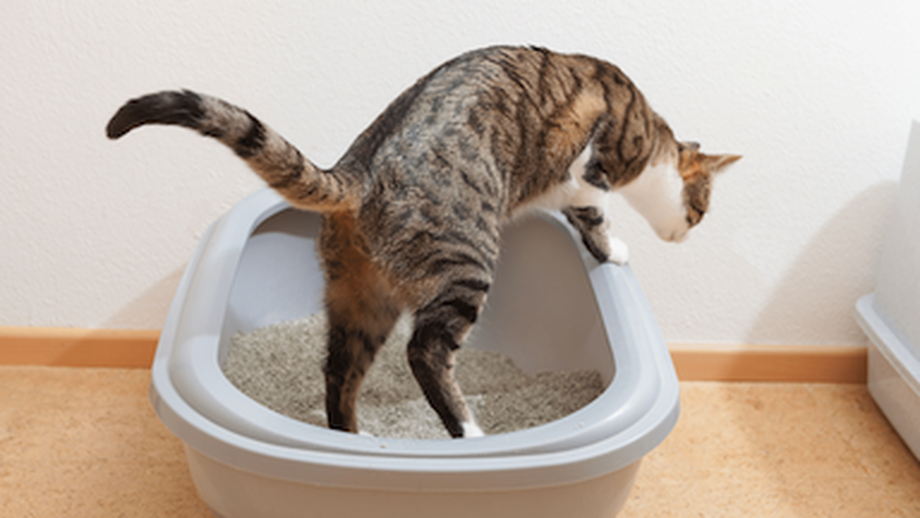
Litter box setup your cat will actually use
This is the part where small changes keep your floors dry. Think cat-first design.
Do this:
- Box count. One per cat, plus one. On each floor if you have stairs.
- Size. At least 1.5 times your cat’s length nose to tail base. Bigger wins.
- Style. Uncovered, high sides for kickers, one low entry for seniors.
- Litter. Unscented, clumping, fine-grain. Depth of 2 to 3 inches.
- Location. Quiet, separate, and easy to reach. Not next to food or loud machines.
- Avoid. Scented litters, liners that crinkle, mats that feel weird, and tight corners.
If you keep thinking why is my cat not peeing in litter box, measure the box and check the path to it. If you would not use that bathroom at a concert venue, your cat will not either.

Cleaning, retraining, and stress relief plan
Clean is kind. Routine is magic. Rewards beat scolding every time.
Daily and weekly:
- Scoop 1 to 2 times a day. Top up litter as needed.
- Wash boxes weekly with mild soap and warm water.
- Use enzyme cleaners on accidents. Blot first. No ammonia cleaners.
- Block old pee spots with play zones, beds, or a litter box placed there short-term.
Retraining steps:
- Add one or two new ideal boxes where accidents occur.
- Gradually move the new box to a better spot over a week.
- Praise and give a tiny treat after each box visit you see.
- No punishment. It breaks trust and raises stress.
Stress relief:
- Play 10 to 15 minutes, twice a day. Think prey: stalk, chase, catch.
- Food puzzles to slow meals and add fun.
- More vertical space and hiding spots. One safe zone per cat.
- Consider pheromone diffusers. Some cats relax with them.
- Wet food and a water fountain help bladder health.
A quick story: My orange tabby, Nacho, chose my gym bag as his “backup toilet.” I asked why is my cat not peeing in litter box, then found the bag sat where the bully cat liked to nap. I added a big open box by that door, ran daily play sessions, and fed them apart. Nacho went back to the box in three days. My shoes forgave him in five.

Vet visit: what to expect and how treatment helps
Your vet will ask about timing, litter type, stress, and water intake. Expect a urinalysis, maybe a culture, blood work, and imaging. They look for crystals, infection, stones, and inflammation.
Common treatments:
- Pain control and anti-spasmodics for bladder inflammation.
- Fluids and urinary diets to dilute minerals and soothe the bladder.
- Antibiotics only if tests confirm infection.
- Unblock in hospital if there’s a plug. A catheter relieves pressure and lets healing start.
- Short-term anxiety meds in some stress-heavy cases.
- Follow-up checks to keep things on track.
Vets follow clear guidelines to choose the right plan. If you still ask why is my cat not peeing in litter box after treatment, share a pee diary, photos of your box setup, and video of litter habits. That helps the team fine-tune care.
Prevention checklist you can start today
A few steady habits beat one big cleanup day.
Do this:
- Scoop daily and deep clean weekly.
- Use big, open boxes with unscented, clumping litter.
- Offer at least one box per cat, plus one, in calm spots.
- Feed mostly wet food and add a fountain for more sipping.
- Keep routine times for meals, play, and sleep.
- Reduce stress during changes. Add extra boxes before guests or moves.
- Watch weight. Active, lean cats pee better.
- Schedule yearly vet checks, or more often for seniors.
If you ask why is my cat not peeing in litter box, this list covers the top fixes you control at home. Small steps, big peace.
Frequently Asked Questions
How do I tell blockage from a simple litter issue?
If your cat strains with little or no urine, cries, or seems very restless or lethargic, go to the vet now. A blockage is an emergency and needs fast care.
How many litter boxes do I need?
Have one box per cat, plus one extra. Spread them out so one cat cannot guard all the bathrooms.
What litter is best for picky cats?
Most cats prefer unscented, clumping, fine-grain litter. Start simple, then test new brands in a second box.
Should I punish my cat for peeing outside the box?
No. Punishment raises stress and makes the problem worse. Reward box use and fix the setup instead.
Can stress alone cause a cat to avoid the box?
Yes. Stress can inflame the bladder and change habits. Add play, safe spaces, routine, and calm introductions to change.
Why does my cat pee on soft things like beds or laundry?
Soft items soak better and smell like you, which feels safe. Place a box nearby short-term and close bedroom doors while retraining.
When should I see a vet about peeing issues?
See a vet at the first sign of straining, blood, pain, or tiny pee clumps. Early help fixes problems faster and prevents emergencies.
Conclusion
Cats avoid litter boxes for two big reasons: it hurts, or the box setup stinks. Rule out a medical emergency first, then make the box clean, big, quiet, and easy. Add play, routine, and water, and you stack the deck for success.
Act today. Scoop, resize a box, add a calm spot, and book a vet check if needed. If this helped, share your own win, subscribe for more cat-savvy tips, and drop your “why is my cat not peeing in litter box” story in the comments. Your lesson could save a sofa—and a life.