Have you ever noticed water dripping from the edges of your roof, even when your gutters seem clear? You might be missing a crucial component—gutter flashing.
Understanding what gutter flashing is and how it works can save you from costly repairs and headaches down the line. By the end of this article, you’ll know exactly what gutter flashing is, why it’s essential for your home, and how it can protect your roof and walls from water damage.
Curious to learn more? Keep reading to discover how this simple, yet vital, element can make a significant difference in the longevity and health of your home.

Credit: colonyroofers.com
Gutter Flashing Basics
Ever wondered why some homes have gutters that seem to last forever while others don’t? The secret might lie in the often-overlooked detail of gutter flashing. This essential component plays a crucial role in ensuring your gutters perform optimally and protect your home from water damage.
Gutter flashing is more than just a strip of metal. It’s your home’s silent defender against water intrusion. By properly installing gutter flashing, you’re not just preventing leaks, but also saving your home from costly repairs in the future.
Imagine visiting a friend’s home during a rainy day. You notice water cascading down their walls, staining the paint. It turns out their gutters lacked proper flashing. This small oversight led to significant damage. You definitely don’t want this scenario at your home.
Let’s dive into some fundamental aspects of gutter flashing.
What Is Gutter Flashing?
Gutter flashing is a thin piece of material, often metal, installed along the roofline. It directs water away from your home’s foundation. This simple addition can prevent serious issues such as mold, rot, and structural damage.
Think of gutter flashing as a guiding path for rainwater. Instead of letting water seep into vulnerable areas, flashing ensures it flows directly into the gutters. This helps maintain the integrity of your home’s structure.
Why Is Gutter Flashing Important?
Water damage is a homeowner’s nightmare. Gutter flashing acts as a safeguard against this threat. Without it, you risk water penetrating your roof and walls, leading to costly repairs.
Consider a roof without flashing during a heavy storm. Water can easily find its way into the crevices, causing damage over time. This can lead to unexpected leaks and even foundation issues.
How To Choose The Right Gutter Flashing
Choosing the right gutter flashing involves considering factors like material, size, and installation method. Metal flashing, such as aluminum or galvanized steel, is popular due to its durability and resistance to rust.
Size matters too. Ensure the flashing extends adequately over the gutters to effectively channel water. Improper sizing can lead to inefficiency and potential water damage.
Installation Tips For Gutter Flashing
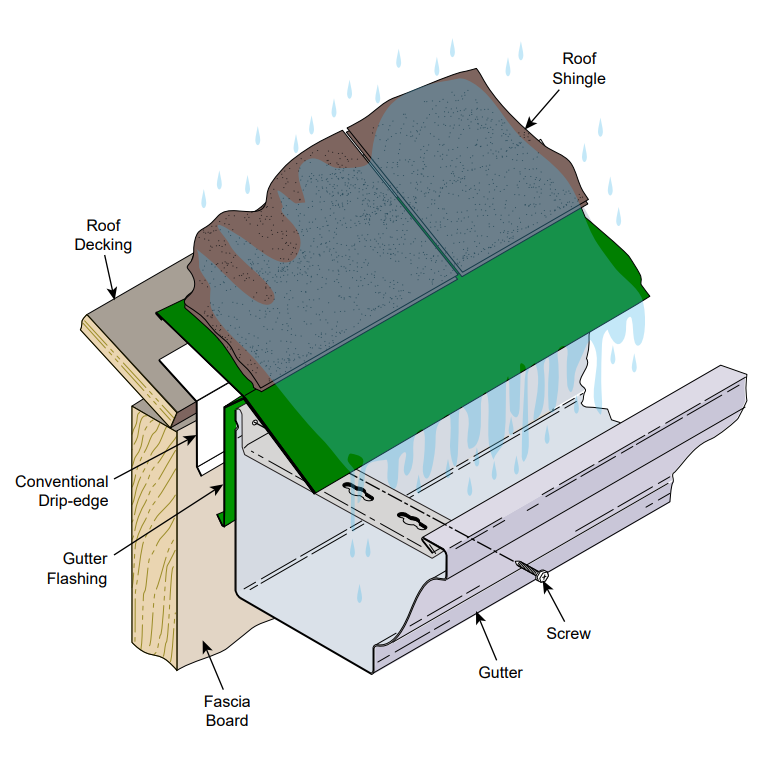
Proper installation is key to maximizing the benefits of gutter flashing. Make sure flashing is securely attached to the roof edge and overlaps the gutter. This prevents water from slipping behind the gutter.
If you’re a DIY enthusiast, ensure you have the right tools and follow manufacturer guidelines. For those less inclined, hiring a professional can save time and ensure a perfect fit.
Common Mistakes To Avoid
Avoid using incorrect materials. Not all metals withstand the elements equally. Ensure your flashing is resistant to weathering and corrosion.
Don’t skimp on overlapping. Proper overlap ensures water doesn’t sneak behind the gutter, which can lead to damage.
By understanding these basics, you’re well on your way to protecting your home from water damage. Think about your current setup. Is your home equipped with proper gutter flashing? If not, it might be time to consider this small yet impactful upgrade. Your home’s longevity might just depend on it.

Credit: www.fox-guard.com
Importance Of Gutter Flashing
Gutter flashing plays a vital role in maintaining a home’s integrity. It is a thin metal strip that directs water away from the roof and walls. Proper installation can prevent costly repairs and safeguard the property.
Prevents Water Damage
Water damage can ruin a home quickly. Gutter flashing stops water from seeping into the roof and walls. It acts as a barrier, keeping moisture at bay. By directing water away, it prevents leaks and dampness.
Enhances Roof Longevity
A roof faces many challenges from rain and snow. Without proper protection, it can wear down fast. Gutter flashing adds an extra layer of defense. It shields the roof from harsh weather, extending its life.
Protects Foundation
A strong foundation is crucial for any building. Water accumulation can weaken it over time. Gutter flashing ensures water flows away from the base. This protection keeps the foundation stable and secure.
Types Of Gutter Flashing
Gutter flashing is essential for protecting homes from water damage. There are various types of gutter flashing available. Each type offers unique benefits. Understanding these differences helps in choosing the right material. This section explores three popular types of gutter flashing.
Aluminum Flashing
Aluminum flashing is lightweight and durable. It resists rust, making it ideal for wet climates. Installation is straightforward due to its flexibility. This material is cost-effective, fitting most budgets. Its sleek appearance complements modern homes. Regular maintenance ensures long-lasting performance.
Copper Flashing
Copper flashing is known for its elegant look. It develops a unique patina over time. This adds character to homes. Copper is highly durable and resistant to corrosion. It lasts longer than other materials. Its installation requires skilled professionals. The cost is higher, but the longevity is unmatched.
Vinyl Flashing
Vinyl flashing is budget-friendly and easy to install. It is perfect for DIY enthusiasts. This material is lightweight and flexible. It does not rust or corrode. Vinyl is ideal for homes in mild climates. Its durability varies with exposure to elements. Regular checks help maintain its condition.
Installation Process
Gutter flashing prevents water damage by directing rainwater away from the roof. Proper installation involves placing it beneath the roof shingles, ensuring a seamless flow into the gutter. This protects the structure from leaks and enhances the roof’s durability.
Installing gutter flashing might seem like a daunting task, but with the right tools and a clear plan, it can be a straightforward process. Understanding the steps involved in this installation can save you time and prevent future issues with water damage. Whether you’re a DIY enthusiast or just looking to understand the process better, knowing how to install gutter flashing properly is essential for maintaining a healthy home.Necessary Tools
Before you begin the installation, gather the essential tools. You’ll need a measuring tape to ensure accuracy in placement. A sturdy ladder is crucial for safely reaching your gutters. Have a hammer and nails ready for securing the flashing, along with a pair of tin snips for cutting the material to size. Finally, don’t forget gloves to protect your hands and a sealant to waterproof the edges.Step-by-step Guide
To start, measure the length of your gutters to determine how much flashing you’ll need. Cut the flashing to size using your tin snips. Next, position the flashing under the edge of your shingles and over the gutter. Ensure it extends slightly into the gutter to direct water appropriately. Secure the flashing in place by nailing it along the edge, maintaining even spacing between nails. Finally, apply a sealant along the top edge to prevent leaks.Common Mistakes To Avoid
One common mistake is cutting the flashing too short. Always measure twice to avoid this error. Another error is failing to overlap sections of flashing, which can lead to water seeping through the gaps. You might be tempted to skip sealing the edges, but this step is crucial for waterproofing. Lastly, using improper nails can lead to rusting; always use galvanized nails for longevity. Have you ever installed something and realized you missed a step halfway through? By being mindful of these common pitfalls, you can ensure a successful gutter flashing installation on your first try. Your gutters will thank you, and so will your home’s foundation.Maintenance Tips
Gutter flashing is crucial for protecting your home from water damage. Maintaining it ensures longevity and effectiveness. Regular upkeep prevents costly repairs and keeps your home safe. Below are essential maintenance tips for gutter flashing.
Regular Inspections
Inspect gutter flashing at least twice a year. Look for signs of wear and tear. Check for rust, holes, or loose sections. Early detection helps prevent bigger issues. Use a ladder safely when inspecting. Consider professional help if unsure about safety.
Cleaning Guidelines
Clean gutters to remove leaves and debris. Clogged gutters affect flashing performance. Use a garden hose to clear out dirt. A trowel can help with stubborn debris. Wear gloves to protect your hands. Regular cleaning prevents water overflow.
Repair Techniques
Repair minor leaks with sealant or patch kits. For larger holes, consider replacing damaged sections. Tighten loose screws or nails to secure flashing. Consult a professional for complex repairs. Proper repairs extend the life of gutter flashing.
Signs Of Gutter Flashing Problems
Gutter flashing is a crucial component in protecting your home from water damage. However, like any part of your house, it can develop issues over time. Recognizing the signs of gutter flashing problems early can save you from costly repairs and headaches. Let’s dive into some of the common indicators you should watch out for.
Leaks And Drips
Have you noticed water dripping from places it shouldn’t? Leaks and drips are often the first sign that your gutter flashing might be compromised. You might spot water trickling down the sides of your house even when it hasn’t been raining. This can lead to water pooling around your foundation, potentially causing significant damage.
Inspect your gutters during a rainstorm. Are they directing water away from your home effectively? If not, it might be time to look closer at your gutter flashing.
Rust And Corrosion
Metal flashing can fall victim to rust and corrosion over time. This is especially true if you live in an area with high humidity or frequent rainfall. Rust weakens the metal, making it susceptible to leaks.
Check for any discoloration or flaking on your gutters. These are tell-tale signs of corrosion. You might think a little rust is harmless, but it can quickly escalate into larger problems.
Sagging Gutters
Sagging gutters are more than just an eyesore. They indicate that the gutter flashing might not be doing its job. When gutters sag, they can’t effectively channel water away from your home, increasing the risk of water damage.
Stand back and take a look at the alignment of your gutters. Are they straight and level? If you notice any sagging, it might be time for a closer inspection of the gutter flashing.
Have you ever tackled gutter issues at home? What did you find most challenging? Share your experiences below and let’s discuss how to keep our homes safe from water damage!
Choosing The Right Materials
Choosing the right materials for gutter flashing is crucial. The materials you select can impact the longevity and effectiveness of your gutters. This decision can affect your home’s protection against water damage. Selecting the right materials also influences installation costs and environmental considerations.
Factors To Consider
Material quality is essential. Choose materials that resist corrosion and wear. Consider local climate conditions. Some materials handle extreme weather better. Check compatibility with existing roofing materials. This ensures seamless integration.
Cost Vs. Durability
Balancing cost and durability is important. Cheaper materials might save money initially. They may not last as long. Investing in durable materials can reduce long-term repair costs. Evaluate your budget against potential maintenance needs. Durable materials often provide better protection.
Environmental Impact
Consider eco-friendly options. Some materials are recyclable. Others have a smaller environmental footprint. Choosing sustainable materials can lessen environmental harm. Look for products made from recycled materials. This choice supports environmental responsibility.
Credit: gutterflash.com
Professional Vs. Diy Installation
Gutter flashing is a crucial component in protecting your home from water damage. Professional installation ensures precise fitting and durability, while DIY methods might save money but risk improper sealing. Choose wisely based on your skill level and budget.
When it comes to ensuring your home is well-protected from water damage, gutter flashing plays a vital role. It’s that thin piece of material that helps direct water away from your roof and into your gutters. But the big question is: should you tackle this project yourself or hire a professional? Let’s dive into the pros and cons, cost considerations, and when you might want to call in the experts.Pros And Cons
Taking the DIY route can be quite fulfilling. You get to learn a new skill and potentially save some cash. But, it’s not without challenges. If you lack experience, you might install the flashing incorrectly, leading to leaks or water damage. On the other hand, a professional brings expertise and precision, ensuring the job is done right the first time. However, hiring a pro comes at a higher cost.Cost Comparison
The cost of DIY installation is generally limited to the materials and tools. You might spend around $100-$200 depending on the quality of the materials. Professional installation, however, can range from $300 to $800. This might sound steep, but remember, it also includes peace of mind and warranty on their work. Weighing these costs against potential long-term damage can help you make a smart decision.When To Hire A Professional
If your roof is steep or particularly high, safety becomes a major concern. In such cases, hiring a professional is wise. Also, if you’re dealing with complex roof designs or have noticed existing leaks, a professional’s expertise can be invaluable. They can spot potential issues that you might overlook. Remember, your home is a significant investment—sometimes it’s better to ensure its safety with expert hands. Have you ever tackled a home project and wished you had called a professional? Share your experience in the comments!Frequently Asked Questions
What Is Gutter Flashing Used For?
Gutter flashing prevents water damage by directing rainwater away from roofs. It seals gaps between gutters and the roofline.
How Does Gutter Flashing Work?
Gutter flashing channels water into the gutters. It stops leaks by sealing seams. Protects the roof from damage.
Can Gutter Flashing Prevent Roof Leaks?
Yes, gutter flashing stops leaks by sealing gaps. It redirects water flow into gutters. Keeps your roof safe.
Is Gutter Flashing Easy To Install?
Gutter flashing is simple to install with basic tools. Follow instructions carefully. Ensure proper alignment for best results.
Why Is Gutter Flashing Important?
Gutter flashing is crucial for water management. It prevents leaks and damage. Ensures gutters work efficiently. Protects your home.
Conclusion
Gutter flashing plays a vital role in protecting your home. It keeps water away, preventing leaks and damage. Installing flashing ensures gutters function effectively. Regular maintenance is crucial to avoid costly repairs. Check gutters often for signs of wear. A small fix can prevent big problems later.
Investing time in gutter care saves money. A well-maintained gutter system boosts home longevity. Take action now for peace of mind. Secure your home’s future with proper gutter flashing. Keep water where it belongs. On the outside, not inside. Protect your home, protect your investment.