
Imagine walking into your bathroom only to find a small puddle of water forming around your toilet base. Panic sets in as you realize something’s leaking, and it’s coming from the toilet coupling nut.
You’re not alone in this scenario, and the good news is, you’re about to discover how to tackle this common household issue with confidence. Why let a simple leak create unnecessary stress and potential damage in your home? This guide is designed with you in mind, offering clear, straightforward solutions that you can apply immediately.
By understanding the causes and solutions for a leaking toilet coupling nut, you’ll save both time and money. Read on to equip yourself with the knowledge you need to fix that leak, ensuring peace of mind and a dry bathroom floor. Your journey to mastering this plumbing fix starts here.
Identifying The Leak Source
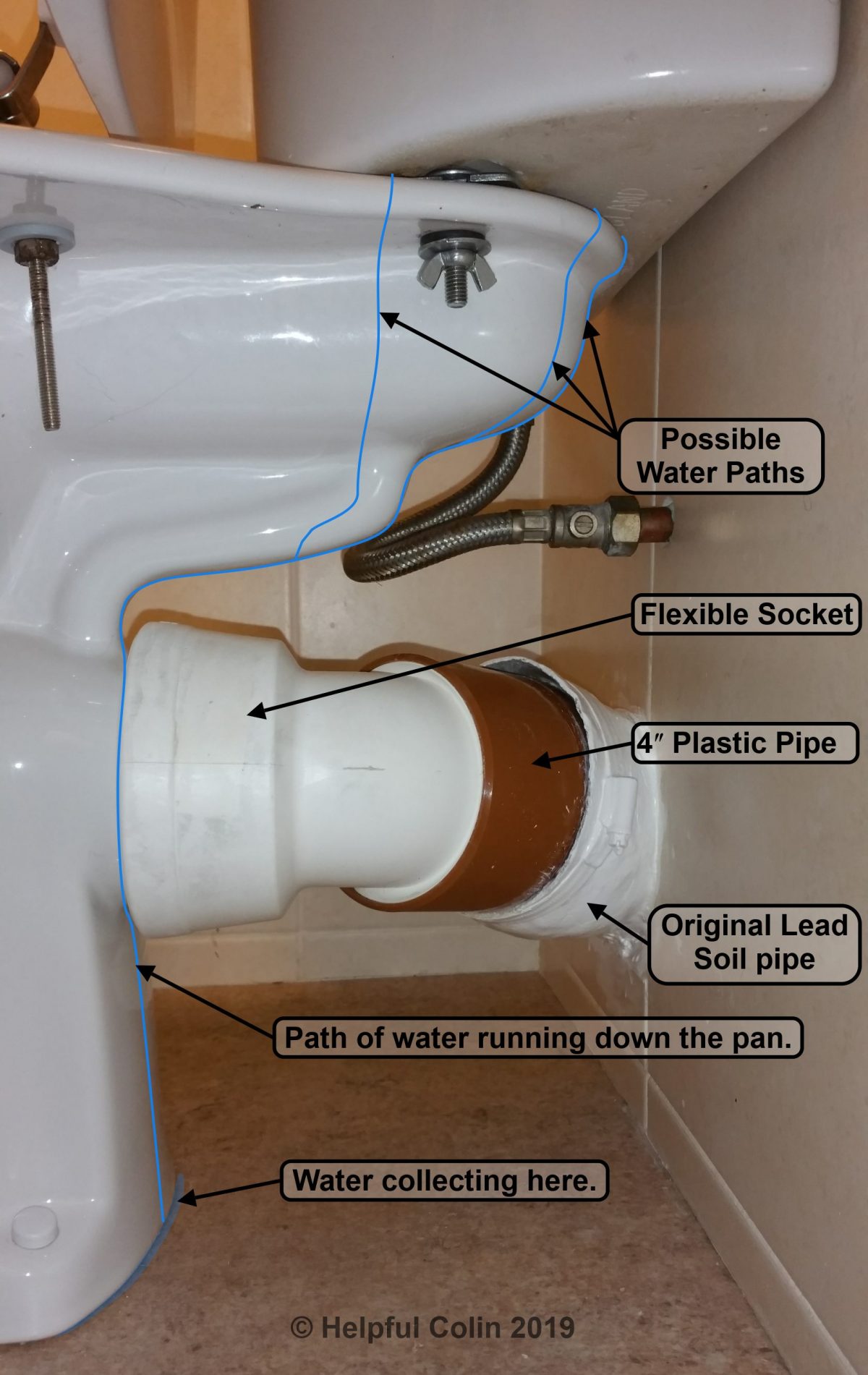
Toilet leaks can be puzzling. Especially when they stem from a coupling nut. This small component connects the tank to the bowl. Identifying the leak source is crucial for fixing the issue. Knowing what to look for saves time and effort. It helps prevent bigger problems down the line. Let’s dive into the signs of a leaking coupling nut. And what tools are needed for a proper inspection.
Common Signs Of A Leaking Coupling Nut
Water pooling around the toilet base is a telltale sign. You may notice a slow drip from beneath the tank. Sometimes, the floor around the toilet feels damp. A persistent water puddle is another indicator. Listen for unusual sounds after flushing. Sometimes, you hear hissing or dripping. These sounds suggest a leak somewhere. Inspect for rust or corrosion on the nut or bolts. This often signals water exposure.
Tools Needed For Inspection
You need a flashlight. It helps spot hidden leaks. A dry towel is essential. It wipes away water to reveal new leaks. Use a wrench to tighten loose nuts. Check for damage with a magnifying glass. A pair of pliers may also come in handy. They grip and hold parts during inspection. Keep a bucket nearby to catch water. Avoid slipping accidents. These tools ensure a thorough inspection.
Credit: helpfulcolin.com
Preparing For Repair
Preparing for a repair is essential when dealing with a leaking toilet coupling nut. While it might seem daunting, breaking down the process into manageable steps can make the task straightforward. Taking the time to prep properly ensures not only a successful repair but also saves you from potential headaches down the line.
Safety Precautions
Before diving into the repair, prioritize safety. Make sure the water supply to the toilet is turned off. This prevents any unwanted surprises like water spraying everywhere. Wear gloves to protect your hands from sharp edges or grime. Remember, cleanliness is key when working with plumbing fixtures.
Gather Necessary Tools
Having the right tools at hand is crucial for a smooth repair process. You’ll need a wrench, preferably an adjustable one, to loosen or tighten the coupling nut. A towel or sponge will help to clean any residual water. Having a small container nearby can catch any drips that might occur. Being prepared reduces stress and keeps the repair efficient.
Think back to a time when you tackled a DIY project and wished you had the right tools from the start. That moment taught you the value of preparation. Apply that lesson here, and you’ll find the repair process less daunting and more rewarding.
Have you ever fixed a leak before? What tools did you wish you had then that you now know to keep close? Preparing for repair is not just about fixing the issue at hand but also learning from past experiences to improve future outcomes.
Fixing The Coupling Nut
Dealing with a leaking toilet can be frustrating. The culprit is often a loose or faulty coupling nut. Fixing this issue can save water and prevent further damage. Here, we will explore the steps to fix a leaking toilet coupling nut effectively.
Tightening The Nut
A common cause of leaks is a loose coupling nut. Use a wrench to tighten it. Be gentle to avoid cracking the nut or tank. A snug fit is ideal. Over-tightening can damage parts.
Replacing The Washer
If tightening doesn’t help, the washer might be worn. Turn off the water supply. Unscrew the coupling nut and remove it. Take out the old washer and inspect it. Replace it with a new one of the same size. Reassemble the parts and tighten the nut.
Using Plumber’s Tape
For persistent leaks, plumber’s tape can seal gaps. Remove the coupling nut and clean the threads. Wrap the threads with plumber’s tape. Two or three layers should suffice. Reattach the coupling nut and ensure it’s tight.
Credit: www.reddit.com
Testing For Leaks
A leaking toilet coupling nut can cause water wastage and damage. Regular checks ensure everything stays dry and secure. Tighten the nut gently to prevent further leaks and maintain the toilet’s efficiency.
Testing for leaks in your toilet’s coupling nut is a crucial step in maintaining a leak-free bathroom. A small leak can lead to bigger issues over time, wasting water and potentially damaging your floor. It’s a simple task, but it requires your full attention and a bit of patience.
Reassemble And Test
After tightening or replacing the coupling nut, it’s essential to reassemble the toilet parts carefully. Start by ensuring all components are in their correct positions. Once everything is back in place, turn the water supply back on. Watch closely as the tank fills up. Does everything look dry and secure? Gently flush the toilet and observe the base for any signs of leakage. If you notice water seeping out, it might indicate a loose fit or improper alignment.
Ensuring A Secure Fit
A secure fit is key to preventing future leaks. Double-check that the coupling nut is tightened just right—neither too loose nor too tight, as overtightening can cause damage to the washer. Use a wrench for a firm grip, but stop once you feel resistance. If the coupling nut remains loose after tightening, consider replacing it with a new one. Have you ever had a persistent leak that seemed impossible to fix? Sometimes, the solution is as simple as ensuring every part is snugly fitted. Proper alignment and secure connections can save you from unnecessary water wastage and costly repairs down the line. Leaky toilets can be a real headache, but by testing for leaks and ensuring a secure fit, you can maintain a dry and efficient bathroom. Your proactive maintenance can prevent small issues from becoming big problems.
Preventative Measures
Regularly check and tighten the toilet coupling nut to prevent leaks. Ensure a snug fit without over-tightening. Replace worn-out washers promptly to maintain a secure seal.
Preventative measures can help avoid costly repairs for toilet leaks. A leaking toilet coupling nut might seem minor, but it can lead to bigger issues. Implementing simple strategies will keep your bathroom dry and your plumbing in good shape. Below, we explore ways to prevent these leaks effectively.
Regular Maintenance Tips
Regular checks are vital to avoid toilet leaks. Inspect the coupling nut and surrounding areas monthly. Look for any signs of wear or moisture. Tighten the nut gently if it feels loose. Avoid over-tightening to prevent damage. Clean the area around the coupling nut regularly. Dirt buildup can cause leaks over time. Use a mild cleaner and a soft cloth for this task. Ensure the bathroom remains a dry environment by fixing any other minor leaks promptly.
Choosing Quality Parts
Quality parts are crucial in preventing leaks. Choose coupling nuts made from durable materials. Brass or stainless steel options are often more reliable than plastic. Check for product reviews or recommendations before purchasing. Ensure compatibility with your toilet model. Incompatible parts can lead to leaks or other issues. When in doubt, consult a professional plumber. They can provide guidance on the best parts for your needs. Investing in quality parts saves money in the long run. It reduces the frequency of repairs and replacements. Remember, a well-maintained toilet ensures peace of mind and a dry bathroom floor.
When To Call A Professional
Sometimes, a leaking toilet coupling nut needs more than a DIY fix. Not every issue is easy to handle alone. If you’re unsure or the leak persists, professional help might be necessary. Understanding when to call a plumber can save time and prevent bigger problems.
Signs Of Major Issues
Persistent water puddles around the toilet base indicate serious problems. Also, if the toilet wobbles or feels unstable, it’s a sign. Strange noises after flushing might mean underlying issues. Water stains on the ceiling below a bathroom suggest a bigger leak.
Benefits Of Professional Repair
Professionals have experience in handling complex plumbing issues. They ensure the problem is fixed correctly and quickly. Hiring a plumber can prevent future leaks and damage. Professionals have the right tools to handle any situation. Plus, they provide peace of mind with their expert solutions.

Credit: diy.stackexchange.com
Frequently Asked Questions
Why Is My Toilet Coupling Nut Leaking?
A loose or damaged coupling nut often causes leaks. Check for cracks or improper installation.
How Do I Fix A Leaking Coupling Nut?
Tighten the nut using a wrench. If it’s cracked, replace it with a new one.
Can A Plumber Help With Toilet Leaks?
Yes, a plumber can fix leaks efficiently. Consider hiring one if you’re unsure about DIY repairs.
Is It Safe To Use Sealant On Leaks?
Using sealant can help temporarily. But it’s better to replace damaged parts for a permanent solution.
How Often Should I Check Toilet Fittings?
Check every few months for leaks or damage. Regular maintenance can prevent bigger issues later.
Conclusion
Fixing a toilet coupling nut leak is straightforward. Check the nut for tightness regularly. Replace worn-out washers promptly. Always use the right tools for adjustments. Clean connections to prevent future leaks. Regular maintenance avoids costly repairs. Seek professional help if needed.
Leaks can waste water and increase bills. Act early to save money and reduce stress. Simple steps can extend your toilet’s life. Keep your bathroom dry and efficient. A little attention goes a long way. Your toilet deserves care and attention.
Stay proactive for a hassle-free experience.