
Baseball is a sport where speed often makes the difference. Every fan knows the excitement of seeing a fastball zip past the batter. But how fast is that pitch, really? This is where a baseball pitch speed calculator becomes useful. Whether you’re a player, coach, parent, or simply a curious fan, understanding pitch speed is a key part of the game. Let’s explore how these calculators work, why they matter, and how you can use them to improve your baseball experience.
What Is A Baseball Pitch Speed Calculator?
A baseball pitch speed calculator is a tool used to estimate how fast a baseball travels from the pitcher’s hand to the catcher’s mitt. These calculators usually take two main pieces of information: the distance the ball travels and the time it takes to travel that distance. By using a simple formula, the calculator gives you the speed, usually in miles per hour (mph) or kilometers per hour (km/h).
Some calculators are simple apps or websites where you enter numbers. Others are built into radar guns or even smartphone apps that use your camera to measure speed. No matter the type, the goal is the same: to tell you how fast the pitch is.
Why Is Pitch Speed Important In Baseball?
Pitch speed is not just a number. It can tell a lot about a pitcher’s skill and development. Here’s why it matters:
- Player Development: Coaches use pitch speed to track a player’s progress. A young pitcher’s increase in speed often shows growing strength and better mechanics.
- Game Strategy: Pitchers with higher speeds can challenge hitters, making it harder for them to react.
- Scouting and Recruitment: Scouts look at pitch speed to judge a player’s potential.
- Injury Prevention: Sudden jumps in speed can sometimes lead to injuries, so tracking speed helps keep players safe.
Beginners often miss that consistent speed is often more valuable than a single fast pitch. Throwing a 90 mph fastball once is less impressive than throwing 85 mph consistently with good control.
How Does A Baseball Pitch Speed Calculator Work?
The main idea is simple physics: speed equals distance divided by time. To use the calculator, you need two measurements:
- Distance: In baseball, the standard pitching distance is 60 feet, 6 inches (from the pitcher’s mound to home plate).
- Time: How many seconds (or milliseconds) it takes the ball to travel that distance.
The formula looks like this:
Pitch Speed (mph) = (Distance in feet / Time in seconds) × 0.682
This 0. 682 factor converts feet per second to miles per hour.
Let’s look at an example:
- If a pitch travels 60.5 feet in 0.45 seconds:
- Pitch Speed = (60.5 / 0.45) × 0.682 ≈ 91.7 mph
Many calculators do this math for you once you enter the numbers.
Types Of Baseball Pitch Speed Calculators
There are several ways to measure pitch speed, and each method has its pros and cons.
1. Manual Calculators
Manual calculators are usually online tools or phone apps. You enter the distance and the time, and the tool gives you the speed. These are easy to use but require you to measure the time yourself.
2. Radar Guns
Radar guns are the most common tool used in professional and youth baseball. They use radio waves to measure the speed of the ball directly. You just point the gun at the pitcher and press a button. Radar guns are very accurate but can be expensive.
3. Smartphone Apps
Many apps use your phone’s camera to estimate pitch speed. You record a video, mark the start and end of the pitch, and the app calculates the speed. These are convenient but can be less accurate if the video quality or frame rate is low.
4. Online Calculators With Stopwatches
Some calculators combine a built-in stopwatch. You start the watch when the pitcher throws and stop it when the ball reaches the catcher. This method depends on your reaction time, so it’s less precise.
5. High-speed Cameras
Professional teams sometimes use high-speed cameras with tracking software. These systems can be extremely accurate but are costly and mostly used at higher levels of play.
Essential Features To Look For In A Pitch Speed Calculator
Not all calculators are equal. If you’re choosing a tool, here are key features to consider:
- Accuracy: The tool should be precise and reliable, especially if you use it for coaching or scouting.
- Ease of Use: Simple interfaces save time, especially for beginners or youth coaches.
- Data Storage: Some calculators let you store speed data for tracking progress.
- Distance Adjustment: Ability to change the pitching distance for younger leagues or different training setups.
- Video Integration: Video-based calculators help confirm the results visually.
- Price: Cost can range from free apps to expensive radar guns.
Many beginners overlook the importance of regular calibration. If the tool is not calibrated, the results can be way off. Always check the device’s accuracy before important sessions.
Step-by-step: How To Use A Baseball Pitch Speed Calculator
Getting a correct speed reading takes more than just a quick measurement. Here’s how to use a calculator effectively:
Step 1: Set Up The Distance
Measure the distance from the pitching rubber to the catcher’s glove. For MLB, it’s 60 feet, 6 inches. For younger players, use the proper distance for their age group.
Step 2: Get Ready To Time
If you’re using a stopwatch or camera, prepare to record the exact moment the pitcher releases the ball and when it crosses home plate.
Step 3: Record The Pitch
Use your radar gun, phone camera, or stopwatch. For radar guns, stand behind the catcher (not to the side) for the most accurate reading.
Step 4: Enter Data
Put the distance and time into the calculator. Many apps and online tools will have fields for these numbers.
Step 5: Analyze The Results
Look at the speed reading. Keep a record if you want to track improvement over time.
Step 6: Repeat For Consistency
One pitch doesn’t tell the whole story. Measure several pitches for a more accurate average.
Pro tip: Human reaction time can add 0.1–0.2 seconds to manual stopwatch readings. This can make the pitch seem much slower. Use technology when possible.
Real-world Examples
Let’s see how pitch speed calculators work in common situations.
Youth Baseball
A 12-year-old pitcher throws from 46 feet. The ball takes 0. 38 seconds to reach the catcher.
Speed = (46 / 0.38) × 0.682 ≈ 82.5 Mph
But this seems high—many youth calculators automatically adjust for age and reaction time, giving a more realistic number (often 50–60 mph). Always check if the calculator is designed for youth baseball.
High School Tryouts
A high school pitcher throws from 60. 5 feet, and the stopwatch shows 0. 50 seconds.
Speed = (60.5 / 0.50) × 0.682 ≈ 82.5 Mph
This is a solid high school fastball.
College Or Pro Training
At higher levels, radar guns are standard, and the focus is on maintaining speeds above 85 mph. Consistency and accuracy in measurement become even more important.
Data Table: Average Pitch Speeds By Age Group
To put pitch speeds in context, here’s a look at typical speeds for different ages.
| Age Group | Typical Pitch Speed (mph) | Top Pitchers (mph) |
|---|---|---|
| Little League (9-12) | 40-55 | 60+ |
| Middle School (13-14) | 55-65 | 70+ |
| High School (15-18) | 70-85 | 90+ |
| College | 80-90 | 95+ |
| Professional | 85-95 | 100+ |

Credit: www.greggio.com
Common Mistakes When Measuring Pitch Speed
Many people new to baseball pitch speed calculators make some easy-to-avoid mistakes:
- Wrong Distance: Not all leagues use the same pitching distance. Double-check before measuring.
- Late or Early Timing: If you start or stop the stopwatch too soon or too late, your results will be wrong.
- Standing in the Wrong Place: For radar guns, standing to the side can give lower readings. Always stand behind the catcher or pitcher.
- Using Low-Quality Equipment: Cheap radar guns or low-frame-rate cameras can give bad results.
- Not Averaging Results: One pitch might be an outlier. Average several pitches for the best data.
A good habit is to write down the speed for each pitch and look for patterns over time.
Advanced Uses Of Pitch Speed Calculators
While most people use these calculators for basic tracking, advanced users can do more.
Pitch Development
By tracking speed for different pitch types—like fastballs, curveballs, and changeups—pitchers can see which pitches are improving and which need more work.
Injury Prevention
If a player’s speed suddenly drops or rises, it could signal a potential injury. Coaches use speed data to know when to rest a pitcher.
Talent Scouting
Scouts use pitch speed calculators alongside other data (like spin rate and control) to find promising players.
Mechanics Analysis
Some apps and systems let you compare video and speed data side by side. You can see how a change in arm angle or stride affects speed.
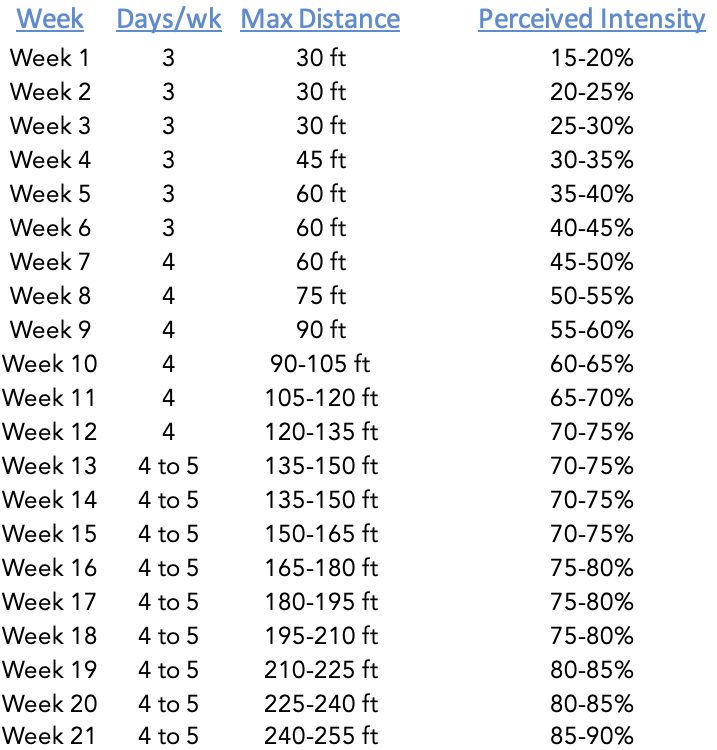
Credit: jaegersports.com
Table: Comparison Of Popular Pitch Speed Calculation Methods
Here’s a comparison of the main methods for measuring pitch speed:
| Method | Accuracy | Cost | Ease of Use | Best For |
|---|---|---|---|---|
| Radar Gun | High | $$$ | Easy | Teams, Coaches |
| Manual Calculator + Stopwatch | Medium | $ | Moderate | Individuals, Practice |
| Smartphone App | Medium | $ | Easy | Players, Parents |
| High-Speed Camera System | Very High | $$$$ | Complex | Pro Teams |
How To Improve Your Pitch Speed
Knowing your speed is just the start. Many pitchers want to throw harder. Here’s how to use your calculator for improvement:
- Track Progress Over Time: Record your speed every session. Look for slow, steady increases.
- Work on Mechanics: Small changes in your delivery can add speed. Use video and speed data together.
- Strength Training: Building core and arm strength helps, but don’t ignore flexibility and recovery.
- Rest and Recovery: Overworking leads to injury. Use speed drops as a sign to rest.
- Mix Pitch Types: Sometimes, improving your off-speed pitches can make your fastball seem even faster.
A key insight: Focus on consistency, not just top speed. A pitcher who throws 82 mph every time is more valuable than one who sometimes hits 88 mph but usually throws much slower.
Pitch Speed Vs. Other Pitching Metrics
Pitch speed is important, but not everything. Here’s how it compares with other pitching stats:
| Metric | What It Measures | Why It Matters |
|---|---|---|
| Pitch Speed | How fast the ball travels | Shows power and development |
| Spin Rate | How fast the ball spins | Affects movement and deception |
| Release Point | Where the pitcher lets go of the ball | Helps with control and hiding the pitch |
| Pitch Location | Where the pitch crosses the plate | Key for getting outs |
Many beginners think speed is all that matters, but even a slow pitch can be effective with good control and movement.
Choosing The Right Calculator For Your Needs
With so many options, how do you pick the right tool? Here’s a simple guide:
- For Coaches and Teams: Invest in a reliable radar gun. It’s the standard for a reason.
- For Parents or Players at Home: Smartphone apps or manual calculators are affordable and easy to use.
- For Serious Training: Combine radar guns with video analysis for the best results.
- For Fun or Quick Checks: Online calculators are fine for casual use.
Before buying, read reviews and check for regular software updates or customer support. Sometimes, paying a little more for a trusted brand saves trouble later.

Credit: www.discussfastpitch.com
The Future Of Pitch Speed Measurement
Technology keeps improving. Here’s what’s coming:
- AI Video Analysis: New apps use artificial intelligence to track speed and mechanics automatically.
- Wearable Sensors: Some devices measure arm movement to calculate pitch speed without a ball.
- Integrated Data Platforms: Pro teams use systems that combine speed, spin rate, and video for a full picture.
For most people, though, the basic calculator is enough. The important thing is to measure, learn, and improve.
If you want to learn more about the science behind pitch speed, check out this Wikipedia article on the fastball.
Frequently Asked Questions
How Accurate Are Baseball Pitch Speed Calculators?
Most calculators are accurate if you use them correctly. Radar guns used by professionals can be within 1 mph of the true speed. Manual methods, like stopwatches or phone apps, can have small errors due to human reaction time or video quality.
What Is The Standard Pitching Distance For Calculating Speed?
In Major League Baseball, the standard pitching distance is 60 feet, 6 inches. For youth leagues, the distance can be shorter—sometimes 46 feet for younger players. Always measure the correct distance for your league before calculating speed.
Can I Use A Phone App Instead Of A Radar Gun?
Yes, many phone apps can estimate pitch speed using video. They are less accurate than radar guns but are good for casual use or practice. For official games or scouting, a radar gun is better.
What Is A Good Pitch Speed For My Age?
It depends on your age and experience. For example, 9–12 year olds usually throw 40–55 mph. High school pitchers often throw between 70–85 mph. Compare your speed to average numbers for your age group to see where you stand.
How Can I Increase My Pitch Speed Safely?
The best way is to work on your mechanics, do regular strength training, and allow for enough rest. Use your calculator to track progress over time. Avoid trying to throw too hard too quickly, as this can cause injuries.
—
Measuring pitch speed brings science into the art of pitching. With the right baseball pitch speed calculator, you can track, improve, and enjoy the game even more. Whether you’re aiming for the big leagues or just playing for fun, knowing your numbers makes every pitch more exciting. With proper tools and understanding, speed becomes more than just a number—it’s a sign of your growth and love for baseball.