
Fabric wins for looks and health; plastic wins for splash control and price.
If you’re asking is a plastic or fabric shower curtain better, you’re not alone. I test bath gear for a living and help friends fix sad bathrooms on small budgets. Here we break down is a plastic or fabric shower curtain better across cleaning, cost, mold, air quality, and style. Stick around, and you’ll know exactly what to buy and why.
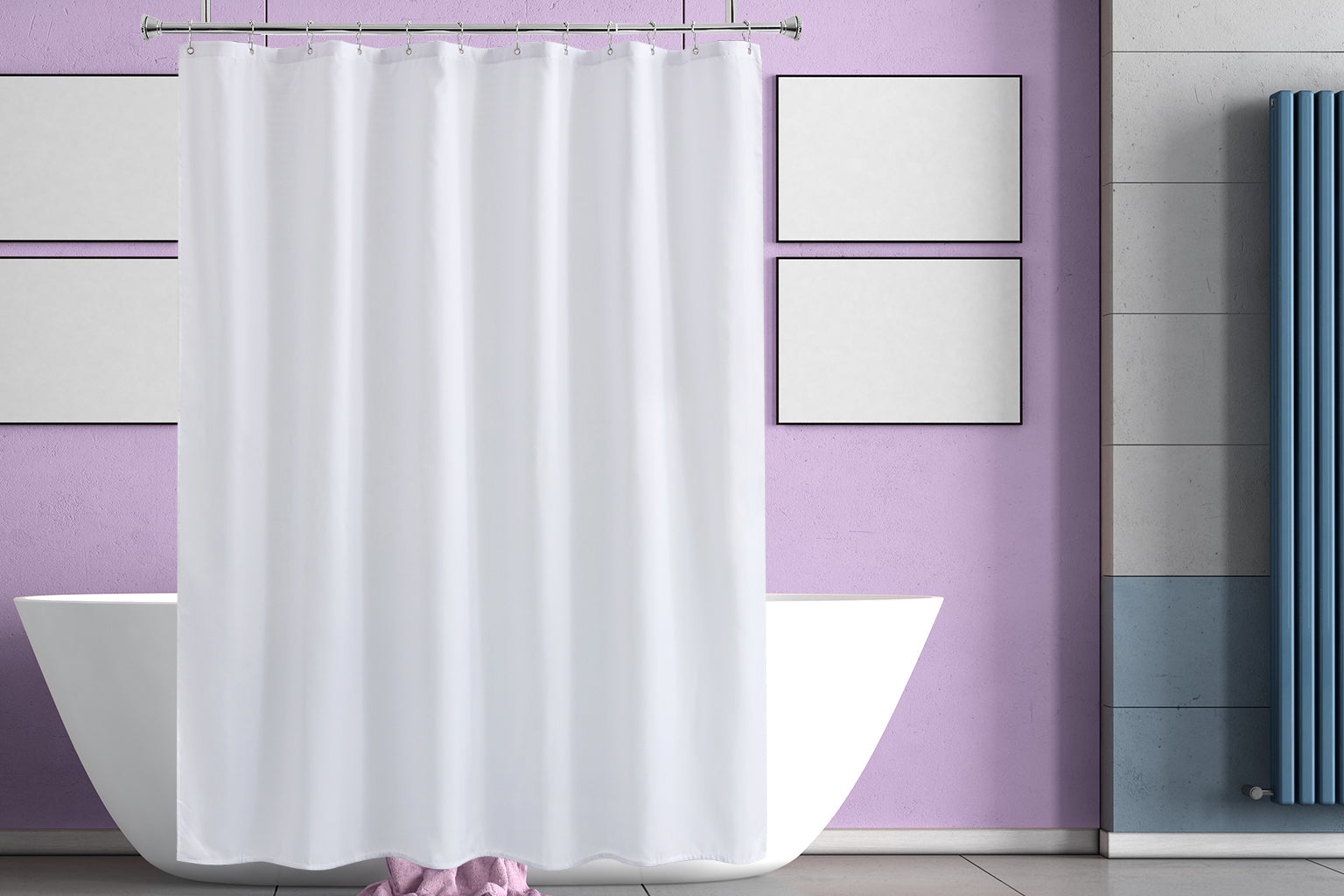
Is a plastic or fabric shower curtain better? Key factors that decide
You want a curtain that keeps water in, looks good, and does not smell weird. You also want one that is easy to clean and will not grow a science project. I judge is a plastic or fabric shower curtain better by five things: health, splash control, cost, care, and style.
Here is the short map:
- Plastic is great at blocking water and is cheap.
- Fabric looks better, moves nicer, and is washable.
- If mold is your arch enemy, choose a washable fabric or a PEVA liner.
- For kids and splash zones, plastic often wins the weekday war.
- For guests and long term value, fabric pulls ahead.

Source: housedigest.com
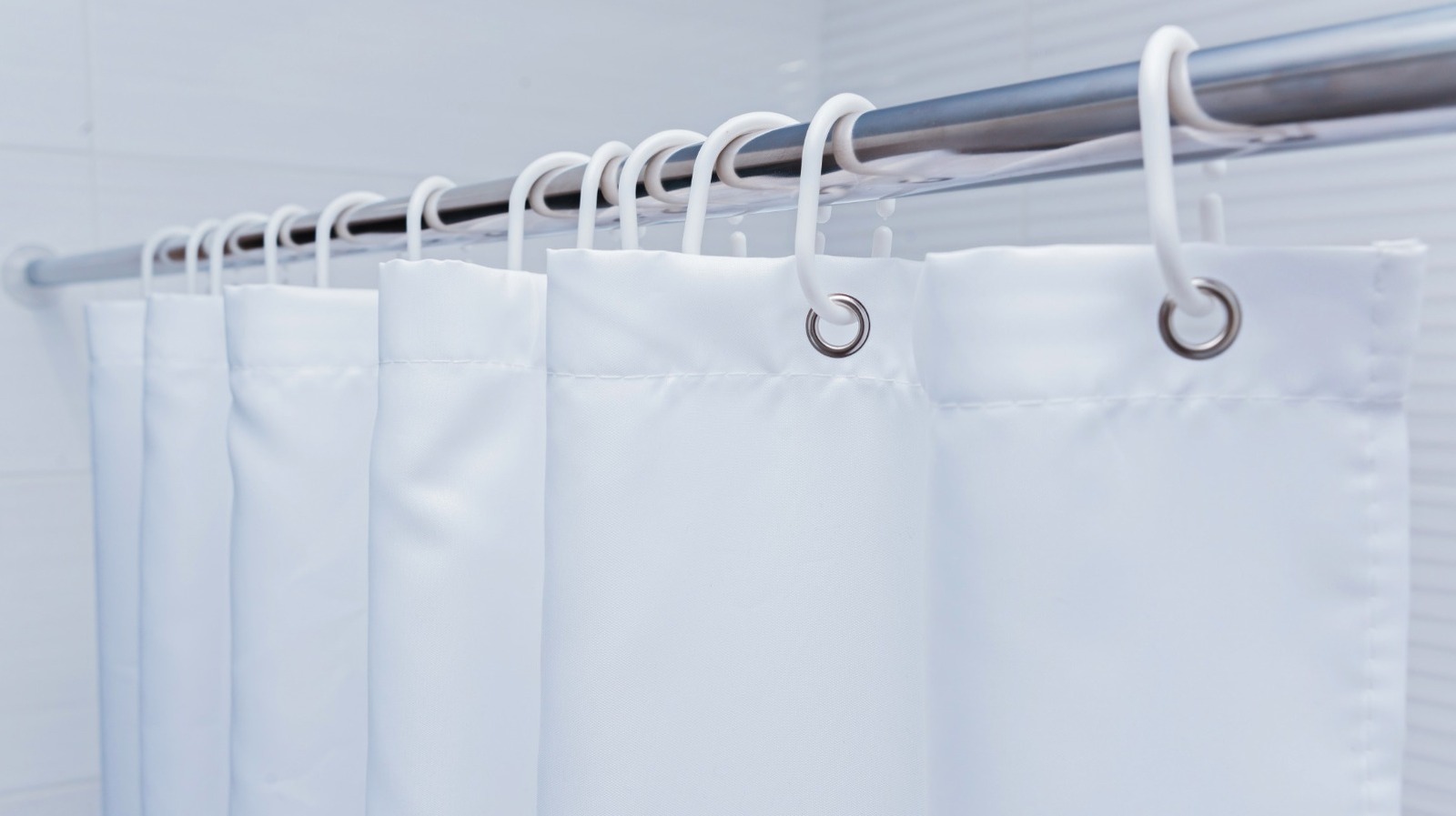
Health and air quality: is a plastic or fabric shower curtain better?
Some plastic curtains use PVC. PVC can off‑gas VOCs. That is the “new shower curtain smell” no one asked for. Newer plastics like PEVA or EVA have lower odor. They are also PVC‑free.
Fabric curtains do not off‑gas in the same way. But they can have finishes to repel water. A quick wash removes most of that. For fewer chemicals, look for Oeko‑Tex labels on textiles and PVC‑free on liners. If air quality is your top goal, fabric takes the crown, with a PEVA liner as a solid plan B.

Splash control: is a plastic or fabric shower curtain better for water?
Plastic is fully waterproof. It hangs close to the tub and keeps water where it belongs. That is why gyms and dorms love it. It can also have magnets that grab the tub.
Fabric can be water repellent, not water proof. Most fabric needs a liner to stop leaks. A thick polyester or microfiber liner can work alone in a pinch. Add a weighted hem and you will see fewer billows and less cling. For walk‑in showers with no tub lip, use a liner and a weighted edge every time.
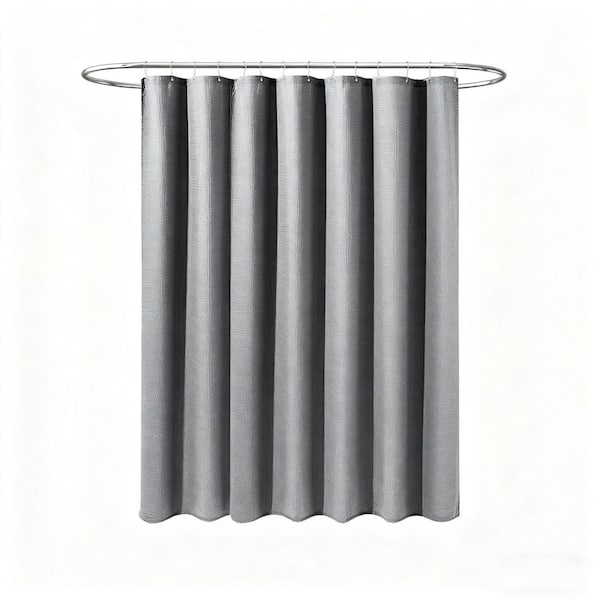
Cost and lifespan: is a plastic or fabric shower curtain better long term?
A basic plastic liner costs little. But you may replace it often. Many people toss a vinyl liner every 6 to 12 months due to yellowing or tears. That adds up.
A good polyester curtain costs more at first. Yet it can last years with simple washes. Do a quick total cost check. Example: three cheap liners a year can cost more than one nice fabric curtain plus one PEVA liner that you wash. Over five years, fabric often wins the budget war.

Sustainability: is a plastic or fabric shower curtain better for the planet?
PVC is hard to recycle and can release nasty stuff when made or burned. PEVA and EVA are better, though still plastic. Polyester fabric can shed tiny fibers in the wash. Cotton looks pure but can be water‑heavy to grow. Linen and hemp need fewer inputs and last a long time.
Your greenest path is a durable fabric you wash, not toss. Skip PVC. Choose a polyester, linen, or hemp curtain, and pair it with a long‑lasting PEVA liner. Wash on gentle, and line dry when you can.
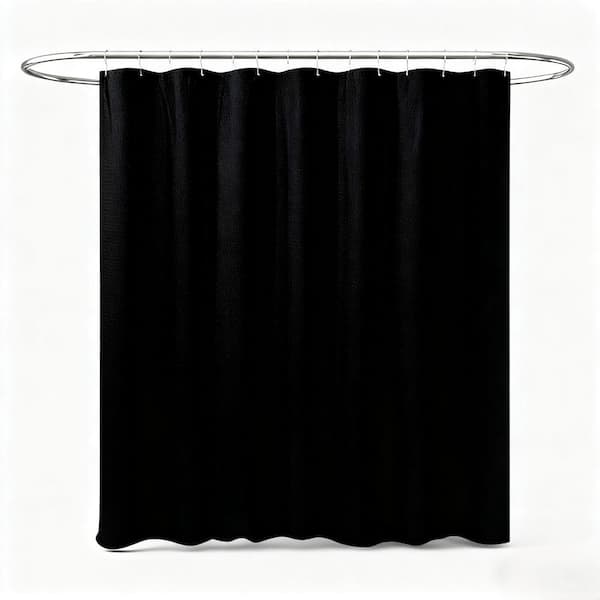
Design and comfort: is a plastic or fabric shower curtain better for feel?
Fabric drapes well and looks upscale. It is quiet when you pull it. It also resists that cold, clingy hug you get from thin plastic. Hotels use fabric for a reason. It feels calm and looks clean.
Plastic can look shiny and a bit crinkly. It can do bold prints well and is easy to wipe. If you want a spa vibe, go fabric. If you want candy‑bright prints or clear panels, go plastic or a clear PEVA liner with a fabric outer.

Real-life picks: is a plastic or fabric shower curtain better in rentals, family homes, and dorms?
I have tried them all in rentals, tiny baths, and kid chaos. Here is what works in the wild:
- Busy family bath: PEVA liner plus a machine‑washable fabric outer. Wash monthly. Looks good, handles splashes.
- Rental or Airbnb: Sturdy polyester curtain with a replacement PEVA liner on hand. Fast reset between guests.
- Dorm or shared bath: Single PEVA liner with weighted hem. Cheap, hard‑wearing, and easy to replace.
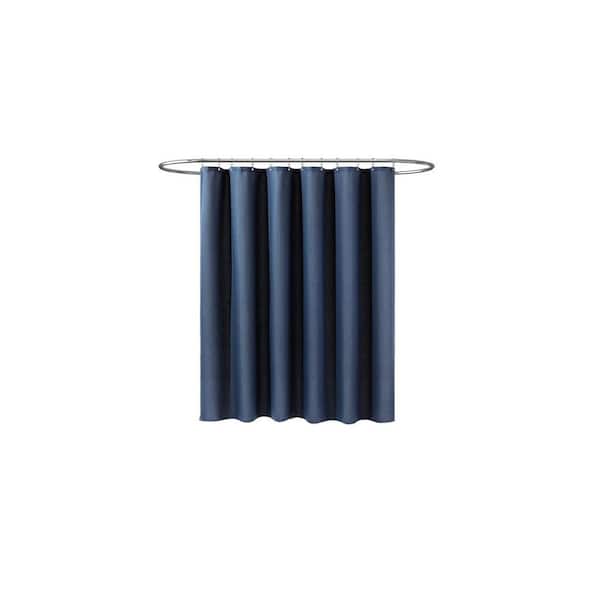
- Designer bath: Linen or heavy polyester fabric with a washable liner. Your bathroom selfie will thank you.

Source: homedepot.com
Maintenance checklist and mold prevention
A clean curtain lasts longer and smells better. Set a simple routine.
- After each shower, close the curtain to let it dry flat.
- Run the fan or open a window for 20 minutes.
- Wash fabric monthly with warm water and a bit of vinegar.
- For plastic, wipe with a mix of vinegar and water. Rinse and dry.
- Treat pink slime early. That stuff loves soap scum.
- Upgrade to rustproof hooks and a weighted hem to reduce damp folds.

Source: amazon.com

What to look for when you shop
Smart features make daily life easy. Scan the tag before you buy.
- Material: Polyester, linen, or hemp for fabric. PEVA or EVA for liners. Avoid PVC.
- Size: Most tubs need 72 by 72 inches. Measure twice.
- Header: Reinforced top edge and rustproof grommets stop tears.
- Hem: Weighted bottom reduces cling and leaks.
- Certifications: Oeko‑Tex for textiles. PVC‑free for liners.
- Care: Machine washable for fabric. Wipe‑clean for liners.
Frequently Asked Questions of is a plastic or fabric shower curtain better
Which lasts longer, plastic or fabric shower curtains?
Fabric often lasts longer because you can wash it many times. Cheap plastic can yellow, crack, and need fast replacement.
Can I skip a liner with a fabric shower curtain?
You can if the fabric is water repellent and heavy. Still, most people get better splash control with a PEVA liner.
Do plastic shower curtains smell harmful?
PVC curtains can off‑gas VOCs, which cause that strong odor. PEVA and EVA have much lower odor and are a safer pick.
How often should I wash or replace my curtain?
Wash fabric once a month or when you see soap scum. Replace plastic liners every 6 to 12 months, or clean them monthly to stretch life.
What stops that clingy curtain hug?
A weighted hem, a curved shower rod, and good ventilation help a lot. Fabric also clings less than thin plastic.
Are fabric curtains harder to clean than plastic?
Not really. Most polyester curtains go straight in the washer. Plastic needs a quick wipe, but trapped grime can take more effort over time.
Conclusion
Both curtains can be the right call. If you want low cost and max splash control, plastic (ideally PEVA) works. If you want better air, style, and long life, a washable fabric with a liner wins. For your home, ask is a plastic or fabric shower curtain better for your exact space, habits, and budget.
Pick your match, set a simple cleaning routine, and enjoy a fresher bath. Want more smart home tips? Subscribe, share your bathroom setup, or drop a question in the comments.