
Secure a crash-tested carrier, plan calm breaks, and stick to your cat’s routine.
If you want to know how to travel with a cat long distance by car without chaos, you’re in the right lane. I’ve logged thousands of miles with my own feline copilots and helped many pet parents do the same. This guide breaks down how to travel with a cat long distance by car from prep to parking, with real tips, pro insights, and a little humor to keep your whiskers unruffled.

Prepare Your Cat Weeks Before the Trip
You can learn how to travel with a cat long distance by car, but your cat needs time to learn too. Start early. Aim for at least two to four weeks of prep.
Do this first:
- Book a vet check. Ask about motion sickness, anxiety tools, and vaccine needs. Some states ask for a current rabies certificate.
- Update ID. Use a microchip with your phone number and add a collar tag with your email.
- Make the carrier homey. Place it open in a quiet spot. Add treats, a blanket, and a few meals inside.
- Play travel sounds. Play soft engine or road noise at mealtimes to build a calm link.
- Practice short rides. Five minutes today. Ten minutes tomorrow. Treat after each one.
I learned this the hard way on a 900-mile drive with my cat, Noodle. I skipped slow carrier training. He sang the song of his people for two states. A week of small, happy rides would have saved us both. When you plan how to travel with a cat long distance by car, early training is your secret weapon.

The Right Gear for a Smooth Ride
Good gear turns “are we there yet?” into “nice nap, thanks.” Invest in items that keep your cat safe and keep your car clean.
Must-haves:
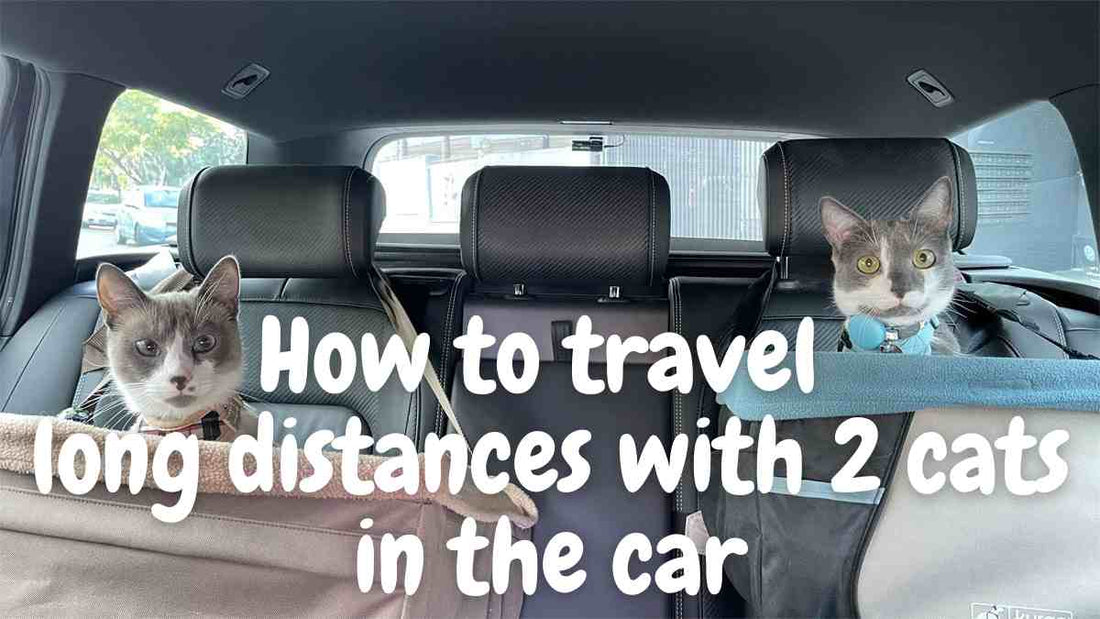
- Crash-tested carrier sized so your cat can stand and turn.
- Seat belt strap or a tight seat belt run through the carrier’s guides.
- Harness and leash for transfers. Test fit before travel.
- Pheromone spray or wipes for the carrier fabric.
- Absorbent pads and a spare blanket.
- Spill-proof water bowl or lick bottle.
- Travel litter box with litter in a sealed tub and a scoop.
- Enzyme cleaner, paper towels, and unscented wipes.
- Sunshades for windows and a small fan or vent clip.
- Cat first-aid kit, vet records, and a recent photo.
Expert tip: A Center for Pet Safety–tested carrier reduces injury risk in sudden stops. That is a simple way to boost safety when learning how to travel with a cat long distance by car.
Carrier Training and Car Acclimation
Most cats fear the box that steals them to the vet. Flip that script.
Steps that work:
- Feed in the carrier door for two days. Then move the bowl inside.
- Toss treats inside. Let your cat come and go at will.
- Add a cue word like “home.” Reward any calm step near or in the carrier.
- Close the door for just 10 seconds while feeding. Open before your cat worries.
- Move to the car. Engine off first. Next session, engine on. Then a one-minute drive.
Keep sessions short and sweet. End on a win. This simple plan is the heart of how to travel with a cat long distance by car with less drama.

Pre-Departure Checklist and Safety
Set your car up like a tiny cat studio apartment.
Before you go:
- Feed a light meal three to four hours before wheels up to lower car-sick risk.
- Chill the car first. Ideal temp is 68–75°F.
- Place the carrier on the back seat, not the front, and never in a trunk.
- Buckle the carrier tight so it does not slide on turns.
- Cover three sides of the carrier to dim views but keep airflow clear.
- Plan stops every two to three hours near quiet areas, not busy lots.
- Pack duplicates of meds, food, and ID in different bags.
Never leave your cat alone in a parked car. Heat can climb in minutes. Cold sinks fast too. That rule is non-negotiable in any guide on how to travel with a cat long distance by car.

On-the-Road Routine: Driving Day Plan
Cats love a script. You set it.
Do this on travel day:
- Start early when roads and cats are both calm.
- Play soft music. Talk in a light, happy voice.
- Stop every two to three hours. Offer water and a litter break if your cat will use one.
- Keep doors locked while you shift gear. Use the harness and leash for transfers.
- Keep treats tiny and rare to avoid an upset tummy.
I found a rhythm on my Texas to Colorado run with my cat, Cheese. We drove two hours, took a five-minute quiet stop, then drove again. That simple loop is how to travel with a cat long distance by car without stress building up.
Food, Water, and Litter on the Go
Stomach calm. Litter clean. Water steady. That is the trifecta.
Feeding and hydration:
- Offer small meals at night after you stop. Use your normal food.
- Offer water at each break. Many cats prefer wide, shallow bowls.
- Use wet food for more moisture if your vet approves. Ice cubes can help in heat.
Litter tips:
- Use a folding box lined with a pad. Keep it in the footwell during breaks.
- Most cats hold it while moving. That is fine. Offer a box at stops and after check-in.
- Bag waste right away and stash it outside the main cabin bag.
This simple plan keeps smells down and helps your cat stay comfy. It is a big part of how to travel with a cat long distance by car like a pro.

Managing Stress and Motion Sickness
You can lower stress. You can also treat motion sickness. Do both.
What helps:
- Pheromones. Spray the carrier cloth 10 minutes before loading.
- Calming aids. L-theanine, casein, or silver vine can help some cats. Ask your vet first.
- Vet meds. Many vets use maropitant for car sickness and gabapentin for anxiety. Never give human meds. Avoid heavy sedatives unless your vet says so.
Watch for drooling, yawning, lip licking, or vomiting. Those are car-sick signs. Slow turns, smooth braking, and a covered carrier help a lot. These small tweaks matter when learning how to travel with a cat long distance by car.

Overnight Stops and Pet-Friendly Stays
Pick places that welcome whiskers.
Hotel hacks:
- Confirm the pet policy. Ask about fees and limits on pets per room.
- On entry, take your cat to the bathroom first. Set up the litter box, water, and bed.
- Check under the bed and behind curtains for gaps. Block gaps with bags or towels.
- Keep the Do Not Disturb sign on. Crate your cat if a worker must enter.
- Feed after your cat explores and relaxes.
I once let Noodle loose in a rental before checking gaps. He found a baseboard hole and hid like a furry ninja. Ten minutes of room-proofing would have saved thirty minutes of hide-and-seek. This step is core to how to travel with a cat long distance by car without panic.

Weather, Seasonal, and Legal Considerations
Seasons change the plan. Laws can too.
Smart planning:
- Summer heat kills fast. Park in shade. Idle with AC if you must stop with the cat inside and you can keep the car secured and climate safe.
- Winter cold numbs fast. Use a warm bed, a carrier cover, and cabin heat.
- Some states ask for rabies proof. Border crossings to Canada need a valid rabies certificate. Check rules before you go.
- Keep windows locked and gaps small. Curious paws find levers.
A little homework now means no surprises later. It is another reason why guides on how to travel with a cat long distance by car stress prep first.
Troubleshooting Common Problems
Things go sideways. Here is how to fix them fast.
Common issues and fixes:
- Loud meowing. Cover the carrier more and raise white noise a notch. Reward quiet moments.
- Not eating for a day. Many cats skip food on the road. Offer food after check-in and call your vet if this lasts beyond 24–36 hours.
- No pee all day. Often normal on travel days. Offer a box at each stop and after check-in. Call your vet if there is straining or pain.
- Escape risk. Use a snug harness and attach the leash before opening the carrier. Open doors only in a closed space.
- Vomiting. Feed smaller meals. Ask your vet about motion-sick meds.
Each fix comes from real trips that worked for me and clients. This is the heart of how to travel with a cat long distance by car and keep calm when plans wobble.
Frequently Asked Questions of how to travel with a cat long distance by car
How long can a cat stay in a carrier in the car?
Most healthy adult cats can stay in a carrier for several hours with breaks. Plan a five to ten minute stop every two to three hours for water and a quiet check.
Should I sedate my cat for a long car trip?
Avoid heavy sedation unless your vet prescribes it. Many vets prefer gentler options like gabapentin for anxiety and maropitant for motion sickness.
Can I let my cat roam in the car?
No. Loose cats can distract drivers and get hurt in sudden stops. A secured, crash-tested carrier is the safest option.
How do I keep my cat calm during the drive?
Use a covered carrier, pheromone spray, and a steady routine. Keep the car cool, play soft music, and speak in a calm voice.
What if my cat refuses to use the litter box on the road?
Many cats hold it while moving. Offer the box at each stop and after check-in, and keep the setup familiar with your usual litter.
Is it safe to feed my cat before driving?
Offer a light meal three to four hours before the trip. Avoid big meals right before departure to reduce nausea.
What paperwork do I need when crossing state lines or into Canada?
Carry proof of rabies vaccination and recent vet records. Canada requires a valid rabies certificate for entry with a cat.
Conclusion
Travel can be smooth, safe, and even sweet with the right plan. You now know how to travel with a cat long distance by car with real steps, tested gear, and a calm routine. Start training early, pack smart, drive steady, and keep your cat’s world small and cozy.
You can do this. Map your route, prep the carrier, and book that pet-friendly stop tonight. Want more road-tested pet travel tips? Subscribe, share your questions, or drop your own cat travel wins in the comments.