
Spices are a magical part of every kitchen. They turn simple food into something special, bringing both flavor and color. But have you ever noticed that old spices don’t taste as good? Or maybe they lose their smell and punch after a few months?
Many people don’t realize that storing spices the right way is just as important as choosing the right ones. If you want your spices to stay fresh, strong, and safe for a long time, you need to learn some key techniques.
This guide will show you exactly how to store spices for the long term, avoid common mistakes, and keep every pinch full of life.
Why Proper Spice Storage Matters
Spices are not just “dry powders” or “seeds in a jar. ” They are full of delicate oils and compounds that create the flavors we love. When you store them badly, these oils break down. As a result, your spices lose both taste and aroma.
Some spices can even go bad or become unsafe if they get wet or moldy.
Research shows that most ground spices start losing flavor after 6–12 months. Whole spices last longer, sometimes up to 2–4 years, but only with proper care. When you buy spices in bulk or want to keep your investment safe, learning how to store them right makes a huge difference.
The Enemies Of Spice Freshness
Before learning how to store spices for the long term, it’s important to know what causes them to lose quality. Four main enemies affect spices:
- Light: Sunlight and even bright kitchen lights break down spice oils, fading both color and flavor.
- Heat: High temperatures speed up the loss of essential oils, making spices dull.
- Moisture: Humidity causes clumping, mold, and even bacteria growth.
- Air: Oxygen reacts with spice oils, leading to staleness and sometimes off flavors.
If you can protect your spices from these four enemies, you will keep them fresh much longer.
Choosing The Right Containers
The type of container you use for your spices is a big decision. Not all jars, bags, or boxes are equal. Here are the main options and how they compare:
| Container Type | Pros | Cons |
|---|---|---|
| Glass Jars with Tight Lids | Non-reactive, airtight, easy to clean, see contents | Let in light unless tinted, can break |
| Stainless Steel Canisters | Blocks light, durable, airtight if gasketed | Can hide contents, may rust if not high quality |
| Plastic Containers | Lightweight, shatterproof, cheap | Can absorb odors, may stain, not all plastics are food-safe |
| Resealable Bags (Mylar or Plastic) | Good for bulk, can vacuum seal, flexible | Less sturdy, not stackable, may not be fully airtight |
For most home cooks, glass jars with tight-fitting lids are the best choice. They are easy to label, clean, and keep odors separate. If you want to protect from light, use brown or green tinted glass or store jars in a dark cabinet.
Best Practices For Long-term Spice Storage
Some simple habits can stretch the life of your spices by months or even years. Here’s how to get the most from every jar:
1. Store In A Cool, Dark Place
Never keep spices on a kitchen shelf over the stove, next to the oven, or by a sunny window. Heat and light are quick killers. Instead, pick a cabinet or drawer away from heat sources. Even a pantry is better than an open shelf.
2. Keep Lids Tight
Every time you open a spice jar, air rushes in. If you forget to close the lid, moisture can also sneak in, especially in humid weather. Always close lids tightly after each use. If you notice cracked or loose lids, replace them.
3. Use Clean, Dry Spoons
Dipping wet or dirty spoons into your spices introduces moisture and bacteria. Always use a dry spoon or measuring tool. Never shake spices directly over a steaming pot—steam can enter the jar and cause clumping or mold.
4. Buy Whole Spices When Possible
Whole spices—like cumin seeds, peppercorns, or cinnamon sticks—last much longer than ground versions. You can grind them as needed using a simple spice grinder or mortar and pestle. This way, you always get the best flavor.
5. Label And Date Your Spices
It’s easy to forget when you bought a spice, especially if you have many jars. Label each container with the name and purchase date. You can also add an “open” date to help track freshness.
6. Avoid Large Bulk Purchases (unless Needed)
Buying spices in bulk saves money, but only if you use them quickly. Most home cooks use 1–2 teaspoons per month of each spice. If you buy a pound of paprika, it could lose flavor before you finish it. Buy only what you’ll use within a year, unless you have a plan for preservation.
Specialized Storage Methods For Extra-long Shelf Life
If you want to keep spices fresh for several years, or if you live in a very humid area, consider these advanced storage methods.
Vacuum Sealing
Removing air from spice containers reduces oxidation and moisture. Vacuum sealers can be used with special bags or jars. This is especially good for bulk spices you don’t use often.
Freezing Spices
Many people don’t know that you can freeze spices. The freezer protects against light, heat, and air. Here’s how to do it safely:
- Use airtight, freezer-safe containers or vacuum-sealed bags.
- Label with name and date.
- Only freeze whole or ground spices that you don’t plan to open often (repeated thawing and freezing can cause condensation).
- Allow the jar to reach room temperature before opening, to avoid moisture from condensation.
Not all spices freeze equally well. Dried herbs like parsley or basil can lose some color or texture, but their flavor is usually preserved.
Using Mylar Bags And Oxygen Absorbers
For those who want to store spices for emergency preparedness or long-term backup (3–5 years or more), Mylar bags and oxygen absorbers are the gold standard. Here’s a simple process:
- Place dry, ground or whole spices in a food-grade Mylar bag.
- Add an oxygen absorber (available online).
- Seal the bag using a heat sealer or iron.
- Store in a cool, dark place.
This method is especially good for storing large amounts of popular spices like black pepper, cumin, or chili powder. Oxygen absorbers remove nearly all air, preventing spoilage.
Desiccant Packs For Moisture Control
A small silica gel or desiccant packet in each spice jar helps control moisture, especially in humid climates. Make sure the packet is food-safe and does not touch the spices directly.
How Long Do Spices Really Last?
Even with the best storage, spices don’t last forever. Here’s a general guide for shelf life under good conditions:
| Spice Type | Whole | Ground |
|---|---|---|
| Herbs (like basil, oregano) | 1–3 years | 1 year |
| Seeds (cumin, coriander) | 3–4 years | 2–3 years |
| Roots (ginger, turmeric) | 3 years | 2 years |
| Spice Blends (curry powder, garam masala) | N/A | 1–2 years |
| Peppers (black peppercorns, chili flakes) | 4 years | 2–3 years |
These are average times for best flavor, not for safety. Most old spices are still safe to eat, but they may taste weak.
Signs Your Spices Have Gone Bad
Sometimes it’s hard to tell if a spice is still good. Here’s what to look for:
- Faded color: Spices should be rich and bright, not pale.
- Weak aroma: If you can’t smell much, the flavor is probably gone too.
- Clumping or mold: Any sign of moisture, dark spots, or fuzzy growth means it’s time to toss the spice.
- Strange taste: A flat, bitter, or “off” flavor is a clear sign of old spices.
A simple test: Rub a small amount between your fingers and smell. If the scent is dull or missing, it’s time to replace it.
Mistakes To Avoid When Storing Spices
Even experienced cooks can make simple mistakes that ruin their spices. Watch out for these:
- Storing above the stove: The heat and humidity from cooking will quickly spoil spices.
- Using the same jar for refills: Always clean and dry jars before refilling to avoid cross-contamination.
- Buying huge amounts: Unless you cook for a crowd, large containers will lose flavor before you finish them.
- Transferring to clear jars without protection: If using clear glass, keep jars in a closed cabinet or use tinted glass.
- Not checking for freshness: Make it a habit to review your spices every 6–12 months.
Special Tips For Different Spice Types
Some spices need extra care. Here’s how to handle the most common categories:
Whole Spices
- Store in airtight jars.
- Grind only what you need.
- Great candidates for vacuum sealing or freezing.
Ground Spices
- More sensitive to air and light.
- Use smaller jars to reduce air exposure.
- Don’t buy in bulk unless you use them often.
Dried Herbs
- More fragile than seeds or roots.
- Keep away from heat and moisture.
- Consider using desiccant packs in the jar.
Spice Blends
- Often include salt, sugar, or other ingredients that can clump.
- Store in dry, airtight jars.
- Make your own blends in small batches if possible.
How To Store Spices In Small Kitchens
If you live in a small apartment or have limited space, keeping spices fresh can be a challenge. Here are some tricks:
- Use magnetic spice jars on the side of the fridge, but make sure they’re out of direct sunlight.
- Try a pull-out spice rack inside a cabinet.
- Store less-used spices in a separate box in a closet or pantry.
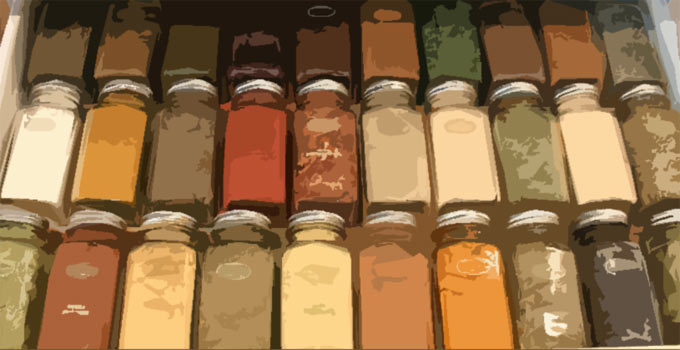
- Label lids for easy identification if jars are stored upright in a drawer.
Credit: modernsurvivalblog.com
Storing Spices For Emergencies Or Disaster Prep
Some people want to keep a long-term supply of spices for emergencies. Spices can make simple foods taste better and lift spirits in tough times. Here’s how to prepare:
- Choose whole spices when possible.
- Use Mylar bags, oxygen absorbers, and vacuum sealing.
- Rotate your stock every few years to keep it fresh.
- Keep a basic set: Salt, pepper, chili, cumin, garlic powder, cinnamon, and a favorite blend.
The Science Behind Spice Preservation
Most people don’t realize that the flavor in spices comes from volatile oils. These are the same oils that create strong scents and flavors. Light, heat, and oxygen break down these oils, which is why old spices taste weak or musty.
According to food scientists, storing spices below 70°F (21°C) slows down oil loss. Keeping them away from direct light can also double their shelf life. Modern packaging like vacuum sealing and oxygen absorbers can almost stop the breakdown process, making it possible to store spices for years with little loss of quality.
When To Throw Away Old Spices
It can be hard to let go of a beloved jar of spice, but sometimes it’s necessary. Here’s a quick guide:
- If a spice smells moldy, “off,” or musty, throw it out.
- If you see bugs, webbing, or strange particles, discard immediately.
- If the color is very faded and the aroma is gone, it’s time for a new jar.
Don’t risk your health for a few cents’ worth of spice.
How To Test Spice Freshness At Home
A simple home test can help you decide if a spice is still usable:
- Take a small pinch and rub between your fingers.
- Smell closely: There should be a strong, fresh aroma.
- Taste a small amount: The flavor should be bright and noticeable.
If the aroma or flavor is faint, consider replacing the spice.
Non-obvious Insights Most Beginners Miss
- Humidity is a hidden danger: Even in dry climates, kitchens are full of steam and moisture from cooking. Keeping spices away from the cooking area is more important than most people think.
- Whole spices can be toasted before grinding: This not only brings out the flavor but also kills surface bacteria, making them safer for long-term storage.
- Some spices, like paprika and chili powder, are especially sensitive to light: Even a few weeks in sunlight can fade them completely. Always store these in opaque containers.
- Spice freshness impacts health: Fresh spices can have higher levels of antioxidants and bioactive compounds, while old spices may lose some health benefits.
Smart Spice Organization For Easy Use
Keeping your spices well-organized will help you use them before they go stale. Try these strategies:
- Group spices by cuisine (Asian, Indian, Mediterranean, etc. ).
- Place high-use spices in easy-to-reach spots.
- Store less-used, long-term spices in a separate box or bin.

Credit: www.tightvac.com
Cleaning And Maintaining Your Spice Storage
Every 6–12 months, empty your spice containers, clean with warm soapy water, and dry completely before refilling. This stops old oils from going rancid and keeps flavors pure.
Sustainable Tips: Reducing Spice Waste
- Share large purchases with friends or family.
- Use old spices for cleaning (for example, cinnamon for odor removal).
- Compost expired herbs for garden fertilizer.

Credit: theprovidentprepper.org
Key Takeaways For Long-term Spice Storage
- Protect spices from light, heat, air, and moisture.
- Use airtight containers and keep them in a cool, dark place.
- Choose whole spices when possible and grind as needed.
- Label and date every jar for easy rotation.
- Use advanced methods like vacuum sealing or Mylar bags for long-term or emergency storage.
With these steps, you can keep your spices fresh, flavorful, and ready for every recipe.
Frequently Asked Questions
How Can I Tell If My Spices Are Still Good?
Check the color, aroma, and taste. If a spice is faded, has little smell, or tastes flat, it’s past its best. Mold, clumping, or strange smells mean you should throw it out.
Is It Safe To Freeze All Types Of Spices?
Most dry spices can be frozen, but it’s best for those you don’t use often. Avoid freezing salt blends or spices with high moisture, as they can clump. Always use airtight containers to avoid freezer odors.
What Is The Best Container For Long-term Spice Storage?
Glass jars with airtight lids are the top choice for most people. For very long-term storage, use Mylar bags with oxygen absorbers or vacuum-sealed jars.
How Do I Store Homemade Spice Blends?
Store them in small, airtight containers, away from heat and light. Label with name and date. Since blends contain ground spices, use them within 6–12 months for the best flavor.
Can Old Spices Make You Sick?
Most old spices are not dangerous, just weak in flavor. However, if you see mold, bugs, or smell something bad, the spice may be unsafe. Always trust your senses, and when in doubt, throw it out. For more details, see the advice from the USDA Food Safety and Inspection Service.
With the right storage habits, your spices will add excitement to your cooking for years to come. A little extra care goes a long way—every time you open a jar and smell that fresh, bold aroma, you’ll know it was worth it.


