
Use two flat sheets, sew three sides, add closure and corner ties.
If you have sheets, a sewing machine, and a stubborn duvet, you can do this. I have made many covers in tiny apartments with a cat for a foreman. In this guide, I show how to make duvet cover with sheets the smart way. You will learn sizing, seams, closures, and pro tricks that last through years of laundry.

Why make a duvet cover from sheets?
It saves money. It looks custom. It washes fast.
Sheets are soft, durable, and easy to find. Many come in high thread counts and fun prints. You can mix a print with a solid and flip sides.
There are limits. Very thick duvets may need deeper seams. Slick sheets can shift as you sew. But the fix is easy with clips and a sharp needle.
I will show how to make duvet cover with sheets with clear steps. You can finish this in an afternoon.

Materials and tools you need
You can keep it simple. Here is your kit.
- Two flat sheets in your size or larger
- Sewing machine with a new 80/12 universal needle
- Thread that matches your sheets
- Fabric scissors or rotary cutter and mat
- Pins or clips
- Measuring tape or ruler
- Fabric marker or chalk
- Iron and ironing board
- Buttons, snaps, ties, or a zipper for the closure
- Twill tape or ribbon for corner ties
If you plan French seams, good choice. You will want an iron set to cotton.

Choose the right sheets
Sheets come in many weaves. Your choice will set the mood and the feel.
- Cotton percale feels crisp and cool. Great for hot sleepers.
- Cotton sateen feels smooth and a bit shiny. Warm and luxe.
- Linen breathes very well. It gets softer with each wash.
- Polyester blends resist wrinkles. They can feel warmer.
Aim for 200–400 thread count cotton for easy sewing. Wash and dry both sheets first. Cotton can shrink 2–5 percent. This step will save your fit.
If you wonder how to make duvet cover with sheets that feel hotel fresh, pick percale. If you want glow, pick sateen.

Measure your duvet and plan seam allowances
Grab your duvet and measure it flat. Do not fluff it first. Note width and length.
Typical sizes, post-wash:
- Twin about 64 by 88 inches
- Full or Queen about 88 by 92 inches
- King about 104 by 92 inches
Add seam allowances to your plan.
- For standard seams, add 1 inch to width and 1 inch to length.
- For French seams, add 1.5 inches to width and 1.5 inches to length.
Plan your closure edge. Leave one short side open by 6–12 inches. Longer openings are easier to stuff.
This step is key in how to make duvet cover with sheets that fit right.

Cutting layout and fabric prep
Press both sheets smooth. Align the top edges. Place the right sides facing in or out based on your seam plan.
Check the hems. Some sheets have deep hems that help form the closure flap. Keep them if neat. If not, trim to even edges.
If you need to size down, trim one or both sheets to the plan. Keep edges square. Use a ruler at corners. Mark with chalk.
When I skip pressing, I regret it. Pressing helps seams stay straight. It also makes your work feel pro.

Step-by-step: how to make duvet cover with sheets
Follow these steps to get clean lines and a strong cover.
- Lay the two sheets with right sides facing each other if using standard seams. For French seams, start wrong sides together.
- Align top and side edges. Clip every 8 inches.
- Sew the first long side. Use a 0.5 inch seam allowance.
- Sew the second long side. Keep the same allowance.
- Sew the bottom short side. Leave the top short side open for the closure.
- For French seams, trim the seam allowance to 0.25 inch. Turn the cover wrong side out, press flat, and sew the same three sides again with a 0.5 inch seam. This encloses raw edges.
- Turn the cover right side out. Press all seams flat.
- Topstitch 0.25 inch from the edge if you want a crisp frame. This adds strength and style.
That is the core of how to make duvet cover with sheets. Neat, sturdy, fast.
Closures and fastening options
You have four easy choices. Pick the one that suits your vibe and tools.
- Buttons: Mark and sew buttonholes along the open edge every 6–8 inches. Hand sew buttons to match. Classic and washable.
- Snaps: Use plastic snaps with a hand press. Place every 5–6 inches. Fast and kid friendly.
- Ties: Sew small ties inside the flap every 6–8 inches. Knot to close. Cute cottage look.
- Zipper: Install a 30–60 inch invisible or sport zipper. It looks sleek. Use a zipper foot.
I prefer buttons on percale and a zipper on sateen. If you ask how to make duvet cover with sheets the quick way, snaps win on time.

Inside features that matter
Corner ties stop duvet drift. They take five minutes and save five years of fluff fights.
- Cut four 10 inch pieces of twill tape or ribbon.
- Sew one tie to each inside corner. Stitch a small box with an X for strength.
- If your duvet has loops, you are set. If not, add small loops to your duvet corners.
Add a label to show the top edge. It makes laundry day easy. You can also add an inner flap on the closure side to block the view of the insert. Fold the top sheet’s hem to form a 4 inch flap and stitch at the sides.
These small adds are gold in how to make duvet cover with sheets that behave in bed.

Finishing touches, washing, and care
Trim any loose threads. Give the whole cover a final press. Check the seams for gaps.
Wash on cold or warm. Use a gentle cycle. Tumble dry low. Remove while slightly damp and smooth by hand. It cuts wrinkles without a fight.
If you topstitched, your seams will come out crisp. You will smile. So will your duvet.
Budget, sustainability, and time estimates
Cost is low and the feel is high.
- Sheets: Use ones you have or buy on sale.
- Notions: Thread, snaps, or buttons cost a few dollars.
- Time: One to three hours, based on your closure.
This project cuts textile waste. Old sheets get a new life. That is a quiet win.
Many readers ask how to make duvet cover with sheets for guests on short notice. Use snaps. You can finish before the doorbell rings.
Common mistakes and troubleshooting
Wavy seams happen. Slow down and press as you go.
- Cover too big: Sew a deeper seam on the long sides. Test fit again.
- Cover too small: Use a narrower seam. Or add a side panel from pillowcase fabric.
- Duvet shifts: Add corner ties and a center tie on each long side.
- Buttonholes fray: Use a tight zigzag or fray check.
I once skipped prewash. The first dry cycle shrank it; the duvet looked like a croissant in a sock. Learn from me.
When you learn how to make duvet cover with sheets, testing fit before closures saves time.
Style ideas and variations
Make it fun and personal.
- Reversible: Use a print on one side and a solid on the other.
- Color-block: Insert a 6 inch strip at the top edge for a hotel look.
- Piped edges: Add ready-made piping before the final seam.
- Monogram: Stitch initials on the closure flap.
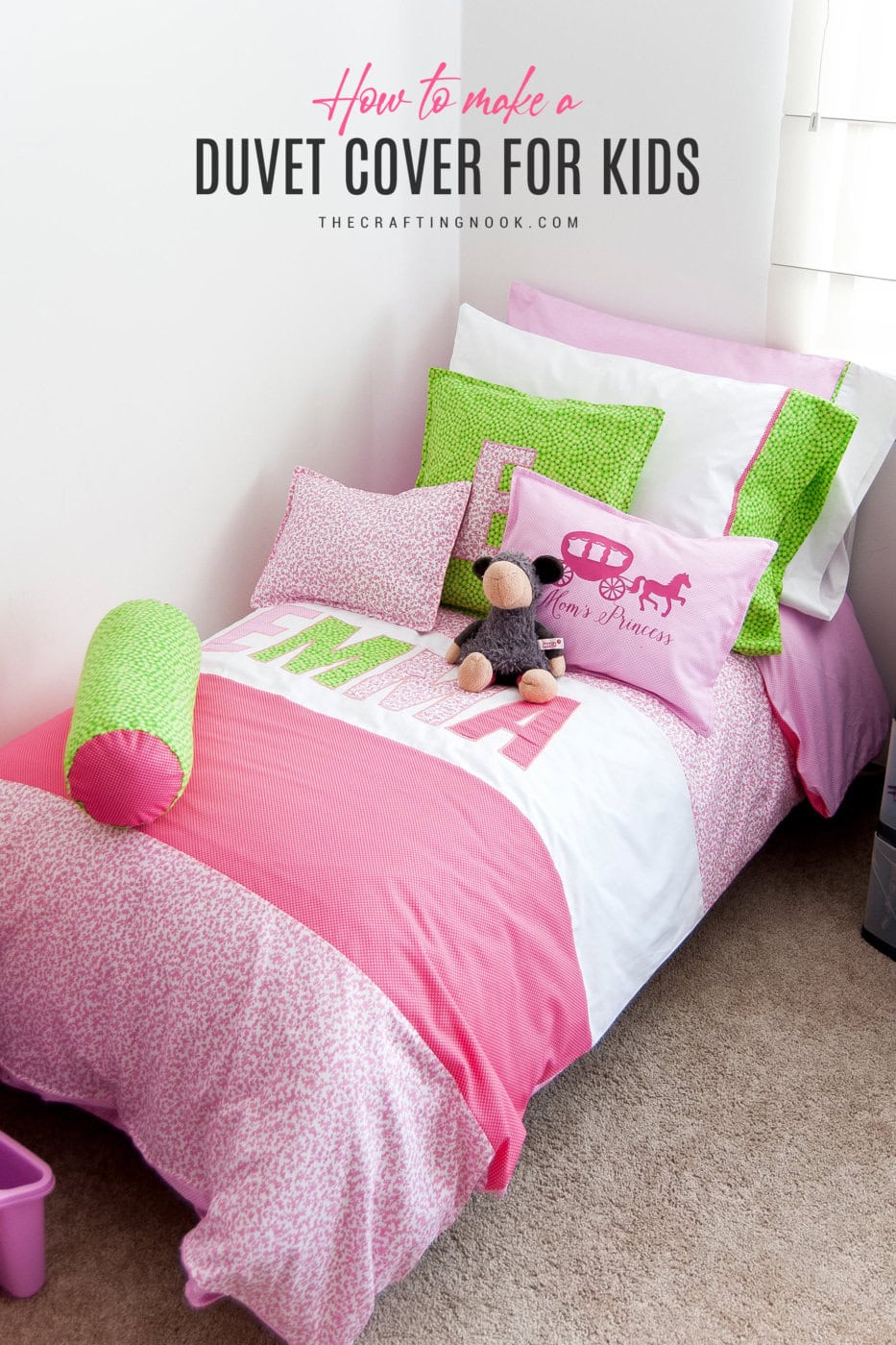
- Kids room: Add big ties in bright colors.
These finish ideas keep how to make duvet cover with sheets fresh and stylish each season.
Frequently Asked Questions of how to make duvet cover with sheets
What size sheets should I use for a queen duvet?
Use two queen flat sheets or two full if you want a snug fit. Measure your duvet and compare to the sheet sizes after washing.
Can I make a duvet cover without a sewing machine?
Yes, but it takes longer. Use fabric glue for hems and hand sew key seams with a backstitch for strength.
How do I stop the duvet from bunching inside?
Sew corner ties and a few mid-side ties. Clip the duvet loops to the ties before closing the cover.
What is the best closure for beginners?
Snaps or ties are the easiest. Buttons look great but need neat buttonholes or a simple hand-worked hole.
Will French seams make the cover too heavy?
No. They add a little weight but a lot of strength. French seams also hide raw edges and last longer in the wash.
How do I wash a sheet-made duvet cover?
Wash in cold or warm water on gentle. Tumble dry low and remove early to cut wrinkles.
Can I use fitted sheets?
Yes, but you must remove the elastic and square the edges. Fitted sheets can be great for color-block panels.
Conclusion
You now know how to make duvet cover with sheets from start to snuggle. Measure well, press often, and pick a closure you enjoy using. Add corner ties and you will never chase a lumpy duvet again.
Set a two hour block this week and make one. Use prints you love and a finish that fits your home. Share your result, ask a question, or subscribe for more simple, smart home sewing guides.