
Clean gently, stop bleeding, protect, monitor, and call your vet if unsure.
You love your cat. Your cat does not love stitches. I’ve helped hundreds of owners learn how to care for cat wound the smart way. In this guide, I’ll show you calm, simple steps that work. You’ll learn what to use, what to avoid, when to bandage, and when to sprint to the vet. Let’s keep the drama low and the purrs high.
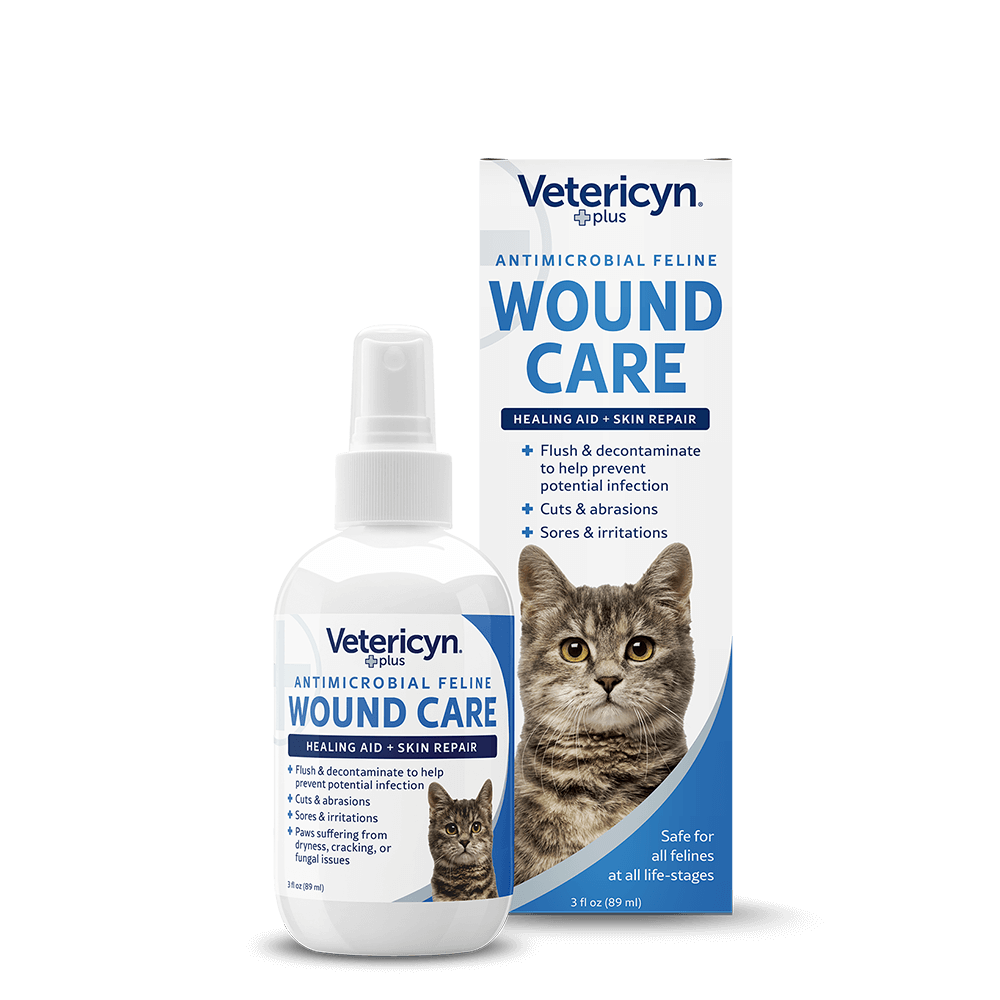
What counts as a wound on a cat?
A wound is any break in the skin. It can be a scratch, a bite, a cut, or a puncture. Burns and hot spots also count. Even tiny holes from fights can hide deep trouble.
Common types you will see:
- Abrasions. Top layer scrapes from rough play or falls.
- Lacerations. Deeper cuts from sharp edges or glass.
- Punctures. Small outside, big inside. Cat bites love to do this.
- Abscesses. Swollen, hot, smelly lumps. Often from old bites.
- Surgical wounds. Clean cuts that still need care.
The skin of cats is thin. It tears fast and seals fast. That sounds nice, but it can trap germs. That is why how to care for cat wound is a skill worth having.
Step-by-step: how to care for cat wound at home
I’ll keep it short and kind. Your cat will thank you later. Here is how to care for cat wound without panic.
- Make it safe
- Keep calm. Speak soft.
- Wrap your cat in a towel burrito if needed.
- If your cat is wild, stop and call your vet.
- Triage and stop bleeding
- Press clean gauze on the spot for two to five minutes.
- Do not peek too soon. Hold firm, but not hard.
- If blood soaks fast or squirts, go to the vet now.
- Rinse like a pro
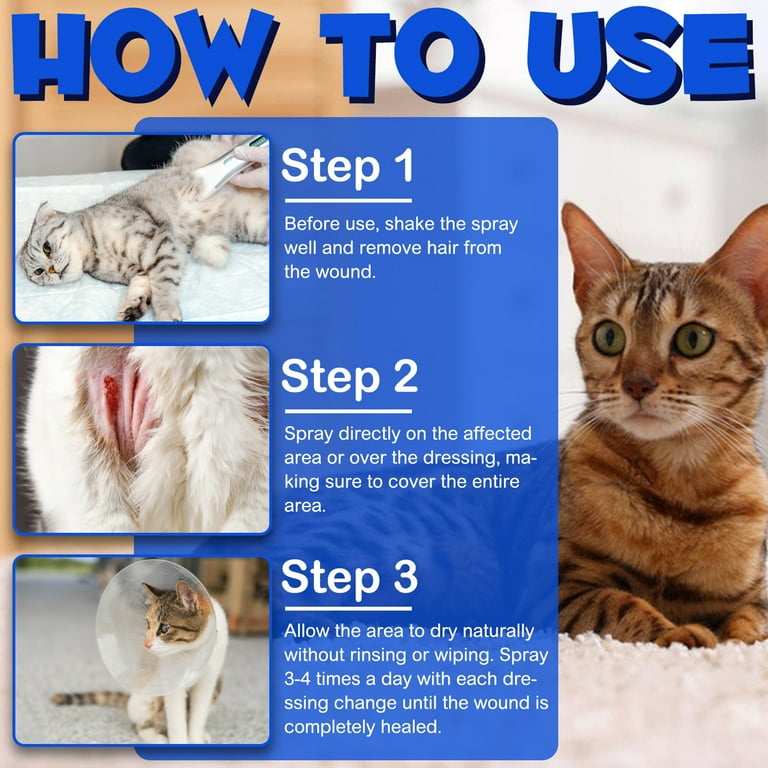
- Flush the area with warm saline or clean water.
- Use low pressure. A squeeze bottle works great.
- Aim to lift dirt out, not scrub it in.
- Clip and clear the fur
- If safe, trim fur around the wound.
- Use blunt-nose scissors or clippers.
- Keep blades flat to the skin.
- Disinfect, but be gentle
- Use diluted chlorhexidine 0.05% or weak povidone iodine.
- Dab or flush. Do not soak for long.
- Skip hydrogen peroxide and alcohol. They hurt tissue.
- Protect the area
- Pat dry. Place a non-stick pad if it oozes.
- Bandage limbs if needed. Chests and bellies are tricky.
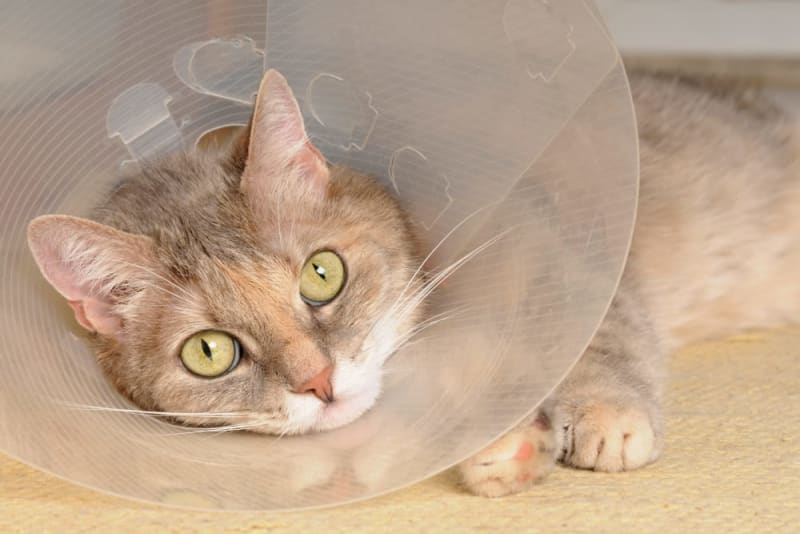
- Use an e-collar so your cat cannot lick.
- Call your vet when in doubt
- Punctures, deep cuts, and face wounds need a vet.
- Cat bites often need antibiotics.
- If your cat is painful, go in.
That is the core of how to care for cat wound. Slow is smooth. Smooth is kind.

Cleaning and disinfecting: do’s and don’ts
Good cleaning beats fancy creams. Clean is king for how to care for cat wound.
Do this:
- Use sterile saline, store-bought or home-made. Mix 1/2 teaspoon salt in 1 cup boiled, cooled water.
- Use chlorhexidine at 0.05%. If you have 2% solution, dilute about 1:40. One teaspoon in four cups of water is close.
- Use povidone iodine diluted to a weak tea color.
Do not do this:
- Do not use hydrogen peroxide, alcohol, or witch hazel. They delay healing.
- Do not use essential oils. Cats cannot process many plant oils.
- Do not pack powders, flour, or cornstarch into wounds.
How often to clean:
- Clean once or twice a day for small wounds.
- If a bandage is on, clean at each change.
- If it looks worse after cleaning, stop and ask your vet.

Source: walmart.com
Bandaging basics and when to skip it
Bandages help only when they are done right. Bad bandages cause harm. Here is how to care for cat wound with a wrap that works.
Bandage when:
- The wound is on a limb or tail.
- It keeps rubbing or gets dirty.
- It bleeds or oozes.
Skip or call the vet when:
- The wound is on the chest, belly, neck, or face.
- Skin is torn wide, or muscle shows.
- You see bites near joints.
How to bandage a limb:
- Place a non-stick pad on the wound.
- Wrap a soft layer of cotton roll or gauze.
- Add a self-adhesive bandage over that.
- Not too tight. Use the two-finger test.
- Toes should stay warm and pink.
Care tips:
- Change daily, or sooner if wet.
- Keep it dry. Use a plastic cover outside, then remove it inside.
- Use an e-collar or recovery suit to stop licking.
Quick humor and truth: Cats are bandage magicians. They can remove a wrap faster than you can say “meowchiato.” E-collar saves the day.

Pain control, antibiotics, and the vet’s role
Your cat hides pain like a tiny ninja. If it limps, growls, or hides, it hurts. Do not guess with human pills.
- Never give acetaminophen, ibuprofen, or naproxen. They are toxic to cats.
- Only use pain meds your vet gives, like cat-safe NSAIDs.
- Antibiotics are vet-only. Cat bites get infected fast.
- Abscesses may need draining and flushing. That is a vet job.
Stitches or staples need checks. Your vet may place a drain. Keep the area clean and dry. Ask when to return. Ask when to remove sutures. With how to care for cat wound, a short vet visit can save weeks of trouble.

Monitoring healing and red flags
Healing has a pattern. You want calm progress, not chaos.
Normal signs:
- Mild swelling the first day.
- A thin scab in one to three days.
- Pink, moist granulation tissue by day three to five.
- Less ooze each day.
Call the vet now if:
- Bad smell, thick pus, or green discharge.
- Heat, redness that spreads, or growing pain.
- Black or gray tissue.
- Fever, low energy, or not eating.
- Bleeding that will not stop.
- Maggots, or you see movement in the wound.
- The wound is near eyes, joints, or the belly.
Tip from the field: I once saw a “tiny” puncture on a calm tabby. It hid a deep abscess the size of a ping-pong ball. Small outside, big inside. When in doubt, get it checked. That is a key rule in how to care for cat wound.

Prevent licking, scratching, and re-injury
Your cat thinks it is a nurse. It is not. Licking adds germs and breaks new tissue. Here is how to care for cat wound and guard it.
- Use an e-collar. Soft cones or donuts work too.
- Try a recovery suit or baby T-shirt for trunk wounds.
- Trim nails to cut scratch damage.
- Keep play low-key for one to two weeks.
- Switch to paper pellet litter if the wound is on a paw.
- Clean, dry bedding is a must.
Avoid bitter sprays on open wounds. The taste can upset your cat. It can also irritate skin.

Preventing wounds in the first place
The best wound is the one that never happens. You can lower risk with a few steps.
- Keep cats indoors or use a catio.
- Neuter to reduce roaming and fights.
- Use parasite control. Less itching means less skin breaks.
- Pet-proof sharp edges and wires.
- Use microchips and collars with quick-release buckles.
- Feed well and keep weight in check. Healthy skin heals fast.
Do a monthly nose-to-tail check. Look for lumps, scabs, or tender spots. Early is easy. That holds true for how to care for cat wound and for most cat woes.

Supplies checklist for how to care for cat wound at home
Build a small first-aid kit. You will be glad you did.
- Saline or the stuff to make it (salt, clean water, bottle).
- Non-stick pads and sterile gauze.
- Soft roll and self-adhesive bandage.
- Pet-safe chlorhexidine or povidone iodine.
- Blunt scissors or clippers.
- E-collar or recovery suit.
- Clean towels and disposable gloves.
- Digital thermometer and lubrication.
- Treats for bribery. The good kind.
- Your vet’s phone and an emergency clinic number.
With these on hand, how to care for cat wound becomes simple, fast, and safe.
Frequently Asked Questions of how to care for cat wound
Can I use Neosporin on my cat?
It is not advised. Cats lick, and some ointments can cause stomach upset or skin reactions. Ask your vet for a cat-safe topical if needed.
How often should I clean a cat wound?
Once or twice a day is enough for small, open wounds. If there is a bandage, clean and change it daily or sooner if wet.
What can I put on a cat wound to help it heal faster?
Clean saline and the right dilution of chlorhexidine or iodine are best. Skip hydrogen peroxide and alcohol, as they slow healing.
How long does a cat wound take to heal?
Small wounds can look good in 3 to 7 days. Bigger cuts or bite wounds may need 2 to 3 weeks and vet care.
When should I take my cat to the vet for a wound?
Go now if it is deep, near an eye or joint, from a bite, or keeps bleeding. Also go if your cat is in pain or acts sick.
Can I leave a small puncture wound alone?
No. Punctures seal fast and trap germs. These often need antibiotics and sometimes a drain.
Conclusion
You now know how to care for cat wound with calm, kind steps. Clean well, protect smart, stop the lick-fest, and call your vet when signs point that way. Tiny holes can hide big drama, but you can spot the clues.
Start today. Build a small first-aid kit, learn the safe cleaners, and save this guide. If you found this helpful, share it with a fellow cat parent, subscribe for more pet care tips, or drop your question in the comments.