
Imagine this: you’re ready to whip up a delicious meal in your kitchen, but when you go to turn on your gas oven, nothing happens. The stove burners are working just fine, but the oven refuses to cooperate.
It’s frustrating, right? If you’ve ever found yourself in this situation, you’re not alone. Many people face this perplexing issue and wonder why their oven won’t turn on while the stove still works perfectly. You’re probably eager to find out what’s going wrong and, more importantly, how to fix it so you can get back to cooking without a hitch.
We’ll delve into the possible causes of this common problem and provide you with practical solutions that can save you time and headaches. Whether you’re a seasoned cook or someone who simply relies on their oven for daily meals, understanding the mechanics behind this issue will empower you to tackle it head-on. Let’s get started!
Common Causes
Gas oven not lighting up while the stove works might stem from a faulty igniter or safety valve. Inspect these parts for dirt or damage to ensure proper function. Regular cleaning and maintenance can prevent these common issues from disrupting your cooking routine.
If your gas oven won’t turn on but the stove works, you’re not alone. This is a common issue that can be frustrating, especially when you’re all set to bake that perfect cake or roast a delicious chicken. Understanding the possible causes can save you time and perhaps even a service call fee. Let’s dive into some common culprits behind this kitchen conundrum.Faulty Ignition System
A faulty ignition system is often the top suspect when your oven refuses to ignite. The ignition system is responsible for lighting the gas that heats your oven. If it’s not working, the oven won’t heat up. Have you ever noticed a clicking sound but no flame? This could be due to a worn-out igniter. You might need to replace it to get your oven back in working order. Don’t rush to conclusions though. Sometimes, cleaning the igniter can solve the problem. A little elbow grease might be all it takes to fix the issue.Malfunctioning Oven Thermostat
The oven thermostat controls the temperature inside your oven. If it’s malfunctioning, your oven might not turn on as it should. Think about the last time you set the temperature and the oven didn’t heat up. This could be a sign of a faulty thermostat. Replacing a broken thermostat can often resolve the problem and get your oven back in action. But before you do, check if the thermostat is properly calibrated. A small adjustment might be all you need.Gas Supply Issues
Gas supply issues can also prevent your oven from turning on. Even if your stove works, your oven might not be getting enough gas. Check if the gas valve is fully open. Sometimes, it might be partially closed, affecting the oven’s performance. Have you inspected the gas line recently? A kink or blockage could be the culprit. Ensuring that gas flows smoothly can often resolve this problem. Have you faced similar issues with your oven? What steps did you take to fix it? Share your experiences in the comments below, and let’s help each other solve these pesky kitchen problems.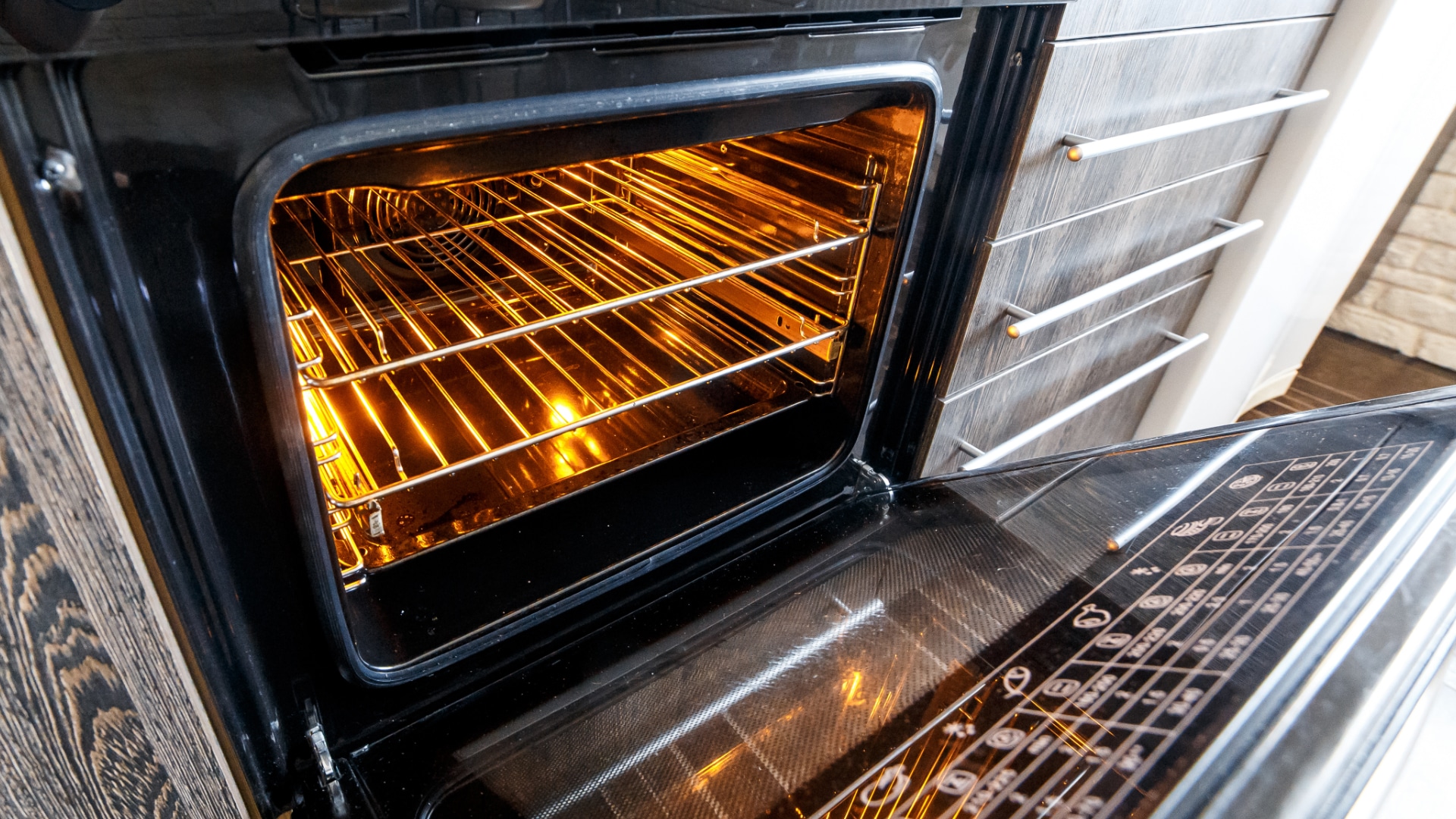
Credit: oceanapplianceservice.com
Basic Troubleshooting Steps
Facing a gas oven that won’t turn on, while the stove works, can be puzzling. Check the oven’s pilot light or electronic ignition for issues. Ensure the gas valve is open and inspect the thermostat settings for accuracy.
If your gas oven won’t turn on but the stove works, don’t worry. There are simple steps you can try at home. These steps will help identify the problem. With a bit of patience, you might fix it without calling a professional. Let’s explore some basic troubleshooting steps.Check Power Connection
First, ensure your oven is plugged in. Sometimes the power cord might be loose. Check if the outlet is working by plugging in another device. If the device works, the outlet is fine. If not, there might be an issue with the outlet.Inspect Gas Valve
Locate the gas valve behind the oven. Make sure it’s open. The valve handle should be parallel to the gas line. If it’s not, turn it to open the gas flow. This step is crucial for your oven to receive gas.Examine Igniter
The igniter is key for lighting the oven. Open the oven and find the igniter at the bottom. Look for any visible damage or wear. It should glow when the oven is on. If it doesn’t, the igniter might need replacing. Listen for a clicking sound, which indicates it’s working.Advanced Fixes
Experiencing a gas oven that won’t turn on while the stove works can be puzzling. Possible causes include a faulty igniter or a malfunctioning thermostat. Identifying the right issue helps you decide if a DIY fix is possible or if professional help is needed.
When your gas oven refuses to ignite, yet the stove burners are working perfectly, you might find yourself scratching your head in confusion. It’s frustrating, right? You can cook on the stove, but the oven remains stubbornly cold. Well, you’re not alone. Many find themselves in this situation, and while basic troubleshooting might not do the trick, there are some advanced fixes that can get your oven back in action.Replace Igniter
The igniter is the heart of your oven’s ignition system. If it’s faulty, your oven won’t light. You can easily replace it with a new one. First, locate the igniter by removing the oven’s bottom panel. Unscrew it carefully. You’ll see two wires attached—disconnect them gently. Once you install the new igniter, reconnect the wires. Ensure they are secure. Test it by turning on your oven. Feel the thrill of seeing your oven ignite once again!Test And Replace Thermostat
Have you ever wondered why your oven sometimes seems to have a mind of its own, refusing to heat up? The thermostat might be the culprit. A faulty thermostat can prevent your oven from reaching the desired temperature. Test it using a multimeter. Ensure it shows continuity. If it doesn’t, replace it with a new one. Place it back where the old one was. Reconnect the wires, and test your oven’s temperature. Experience the joy of accurate cooking temperatures once more!Inspect Gas Supply Line
The gas supply line is vital for your oven’s operation. If there’s a blockage or leak, your oven won’t work. Check the line for any visible damage or disconnections. Tighten any loose connections. Ensure there’s no debris obstructing the gas flow. Once you’re sure the line is clear, try turning on the oven. Imagine the satisfaction of hearing that familiar whoosh of gas igniting. Have you ever tackled a stubborn appliance and come out victorious? What did you learn from the experience?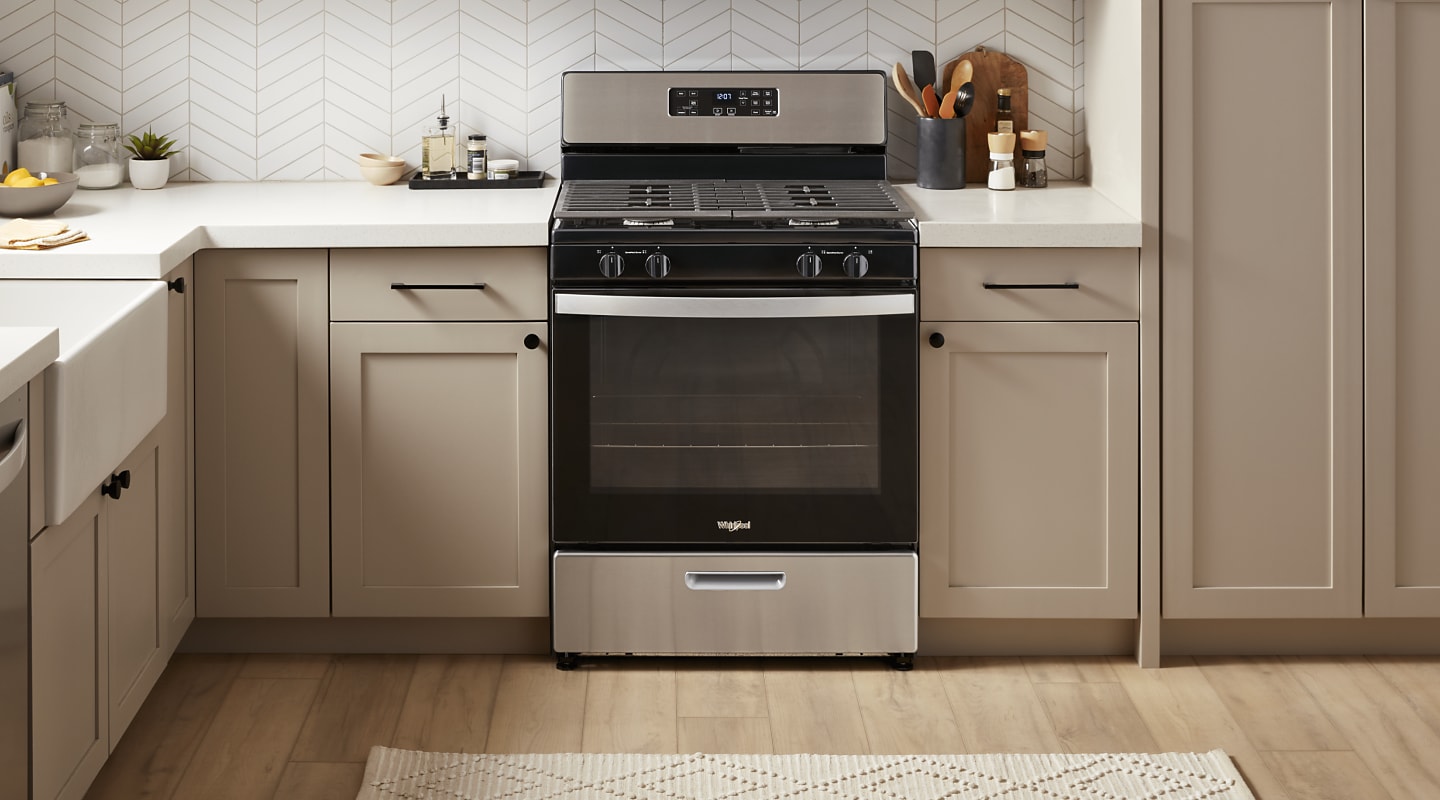
Credit: www.whirlpool.com
Safety Precautions
Experiencing issues with a gas oven not turning on while the stove works requires careful examination. Ensure gas supply is uninterrupted and check the ignition system. Prioritize safety by ventilating the area and consulting a professional if necessary.
When your gas oven refuses to turn on while the stove works perfectly, your first instinct might be to panic. But, before diving into troubleshooting, it’s crucial to ensure your safety. Understanding the potential risks involved can save you from accidents and costly repairs. Let’s dive into some essential safety precautions to keep you and your kitchen safe.Handling Gas Safely
Gas is a powerful energy source that requires respect and careful handling. Always ensure your kitchen is well-ventilated when dealing with gas appliances. If you smell gas, turn off the gas supply immediately and open windows to allow fresh air in. Never use an open flame to check for gas leaks. Instead, use a mixture of soap and water, applied with a brush, to detect bubbles that indicate a leak. When adjusting or inspecting your gas oven, ensure the gas valve is turned off. This simple step can prevent potential disasters.Avoiding Electrical Hazards
Gas ovens often have electrical components, especially in newer models. Before inspecting these parts, unplug the oven to avoid electric shock. Inspect the power cord for any visible damage. Frayed or damaged cords should be replaced by a professional. Use a multimeter to check if electricity is reaching the oven. If you’re unfamiliar with electrical tools, it might be wise to call in an expert. Have you ever thought about how often we take safety for granted until something goes wrong? Staying informed and cautious can make all the difference. Prioritize safety, and you’ll find troubleshooting your gas oven to be a much smoother process.When To Call A Professional
Experiencing a gas oven that won’t ignite can be frustrating. It’s wise to call a professional for help. They can safely diagnose and repair the issue, ensuring your kitchen appliance works efficiently and safely.
When your gas oven won’t turn on, but the stove works, it can be frustrating. You might start by checking basic issues like the pilot light or the oven’s settings. However, there are times when the problem goes beyond simple fixes. This is when calling a professional becomes essential. Knowing when to seek expert help can save you time and prevent further damage.Persistent Issues
If the oven consistently fails to ignite, despite trying basic troubleshooting, it’s time to consider expert intervention. Repeated attempts to fix the same problem can lead to further complications. A professional can diagnose the root cause efficiently and address it with precision.Complex Repairs
Some problems require specialized knowledge and tools. If you encounter issues like gas leaks or faulty wiring, these are not DIY-friendly. A professional has the experience and equipment to safely handle these complex repairs. Attempting such fixes yourself can be dangerous and costly. Before you pick up the phone, ask yourself: is the problem beyond your expertise? An expert not only repairs but also ensures the longevity and safety of your appliance. Relying on professionals can be a smart choice to maintain peace of mind.Preventive Measures
Preventive measures can save you from unexpected gas oven issues. A working stove but a non-functional oven indicates a specific problem. Understanding how to prevent these problems is essential. Here are some key actions to keep your gas oven in top shape.
Regular Maintenance
Regular maintenance is crucial for a smoothly running gas oven. Inspect the oven parts for wear and tear. Clean the burners and oven cavity regularly. Remove food debris and grease buildup. Check the igniter for proper function. A faulty igniter often causes the oven not to start. Replace it if it shows signs of damage.
Schedule professional servicing annually. A technician can spot hidden issues early. They will ensure all parts work efficiently. Don’t ignore minor issues; they can become major problems.
Monitoring Gas Supply
Ensure your gas supply is consistent. Check the gas valve for proper function. A partially closed valve can restrict gas flow. Verify the gas line connections are secure. Loose connections can lead to gas leaks.
Watch for any gas smell near the oven. Gas leaks are dangerous and need immediate attention. Install a carbon monoxide detector in the kitchen. It alerts you to hazardous gas levels. Regularly test the detector to ensure it works.

Credit: www.youtube.com
Frequently Asked Questions
Why Won’t My Gas Oven Turn On?
Common issues include a faulty igniter, broken thermostat, or gas supply problem. Check these components first.
Can The Stove Working Affect The Oven?
No, they function separately. A working stove suggests that the issue is specific to the oven.
How Do I Check My Oven’s Igniter?
Observe if it glows and clicks. If not, it might be defective and need replacement.
Could A Blown Fuse Be The Cause?
Yes, it might be. Check your oven’s fuse and replace it if necessary to restore power.
Is A Professional Needed For Oven Repair?
If basic checks fail, consulting a professional ensures safety and proper repair of complex issues.
Conclusion
Fixing a gas oven can seem tricky. But remember, you are not alone. Many face similar issues. Check connections, inspect the igniter, or consult a professional. Regular maintenance helps avoid future problems. Keep your stove and oven clean and safe.
Use correct procedures for repairs. Always prioritize safety first. A working kitchen brings joy. Follow simple steps and enjoy smooth cooking. Troubleshooting ovens need patience and care. Stay calm and focused. Solve the problem with ease. Happy cooking awaits you!