Choosing the right water heater for your home is a big decision. Hot water is part of everyday life—showers, laundry, cleaning, and more. Today, many homeowners are considering tankless water heaters because they save energy and space. But which type is best: electric or propane tankless water heaters?
This guide dives deep into both options. You’ll learn how each system works, their pros and cons, real-world costs, and what factors matter most when choosing. Whether you want to save money, help the environment, or just want reliable hot water, you’ll find the answers here.
Along the way, you’ll discover insights most buyers miss, and get the facts you need to make a smart, confident choice.
How Tankless Water Heaters Work
Tankless water heaters, sometimes called on-demand heaters, heat water only when you need it. Unlike traditional tanks, they do not store hot water. When you turn on a faucet, cold water flows into the heater, gets heated instantly, and comes out hot. As soon as you turn off the tap, the system shuts down—no energy wasted keeping a tank warm all day.
Electric tankless heaters use high-powered heating elements. Propane tankless heaters burn propane gas to create heat. Both can provide endless hot water, but their operation is quite different.
Key Differences: Electric Vs Propane Tankless Water Heaters
Understanding the main differences helps you match the right system to your needs.
| Feature | Electric | Propane |
|---|---|---|
| Energy Source | Electricity | Propane gas |
| Installation Complexity | Simple (usually) | More complex (venting required) |
| Hot Water Output | Lower (good for small homes) | Higher (better for large homes) |
| Operating Cost | Depends on electric rates | Depends on propane price |
| Maintenance | Low | Moderate (annual checks) |
| Environmental Impact | Can be very low if grid is clean | Lower CO2 than oil/gas but still a fossil fuel |
How Electric Tankless Water Heaters Work
Electric tankless water heaters contain heating coils (like a big electric kettle). When you turn on the hot tap, these coils heat up very fast. Cold water flows over them and heats up instantly. There’s no pilot light, no combustion, and fewer moving parts.
Most electric units are compact and can be installed almost anywhere—under a sink, in a closet, or mounted on a wall. They’re especially popular in apartments, small homes, and places where gas lines are not available.
How Propane Tankless Water Heaters Work
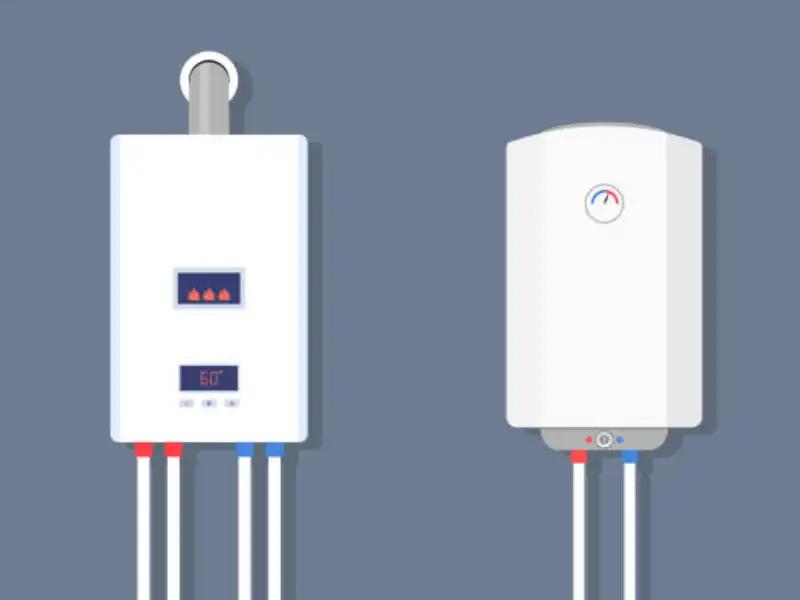
Propane tankless heaters use a gas burner instead of electric coils. When you want hot water, the heater’s flame turns on and heats a metal heat exchanger. Cold water passes through this exchanger and heats up quickly.
Propane units are more powerful than electric ones. They can supply hot water to multiple showers, washers, and sinks at the same time. However, they need proper venting to safely remove exhaust gases, and they require a steady supply of propane, either from a tank or a utility line.
Comparing Performance: Hot Water Output
The main reason people choose a tankless system is endless hot water. But not all units are created equal.
Electric tankless heaters usually deliver 2 to 5 gallons per minute (GPM). This is enough for one shower or a shower plus a sink at the same time.
Propane tankless heaters can often deliver 6 to 11 GPM. This means you can run two showers, a washing machine, and a dishwasher at once without losing pressure or temperature.
Non-obvious insight: In cold climates, incoming water is colder, so even a large propane unit may deliver less hot water than advertised. Always check the GPM rating for your region’s average water temperature.
Installation: What’s Involved?
Electric Tankless Heater Installation
Electric units are usually easier to install, but there’s a catch: they often require major electrical upgrades. A standard household circuit may not provide enough power. Some units need 120–150 amps, while most homes have just 200 amps total. You may need to upgrade your electrical panel, which adds to the cost.
Propane Tankless Heater Installation
Propane units need a gas line (or a large propane tank outside), proper venting, and sometimes a condensate drain. If your home already uses propane for heat or cooking, adding a water heater is easier. If not, expect additional costs for gas lines and venting.
Pro tip: Don’t forget to check local codes. Some places require professional installation and permits for propane heaters.
Credit: www.jnodtech.com
Cost Breakdown: Upfront, Operating, And Maintenance
| Cost Type | Electric | Propane |
|---|---|---|
| Unit Price | $200–$700 | $400–$1,500 |
| Installation | $150–$1,500 (varies with electrical work) | $1,000–$3,000 (gas lines, venting) |
| Annual Maintenance | $0–$80 (descaling if hard water) | $80–$200 (vent check, burner cleaning) |
| Operating Cost (annual) | $200–$600 (depends on rates) | $250–$900 (propane prices vary) |
Insight: Electric units seem cheaper upfront, but electrical upgrades can make them as expensive as propane. Propane units cost more to install but often have lower long-term maintenance needs.
Energy Efficiency And Environmental Impact
Both electric and propane tankless heaters are more efficient than old-style tanks.
- Electric tankless heaters are typically 98–99% efficient. Almost all the energy goes into heating water.
- Propane tankless heaters are usually 82–95% efficient, depending on the model (condensing units are more efficient).
Electric heaters create zero emissions at home. If your utility uses clean energy (solar, wind, hydropower), they are nearly carbon-free. If the local grid uses coal or natural gas, the environmental impact is higher.
Propane is a clean-burning fossil fuel. It releases less CO2 than oil or natural gas, but it still produces greenhouse gases. However, propane units often use less energy overall than old gas tanks.
Missed by many: Electric tankless heaters use a lot of power at one time (high “demand”), which can strain electrical grids during peak hours. This can be an issue in areas with older infrastructure.
Reliability And Lifespan
Both types are reliable if properly installed and maintained.
- Electric units have fewer moving parts and can last 10–15 years.
- Propane units usually last 10–20 years with regular service.
Hard water can reduce lifespan. Scale builds up inside the heat exchanger, especially in electric units. A yearly descaling or flush is recommended in hard water areas.
Advanced tip: For propane units, check the burner and vent system each year to prevent carbon monoxide leaks.
Space And Placement
Tankless units are small—about the size of a suitcase.
- Electric tankless heaters can be installed almost anywhere: Closets, under sinks, even in cabinets. They don’t need venting.
- Propane heaters are bigger and must be placed near an outside wall for venting. You need enough space for air flow and safety.
Outdoor propane models are available, which free up indoor space and simplify venting. These are popular in warmer climates.
Hot Water Delay: Is There A “lag”?
Both types have a short “lag” between turning on the tap and getting hot water. This delay is due to water moving through pipes, not the heater itself.
However, propane units may have a slightly longer ignition time (1–2 seconds) as the burner lights. Electric units are nearly instant.
Non-obvious insight: Far-away faucets still take time for hot water to arrive. A recirculation pump can solve this, but it adds cost and complexity.
Safety Considerations
Electric tankless heaters are very safe—no combustion, no open flame, no gas leaks. Modern units have multiple safety shutoffs.
Propane tankless heaters require care:
- Proper venting is critical to prevent carbon monoxide buildup.
- Gas leaks are rare but serious. Install detectors and check connections annually.
- Only licensed professionals should install or service propane units.
Tip: No matter which type, install a mixing valve to prevent scalding, especially if children or elderly people are at home.

Credit: everestkitchennc.com
Noise Level
Electric units are almost silent—you may hear a soft “click” when they turn on.
Propane units make a low “whoosh” sound as the burner ignites. It’s not loud, but if your heater is near a bedroom or living area, consider the noise factor.
Best Use Cases: Which Heater Fits Your Needs?
When To Choose Electric Tankless
- Small households (1–2 bathrooms)
- Apartments, condos, or places without gas service
- When space is very limited
- Where electrical upgrades are affordable
- For point-of-use hot water (like a single sink or shower)
When To Choose Propane Tankless
- Large families or homes with 2+ bathrooms
- Homes with high hot water use (multiple showers at once)
- Rural areas with no natural gas lines
- When you already use propane for heating or cooking
- Outdoor or garage installations
Common Buyer Mistakes To Avoid
- Ignoring electrical needs: Many buyers overlook the power requirements of electric units. Check your electrical panel before buying.
- Sizing mistakes: Don’t guess—use the manufacturer’s calculator for flow rate and temperature rise. An undersized unit will disappoint.
- Skipping permits and pro installation: DIY is tempting but risky. Incorrect venting or wiring can be dangerous and may void warranties.
- Forgetting about hard water: If your water is hard, plan for annual descaling or add a water softener.
- Not comparing fuel costs: Propane prices can swing a lot. Compare local electric and propane rates before deciding.
Real-world Examples
Example 1: Small Urban Apartment
Lisa lives in a one-bedroom apartment. She needs hot water for showers and a dishwasher, but never both at once. Her building has no gas lines. She chooses a 6kW electric tankless heater. Installation is quick and only costs $300, since her panel has enough power. Her monthly electric bill rises by $15, but she saves space and never runs out of hot water.
Example 2: Rural Family Home
The Chen family lives in a 4-bedroom house with three bathrooms. They use propane for cooking. They install a 199,000 BTU propane tankless heater with outdoor venting. The upfront cost is $2,800 including the gas line extension, but they can run two showers and a washing machine at once, even in winter. Their propane bill varies but averages $40/month more than before.
Example 3: Vacation Cabin
A vacation cabin is off-grid, with only solar power and a large propane tank. The owner chooses a propane tankless heater because solar can’t handle the power draw of an electric unit. The propane heater works even in freezing weather and takes up little space.
Advanced Comparison: Pros And Cons
| Aspect | Electric Tankless | Propane Tankless |
|---|---|---|
| Energy Efficiency | Very high (98–99%) | High (up to 95%) |
| Environmental Impact | Low, if grid is clean | Lower than oil/gas, but still fossil fuel |
| Installation Simplicity | High (unless panel upgrade needed) | Moderate (needs venting, gas line) |
| Hot Water Output | Limited (best for small homes) | Excellent (large homes/multiple uses) |
| Upfront Cost | Lower (unless major upgrade) | Higher (but may be offset over time) |
| Safety | Very high | High, with proper venting |
Factors To Consider Before Buying
Before you choose, think about these factors:
- Local fuel prices: Electric rates and propane costs vary by region.
- Home size and hot water needs: Count showers, tubs, appliances, and people.
- Available power: Can your electrical panel handle an electric unit?
- Space and location: Indoor/outdoor, venting, clearance requirements.
- Climate: Colder areas need more heating power.
- Maintenance: Are you willing to do (or pay for) annual checks?
- Environmental goals: Does your utility use clean energy?

Credit: www.waltoninc.com
Installation And Maintenance Tips
- Always hire a licensed professional for installation.
- For electric units, check your panel and wire size before buying.
- For propane units, inspect venting and gas connections every year.
- Flush the unit at least once a year if you have hard water.
- Set the temperature to 120°F—hot enough for comfort, safe for children.
Future Trends: Smart Features And Green Energy
Modern tankless heaters are getting “smarter. ” Some now connect to Wi-Fi, letting you monitor usage and set schedules from your phone. Advanced models adjust heating power based on flow, saving even more energy.
With the rise of solar power and cleaner electrical grids, electric tankless heaters will become even more eco-friendly. Some propane units can switch to bio-propane, a renewable version made from plant waste, reducing carbon impact.
According to the U.S. Department of Energy, tankless heaters can save families $100 or more per year compared to tanks, though your actual savings depend on usage and energy rates. For more details, see this official government resource.
Making The Right Choice: Electric Or Propane?
Here’s a quick decision guide:
- Choose electric if you have a small household, want a simple install, and have enough electrical capacity.
- Choose propane if you need lots of hot water, live off-grid or in a rural area, or already use propane at home.
It’s not just about energy efficiency or cost—think about your home’s needs, local energy prices, and long-term plans. Don’t forget installation challenges and future maintenance.
The best system is one that fits your lifestyle, budget, and values. Take the time to research, compare real-world data, and talk to trusted installers.
Frequently Asked Questions
What Size Tankless Water Heater Do I Need?
Sizing depends on your peak hot water demand. Add up the flow rates (GPM) for all the fixtures you might use at once (showers, sinks, washers). Factor in your incoming water temperature—a colder climate means you need a more powerful heater.
Most homes need 6–10 GPM for whole-house use.
Are Electric Tankless Water Heaters Really Energy Efficient?
Yes, electric tankless heaters are about 98–99% efficient. Almost all the energy turns into hot water. However, if your electricity comes from fossil fuels, the overall environmental impact depends on your utility’s energy source.
Is Propane Or Electric Cheaper To Run?
It depends on your local energy prices. In many areas, propane is more expensive than electricity, but propane heaters can deliver more hot water at once. Always compare local rates before deciding.
Do Tankless Water Heaters Need Maintenance?
Yes, both types need some maintenance. Electric units may need annual descaling if you have hard water. Propane units should be checked each year for burner and vent safety. Regular service keeps your heater running efficiently and safely.
Can I Install A Tankless Water Heater Myself?
DIY installation is not recommended for either type. Electric units often require new wiring; propane units need safe venting and gas connections. Mistakes can be dangerous and may void warranties. Always hire a licensed professional.
Choosing between electric and propane tankless water heaters is a big decision. With the right information, you can pick a system that provides reliable, efficient hot water for years to come.