Are you frustrated with your tomato plants? After all your hard work, they stand tall and leafy, but where’s the fruit?
You’re not alone. Many gardeners face this puzzle, and it can be disheartening. But don’t worry. Understanding why your tomato plants aren’t producing fruit is the first step towards a bountiful harvest. You’ll discover common reasons behind this issue and, more importantly, how you can fix it.
Imagine plucking ripe, juicy tomatoes from your garden. Let’s turn that vision into reality by uncovering the secrets to a fruitful tomato plant. Ready to dig in?
Common Causes Of Poor Fruit Production
Tomato plants sometimes struggle to bear fruit. Many factors affect their fruit production. Understanding these can help improve your harvest.
Temperature Extremes
Tomatoes love moderate temperatures. Extreme heat or cold can harm them. High temperatures over 85°F can stop fruit setting. Low temperatures under 55°F can also hinder growth. Protect plants with shade cloth in hot conditions. Use row covers during cold snaps.
Insufficient Pollination
Pollination is vital for tomatoes. Bees and wind help in this process. A lack of pollinators can cause poor fruit set. Encourage bees by planting flowers nearby. Gently shake plants to aid wind pollination.
Nutrient Imbalance
Tomatoes need balanced nutrients. Too much nitrogen leads to leafy growth. This can reduce fruit development. Ensure phosphorus and potassium levels are adequate. These nutrients boost flowering and fruiting.
Watering Issues
Consistent watering is crucial. Too little water stresses plants. Too much leads to root rot. Use a drip system for steady moisture. Mulch helps retain soil moisture and regulates temperature.
Optimal Growing Conditions
Tomato plants need the right conditions to produce fruit. Without optimal growing conditions, your plants may struggle. Understanding what tomatoes need can help ensure a healthy harvest.
Ideal Temperature Range
Tomatoes prefer warm weather. They grow best between 70 and 85 degrees Fahrenheit. Cold nights can hinder fruit production. Temperatures below 55 degrees can stop growth entirely. Protect plants from unexpected frost.
Proper Sunlight Exposure
Sunlight is crucial for tomatoes. They need full sun to thrive. Aim for six to eight hours of sunlight daily. Less sunlight can lead to poor fruit development. Ensure plants are not shaded by trees or buildings.
Soil Requirements
Rich, well-drained soil is essential for tomato plants. Ensure soil pH is between 6.0 and 6.8. Nutrient-rich soil encourages healthy growth. Add compost to improve soil quality. Avoid waterlogged soil, which can harm roots.
Enhancing Pollination
Tomato plants need proper pollination to produce fruit. Without it, you may see flowers without tomatoes. Enhancing pollination can boost fruit production. Let’s explore how to make your garden more pollinator-friendly.
Attracting Pollinators
Pollinators like bees and butterflies help transfer pollen. They are essential for tomato plants. To attract them, plant flowers nearby. Bright colors and sweet scents draw them in. Marigolds and sunflowers work well. Keep your garden diverse and pesticide-free. Chemicals can harm these helpful creatures. Provide water sources like shallow bowls. Pollinators need water to thrive.
Hand Pollination Techniques
Sometimes, natural pollinators are scarce. Hand pollination can help in such cases. Gently shake the tomato plant. This mimics the wind and moves pollen. Use a small brush or cotton swab. Transfer pollen from one flower to another. Do this in the morning for best results. Early hours have optimal humidity levels. Hand pollination ensures flowers receive enough pollen.

Credit: www.youtube.com
Nutrient Management
Tomato plants may not produce fruit due to poor nutrient management. Insufficient phosphorus or potassium affects flowering and fruiting. Ensure balanced fertilizers to support healthy growth and development.
Managing nutrients effectively is crucial for your tomato plants to produce fruit. Just like humans need a balanced diet to thrive, your plants require the right mix of nutrients to grow healthy and bear tomatoes. If you’ve ever wondered why your tomato plants are all leaves and no fruit, the answer might lie in how you’re managing their nutrition.Essential Nutrients For Fruit Set
Tomato plants need several key nutrients to set fruit. Nitrogen, phosphorus, and potassium are the primary ones. Nitrogen helps in leaf growth, but too much can actually hinder fruit production. Phosphorus is vital for the development of flowers and fruits. Potassium improves the overall health of the plant and boosts fruit quality. Magnesium and calcium also play roles in fruit setting. Magnesium aids in photosynthesis, while calcium is essential for strong cell walls.Using Fertilizers Effectively
Have you ever felt overwhelmed by the array of fertilizers available? You’re not alone. Start with a balanced fertilizer that contains equal parts of nitrogen, phosphorus, and potassium. When you notice lush foliage but no fruits, consider switching to a low-nitrogen, high-phosphorus fertilizer. This encourages flowering and fruiting. Applying fertilizers at the right time is crucial. Early in the season, use nitrogen-rich fertilizers to support plant growth. As the plant matures, shift focus to phosphorus and potassium-rich fertilizers to promote fruit development. It’s important to avoid over-fertilizing, as this can burn your plants or lead to nutrient imbalances. Always follow the instructions on the fertilizer package. If you’re using organic options, compost and well-rotted manure can provide a gentle nutrient boost. Remember, consistency is key to providing your plants with the nutrition they need. If your tomato plants are still not producing fruit after addressing nutrient management, it might be time to explore other factors like pollination or environmental conditions. Have you checked if your plants are getting enough sunlight or water?Watering Techniques
Tomato plants may fail to bear fruit due to improper watering techniques. Consistent soil moisture is crucial for fruit development. Overwatering or underwatering can stress plants, hindering fruit production.
Growing tomato plants without seeing them bear fruit can be frustrating. Many gardeners overlook the importance of proper watering techniques. Watering isn’t just about keeping your plants hydrated; it plays a crucial role in their ability to produce fruit. Let’s dive into some effective watering strategies.Consistent Watering Schedule
Maintaining a consistent watering schedule is key to healthy tomato plants. Water deeply and regularly to encourage strong root growth. If you water sporadically, your plants may become stressed, affecting fruit production. Try to water your tomato plants in the morning. This allows excess moisture to evaporate during the day, reducing the risk of fungal diseases. Consider using a soaker hose or drip irrigation system to ensure even moisture distribution.Signs Of Overwatering And Underwatering
Spotting the signs of overwatering or underwatering early can save your tomato plants. Overwatered plants often have wilted leaves and may develop root rot. If you notice yellowing leaves, it’s time to check your watering habits. On the other hand, underwatered plants will have dry, brittle leaves. They might also display brown edges on the leaves. Regularly check the soil moisture by sticking your finger an inch deep into the soil. If it feels dry, it’s time to water. Have you ever overwatered your plants because you thought they looked thirsty? It’s a common mistake. Understanding these signs helps you adjust your watering techniques and boosts your chances of seeing those vibrant red tomatoes on your plants. Ultimately, the secret to a fruitful tomato plant lies in consistent and mindful watering. Are you ready to give your tomato plants the hydration they need to thrive?Pest And Disease Control
Struggling with tomato plants not producing fruit often ties back to pest and disease issues. Regular checks for pests like aphids and diseases such as blight can help. Healthy plant care improves fruit production and reduces plant stress.
Tomato plants often face challenges that hinder fruit production. One major issue is pest and disease control. Pests and diseases can severely affect plant health and fruit development. Understanding how to identify and manage these problems is crucial for a successful harvest.Identifying Common Pests
Aphids are small, soft-bodied insects that cluster on leaves. They suck sap and weaken plants. Look for sticky residue on leaves. This residue is called honeydew. Hornworms are large caterpillars that devour leaves. They can strip a plant overnight. Check for droppings and missing leaves. Spider mites are tiny and hard to see. They leave fine webs on plants. Plants may look speckled or have yellow leaves.Preventing Fungal Diseases
Fungal diseases thrive in warm, humid conditions. Blight is a common problem. It causes brown spots on leaves and stems. Powdery mildew appears as white, powdery spots. It often affects leaves and stems. Ensure good air circulation around plants. Space them properly and prune regularly. This helps reduce humidity. Water plants at soil level. Avoid wetting the leaves. Wet leaves can encourage fungal growth. Rotate crops yearly to prevent disease buildup. Use resistant varieties if possible. These are less likely to succumb to disease. Regularly inspect plants for signs of trouble. Early detection makes control easier.Pruning And Plant Care
Tomato plants may struggle to produce fruit due to improper pruning or inadequate care. Ensuring balanced sunlight and adequate nutrients can enhance fruit growth. Regularly check for signs of pests or diseases to keep plants healthy.
Pruning and caring for your tomato plants can be the key to unlocking a bountiful harvest. Without the right attention, even the most promising tomato plants can struggle to bear fruit. Taking the time to understand the importance of pruning and proper plant care might just be the game-changer you need for your garden. But how exactly does pruning affect your tomato plants?Benefits Of Pruning
Pruning helps direct your plant’s energy towards fruit production. By removing excess leaves, you allow more sunlight to reach the fruit. This enhances photosynthesis, which is crucial for fruit development. Have you ever noticed how trimmed plants seem more vibrant? It’s because they focus on growing stronger fruit rather than unnecessary foliage.Avoiding Overcrowding
Overcrowding can suffocate your tomato plants. When plants are too close together, they compete for sunlight, water, and nutrients. This competition leads to weaker plants that struggle to produce fruit. Imagine attending a crowded party where you can’t move or breathe comfortably. Would you enjoy it? Your tomato plants feel the same way. Ensure they have enough space to grow and spread their roots. Proper spacing not only prevents disease but also boosts productivity. Each plant should have room to thrive, just like you need space to grow in life. So, are you giving your tomato plants the care they deserve?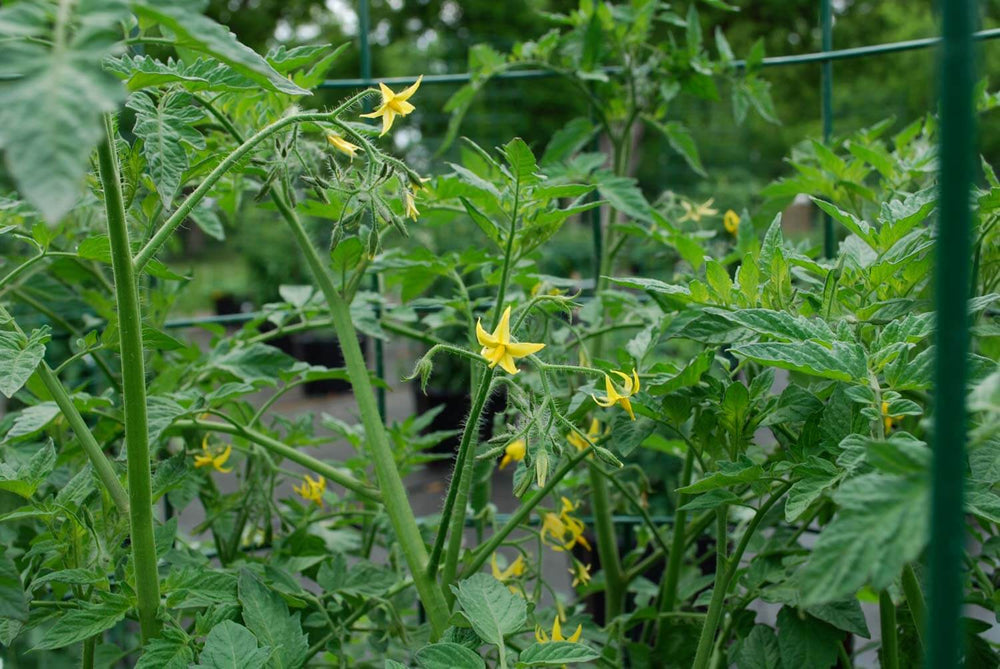
Credit: bonnieplants.com
Variety Selection
Choosing the right tomato variety is crucial for fruit production. Some types need specific climates to thrive. Consider your region’s weather and growing conditions when selecting tomato varieties to ensure successful fruiting.
Variety selection plays a crucial role in the success of your tomato plants producing fruit. Choosing the right variety can mean the difference between a bountiful harvest and disappointment. It’s more than just picking any seed packet off the shelf; it’s about understanding the characteristics that suit your garden’s specific conditions.Choosing High-yield Varieties
When selecting tomato varieties, consider those known for high yields. Some varieties are bred specifically to produce more fruit, making them ideal for gardeners looking to maximize their harvest. Roma and Celebrity tomatoes are popular choices due to their robust production and disease resistance. Think about your climate. Some high-yield tomatoes thrive in heat, while others prefer cooler temperatures. Research and match the variety to your local weather patterns for the best results.Understanding Hybrid Vs. Heirloom
The choice between hybrid and heirloom tomatoes can affect your plant’s productivity. Hybrid tomatoes are cross-bred for specific traits, like disease resistance and uniformity in fruit size. They often provide a more consistent yield, which can be beneficial if you’re after a reliable harvest. Heirloom tomatoes, on the other hand, are valued for their flavor and historical lineage. They may require more attention to prevent disease and pests, but the taste is often worth the extra effort. Ask yourself: Are you aiming for quantity, or is flavor your top priority? When I first started gardening, I planted only heirloom varieties, drawn by their rich flavors and stories. However, I quickly realized that they struggled in my humid climate. Switching to hybrids like Better Boy allowed me to enjoy a plentiful harvest without constant battle against diseases. Choosing the right tomato variety doesn’t just impact yield; it influences your gardening experience. What kind of gardener are you? Whether you’re after the juiciest bite or the most tomatoes per plant, understanding variety selection is key to your tomato-growing success.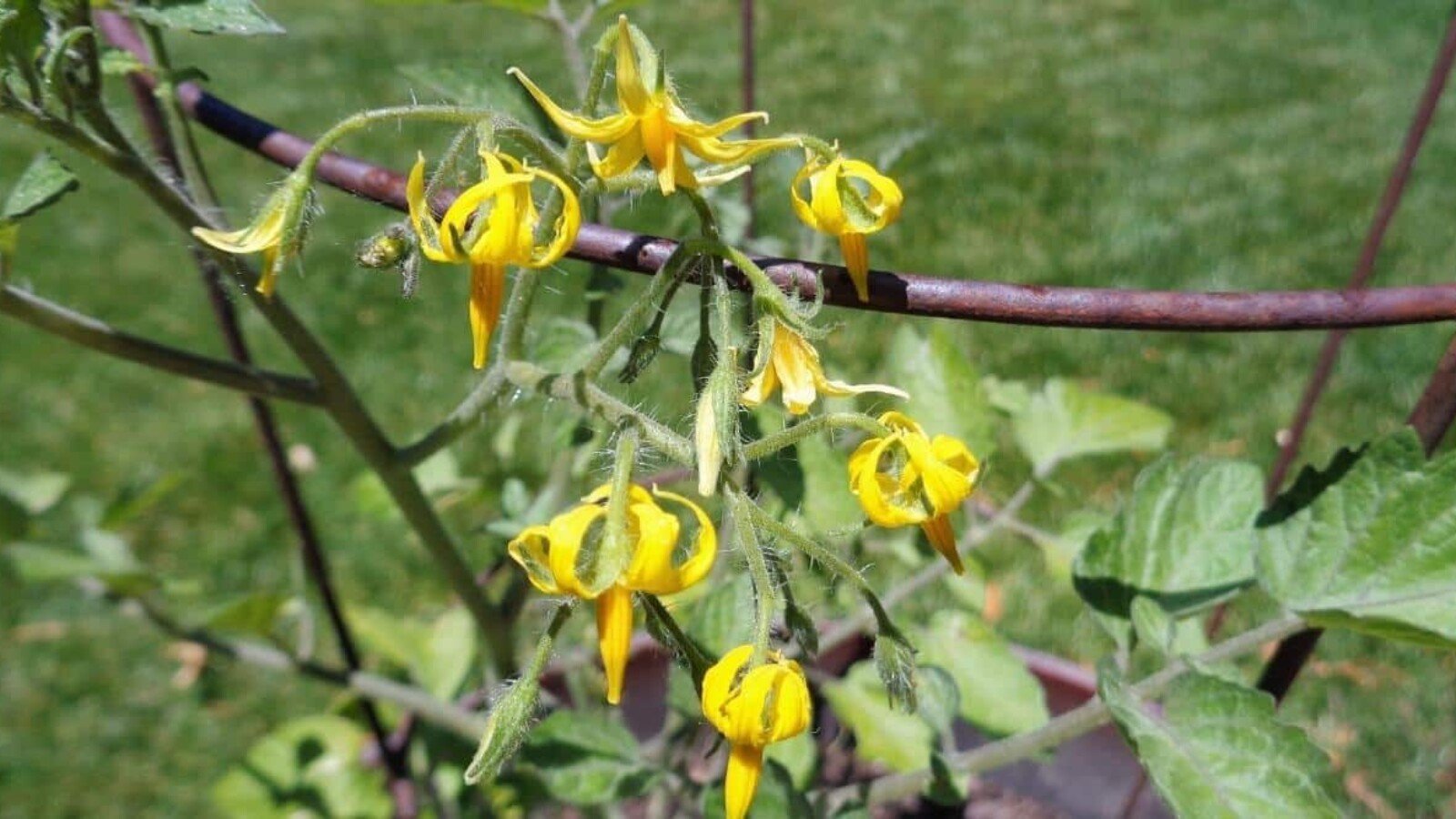
Credit: www.epicgardening.com
Frequently Asked Questions
Why Are My Tomato Plants Not Flowering?
Tomato plants need the right temperature and light to flower. Too much shade or cold can prevent blooming.
Can Poor Soil Affect Tomato Fruit Production?
Yes, poor soil lacks nutrients that tomato plants need. Good soil ensures healthy plants and fruit production.
Do Pests Stop Tomato Plants From Fruiting?
Pests like aphids can damage flowers and fruit. Regular checks and organic treatments help control them.
Is Watering Too Much Bad For Tomatoes?
Yes, overwatering can cause root rot. Water deeply but not frequently for healthy tomato fruit production.
Does Lack Of Pollination Affect Tomato Fruit?
Tomatoes need pollination to produce fruit. Wind or bees usually help. In greenhouses, hand pollination might be needed.
Conclusion
Tomato plants need care for healthy fruit production. Check sunlight, water, and soil. Ensure the plants get six hours of sun daily. Water them consistently, but avoid soggy soil. Use quality soil with nutrients and good drainage. Watch for pests and diseases; they harm growth.
Sometimes, plants grow but don’t fruit. This happens if conditions aren’t right. With proper care, tomato plants can thrive. You can enjoy fresh tomatoes from your garden. Keep monitoring and adjusting care as needed. Happy gardening!