Your home is your sanctuary, a place where you should feel comfortable and relaxed. But what happens when you step into your basement and are greeted by an unpleasant sewer-like smell?
It’s not only unsettling but also a clear sign that something isn’t right. You might find yourself asking, “Why does my basement smell like sewer? ” This mysterious and unwelcome odor can disrupt your peace of mind and leave you feeling uneasy about the underlying issues.
You’re not alone in this dilemma, and you’re probably eager to find a solution. Understanding the reasons behind this troubling scent is the first step toward regaining your comfort and ensuring your home is safe. We’ll uncover the common culprits behind that sewer smell and provide actionable insights to help you eliminate it for good. Stay with us as we explore practical solutions that can restore your basement to its odor-free state, allowing you to breathe easy once more.

Credit: www.reddit.com
Common Causes Of Sewer Smell
Walking into your basement and detecting a sewer smell can be unsettling. Understanding the common causes can help address the issue effectively. These odors often hint at underlying problems that need immediate attention.
Dry P-trap
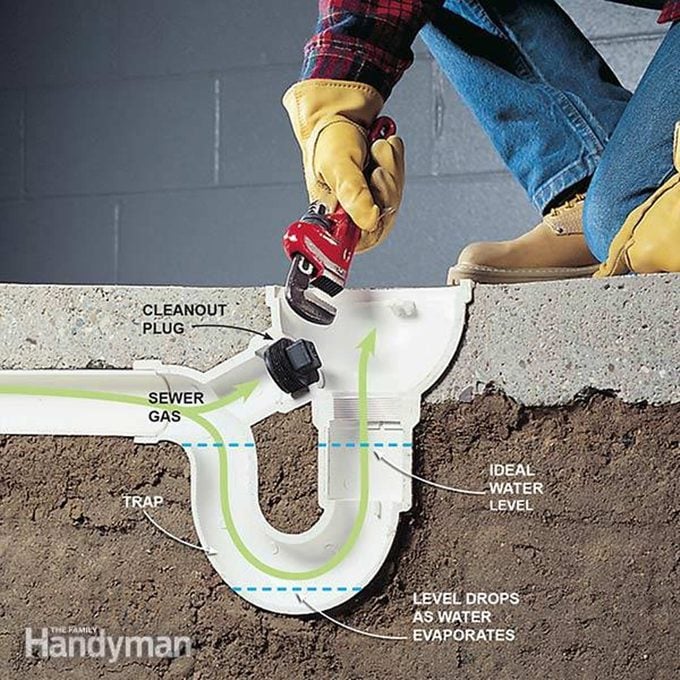
A dry P-trap can lead to sewer smells in your basement. The P-trap holds water, preventing gases from entering your home. If it dries out, sewer gases escape easily, causing unpleasant odors. Regularly check and refill your P-traps to prevent this issue.
Clogged Drains
Clogged drains can be another source of sewer smells. Blockages cause water to stagnate, emitting foul odors. Use a plunger or drain cleaner to clear the blockages. Regular maintenance keeps your drains clean and odor-free.
Broken Or Leaky Sewer Pipes
Broken or leaky pipes allow sewer gases to seep into your basement. These leaks can be due to aging pipes or damage. Inspect your pipes regularly for cracks or leaks. Repairing or replacing damaged pipes eliminates the smell.
Ventilation Issues
Poor ventilation often leads to sewer smells in basements. Without proper airflow, gases accumulate and cause odors. Ensure your basement has adequate ventilation. Install fans or open windows to increase airflow and reduce odors.
Identifying The Source
Identifying the source of that unsettling sewer smell in your basement is crucial for resolving the issue effectively. It’s not just about removing the odor but ensuring your home environment remains safe and healthy. Let’s dive into practical ways you can pinpoint the origin of this smell.
Visual Inspection
Start by conducting a thorough visual inspection. Look for any signs of moisture or leakage, such as wet spots or water stains on walls and floors. These could indicate a plumbing issue or a crack in your foundation.
Check for mold or mildew, as these often accompany sewer smells. They thrive in damp environments and can worsen the odor.
Don’t forget to examine pipes and fixtures. Are there any visible cracks or loose connections? These could be contributing to the smell.
Using Smell To Pinpoint
Your nose is a powerful tool in identifying the source of odors. Walk around your basement and note where the smell is strongest.
If the smell intensifies near certain areas, such as corners or specific walls, you might be closer to the source. This can help narrow down where to look further.
Consider if the smell changes with weather patterns. Does it worsen after heavy rain? This could point to drainage issues or foundation cracks.
Checking Basement Drains
Basement drains are often culprits in sewer smells. Inspect them closely for blockages or standing water, which can trap odors.
Pour water down each drain to check if it flows smoothly. Slow drainage might indicate a clog or a problem further in the plumbing system.
Ensure drain traps are functional, as they prevent sewer gases from entering your home. If traps are dry, refill them with water to restore their effectiveness.
As you navigate through these steps, ask yourself: What other signs might I be missing? Sometimes, it’s the details we overlook that hold the key to solving the problem. Keep your senses alert and your mind open to possibilities. Your basement should be a space of comfort, not a source of distress. Take charge and make it happen.
Diy Remedies For Sewer Odor
Dealing with a sewer smell in your basement can be frustrating. The good news is you can tackle this problem with simple remedies. DIY methods can often resolve the issue without much hassle. Let’s explore some effective ways to eliminate that unpleasant odor.
Cleaning Drains With Baking Soda And Vinegar
Baking soda and vinegar offer a natural cleaning solution. Pour a cup of baking soda down the drain. Follow it with a cup of vinegar. The mixture will fizz and bubble. Let it sit for about 15 minutes. Rinse with hot water to clear away debris.
Flushing P-traps
P-traps hold water to block sewer gases. Sometimes, they dry out or become clogged. To fix this, run water through every sink and drain. This helps refill the traps. Check each trap regularly to ensure it’s functioning properly.
Improving Basement Ventilation
Basement ventilation can reduce sewer odor. Open windows or install a vent fan. Fresh air circulation helps disperse unpleasant smells. Make sure vents are unobstructed and working efficiently.
Credit: www.familyhandyman.com
When To Call A Professional
Sometimes, a sewer smell in the basement needs expert help. Understanding when to call a professional can save time. It also protects your home from further damage. Let’s explore specific situations where expert assistance is crucial.
Persistent Odor Problems
A persistent sewer smell is a sign of a bigger issue. Temporary fixes might not solve the problem. If the smell lingers despite cleaning, a professional assessment is wise. Experts can identify hidden problems causing the odor. They have the tools and knowledge to address the root cause.
Signs Of Sewer Pipe Damage
Visible signs of damage demand immediate attention. Cracks or leaks in sewer pipes can lead to serious issues. Water damage, mold growth, and structural problems may occur. A professional can inspect and repair damaged pipes. This prevents further complications and ensures safety.
Complex Plumbing Issues
Complex plumbing issues need expert intervention. DIY attempts may worsen the situation. If multiple drains are slow or backing up, it indicates a serious problem. Professionals have the expertise to handle intricate plumbing systems. They can quickly resolve issues, restoring proper function.
Preventive Measures
Basement odors often stem from sewer gas leaks. Regularly inspect and clean drains to prevent blockages. Ensure all plumbing connections are secure to avoid unpleasant smells.
Preventing your basement from smelling like a sewer can save you from dealing with unpleasant surprises. You can take simple steps to ensure your basement remains fresh. Let’s dive into these actionable preventive measures.Regular Drain Maintenance
Regular drain maintenance is crucial to keep your basement odor-free. Make it a habit to clean your drains every month. A mix of baking soda and vinegar can work wonders in breaking down buildup. If you’ve ever faced a clogged drain, you know how quickly it can spiral into a smelly problem. Avoid the stress by taking proactive steps. Ensure you check for leaks and blockages frequently to prevent unpleasant odors.Installing Air Admittance Valves
Air admittance valves (AAVs) can be a game changer in maintaining a fresh-smelling basement. They allow air into the plumbing system, preventing sewer gases from escaping into your home. Installing an AAV is a straightforward task you can manage with basic tools. Have you considered the long-term benefits of AAVs? They not only help with odor control but also improve the efficiency of your drainage system. Think about the peace of mind you’ll gain knowing your basement is protected.Ensuring Proper Ventilation
Proper ventilation is essential to keeping your basement free from musty or sewer-like smells. Open windows or install exhaust fans to circulate fresh air. A well-ventilated basement is less likely to harbor unpleasant odors. Imagine walking into your basement and breathing in fresh air instead of foul smells. It’s possible with simple ventilation strategies. Don’t underestimate the power of fresh air in maintaining a pleasant environment. By focusing on these preventive measures, you can effectively tackle the issue before it escalates. What steps will you take today to ensure your basement smells fresh and clean?Additional Tips For A Fresh Basement
Dealing with a smelly basement can be frustrating. Bad odors often indicate underlying issues. Addressing these helps maintain a fresh space. Implementing certain tips can make a significant difference. Let’s explore some effective strategies.
Using Dehumidifiers
Excess moisture often causes musty smells in basements. A dehumidifier helps reduce humidity levels. This makes the air fresher and more comfortable. Choose a model suited to your basement’s size. Regularly empty the water tank for best results.
Sealing Cracks And Crevices
Cracks can allow sewage gases into your basement. Seal them properly to prevent entry. Use appropriate sealants for long-lasting protection. Inspect walls and floors regularly for new cracks. Addressing them quickly minimizes odor problems.
Regular Cleaning Routines
Consistent cleaning keeps odors at bay. Vacuum and mop floors weekly. Ensure drains are free of debris. Clean them with baking soda and vinegar. Wash any fabrics or carpets frequently. These habits maintain a fresh environment in your basement.

Credit: westernrooter.com
Frequently Asked Questions
What Causes A Sewer Smell In Basements?
Sewer smells often come from clogged drains or broken pipes. Poor ventilation can worsen the issue.
How Can I Identify The Smell Source?
Check drains and pipes for leaks or clogs. Inspect ventilation and look for mold or mildew.
Is Sewer Gas Harmful To Health?
Yes, sewer gas can be dangerous. It may contain methane and hydrogen sulfide, causing dizziness or headaches.
Can Poor Drainage Lead To Sewer Smells?
Absolutely. Blocked drains may trap sewer gases, leading to odors. Regular cleaning helps prevent this.
How Do I Fix The Sewer Smell In My Basement?
Fix leaks and clear clogs. Improve ventilation. Consider professional help for persistent issues.
Conclusion
A basement smelling like sewer can be frustrating. Identifying the cause is key. It may be due to plumbing issues or mold. Regular checks and cleaning help prevent odors. Fix leaks and seal cracks promptly. Use dehumidifiers to reduce moisture.
Keep drains clean to avoid blockages. Always ventilate your basement. Good airflow reduces dampness. Pay attention to signs like stains or strange noises. These could indicate problems. Address issues quickly for a fresh-smelling basement. A clean, dry basement enhances your home’s comfort.
Enjoy peace of mind knowing your basement stays odor-free.