Have you ever looked up at the skyline in Arizona and wondered why so many air conditioning units are perched on rooftops? It’s a sight that might puzzle you, especially if you’re not from the area.
But there’s a fascinating reason behind this common practice, and it goes beyond just saving space. Imagine the sweltering heat of an Arizona summer, where temperatures can soar to dizzying heights. In such a climate, the position of your AC unit can significantly impact its efficiency and your comfort.
Understanding why AC units are placed on the roof could change how you see cooling solutions in hot environments, and it might even inspire you to rethink your own approach to home comfort. Let’s explore the intriguing logic that has shaped this unique architectural choice, and discover how it benefits you in ways you might not expect.
Climate Challenges
Arizona is known for its scorching climate, which presents unique challenges for homeowners and businesses. One curious aspect that often catches the eye is the placement of air conditioning units on roofs. This decision isn’t arbitrary; it’s a strategic choice in response to Arizona’s climate challenges.
High Temperatures
Arizona’s temperatures can soar well above 100 degrees Fahrenheit, especially in the summer months. You might wonder, why not place AC units on the ground? Well, being on the roof means they are less susceptible to the heat radiating off the ground. The higher placement allows the unit to function more efficiently, as it avoids the extra heat layer near the earth’s surface.
Have you ever walked barefoot on asphalt in July? The ground radiates intense heat, adding to the AC unit’s workload. By positioning it on the roof, you help it breathe easier in the relentless heat.
Intense Sunlight
The Arizona sun is relentless. Its rays are not just hot; they’re powerful. Roof-mounted AC units are strategically placed to minimize direct sun exposure. Roofs often have materials or coatings that reflect sunlight, reducing the heat absorbed. This simple adjustment prevents the AC unit from overheating.
Consider how you seek shade or protective clothing when you’re outdoors. The same principle applies to AC units. Shielding them from direct sunlight prolongs their lifespan and efficiency.
Isn’t it fascinating how simple placements can combat harsh climatic conditions? Next time you see an AC unit on a roof, you’ll know there’s a method to this seemingly odd arrangement.
Space Optimization
Space optimization is crucial in densely populated areas like Arizona. Putting AC units on roofs is a common strategy. This approach helps homeowners and businesses make the most of limited space.
Maximizing Indoor Space
Indoor space is precious in Arizona homes and offices. Ground-level areas serve many purposes. Living, working, and socializing require room. AC units can take up lots of space if installed indoors. Placing them on the roof frees up valuable square footage.
Think about the layout of your home or office. Every corner counts. Roof-mounted AC units allow for more furniture arrangement options. Families can enjoy larger living areas. Businesses can expand workspaces. This setup is practical for every building type.
Urban Planning Considerations
Urban planning influences building designs in Arizona. The state sees rapid growth and development. Space is a limited resource. Roof-mounted AC units fit into this planning scheme. They align with efforts to keep ground areas open and usable.
Urban planners focus on efficient space use. Roof installations support this vision. Cities aim for an organized look and feel. AC units off the ground contribute to clean lines and tidy streets. This approach reflects a thoughtful urban design strategy.
Efficiency And Performance
In Arizona, air conditioning units are often placed on rooftops. This isn’t just for aesthetics. The decision impacts efficiency and performance significantly. Rooftop placement helps in better cooling and energy use. Let’s explore why this location is beneficial.
Enhanced Cooling Efficiency
Placing AC units on roofs enhances cooling efficiency. Elevated units face fewer obstructions. They pull in air more freely. This leads to better airflow. Improved airflow means more effective cooling. Also, rooftops are often cooler at night. This helps AC units work less hard.
Reduced Energy Consumption
Rooftop AC units consume less energy. They don’t have to fight ground-level heat. Heat rises, leaving rooftops cooler than the ground. This means less energy is needed to cool homes. Also, less energy use lowers electricity bills. For Arizona’s hot climate, this is crucial. It also helps in reducing carbon footprints.

Credit: www.reddit.com
Maintenance And Accessibility
In Arizona, many AC units are installed on rooftops. This placement isn’t random. It offers several benefits, especially in terms of maintenance and accessibility. Rooftop installations simplify servicing and reduce damage risks. This article explores these advantages.
Easier Servicing
Rooftop AC units allow technicians easy access. They can perform tasks without disrupting household activities. Technicians appreciate this convenience. It enhances efficiency and reduces service time. Quick access ensures faster repairs and maintenance checks.
Reduced Risk Of Damage
Placing AC units on rooftops reduces potential damage. Ground-level installations face threats. Debris, vandalism, and accidental bumps pose risks. Rooftop units avoid these hazards. They remain safe from unexpected impacts and debris.
Aesthetic Benefits
Rooftop AC units in Arizona offer many aesthetic benefits. Placing units on the roof improves the look of buildings. This choice creates cleaner and more appealing urban spaces.
Improved Building Design
Rooftop AC units help in creating sleek building designs. With units on the roof, architects can focus on attractive facades. This choice enhances the overall appearance of a building.
Buildings with rooftop units have more design freedom. Architects can use this to create visually stunning structures. This is important in modern urban landscapes.
Avoiding Visual Clutter
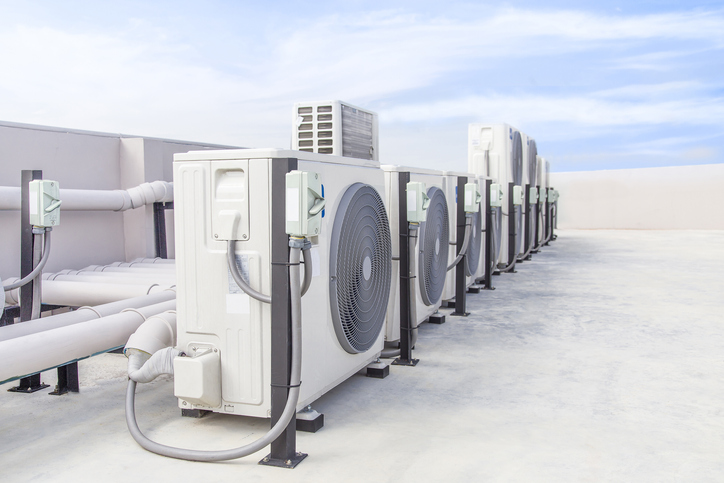
Rooftop AC units keep the ground space clear. This reduces visual clutter around buildings. With fewer units visible, streets look neater and more organized.
Clear ground areas enhance the beauty of public spaces. People enjoy walking in areas without many visible machines. This layout contributes to a pleasant environment.
Credit: mcmillinair.com
Cost-effectiveness
Roof-mounted AC units are common in Arizona. Their placement offers multiple cost benefits. The initial investment and long-term savings are significant. Let’s explore why this is a smart choice.
Installation Cost Savings
Installing AC units on roofs saves space. This is especially true in urban areas. Ground space is often limited. By placing units on roofs, space is maximized efficiently.
Roof installations often require less ductwork. This reduces the initial setup costs. Less material means less money spent. Labor costs also decrease with simpler installations.
Long-term Financial Benefits
Roof-mounted AC units experience less wear and tear. They are away from ground-level hazards. This leads to fewer repairs and lower maintenance costs over time.
Elevated units can work more efficiently. They have better air circulation. This results in lower energy bills. Over years, these savings add up significantly.
Regulatory And Safety Considerations
In Arizona, placing AC units on rooftops is a strategic choice. It involves regulatory and safety considerations that ensure optimal performance and compliance. This approach addresses specific building codes and safety regulations unique to the region.
Building Codes
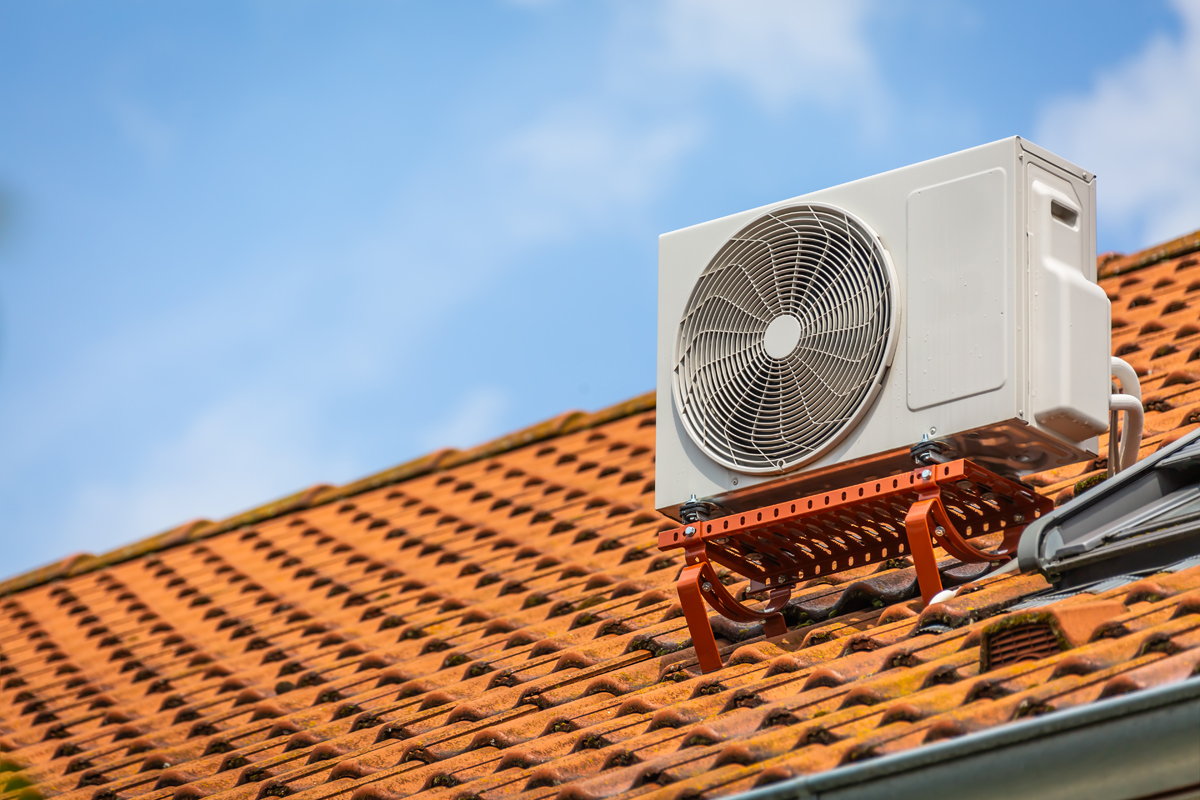
Arizona’s building codes prioritize efficient space utilization. Rooftop installations free up ground space for residents and businesses. They also protect the units from theft and vandalism. These codes mandate specific structural requirements to support rooftop units. Buildings must have the right load-bearing capacity to safely hold the units. This ensures stability and safety during extreme weather conditions.
Safety Regulations
Safety regulations in Arizona focus on minimizing risks. Rooftop AC placements reduce accidental contact with electrical components. This is crucial in public and high-traffic areas. The regulations also require routine maintenance checks. These checks ensure units operate efficiently and safely. By adhering to these rules, property owners enhance safety and compliance.
Credit: www.commercialacrepairphoenix.com
Frequently Asked Questions
Why Are Ac Units Placed On Roofs In Arizona?
In Arizona, rooftop AC units save space. They keep units away from ground heat. Roofs offer better air circulation.
What Are The Benefits Of Roof Ac Units?
Roof-mounted AC units have less noise. They are safer from theft. They don’t take up yard space.
Does Roof Placement Affect Ac Unit Performance?
Yes, rooftop placement improves cooling efficiency. Less ground heat interference. Better air flow enhances performance.
How Does Climate Impact Ac Unit Location?
Arizona’s climate is hot and dry. Rooftop AC units stay cooler. This increases efficiency in extreme temperatures.
Are Roof Ac Units Common In Other States?
Roof AC units are common in hot regions. Less common in colder areas. Climate impacts installation choices.
Conclusion
Roof-mounted AC units suit Arizona’s climate perfectly. They save valuable ground space. They offer easier maintenance access. Elevated placement enhances cooling efficiency. Heat rises, making rooftops ideal. Arizona’s intense sun demands effective cooling solutions. Roof units withstand harsh weather better.
They blend seamlessly with urban landscapes. Homeowners appreciate the practicality. Businesses benefit from the efficiency. Cooling costs stay manageable in the long run. Rooftop units are a smart choice. They meet both residential and commercial needs. Arizona’s unique environment makes them essential.
Choosing the right placement is crucial. Roof units remain a popular option.