Are you planning your next home improvement project or perhaps tackling a DIY construction task? If so, choosing the right cement is crucial for ensuring durability and strength.
You’re probably wondering whether Quikrete or Portland Cement is the better choice for your needs. Each has its own advantages, but which one will give you the results you desire? This decision can be overwhelming, but fear not! You’re about to discover insights that will help you make an informed choice.
Dive into this article to uncover the key differences, benefits, and considerations that will guide you towards the perfect cement solution. Your project’s success could hinge on this decision, so read on to empower yourself with the knowledge you need!
Material Composition
Understanding the material composition of Quikrete and Portland Cement is crucial for any construction project. These materials are widely used in building and repair work. Each has unique components that define its properties and applications. Let’s explore what makes Quikrete and Portland Cement distinct.
Quikrete Components
Quikrete is a popular concrete mix for quick projects. It contains cement, sand, and gravel. These ingredients are pre-mixed for convenience. The cement in Quikrete acts as a binder. Sand provides texture and volume. Gravel adds strength and stability. This mix is designed for easy use and fast setting.
Portland Cement Ingredients
Portland Cement is a key ingredient in concrete. It consists of limestone, clay, and gypsum. Limestone provides calcium, which is essential for binding. Clay offers silica and alumina. Gypsum controls the setting time. This composition makes Portland Cement suitable for various structural applications. It offers durability and strength.
Ease Of Use
When choosing between Quikrete and Portland cement, ease of use is crucial. Both have unique features that cater to different project needs. Understanding these differences helps in selecting the right option. Let’s delve into their mixing requirements and application methods.
Mixing Requirements
Quikrete often comes pre-mixed. Just add water. This makes it user-friendly for small projects. It reduces preparation time significantly. No need for precise measurements. Portland cement requires more precision. You mix it with sand and gravel. This can be time-consuming. It demands accurate ratios for strength. This makes it better suited for professionals.
Application Methods
Quikrete is versatile. It’s great for small repairs and DIY tasks. Spread it easily using a trowel. This simplicity attracts beginners. Portland cement is ideal for large-scale projects. It requires more skill and experience. It’s perfect for constructing foundations or pavements. A cement mixer is often necessary. This ensures uniformity and strength.
Strength And Durability
When choosing between Quikrete and Portland Cement for your next project, understanding their strength and durability is crucial. You want materials that won’t just look good initially but will stand the test of time. Let’s dive into the specifics to help you make an informed choice that meets your needs.
Compression Strength
Compression strength is key when assessing concrete materials. Quikrete offers a range of products, some reaching up to 4000 psi, which is suitable for most household projects.
Portland Cement, on the other hand, can be tailored to achieve higher compression strengths, often exceeding 5000 psi. This makes it a top choice for demanding structural applications.
Picture this: you’re building a patio. Quikrete will provide sufficient strength for regular use. But if you’re constructing a commercial building, Portland Cement’s higher psi offers peace of mind and reliability.
Longevity Of Materials
Let’s talk about longevity. Quikrete products are designed for ease and speed. They’re perfect for those immediate fixes or small-scale projects where durability over decades might not be your primary concern.
Portland Cement shines in longevity, boasting a lifespan that can outlast Quikrete when properly maintained. It’s your go-to for projects where durability is a priority.
Consider your driveway. You might use Quikrete for quick repairs or installations. But if you’re laying down a new foundation that should last for decades, Portland Cement’s longevity provides assurance.
So, what matters more to you—ease of use or lasting strength? Your decision will shape the success of your project. Will you opt for quick fixes or invest in long-term solutions?
Cost Considerations
Choosing between Quikrete and Portland Cement involves cost considerations. Quikrete often comes pre-mixed, potentially saving time and labor costs. Portland Cement, while generally cheaper per pound, may require additional materials and mixing effort, influencing overall expenses.
When choosing between Quikrete and Portland Cement for your construction project, cost considerations play a crucial role. You want to make sure you’re getting the best deal for your money without compromising quality. Let’s break down the cost dynamics of these two materials and see how they stack up.Price Comparison
Quikrete generally comes at a higher price per bag compared to Portland Cement. It’s pre-mixed, offering convenience, which often translates to a higher cost. Portland Cement, on the other hand, is cheaper but requires additional materials like sand or gravel for mixing. This can add to the overall expense and effort. Are you willing to pay more for convenience, or do you prefer saving upfront and mixing materials yourself?Value Over Time
Consider the longevity and durability of your construction. Quikrete is designed for quick projects, and its durability may not match that of Portland Cement over the years. Portland Cement might demand more effort initially, but its sturdy composition can provide lasting value, potentially saving you repair costs in the future. Think about your long-term goals: Is it worth investing more now for enduring strength, or do you need a fast, temporary solution? In a recent home renovation, I opted for Quikrete due to tight time constraints. It worked well for the patio, but I wonder if the higher upfront cost justified its convenience. Is your project’s timeline influencing your decision as well? Ultimately, your choice between Quikrete and Portland Cement might depend on the immediate financial impact versus the long-term benefits.Environmental Impact
Understanding the environmental impact of building materials is crucial. Quikrete and Portland Cement are popular choices. They both have distinct impacts on the environment. Analyzing these impacts can guide better choices for sustainability.
Sustainability Factors
Quikrete’s production process uses less energy. It reduces the carbon footprint. This makes it an eco-friendly choice. Portland Cement, on the other hand, consumes more energy. It releases more carbon emissions. This contributes to environmental challenges.
Quikrete often includes recycled materials. This supports resource conservation. Portland Cement relies more on raw materials. This affects natural resource depletion. Thus, Quikrete may be more sustainable.
Waste Management
Quikrete generates less waste during production. It helps in reducing landfill burden. Efficient waste management practices are in place. Portland Cement production can result in more waste. This poses challenges for waste disposal.
Recycling options are more accessible with Quikrete. Leftover materials can be reused. Portland Cement requires careful disposal. It often lacks recycling options. This impacts waste management effectiveness.
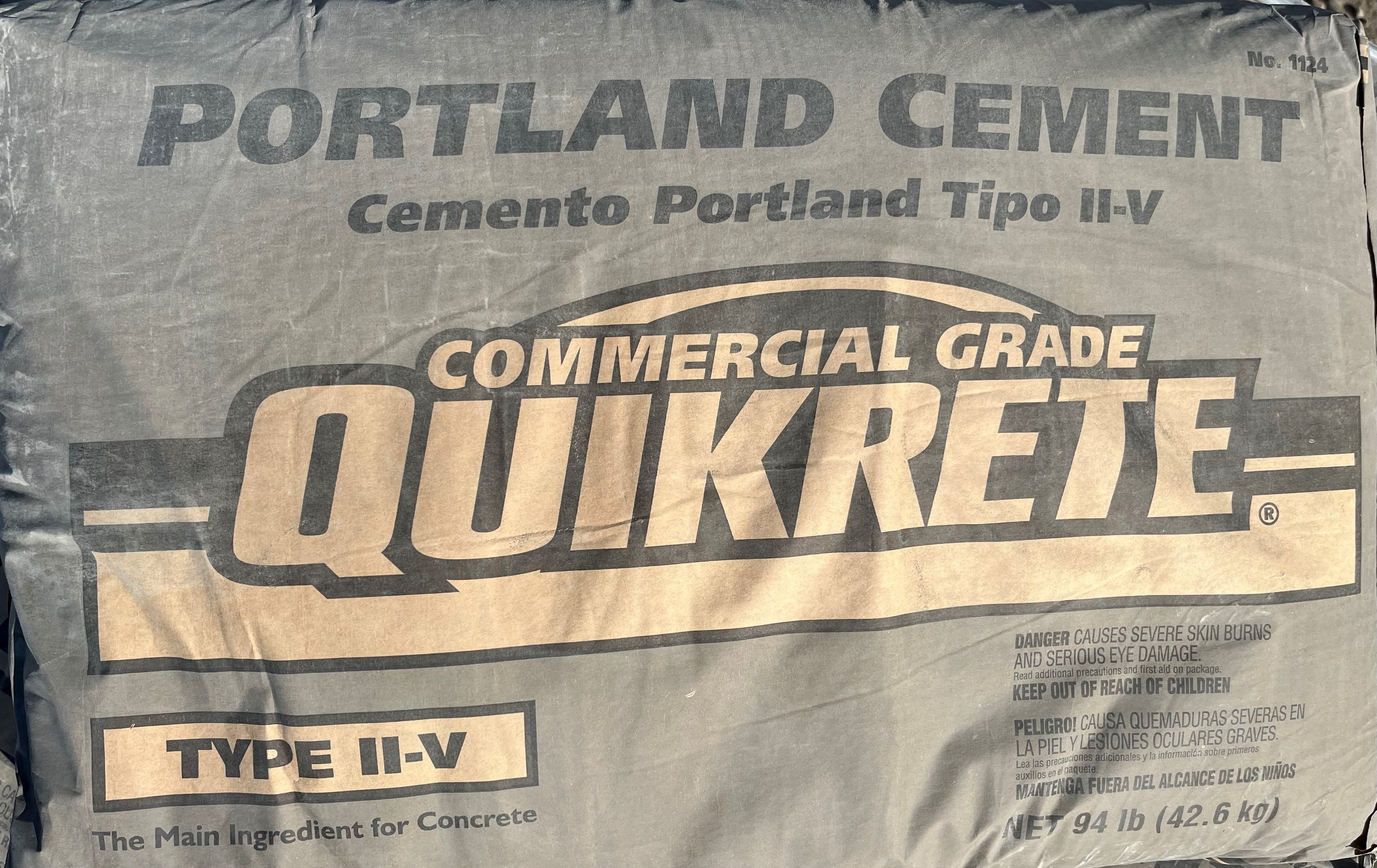
Credit: proaggregate.com
Project Suitability
Choosing between Quikrete and Portland Cement depends on project needs. Quikrete is ideal for quick repairs, offering ease and speed. Portland Cement suits larger projects, providing durability and strength. Both materials serve different purposes, ensuring the right choice for various construction tasks.
When choosing between Quikrete and Portland Cement for your next project, understanding their suitability is crucial. Both materials have unique properties that make them ideal for certain types of projects. Let’s dive into where each shines, and help you decide which is best for your needs.Residential Projects
Building a patio or driveway at home? Quikrete might be your best friend. It’s designed for smaller-scale tasks and comes pre-mixed, saving you time and effort. Portland Cement, on the other hand, requires mixing and is perfect for more permanent, load-bearing structures like foundations. Picture this: a neighbor once used Quikrete for a garage floor. A year later, cracks appeared. Had they used Portland Cement, those cracks might have been avoided. What does this tell you about the importance of picking the right material?Commercial Applications
Commercial settings often demand durability and strength. Portland Cement is typically favored here. Think of skyscraper foundations or industrial floors. It’s the choice for projects that need to withstand heavy traffic and stress. Quikrete can be suitable for commercial purposes, but mainly for quick fixes or temporary structures. Have you ever seen a shopping mall’s parking lot undergo quick repairs? That’s Quikrete at work. But for new construction, Portland Cement is often the go-to for its long-lasting nature.Outdoor Uses
For outdoor projects like sidewalks or garden paths, Quikrete offers convenience. It’s easy to work with and you can buy it in small quantities. This makes it a favorite for DIY enthusiasts tackling outdoor tasks. Portland Cement, however, is excellent for larger outdoor projects such as retaining walls or pool installations. Its robustness is unmatched. Do you have a garden wall that needs to endure the elements year-round? Portland Cement might be what you need. Have you considered the weather conditions in your area? This can greatly impact your decision between these two materials.User Experiences
Quikrete offers convenience with its ready-to-use mix, ideal for quick repairs and small projects. Portland Cement, on the other hand, provides versatility and strength, suitable for large-scale construction. Users often choose based on project size and time constraints.
Exploring user experiences with Quikrete and Portland Cement offers valuable insights into their real-world performance. These experiences reveal what you can expect when you choose either product for your projects. Whether you are a DIY enthusiast or a professional contractor, understanding these personal accounts can guide your decision.Testimonials And Reviews
Many users have shared their thoughts on Quikrete and Portland Cement, highlighting their strengths and weaknesses. Jane, a home renovator, praised Quikrete for its convenience, saying that the pre-mixed formula saved her time on a patio project. She found it easy to use, especially since she was new to concrete work. On the other hand, Mike, a seasoned builder, found Portland Cement to be more adaptable. He appreciated the control it gave him over the mix ratio, allowing him to tailor the consistency for different parts of a large construction project. Mike noted that while it required more effort, the results were worth it.Common Challenges
Despite positive reviews, users also faced challenges with both products. Some Quikrete users experienced difficulties with setting times, finding that it hardened too quickly in hot weather. This caught a few DIYers off guard, leading to rushed finishes. Portland Cement users, meanwhile, often mentioned the complexity of mixing. A few novices found it tricky to achieve the right consistency. They suggested practicing on smaller batches before tackling larger jobs. Have you ever encountered unexpected hurdles with these products? Addressing these challenges head-on can improve your results and enhance your project outcomes.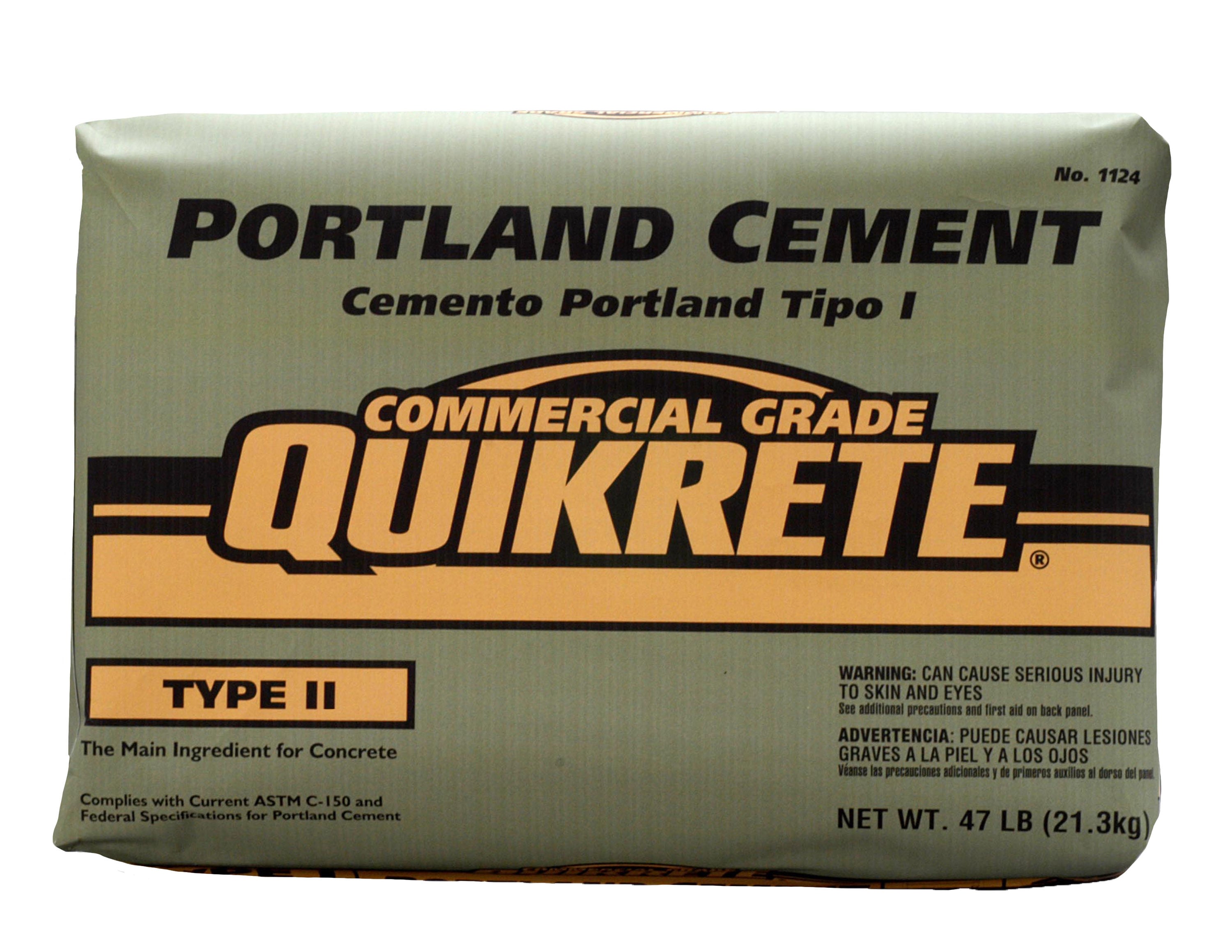
Credit: www.lowes.com

Credit: www.thomasdoit.com
Frequently Asked Questions
What Is The Main Difference Between Quikrete And Portland Cement?
Quikrete is pre-mixed and ready-to-use. Portland cement needs mixing with sand and gravel.
Is Quikrete Stronger Than Portland Cement?
Quikrete is strong, but Portland cement can be customized for strength by adjusting the mix.
Can I Use Quikrete For Large Construction Projects?
Quikrete is suitable for small to medium projects. For large projects, Portland cement is better.
How Long Does Quikrete Take To Set Compared To Portland Cement?
Quikrete sets in about 20-40 minutes. Portland cement typically takes 24-48 hours to set.
Which Is More Cost-effective, Quikrete Or Portland Cement?
Quikrete is convenient but costs more. Portland cement is cheaper but requires more preparation.
Conclusion
Choosing between Quikrete and Portland Cement depends on your project needs. Quikrete is great for quick and easy tasks. It offers convenience and speed. Portland Cement suits larger, more complex projects. It provides strength and durability. Consider your budget and time frame.
Both have their own benefits. Research and compare before deciding. Ask for advice if unsure. Selecting the right one ensures the best results. Your project’s success depends on it.