
Low pitch props raise RPM and acceleration; high pitch props lower RPM but boost top speed.
If you have ever swapped props and wondered why your boat felt new, you already know how big this choice is. In this guide, I break down low vs high pitch prop in plain language. You will learn how pitch affects RPM, hole shot, speed, and engine health. I will share real test notes, simple rules, and mistakes to avoid so you can pick with confidence.
What is propeller pitch and why it matters
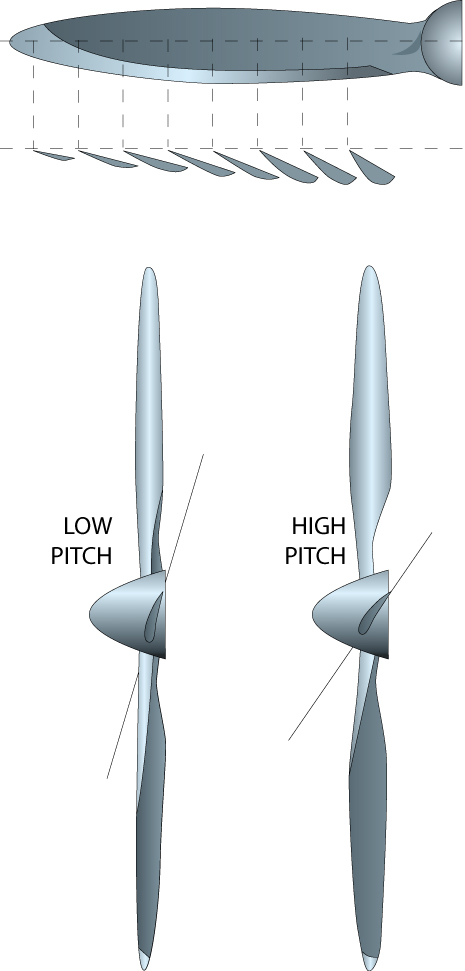
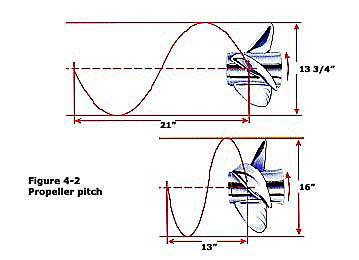
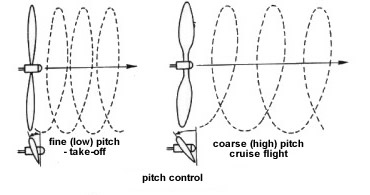
Pitch is how far a prop would move forward in one turn in a solid material. Think of a screw in wood. A 17-inch pitch prop tries to move 17 inches per turn. Water is not solid, so it slips a bit, but the idea holds.
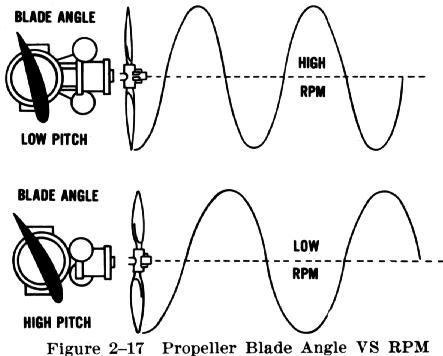
Low pitch props have fewer inches of pitch. They are easier for the engine to spin. That means faster spin, or higher RPM, and stronger push at low speed. High pitch props have more inches of pitch. They are harder to turn. That means lower RPM at the same throttle, but more distance per turn and more top speed when the engine has the power to spin it.
Engine makers set a wide open throttle RPM range. Your prop should let the engine hit the middle to top of that range with a normal load. Many modern outboards target about 5000 to 6000 RPM at wide open throttle. If you run way under that, the prop is too tall. If you over-rev, the prop is too short.
Low vs high pitch prop: core differences
Low vs high pitch prop affects how your boat feels from the moment you push the throttle. Here is how they differ at a glance:
Low pitch prop
- Faster hole shot and planing.
- Higher RPM at a given speed.
- Better for heavy boats, towing, or high altitude.
- May reduce top speed if the engine hits the rev limit.
High pitch prop
- Slower hole shot.
- Lower RPM at a given speed.
- Better for light boats, long runs, and high top speed.
- Can lug the engine if pitch is too tall for the load.
A common rule of thumb: one inch of pitch change moves wide open RPM about 150 to 200 RPM, all else equal. Your result can vary with hull, load, prop material, and cup.
How pitch changes RPM, hole shot, and top speed
Pitch, RPM, and speed are linked. Picture a bicycle. A low gear spins fast and climbs hills. A high gear goes fast once you are rolling. A low vs high pitch prop works the same way.
RPM and engine load
- Lower pitch lets the engine spin up faster. It lowers engine strain on takeoff.
- Higher pitch drags down RPM. It can overwork the engine if too tall.
Hole shot and planing
- Low pitch bites quick. It lifts the bow, planes faster, and holds plane at lower speed.
- High pitch can bog and take longer to plane, especially with weight.
Top speed
- Low pitch can hit the rev limiter before top speed.
- High pitch can raise top speed if the engine still reaches its target WOT RPM.
Real world slip matters. Most planing hulls see about 8 to 20 percent slip at speed. Clean hulls, stainless props, and good trim often have less slip. Dented blades, growth on the hull, or bad trim raise slip.

How to choose the right pitch for your boat
Start with the prop your engine came with. Note your wide open RPM with a normal load, good trim, and calm water. Then adjust.
Step-by-step method:
- Check the engine plate or manual for the WOT RPM range. Many are 5000 to 6000 RPM. Some are different.
- Run a baseline test. Record GPS speed, RPM, time to plane, and fuel burn if you can.
- If RPM is low, drop pitch. Go down one or two inches. Aim for a 150 to 200 RPM gain per inch.
- If RPM is too high, raise pitch. Go up one or two inches.
- Re-test in the same water and load. Log all changes.
- Pick the prop that hits target RPM with your usual crew and gear.
Match the prop to your job:
- Watersports or heavy loads
- Favor low pitch prop for punch and control.
- Long runs on light boats
- Favor high pitch prop for speed and calm cruise RPM.
- Pontoons and work boats
- Often need lower pitch with more blade area for grip.

Real-world examples and lessons learned
I test props each spring on the same lake. Here are three notes that may help you choose between a low vs high pitch prop.
18-foot aluminum fishing boat, 115 HP outboard
- Stock 19P ran 43 mph at 5400 RPM. Hole shot was soft with two anglers and a livewell full.
- Dropped to 17P. New speed was 41 mph at 5800 RPM. Hole shot cut in half. This low vs high pitch prop swap made the boat far nicer to fish from.
21-foot fiberglass bowrider, 200 HP
- Boat came with 21P stainless. Top speed 54 mph at 5100 RPM. That is low for the engine.
- Swapped to 19P with cup. Top speed rose to 56 mph at 5600 RPM. Better lift, better mid-range. A classic case where less pitch made more speed.
20-foot pontoon, 90 HP
- 15P aluminum bogged with a full crew. Moved to a 13P with larger diameter.
- Planed easier, held 20 to 23 mph. The lower pitch reduced strain and kept the engine in its sweet spot.
Lesson learned: match pitch to use first, then chase speed. A low vs high pitch prop choice that hits the right RPM is almost always the fastest and safest in the real world.
Other factors beyond pitch: diameter, blades, rake, cup, material
Pitch is not alone. A prop is a system. These traits can change the result of any low vs high pitch prop test.
Diameter
- More diameter can add bite and lower RPM.
- Less diameter can let RPM rise but may lose grip.
Blade count and area
- More blade area grips water and helps heavy boats. It can trim RPM down.
- Fewer blades can reduce drag and raise top speed on light hulls.
Rake and cup
- More rake lifts the bow and can add speed on pad hulls.
- Cup adds a curl to the trailing edge. It reduces slip and may cut 50 to 150 RPM.
Material
- Stainless is stiffer. It keeps shape at speed, often with less slip and better lift.
- Aluminum can flex a bit. It is cheaper and fine for many family boats.
These details mean a 19P from one brand can act like an 18P or a 20P from another. Test, do not assume.

Testing checklist for dialing in pitch
Use this simple plan to compare a low vs high pitch prop without guesswork.
- Use the same lake section, same fuel level, and similar weather.
- Warm the engine and set trim to a repeatable mark.
- Take three runs in both directions and average GPS speed.
- Record hole shot time to plane.
- Note WOT RPM, speed, and any porpoise or ventilation.
- Check fuel flow if you have a gauge.
- Inspect plugs and gear lube after a few tests to spot stress.
Keep a log. Data beats memory. The right low vs high pitch prop choice will show clear gains in the log.
Common mistakes and myths about low vs high pitch prop
Avoid these traps when you compare a low vs high pitch prop.
- Chasing speed with pitch alone
- If RPM falls out of spec, you will not gain speed for long.
- Ignoring load and altitude
- High lakes and hot days rob power. You often need lower pitch.
- Mixing damaged props into tests
- Nicks and bent blades can add huge slip. Fix or replace before you judge.
- Believing all inches are equal
- Brand, cup, and rake change how a given pitch acts.
- Forgetting break-in or maintenance
- A tired engine will not spin a tall prop well.
Related concepts: gear ratio, slip, variable pitch, trim and load
A low vs high pitch prop choice lives inside a bigger setup.
- Gear ratio
- A lower gear ratio (numerically higher) multiplies torque and lets you swing more pitch.
- Prop slip
- Slip is the loss between theoretical and real travel per turn. Some slip is normal.
- Variable or power-adjustable pitch
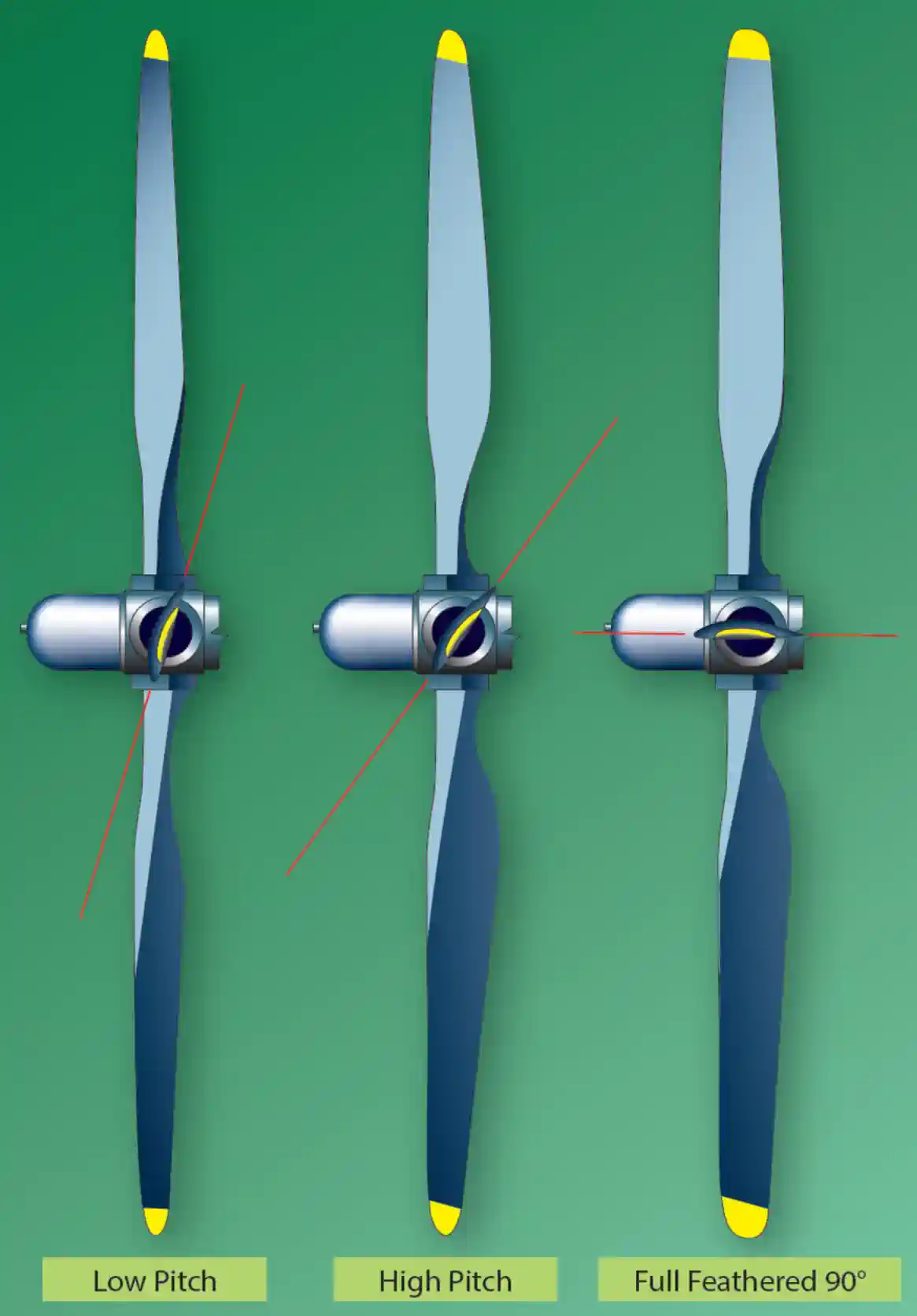
- Common in aircraft and some drives. They act like an automatic gear box.
- Trim and jack plate
- Proper trim reduces drag and slip. Height changes how clean the water is at the prop.
- Weight and balance
- Move coolers and batteries. A balanced boat needs less pitch to do the same job.
When you tune these items, your best low vs high pitch prop may change as well.
Maintenance, safety, and comfort
Your prop is your boat’s grip on the water. Treat it well.
- Inspect blades for dings and bends. Small flaws add slip fast.
- Grease the hub spline and torque the nut to spec.
- Check for fishing line at the seal to prevent leaks.
- Keep the hull clean. A dirty hull can kill speed like a bad prop.
- Always test new props in clear water with room to slow down.
A smooth, safe setup matters more than one extra mile per hour. A smart low vs high pitch prop choice should make your boat easy to handle, not just fast.
Frequently Asked Questions of low vs high pitch prop
How do I know if my prop pitch is wrong?
Watch wide open throttle RPM. If it is below spec, your pitch is likely too high. If RPM is above spec, your pitch is too low.
Does a lower pitch prop increase speed?
Not always. It can improve hole shot and let the engine hit target RPM. But if you hit the rev limiter early, top speed may fall.
How much RPM change per inch of pitch?
A good rule is 150 to 200 RPM per inch. The exact change depends on hull, cup, and other prop features.
Is stainless better than aluminum for pitch changes?
Stainless holds shape at speed, so results are more consistent. It often runs less slip, which can make the same pitch feel “taller.”
Will a high pitch prop save fuel?
It can at cruise if the engine runs in an efficient RPM band. But if the prop lugs the engine, fuel burn and stress can rise.
Should I change pitch for watersports?
Yes. For towing, a low pitch prop helps hole shot and throttle control. It also holds steady speed at lower RPM.
Can altitude affect my low vs high pitch prop choice?
Yes. Higher altitude means less power. A lower pitch prop often restores RPM and hole shot.
Conclusion
Choosing between a low vs high pitch prop is like picking the right gear for your ride. Low pitch helps you jump on plane and carry weight. High pitch shines when your boat is light and the engine can pull it into the right RPM. Test with purpose, log your data, and aim for your engine’s WOT range.
Make your next outing count. Try one controlled test this weekend, record the results, and move one inch at a time. If this helped, share your setup, subscribe for more hands-on tuning tips, or drop a question for a custom low vs high pitch prop plan.