
Are you staring at those unfinished drywall joints, wondering which method will give your walls that flawless, professional touch? The choice between inside corner bead and paper tape is pivotal in achieving those smooth, seamless corners you desire.
It’s more than just a decision; it’s the difference between a job that looks good and one that looks great. Imagine the satisfaction of perfectly finished walls that catch the light just right, impressing anyone who steps into your space.
By understanding the strengths and weaknesses of each option, you can make an informed decision that ensures your project is not only visually appealing but also durable. Dive into this guide where we’ll explore the nuances of inside corner bead versus paper tape, helping you choose the right method for your drywall project. Your walls will thank you.
Drywall Basics
Choosing between inside corner bead and paper tape can impact drywall finishing. Inside corner bead offers durability and strength, ideal for high-traffic areas. Paper tape, easier to apply, suits small spaces and DIY projects.
When you’re tackling a drywall project, understanding the basics can make a big difference. Drywall forms the backbone of most interior walls, providing structure and a smooth finish. You might think it’s just about putting up panels, but there’s more to it. Choosing the right method for joining those panels can impact the durability and appearance of your walls. Let’s dive into the essentials of drywall finishing with inside corner bead and paper tape.Understanding Drywall Components
Drywall is more than just sheets of gypsum. It involves a mix of materials and techniques for a perfect finish. You have the drywall panels, joint compound, and tools to apply them. But what about those corners? That’s where inside corner bead and paper tape come in. Each has its own strengths, and knowing them can help you decide which works best for your project.Inside Corner Bead: A Sturdy Choice
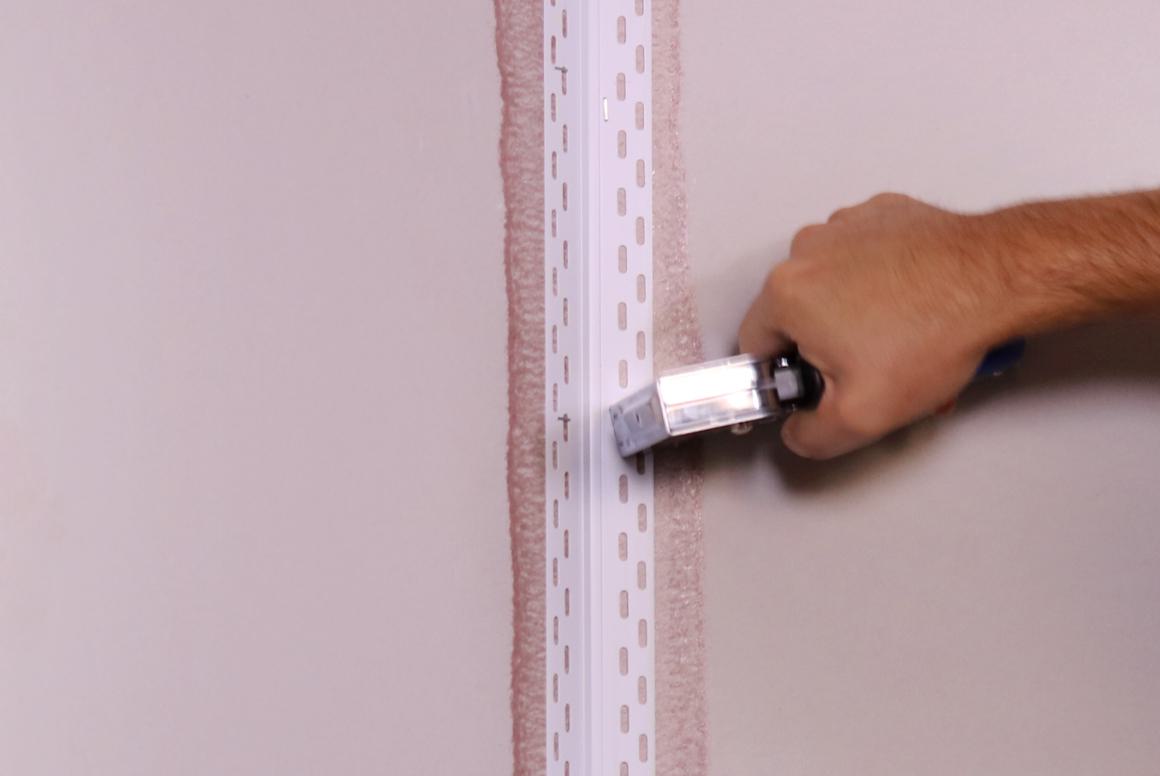
Inside corner bead is a reliable option for creating sharp, clean corners. Made from metal or plastic, it adds strength to the corners, reducing the chances of cracks. Have you ever seen a corner that looks perfectly aligned even after years? That might be the work of a good corner bead. Installing it takes a bit more effort, but the payoff is a durable and professional-looking finish.Paper Tape: A Flexible Solution
Paper tape offers a different approach. It’s flexible and easy to handle, making it a favorite for DIY enthusiasts. Imagine working on your first drywall project and needing something forgiving as you learn. Paper tape might be your ally. It’s applied with joint compound, creating a smooth transition between panels. While not as sturdy as corner bead, it provides a seamless finish that blends well with the wall.Comparing Durability And Ease Of Use
How do you weigh durability against ease of use? Inside corner bead excels in durability, often standing the test of time in high-traffic areas. On the other hand, paper tape is simpler to apply, ideal for those new to drywall work. If you’re thinking long-term, corner bead might be your choice. But if you want a quick, smooth finish without much hassle, paper tape could be the answer.Making The Choice: What Suits Your Project?
Choosing between inside corner bead and paper tape depends on your priorities. Are you aiming for a robust finish or a quick application? Consider the room’s purpose and your skill level. If you’re planning to renovate a busy hallway, durability might be key. For a quiet bedroom, the simplicity of paper tape might suffice. What matters is finding the balance that meets your needs.Engaging With Your Drywall Project
Ready to start your drywall adventure? Think about the tools you’ll need. Do you have the right compound and applicators? Will you go with the sturdy corner bead or the flexible paper tape? Your choices define the outcome. As you work on those corners, ask yourself: Are my walls ready to withstand daily life? Every decision shapes your space. Make it count.Inside Corner Bead
Inside corner bead offers durability and clean lines for drywall corners. Paper tape, though affordable, can wrinkle and tear. Corner bead provides a strong finish, while tape suits budget-friendly projects. Each has its place depending on the project’s needs.
Inside corner beads play a crucial role in drywall finishing. They provide a clean, sharp edge and protect corners from damage. These beads are essential for a polished look in any interior space. Whether renovating or constructing, understanding inside corner beads can enhance your project.Material And Design
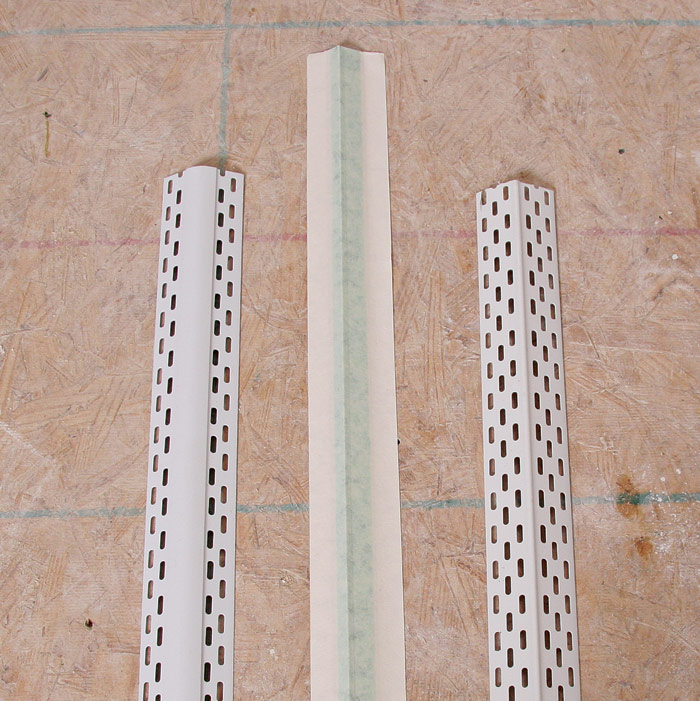
Inside corner beads are available in various materials. Common options include metal, plastic, and vinyl. Each material offers unique benefits. Metal beads are durable and resistant to wear. Plastic beads are lightweight and easy to handle. Vinyl beads offer flexibility and easy installation. The design of inside corner beads ensures a snug fit. They create a straight line along the corner. This design helps maintain a consistent appearance.Installation Process
The installation of inside corner beads is straightforward. First, measure the length of the corner. Cut the bead to the required size. Apply joint compound to the corner. Press the bead firmly into place. Ensure it aligns properly. Use additional compound to secure it. Smooth out any excess compound. Allow the compound to dry completely. Sand the area for a smooth finish. Your corner is now ready for painting or wallpaper.Advantages
Inside corner beads offer several advantages. They protect corners from chips and dents. This extends the life of your walls. Beads provide a crisp, professional finish. They are easy to install, even for beginners. The materials used are cost-effective. Corner beads reduce the need for repairs over time. They enhance the overall look of a room. Investing in them adds value to your property.Paper Tape
Paper tape is a popular choice for drywall joints. It offers a smooth finish that blends seamlessly with the wall surface. Many professionals prefer it for its reliability and ease of use.
Composition And Features
Paper tape is made from a high-quality paper material. It is designed to be strong and durable. The tape has a slightly rough texture, which helps it adhere to joint compound. It is resistant to tearing and stretching, ensuring long-lasting performance.
Application Technique
Applying paper tape requires precision. First, apply a layer of joint compound to the seam. Press the tape into the compound gently. Smooth out any wrinkles with a drywall knife. Apply additional compound over the tape, feathering the edges. Allow it to dry completely before sanding.
Benefits
Paper tape provides a smooth, seamless finish. It is cost-effective and widely available. Its strong adhesion prevents cracks in drywall seams. Easy to paint over, it blends well with the wall. Professionals trust it for reliable results.
Credit: www.trim-tex.com
Comparative Analysis
Comparing inside corner bead and paper tape highlights their unique features. Both are vital in drywall finishing but offer distinct benefits. Let’s delve into their differences to find the right choice for your project.
Durability And Strength
Inside corner bead stands out with its robust structure. It adds firmness to corners, reducing cracks over time. Metal or plastic beads resist damage better than paper tape. Paper tape, though flexible, might tear more easily. Its strength depends on proper installation. Beads ensure long-lasting durability.
Ease Of Use
Paper tape is easier for beginners. It requires simple tools and techniques. Applying tape is straightforward and less time-consuming. Inside corner bead demands precision. Installing beads might require more skills and patience. Beads may need extra tools for attachment. Tape can be applied swiftly with minimal equipment.
Cost Considerations
Paper tape is more budget-friendly. It costs less than corner bead. Tape involves fewer materials and tools. Inside corner bead has higher upfront costs. Beads might lead to extra expenses for specialized tools. Tape suits projects with tight budgets. Beads offer durability at a higher price.
Common Mistakes
Choosing between inside corner bead and paper tape can be challenging. Each has its own set of advantages and pitfalls. Mistakes during installation or selection can lead to problems. Let’s dive into common mistakes to avoid.
Installation Errors
Improper installation of inside corner bead is a frequent error. It often results from not aligning the bead correctly. Misalignment can cause uneven surfaces or visible defects. Ensure the bead is firmly secured to prevent future issues. When using paper tape, bubbles may form if not applied smoothly. Always apply consistent pressure to avoid this. Also, ensure the compound underneath is even. This prevents tape from lifting over time.
Material Misuse
Using the wrong material can lead to failures. Inside corner bead often requires specific tools for proper application. Using incorrect tools can damage the bead. This may result in cracks or poor adherence. With paper tape, using too much compound is a common mistake. It can cause the tape to become saturated and lose effectiveness. Always use the recommended amount for best results. Selecting the wrong type for your specific wall can also be problematic. Ensure compatibility for durability and effectiveness.
Credit: www.finehomebuilding.com
Expert Tips
Choosing between inside corner bead and paper tape can affect drywall finishing. Inside corner beads offer durability and sharp corners. Paper tape provides a smoother finish and flexibility. Each option suits different project needs, ensuring quality drywall installation.
When you’re working on drywall projects, selecting the right materials can make a big difference in the final outcome. Inside corner bead and paper tape are two common choices, each with its own pros and cons. Whether you’re a DIY enthusiast or a professional contractor, understanding these materials can save you time and ensure a high-quality finish. Let’s dive into some expert tips to help you make informed decisions.Choosing The Right Material
Selecting the appropriate material depends on your project’s specific needs. Inside corner bead, typically made from metal or plastic, offers durability and is ideal for high-traffic areas. It provides a sharp, clean edge that resists damage. On the other hand, paper tape is more flexible and easier to apply, especially in uneven corners. It’s perfect for DIYers who may not have specialized tools. Consider the environment: paper tape is better for areas prone to moisture as it reduces the risk of mold.Ensuring Smooth Finishes
A smooth finish is crucial for a professional look. With inside corner bead, precision is key. Measure accurately and cut the bead to fit perfectly into the corners. Secure it with drywall screws or adhesive, ensuring it’s flush with the wall surface. When using paper tape, apply a thin layer of joint compound first. Place the tape over the compound and press it firmly into the corner. This method requires a bit of patience but results in a seamless finish. Are you rushing? Remember, taking your time here saves you from sanding and redoing later. Listening to advice from seasoned pros can be enlightening. A friend of mine once rushed through a paper tape application, only to spend double the time fixing bubbles and wrinkles. Taking it slow and steady pays off in the long run. In both cases, the key to success is careful preparation and attention to detail. Which material will you choose for your next project, and why?
Credit: www.youtube.com
Frequently Asked Questions
What Is An Inside Corner Bead?
An inside corner bead is a material used to protect and finish the corners of drywall. It provides a smooth, durable edge.
How Does Paper Tape Differ From Corner Bead?
Paper tape is used to cover drywall seams. It is thinner and more flexible than corner beads, which are thicker.
Which Is Better For Durability: Corner Bead Or Paper Tape?
Corner bead offers more durability. It protects corners from damage, making it ideal for high-traffic areas.
Can Paper Tape Be Used On Corners?
Paper tape can be used on inside corners. It is not typically used for outside corners due to less protection.
Why Choose Inside Corner Bead Over Paper Tape?
Choose inside corner bead for stronger protection. It reinforces corners, preventing damage and ensuring a neat finish.
Conclusion
Choosing between inside corner bead and paper tape depends on your needs. Inside corner bead offers extra durability, perfect for high-traffic areas. Paper tape is affordable, easily applied, and ideal for DIY projects. Both options have pros and cons. Consider your budget, experience level, and wall conditions.
Each choice ensures a smooth finish and increased wall strength. Consult experts if unsure. Your walls deserve the best care and appearance. Whether you opt for bead or tape, your corners will stand out beautifully. Make the right choice for lasting results.