Is your sink draining slower than a Monday morning commute? If you’ve got a garbage disposal, it might be the culprit.
But don’t worry; you don’t need to call a plumber just yet. By understanding a few simple tips and tricks, you can have your sink draining smoothly again in no time. Imagine the satisfaction of fixing it yourself, saving money, and learning a handy skill for the future.
Ready to say goodbye to that pesky slow drain? Let’s dive into the solution and get your kitchen back in action. Your clean, clutter-free sink awaits!
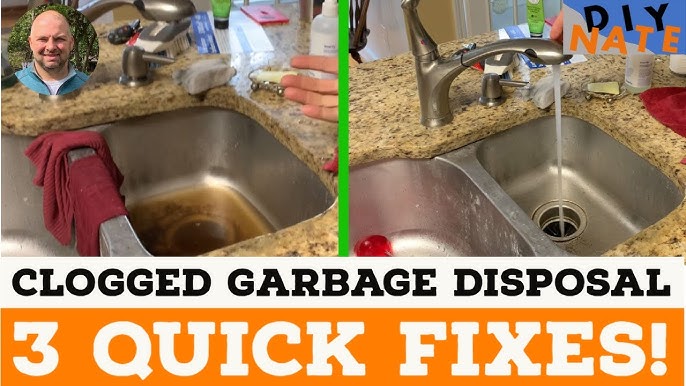
Credit: www.youtube.com
Identifying The Problem
Slow draining sinks can be frustrating. Water takes ages to disappear. You might wonder what’s going wrong. Identifying the problem is the first step to fixing it. Understanding the symptoms and causes helps in finding a solution.
Symptoms Of A Slow Drain
Water gathers in the sink. It drains slowly or not at all. You might hear gurgling noises. Sometimes, there’s a bad smell. These signs indicate a clog or blockage.
Common Causes Of Clogs
Food scraps can jam the disposal. Grease hardens and blocks pipes. Small items like bones or seeds cause clogs. Soap scum builds up over time. Hair can also contribute to blockages.
Safety Precautions
Fixing a slow-draining sink with a garbage disposal requires careful attention to safety. Taking the right precautions ensures you avoid accidents and injuries. Below are essential safety measures to follow before starting the repair process.
Turning Off Power
Always disconnect the power to your garbage disposal before working on it. Locate the switch under your sink or at the circuit breaker. Make sure the disposal is completely turned off to prevent accidental activation. This step is crucial for your safety.
Wearing Protective Gear
Wearing protective gear is important to shield yourself from potential hazards. Use gloves to protect your hands from sharp edges and debris. Safety goggles can prevent eye injuries from splashes or flying particles. These simple items can make a big difference in safety.
Initial Cleaning Steps
Dealing with a slow draining sink can be frustrating. The issue may stem from your garbage disposal. Before calling a plumber, try these initial cleaning steps. They might solve the problem quickly and save you money.
Removing Visible Debris
First, check for any visible debris. Turn off the garbage disposal. Shine a flashlight into the sink. Look for any objects or food scraps. Use tongs or pliers to remove them. Do not use your hands. This ensures safety. Check the disposal’s splash guard. Food particles often get stuck there. Clean it thoroughly.
Using A Sink Plunger
Next, use a sink plunger. Fill the sink with some water. Place the plunger over the drain. Make sure it covers the drain completely. Push down gently. Then pull up sharply. Repeat this several times. This helps dislodge blockages. Check if the water drains faster. If not, try again. This method often clears simple clogs.

Credit: jayisontheway.com
Using Natural Cleaners
Clear a slow draining sink with simple natural cleaners. Use baking soda and vinegar to break down clogs. Flush with hot water for a clean drain.
Dealing with a slow-draining sink can be frustrating, especially if you have a garbage disposal. But did you know that you can tackle this problem using natural cleaners found right in your kitchen? Avoid harsh chemicals and explore these simple yet effective methods to get your sink draining smoothly again.Baking Soda And Vinegar Method
One of the most popular natural cleaning hacks is the combination of baking soda and vinegar. This duo creates a fizzy reaction that can help break down grime and debris stuck in your pipes. – Step 1: Pour half a cup of baking soda down the sink drain. – Step 2: Follow with one cup of white vinegar. You’ll notice fizzing and bubbling. – Step 3: Let it sit for 15-30 minutes. This gives the mixture time to work its magic. – Step 4: Rinse with hot water to flush the loosened debris away. You might be surprised at how effective this simple trick can be. I once faced a stubborn clog, and this method saved me from a call to the plumber. Have you ever tried this fizzy combo?Salt And Hot Water Technique
If you’re looking for another natural approach, salt and hot water might be your answer. The coarse texture of salt can help scrub away buildup inside the pipes. – Step 1: Pour half a cup of salt directly into the drain. – Step 2: Boil a kettle of water. – Step 3: Carefully pour the hot water down the drain, following the salt. The heat from the water helps dissolve any greasy residue, while the salt acts as a gentle abrasive. I remember being skeptical about this at first, but it worked wonders on my slow-draining sink. Have you considered how everyday ingredients can solve common household issues? These natural cleaning methods are not just effective; they’re also eco-friendly and cost-efficient. Next time your sink slows down, reach for these kitchen staples before heading to the store.Checking The Garbage Disposal
Is your sink draining slowly? The garbage disposal might be the cause. A clogged or malfunctioning unit can slow down drainage. Before calling a plumber, inspect your disposal. Simple checks might solve the problem.
Inspecting For Jams
Turn off the power. Safety first. Look inside the disposal. Use a flashlight. Check for any visible obstructions. Common culprits include bones, utensils, or fibrous foods. Remove debris with tongs or pliers. Never use your hands. This can prevent injury. Once clear, test the disposal. Run water and switch it on. Listen for smooth operation.
Resetting The Disposal Unit
Is your disposal still not working? Try resetting it. Locate the reset button. It’s usually at the bottom of the unit. Press it firmly. This can often resolve minor issues. If it resets, test the disposal again. Run water, then turn it on. Notice an improvement? Great! If not, consider other troubleshooting steps.
Deeper Cleaning Techniques
A slow draining sink with a garbage disposal can be annoying. Basic fixes often don’t solve the problem. This is where deeper cleaning techniques come in. These methods address clogs and build-up in hard-to-reach areas. Let’s explore two effective techniques.
Using A Plumber’s Snake
A plumber’s snake is a handy tool. It reaches clogs deep in the drain. Insert the snake into the drain pipe. Turn the handle to push it further. The snake will break through blockages. Pull it back slowly to remove debris. This process can clear stubborn clogs effectively.
Disassembling The P-trap
The P-trap is the curved pipe under the sink. It often collects debris and grime. To clean it, place a bucket underneath. Unscrew the fittings by hand or with pliers. Remove the P-trap and clean it thoroughly. Use a brush to scrub away any gunk. Reattach the P-trap securely. This can improve water flow significantly.
Preventive Measures
Preventing a slow draining sink with a garbage disposal is key. Regular attention can avert costly repairs and frustrations. Focus on simple habits to keep your disposal and sink in peak condition.
Regular Maintenance Tips
Inspect your garbage disposal monthly. Check for debris or blockages. Use a flashlight for better visibility. Clean the blades with ice cubes. This helps to sharpen them. Flush the system with hot water. It removes any grease buildup.
Baking soda and vinegar can clean it naturally. Pour a half cup of baking soda down the drain. Follow with a cup of vinegar. Let it fizz for a few minutes. Then rinse with hot water. This method helps break down residue.
Proper Waste Disposal Practices
Be mindful of what goes down your disposal. Avoid fibrous materials like celery and corn husks. They can wrap around the blades. Starchy foods like pasta and rice swell with water. They can cause clogs.
Always run cold water when using the disposal. It solidifies grease, allowing it to be chopped up. Don’t overload the disposal. Feed waste in small amounts. This prevents strain on the motor.
Dispose of non-food items in the trash. Items like metal or plastic can damage the blades. Keep these out of the sink.
When To Call A Professional
Consider calling a professional if the sink remains slow after cleaning the disposal and using a plunger. Persistent clogs or unusual noises might indicate a deeper issue needing expert attention.
When your sink with a garbage disposal is draining slowly, it’s usually manageable with a few DIY methods. However, there are times when calling a professional plumber is not just smart but necessary. Recognizing when to make that call can save you time, money, and stress.Identifying Persistent Issues
If you’ve tried everything from plunging to using baking soda and vinegar, and the sink is still slow, it’s time to consider professional help. Persistent clogs might signal a more serious issue within the plumbing system. Sometimes, the problem isn’t just in the disposal unit but could involve the pipes or drainage system. If you notice strange noises or foul odors despite cleaning, these are signs that a professional should assess the situation. Ignoring these persistent problems can lead to bigger issues like leaks or even water damage. It’s crucial to address them quickly with expert help.Choosing A Reliable Plumber
Finding the right plumber requires a bit of research. Start by asking friends or family for recommendations. Personal experiences can provide insights into a plumber’s reliability and expertise. Look at online reviews and ratings as well. A plumber with consistently positive feedback is likely to deliver good service. However, be cautious of only glowing reviews, which might not be genuine. Before hiring, ensure the plumber is licensed and insured. This protects you if anything goes wrong during the repair. Don’t hesitate to ask for a quote to avoid unexpected costs. Have you ever had a minor home issue turn into a costly repair due to delay? It’s a scenario many have faced. Knowing when to call a professional can prevent such headaches and keep your home running smoothly.
Credit: westernrooter.com
Frequently Asked Questions
Why Is My Sink Draining Slowly With Garbage Disposal?
Clogs in the drain or disposal are common reasons. Food debris often causes blockages.
Can I Use Vinegar To Unclog My Sink?
Yes, vinegar helps dissolve debris. Pour it down the drain, followed by hot water.
How Often Should I Clean My Garbage Disposal?
Clean it weekly to prevent clogs. Regular maintenance keeps it working efficiently.
What Tools Help In Fixing A Slow Drain?
A plunger or plumber’s snake can be useful. They help dislodge clogs effectively.
Is It Safe To Use Chemical Drain Cleaners?
Avoid them if possible. They can damage pipes and are harmful to the environment.
Conclusion
Fixing a slow draining sink can be simple. Basic tools and patience help. Start by checking for clogs. Clean the disposal blades. Baking soda and vinegar work wonders. Regular maintenance prevents future issues. It keeps your kitchen sink efficient. Always disconnect power before cleaning.
Don’t forget to run cold water. It helps clear debris. Follow these steps for a smooth drain. Your sink will thank you. It’s a practical solution. Enjoy a hassle-free kitchen experience. Keep these tips handy. Happy cleaning!