
Drying egg shells in the oven is a simple yet powerful technique that many people overlook. If you have ever thrown away eggshells after cooking, you may be surprised to learn they can be cleaned, dried, and reused in many ways.
Whether you are making homemade calcium powder, boosting your garden soil, or preparing safe eggshells for crafts, drying them properly in the oven is key. This process destroys bacteria, reduces smell, and makes the shells easy to grind or store.
Let’s explore every detail about how to dry eggshells in the oven, from preparation to creative uses, so you can get the most benefit from this humble kitchen waste.
Why Dry Eggshells In The Oven?
Eggshells contain about 95% calcium carbonate, making them a valuable resource for both humans and the environment. When dried in the oven, the shells become safe to handle and use in different ways. Here’s why oven drying is the best method:
- Kills bacteria: Raw eggshells can carry Salmonella and other germs. Oven heat destroys these, making the shells safe.
- Removes moisture: Drying prevents mold and bad smells.
- Improves texture: Dried shells are brittle and easy to crush or grind, which is important for most uses.
- Speeds up processing: Compared to air drying, oven drying is much faster and more reliable.
For those who want a safe, clean, and easy way to reuse eggshells, oven drying is the gold standard.
Preparing Eggshells For Drying
Before you place eggshells in the oven, proper preparation is important. Skipping steps can lead to smelly shells, bacteria growth, or poor-quality powder.
Step 1: Collecting And Saving Eggshells
Start by collecting clean eggshells after cooking. Avoid shells with large amounts of raw egg white or yolk stuck inside. If you use eggs slowly, keep a container in the fridge to store shells until you have enough to process a batch.
Step 2: Cleaning The Eggshells
Rinse each shell under running water. Remove as much egg white and membrane as possible. These parts can burn or smell bad in the oven. For better results, gently peel away the thin egg membrane inside the shell using your fingers. This step improves the final color and texture of the dried shells.
Step 3: Drying Excess Water
Spread the washed shells on a clean towel or paper towel. Let them air dry for 10-15 minutes. This step prevents water from steaming in the oven, which can affect drying time.
Practical tip: If you are short on time, you can skip air drying and add a few extra minutes to your oven time, but shells may take longer to become crisp.
How To Dry Egg Shells In The Oven: Step-by-step
The core process is simple but a few key details make a big difference. Here’s how to get perfect dried eggshells every time.
What You’ll Need
- Clean eggshells (as many as you want to process)
- Baking sheet or tray
- Parchment paper or aluminum foil (optional, for easy cleanup)
- Oven
Step 1: Preheat The Oven
Set your oven to 200°F to 250°F (93°C to 120°C). This temperature is hot enough to kill bacteria and dry the shells, but not so high that they burn or brown. Preheating ensures even heat from the start.
Step 2: Arrange Eggshells On The Tray
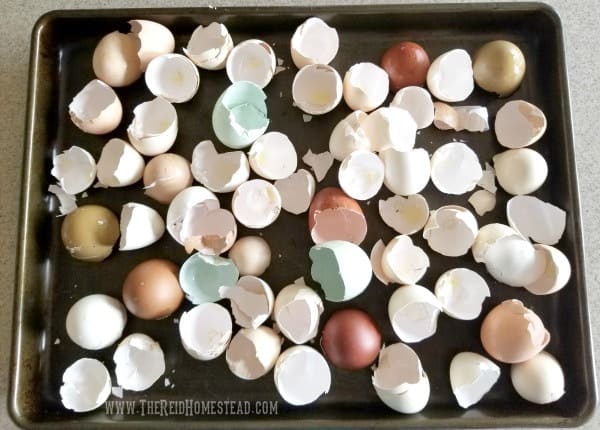
Place a sheet of parchment paper or foil on your baking tray. Spread the eggshells in a single layer with the inside facing up. This lets heat and air reach all parts of the shell.
Do not stack or overlap shells. Crowding traps moisture and leads to uneven drying.
Step 3: Bake In The Oven
Put the tray in the oven on the middle rack. Bake for 10 to 15 minutes if you have thin shells or a small batch. For thicker shells or a full tray, bake up to 20 minutes. The shells should be completely dry, brittle, and slightly chalky. They should not brown or develop dark spots.
If you see brown edges, your oven is too hot. Lower the temperature next time.
Step 4: Cool The Shells
Turn off the oven and let the tray cool for a few minutes. Then, remove the tray and let the shells finish cooling at room temperature. This step is important—hot shells can burn your fingers and are fragile when fresh from the oven.
Step 5: Storage Or Further Use
Once fully cool, you can store the dried eggshells in a clean, airtight jar or container. If you plan to crush or grind them, proceed while they are still crisp.
Oven Vs. Other Drying Methods
How does oven drying compare with other ways to dry eggshells, like air drying or microwave drying? Let’s look at the differences.
| Method | Time Needed | Bacteria Killed | Texture | Best For |
|---|---|---|---|---|
| Oven Drying | 10-20 min | Yes | Brittle, easy to grind | Calcium powder, crafts, garden |
| Air Drying | 12-48 hrs | No | May stay tough | Compost, garden |
| Microwave Drying | 2-4 min | Partially | Sometimes uneven | Quick use |
Oven drying stands out for speed, safety, and reliability. Air drying takes a long time and may leave bacteria. The microwave is fast, but shells can explode or dry unevenly.

Credit: zerowastechef.com
Common Mistakes And How To Avoid Them
Even though drying eggshells is easy, many people make small errors. Here are frequent mistakes and how to prevent them:
- Oven too hot: Shells turn brown or burn. Always keep the oven below 250°F (120°C).
- Crowding the tray: Shells stay damp. Arrange in a single layer.
- Skipping cleaning: Smelly, dirty shells. Always rinse and remove membrane.
- Not drying fully: Shells stay rubbery. Bake until brittle.
- Storing hot shells: Moisture builds up and causes mold. Always cool before sealing.
A small detail, like removing the membrane, can make your final powder much smoother and whiter—a tip even experienced cooks sometimes miss.
Creative Uses For Oven-dried Eggshells
Once you have a batch of dried eggshells, the possibilities open up. Here are practical, safe, and effective ways to use them.
1. Homemade Calcium Supplement
Eggshells are about 40% pure calcium by weight. When cleaned and dried, you can grind them into a fine powder and add small amounts to food or smoothies. Studies show eggshell calcium is well-absorbed by the body. Never use raw shells for supplements—oven drying is essential for safety.
2. Natural Garden Fertilizer
Crumble dried eggshells and sprinkle them around plants, especially tomatoes, peppers, and roses. The calcium helps prevent blossom end rot and strengthens cell walls. Unlike raw eggshells, oven-dried shells break down faster in soil.
3. Pest Deterrent
Sharp eggshell bits can keep soft-bodied pests like slugs and snails away from your garden. Scatter a ring of crushed shells around plant bases.
4. Compost Booster
Add dried, crushed eggshells to your compost bin. They balance acidity and add trace minerals to finished compost.
5. Non-toxic Cleaning Scrub
Mix fine eggshell powder with water or soap to scrub pots, pans, or sinks. The abrasive texture helps clean tough stains without scratching.
6. Chicken Feed Supplement
Backyard chicken owners often return dried, crushed eggshells to their hens as a calcium boost. Oven drying ensures no pathogens return to your flock.
7. Household Crafts
Dried shells make beautiful mosaic pieces for art, jewelry, or ornaments. They are easy to paint and glue.

Credit: ourlittlesuburbanfarmhouse.com
Grinding Dried Eggshells: How And Why
For most uses, especially supplements or fertilizer, you need fine eggshell powder. Here’s how to get it right:
Best Tools For Grinding
- Coffee grinder: Fastest and makes the finest powder.
- Blender: Works for larger batches; pulse in short bursts.
- Mortar and pestle: Good for small amounts and hands-on control.
- Rolling pin: Place shells in a zip bag and crush on a flat surface.
Do not use a food processor unless it has a strong motor—egg shells are hard!
Step-by-step Powder Making
- Make sure shells are completely dry and cool.
- Fill your chosen grinder about halfway.
- Pulse or grind until you get a fine, sand-like powder.
- Sift through a mesh strainer to remove large pieces.
- Store in a sealed jar, away from moisture and light.
Non-obvious insight: If you want ultra-fine powder for supplements, grind twice and sift after each round. This creates a smoother texture and helps absorption.
How Much Calcium Is In Eggshells?
On average, one medium eggshell contains about 750-800 mg of calcium. This is nearly your full daily recommended amount. However, only part of the shell is pure calcium carbonate, and not all is absorbed. For safety, never eat more than 1 teaspoon of eggshell powder per day unless advised by a doctor.
| Eggshell Amount | Approx. Calcium (mg) | Safe Daily Use |
|---|---|---|
| 1 whole shell | 750-800 | 1 tsp powder |
| 1/2 shell | 375-400 | 1/2 tsp powder |
| 1 tbsp powder | ~1,200 | Too high |
Safety Considerations When Handling Eggshells
Eggshells are safe to use after oven drying, but certain precautions matter.
- Always bake before eating: Raw eggshells may carry bacteria.
- Avoid brown spots: Burnt shells are not healthy to eat.
- Check for allergies: Some people react to eggshell protein. Start with a tiny amount.
- Store in dry conditions: Moisture leads to mold or bacteria regrowth.
For pets and chickens, dried shells must also be fully cooled and ground to a manageable size to prevent choking.
Storing Dried Eggshells Properly
Dried eggshells can last for months if stored well. Follow these tips:
- Use a glass jar with a tight lid to keep out moisture and pests.
- Store in a cool, dry place away from sunlight.
- Label the jar with the date dried and purpose (e.g., “For Garden” or “For Eating”).
- For long-term use, keep in the freezer for extra safety.
A common mistake is leaving shells in a plastic bag, which can trap moisture and cause mold.
Cleaning Up: Making Oven Drying Easy
Drying eggshells can get messy, with shell dust and broken pieces. Here’s how to make cleanup fast:
- Line your tray with parchment paper for simple lifting and less washing.
- Use a small brush or vacuum to pick up fine shell dust.
- Wipe down surfaces with a damp cloth after grinding.
If you process eggshells often, keep a dedicated tray and grinder for this purpose. This avoids mixing with food or coffee flavors.
Comparing Different Oven Temperatures
Some people experiment with different oven settings. Here’s a quick look at what happens at common temperatures:
| Temperature (°F) | Drying Time | Shell Color | Best Use |
|---|---|---|---|
| 180°F | 20-25 min | Very white | Supplements |
| 200°F | 15-20 min | White | General use |
| 250°F | 10-15 min | Off-white, may brown | Garden, crafts |
| 300°F | 7-10 min | Tan, likely brown | Not recommended |
For most people, 200°F to 250°F is the best range. Lower settings keep shells white, higher ones work for non-food uses.
Credit: thereidhomestead.com
Sustainability: Why Drying Eggshells Matters
Drying and using eggshells is not just a kitchen tip—it’s part of a sustainable lifestyle. Each year, millions of tons of eggshells go to landfills. By reusing them, you:
- Reduce waste
- Save money on supplements or fertilizers
- Lower your environmental impact
One study found that households can divert up to 2-3 kg of food waste per year just by recycling eggshells. If you have a garden or pets, the benefits multiply.
Advanced Tips For Perfect Eggshells
Experienced eggshell recyclers pay attention to these extra details:
- Use only clean, uncracked eggs: Shells with cracks may carry more bacteria.
- Soak shells in vinegar: Before drying, a quick vinegar soak can remove stains for whiter powder.
- Double bake for extra safety: Bake once, cool, then bake again for ultra-pure shells.
- Mix with other minerals: For chickens, adding a little oyster shell boosts nutrition.
Beginner insight: If your oven is not accurate, use an oven thermometer to check the real temperature. Many home ovens run hotter or cooler than their dial.
Troubleshooting: If Your Shells Don’t Turn Out Right
Sometimes, even with care, things go wrong. Here’s what to do:
- Shells are still soft: Bake for 5 more minutes.
- Shells are brown: Lower your oven temp next time.
- Shells smell bad: They were not cleaned enough. Rinse better before drying.
- Powder is gritty: Sift and grind a second time.
If you make a batch that doesn’t work for supplements, use it in the garden—nothing is wasted.
Real-world Examples: How People Use Dried Eggshells
- Home gardeners: Mix shell powder into tomato beds for better yields.
- Pet owners: Add a pinch of shell powder to dog food for bone strength.
- Crafters: Make colored eggshell mosaics for cards and jewelry.
- Bakers: Add ultra-fine shell powder to bread for a calcium boost.
One urban gardener reported a 20% reduction in blossom end rot after regular eggshell use—a practical benefit for any home grower.
Frequently Asked Questions
How Do I Know If My Eggshells Are Fully Dry?
Properly dried eggshells should be brittle and snap easily. If you press with your fingers and the shell bends or feels rubbery, it needs more time in the oven. Fully dry shells are chalky and make a crisp sound when crushed.
Can I Dry Brown And White Eggshells Together?
Yes, you can. Both types dry the same way. Brown shells may look darker but work just as well for supplements or garden use. Always clean and dry them together for convenience.
Is Eating Eggshell Powder Safe?
Oven-dried, clean eggshell powder is safe for most people in small amounts. However, always consult your doctor before adding it to your diet, especially if you have kidney disease or calcium-related health issues.
How Long Can I Store Dried Eggshells?
If kept in an airtight container, dried eggshells stay good for up to one year. Make sure they are fully cool and dry before sealing. Store in a cool, dry place, and check for mold or odor before using.
Can I Dry Eggshells In A Toaster Oven?
Yes, most toaster ovens work well. Use the lowest temperature setting, spread shells in a single layer, and check after 10 minutes. Adjust the time as needed to avoid burning.
Drying eggshells in the oven is a simple, effective, and sustainable way to reuse kitchen waste. Whether you want a natural calcium boost, better garden soil, or safe craft material, following these steps gives you safe, clean, and versatile eggshells every time. For more scientific details on the calcium content of eggshells, visit this Eggshell – Wikipedia page. With a little care and creativity, eggshells can enrich your home, garden, and health for years to come.