
It matches reel numbers to line, rod, and fish size so you hook more.
If you have ever stared at a fishing reel size chart and felt your brain slip its clutch, you are not alone. I have rigged reels on charter docks, bass boats, and chilly trout streams, and I’ve seen the same confusion strike. This guide cuts through the noise. We will use simple steps, real bites from the water, and expert insight to help you pick the right reel size fast. By the end, the fishing reel size chart will be your secret edge, not a riddle.
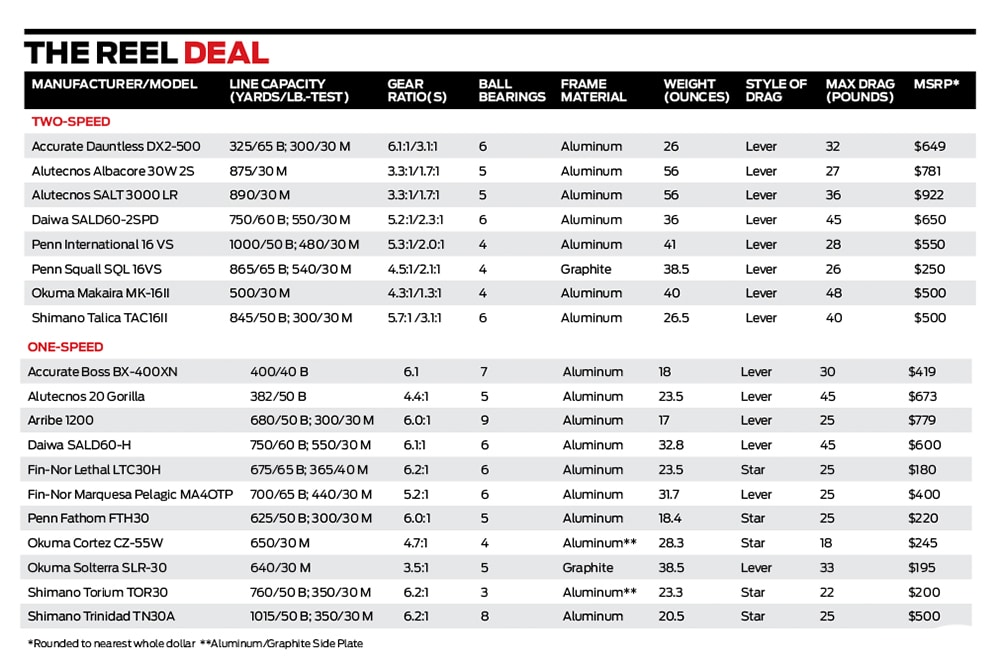
What Do Reel Sizes Mean?
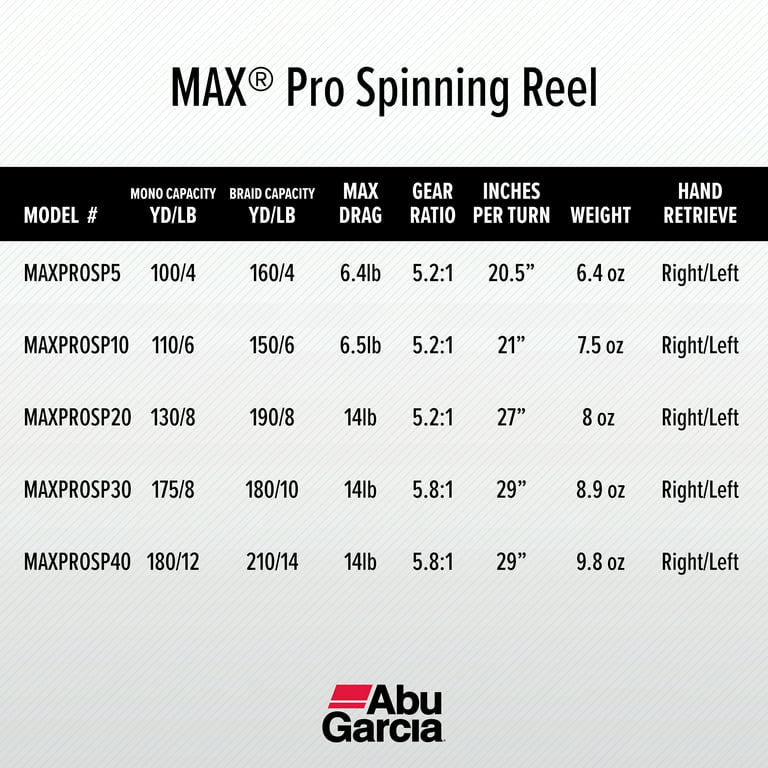
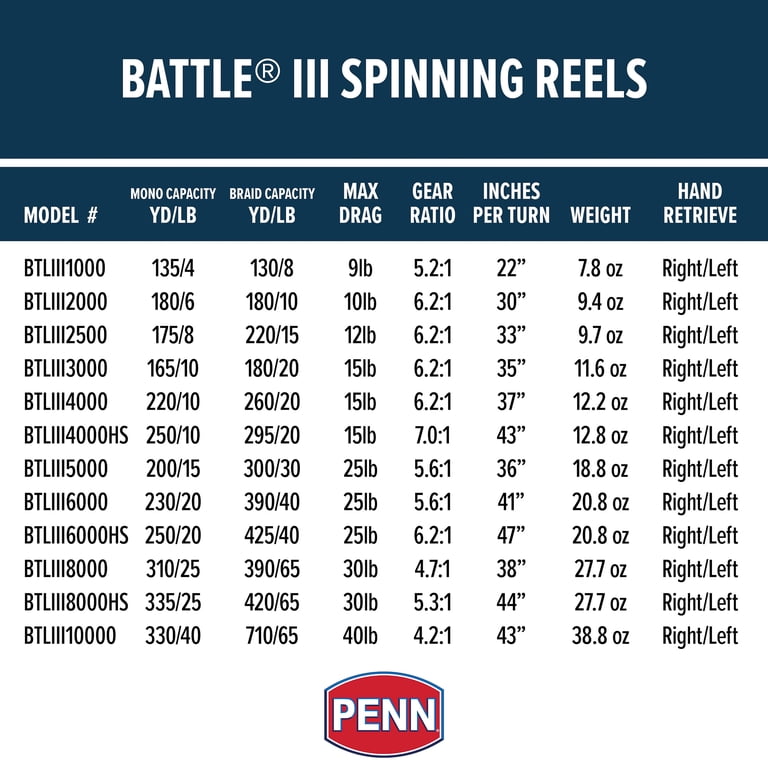
Reel sizes are numbers that hint at spool size and power. In spinning reels, small sizes run 500 to 1000. Mid sizes run 2000 to 4000. Big sizes run 5000 to 10000 and up. Some brands drop zeros and use 10, 20, 30. A 2500 and a 25 are often close.
Bigger number means more line, more drag, and more weight. It also means a larger handle and gears. You get more pull on strong fish. You lose some finesse and feel on tiny fish.
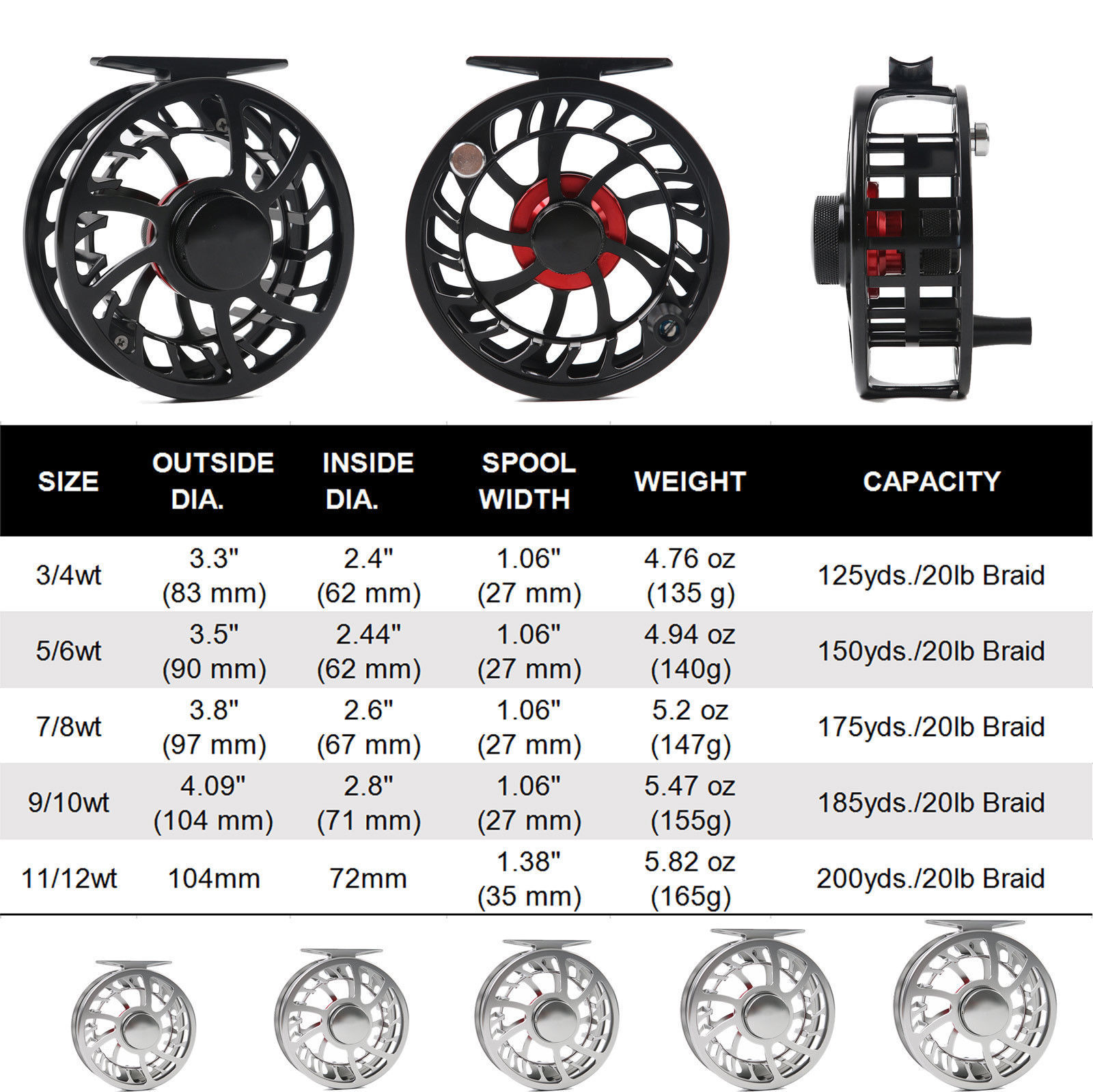
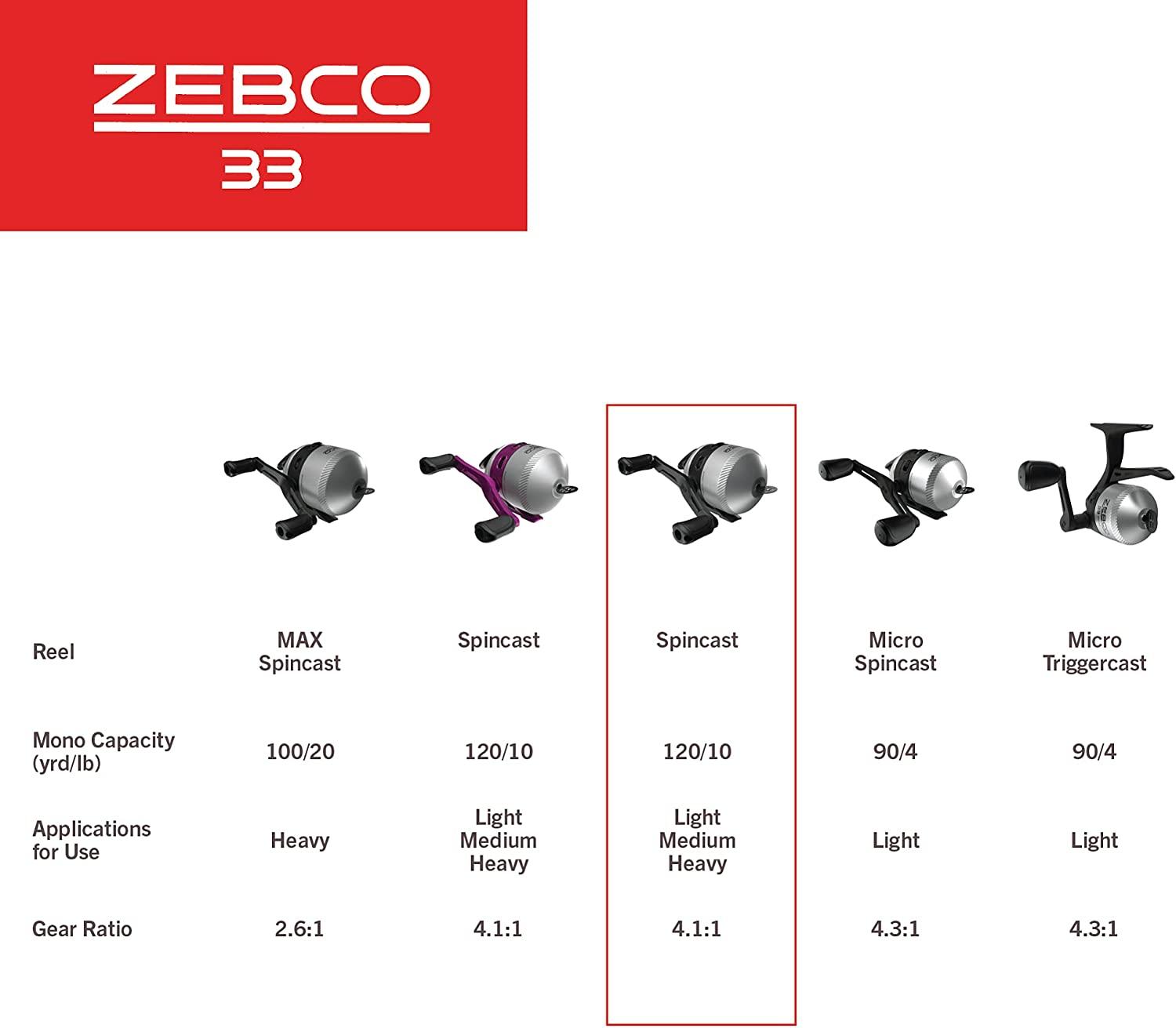
There is no global standard. A 3000 in one brand may match a 2500 in another. The fishing reel size chart is a guide, not a law. Always check line capacity and drag in pounds. That is your truth.

Fishing Reel Size Chart by Species and Situation
Here is how a fishing reel size chart maps to real trips. Use this as a quick fit guide.
Panfish, small trout, creeks
- Reel size: 500 to 1000
- Line: 2 to 6 lb mono or 6 to 10 lb braid
- Rod: Ultra light to light, 5 to 6.6 ft
- Notes: For tiny lures and short casts
Stocked trout, river smallmouth, finesse bass
- Reel size: 2000 to 2500
- Line: 4 to 8 lb mono or 8 to 15 lb braid with 6 to 10 lb leader
- Rod: Light to medium light, 6 to 7 ft
- Notes: Great all-round light setup for clear water
Largemouth finesse to mid-size lures, walleye, inshore schoolie redfish
- Reel size: 2500 to 3000
- Line: 8 to 12 lb mono or 10 to 20 lb braid
- Rod: Medium or medium light, 6.6 to 7.2 ft
- Notes: My most used size for lakes and bays
Pike, big bass, striped bass in back bays, snook around docks
- Reel size: 3500 to 4000
- Line: 10 to 15 lb mono or 20 to 30 lb braid
- Rod: Medium to medium heavy, 7 to 7.6 ft
- Notes: More drag and line pick up for strong runs
Light surf, bluefish, small cobia, big reds
- Reel size: 5000 to 6000
- Line: 15 to 20 lb mono or 30 to 40 lb braid
- Rod: Medium heavy to heavy, 8 to 10 ft
- Notes: Cast far, hold more line for tide and wind
Heavy surf, shark from beach, nearshore tuna or mahi
- Reel size: 8000 to 14000
- Line: 20 to 30 lb mono or 40 to 65 lb braid
- Rod: Heavy surf or jigging, 9 to 11 ft surf or 5.6 to 6.6 ft boat
- Notes: Big drag, large spool, bring snacks
Offshore jigging, GT, amberjack, sailfish
- Reel size: 14000+
- Line: 30 lb mono or 50 to 80 lb braid
- Rod: Heavy jigging or popping
- Notes: Not for your nephew’s first cast
Tip: Use the fishing reel size chart to match the lure too. Tiny jigs need small spools. Big plugs need beef. Trust drag and capacity more than the label.

Spinning vs Baitcasting vs Conventional: Size Translations
Baitcasting reels use a different scale. Think in roles, not just numbers. A 70 to 100 size baitcaster matches a 2000 to 2500 spinning reel. It excels with finesse jigs and light Texas rigs. A 150 to 200 baitcaster is like a 2500 to 3000 spinning. That is the bass workhorse for cranks and chatterbaits.
A 300 to 400 baitcaster sits near a 4000 to 5000 spinning. It fits swimbaits, big spinnerbaits, and inshore plugs. For conventional reels, a small star drag or lever drag live bait reel matches 4000 to 6000 spinning. Mid-size conventionals used on boats for bottom fish line up with 6000 to 10000 spinning.
This is a rough match. The fishing reel size chart shifts by brand and spool shape. Always check inches per turn, drag, and line capacity.
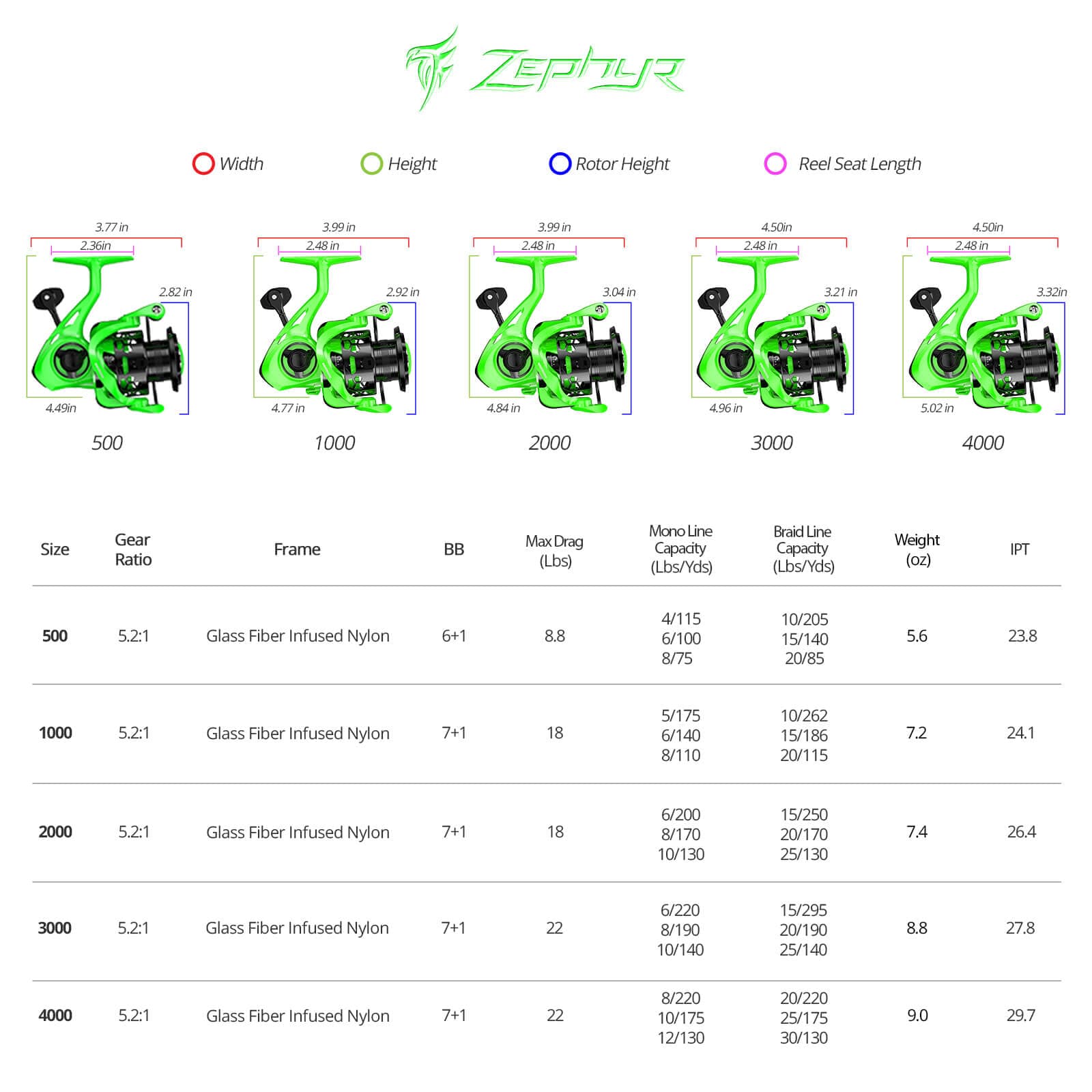
The Specs Behind the Fishing Reel Size Chart
Line capacity
- Why it matters: It sets how far you can cast and how long you can fight
- Quick check: Aim for 120 to 150 yards of your main line for most trips
- Salt tip: Use braid with a mono or fluoro leader to pack more on
Drag
- Why it matters: It protects knots and keeps hooks pinned
- Quick check: Set drag to about one third of line rating
- Example: 15 lb line gets 4 to 5 lb drag at strike
Gear ratio and inches per turn
- Why it matters: It sets speed to pick up slack and pressure fish
- Quick check: 5.2:1 to 6.2:1 is a safe mid speed
- Pro note: IPT is king. A big spool at 5.2:1 can beat a small spool at 6.2:1
Weight and balance
- Why it matters: Fatigue is real. Your elbow knows
- Quick check: Pair a 2500 with a 6.8 ft medium light rod for great feel
- Test: Grip ahead of the reel. If the tip dips hard, drop reel size or add butt weight
Build and seals
- Why it matters: Grit kills gears and bearings
- Quick check: For salt, pick sealed drag and anti-rust parts
- Budget tip: Rinse reels with fresh water and light soap after use

Freshwater vs Saltwater: What Changes in the Chart
Fresh water fish fight short and sharp. You need feel and light line. Use 1000 to 3000 sizes for most tasks. Smooth drag beats raw power.
Salt fish run like they have rent due. Tides pull, wind shoves, and boats drift. Use 3000 to 6000 for inshore and 8000+ for surf and offshore. A sealed drag and anti-corrosion parts are worth the price.
Braid shines in both worlds. It packs tight and cuts water. But braid loves abrasion, so use a leader. In rocks and docks, step up leader size. When in doubt, the fishing reel size chart moves one size up for salt.
How To Pick the Right Reel Size in Three Easy Steps
Step 1. Name the target and the place
- Species, average size, and cover or current
- Clear lake smallmouth need 2000 to 2500
- Dock snook need 4000 to 5000
Step 2. Match line and lures
- Light lures and thin line use small spools
- Heavier lures or windy surf need bigger spools
- Check that your reel holds 120+ yards of main line
Step 3. Check drag and speed
- Drag at one third line test is a good rule
- Pick a mid speed reel unless you burn baits or deep crank
- If hands are small, do not oversize. Control beats brawn
Use this with the fishing reel size chart to lock your fit. Try reels on your rod in store if you can. Balance is key. Comfort lands fish.
Common Mistakes and Pro Tips
Mistakes to avoid
- Buying the biggest reel “just in case”
- Ignoring line capacity labels for braid vs mono
- Pairing a tiny reel with a heavy rod or vice versa
- Skipping drag checks before the first cast
Pro tips
- Keep a 2500 spinning rig as your Swiss Army knife
- For surf, carry two spools: 20 lb mono and 30 lb braid
- Use backing under braid to stop spool slip
- Mark line with a thin Sharpie at 100 feet to gauge casts
When you use a fishing reel size chart, note water temps and fish mood. Cold fish fight less. You can drop a size. Hot fish run hard. Go up one size and smile.
Real-World Notes From the Water
One fall, I chased schoolie stripers in a rip. My 3000 with 20 lb braid was fine. Then a 30 incher hit and ran with pride. I wished for a 4000. Same rod, more spool, less drama.
I guide a friend each spring for trout. We swapped his 2500 for a 1000 on a 5.6 ft rod. His tiny spinners woke up. He cast soft and long. He now swears by the fishing reel size chart that points 1000 for creeks.
For dock reds, I learned the hard way. A 2500 got smoked under a piling. We moved to a 4000 with 30 lb braid and 30 lb leader. We pulled fish out with room to spare.
Maintenance, Upgrades, and Longevity by Size
Small reels hate grit more than big ones. Keep them clean. A soft rinse after each trip helps. Dry with a towel. A drop of oil on the bail arm and handle goes a long way.
Drag washers matter. Felt is smooth but hates salt. Carbon washers last and stay smooth when hot. If you chase strong fish, upgrade. It is cheap insurance.
Spool tricks save cash. Use cheap mono backing. Then tie braid on top. Fill to within 1 to 2 mm of the lip. Your casts will sing. Log your line date. Swap braid topshots each season if you fish hard.
The fishing reel size chart is a start. Care is the finish. A clean 2500 can land a surprise giant. A dirty 5000 will cry uncle at the worst time.
Frequently Asked Questions of fishing reel size chart
What size spinning reel is best for bass?
A 2500 to 3000 spinning reel covers most bass fishing. It balances finesse and power while holding enough 10 to 20 lb braid.
What reel size should I use for trout?
Use 1000 for creeks and 2000 to 2500 for rivers or lakes. Light line and small spools cast tiny lures best.
How does braid change the reel size I need?
Braid lets you drop one reel size thanks to thin diameter. Still check drag needs and the cover you fish.
What size reel for surf fishing?
Go 5000 to 6000 for light surf and 8000+ for heavy surf. You want line capacity and strong drag for long runs and waves.
Are reel sizes the same across brands?
No, sizes vary a bit by brand. Always compare line capacity, drag, and inches per turn to be sure.
What is the best all-around spinning reel size?
A 2500 is the best all-round choice for many anglers. It handles trout to bass and light inshore with the right line.
Do I need a different size for saltwater?
Often yes. Step up one size for salt due to current, wind, and longer runs. Look for sealed drags and anti-rust hardware.
Conclusion
You now have a clear way to read any fishing reel size chart and pick your match. Start with your fish and water. Set line and lure needs. Then lock the reel by checking drag, capacity, and balance.
Do one thing today. Pick a target species, set a line weight, and choose the reel size that fits. Save the chart on your phone, or print it and toss it in your tackle bag. Want more tips like this? Subscribe, share your go-to reel size in the comments, and let’s help more folks fish smart and laugh often.