Pick a prop that reaches rated WOT RPM with your usual load.
If you want to find best prop for boat without wasting weekends and gas, you are in the right marina. I test props for work and for fun, and I have data, sore forearms, and a few prop-bite scars to prove it. Stick with me. I will show you how to find best prop for boat by matching pitch, diameter, blades, and material to your engine, hull, and real-world crew weight. It will be clear, funny, and most of all, useful.

How propellers work, in plain English
A prop is a spinning wing in water. It turns power into push. You balance bite and speed by tuning pitch, diameter, and shape.
Why that matters:
- Too much pitch loads the engine. You lose RPM and strain parts.
- Too little pitch lets the engine scream. You waste fuel and top speed.
- Diameter helps with grip and lift. Big diameter helps heavy boats get up.
You need to find best prop for boat by aiming at the engine’s wide-open-throttle RPM range. That is set by the maker. Hit that zone with your normal load. That is the whole game.
Pro tip from the dock: I change props when I tow kids on tubes. I go down 2 inches of pitch. The boat jumps on plane, and my brother stops yelling about “no wake” zones.
The key prop terms you must know
Know these. You will thank me later at the fuel dock.
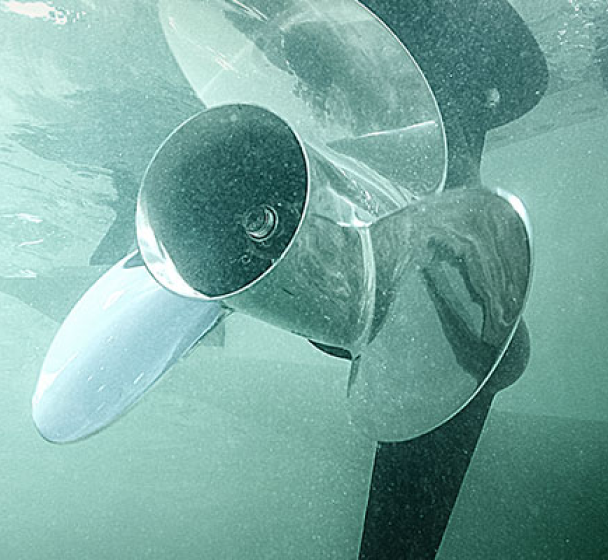
- Pitch. The travel in inches per turn, like a screw in soft wood. More pitch equals more speed, if the engine can spin it.
- Diameter. The total width of the prop circle. More helps with grip on heavy or slow boats.
- Blades. Three is fast. Four is smooth and helps with hole shot and grip in turns.
- Rake. The lean of the blades. Higher rake can lift the bow.
- Cup. A curl on the edge. Adds bite, reduces slip, and can drop RPM a touch.
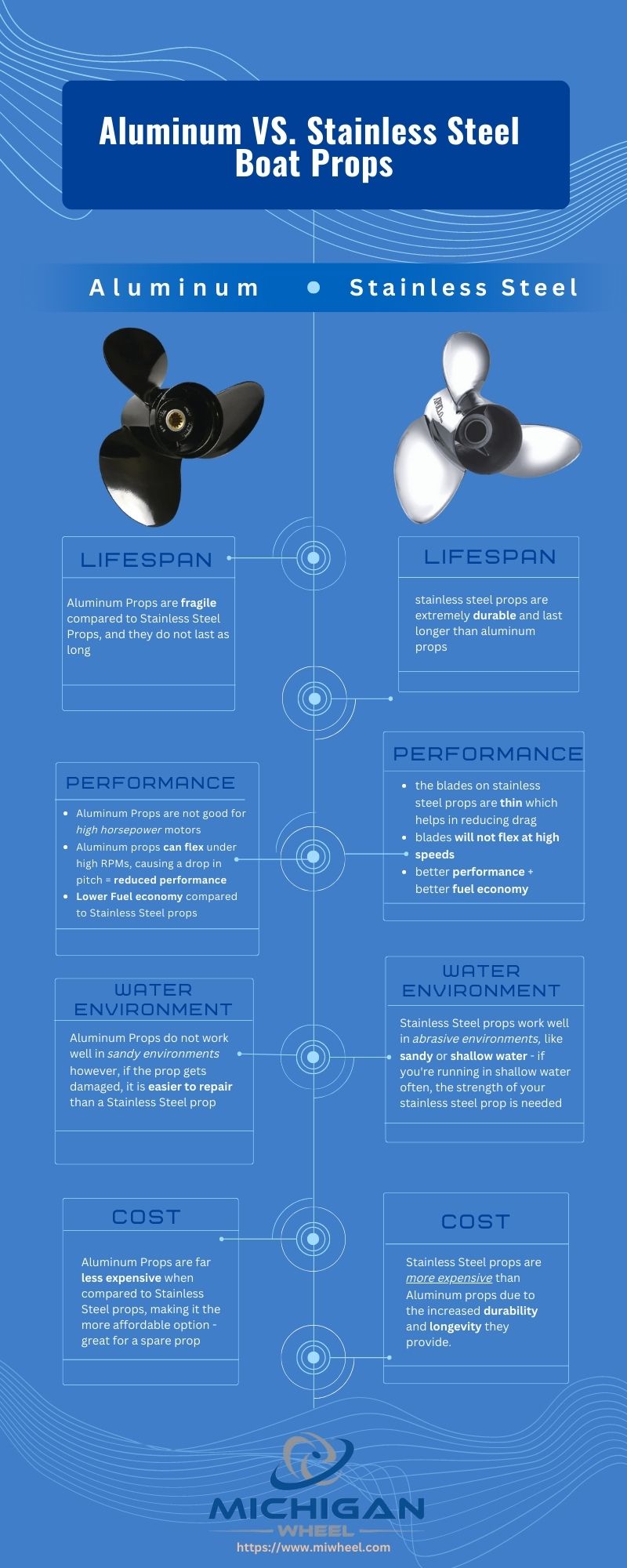
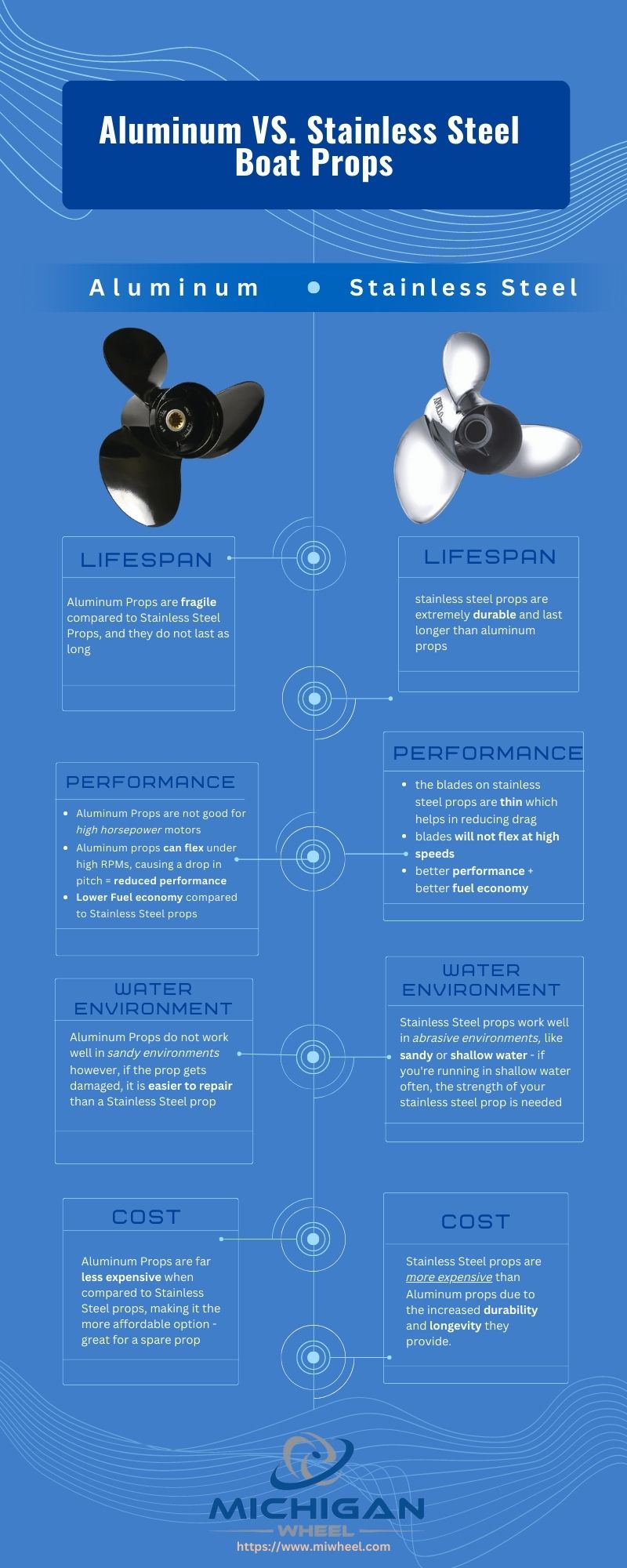
- Material. Aluminum is cheap and fine. Stainless is strong, sharp, and holds shape at speed.
If you want to find best prop for boat, you must juggle these with your load, hull, and goals.
Step-by-step: how to find best prop for boat
Do this in order. It works on pontoons, bowriders, bass boats, and small cruisers.
- Confirm WOT RPM range
- Use the engine manual or maker site.
- Example: 5000–6000 RPM for many outboards.
- Log a baseline run
- Note current prop size and pitch from the hub.
- Run trimmed, with your usual crew and gear.
- Record WOT RPM, GPS speed, and time to plane.
- Compare to target
- If RPM is below spec, drop 2 inches of pitch.
- If RPM is above spec, add 2 inches of pitch.
- Each 1 inch of pitch changes WOT RPM by about 150–200 RPM.
- Tune diameter and blades
- Heavy boats love a touch more diameter or a 4-blade.
- Light, fast hulls love 3-blades and less diameter.
- Pick material
- Aluminum for casual use.
- Stainless for speed, sharp handling, and rough water. It holds its shape.
- Test, then test again
- Make one change at a time.
- Track data. The water does not lie.
This is the fastest way to find best prop for boat without trial-and-error chaos.
You might ask: Does pitch or diameter matter more? Pitch sets RPM and speed. Diameter helps grip and lift. Tune pitch first, then fine-tune diameter.
You might ask: Three or four blades? Three for peak speed. Four for control, hole shot, and holding plane.
Match prop to boat type and use case
Different boats, different jobs. Same method.
Bass boat
- Goal: top speed and clean lift.
- Start: 3-blade stainless, mid rake, light cup.
- Tip: hit the top of WOT range with tournament load.
Pontoon and tritoon
- Goal: push, grip, cruise MPG.
- Start: larger diameter, 4-blade aluminum or stainless.
- Tip: cup helps stop ventilation on sharp turns.
Bowrider and deck boat
- Goal: watersports, family, planing ease.
- Start: drop 1–2 inches of pitch for tow days.
- Tip: four blades hold plane at lower speed. Nice for kids on skis.
Offshore and heavy hulls
- Goal: load carry, rough water bite.
- Start: more diameter, cupped 4-blade stainless.
- Tip: error on the side of grip. Waves punish slip.
Use this logic to find best prop for boat that fits your life, not your neighbor’s brag sheet.

Common mistakes that kill performance
I have made all of these. Learn from my bruised ego.
- Ignoring engine WOT range. The engine is the boss. Stay in spec.
- Buying on blade count alone. Shape and pitch matter more.
- Testing empty. You do not boat alone with two gallons of gas.
- Trimming wrong. Too low hides speed. Too high ventilates the prop.
- Skipping the hub kit. Many props need model-specific hubs.
Avoid these, and you will find best prop for boat faster and with fewer dockside debates.
Testing and tuning like a pro
Run clean tests. Be safe. Keep notes.
- Use GPS speed. Boat speed gauges lie when they feel like it.
- Make two passes each way. Average them.
- Note water temp, chop, fuel level, and crew weight.
- Check slip. Rough rule: 10–15 percent on planing boats is decent.
If slip is high, add cup or try a 4-blade. If RPM is low, drop pitch. This loop helps you find best prop for boat in a few outings, not twenty.
From my logbook: On a 19-foot bowrider with a 150 hp, I went from 19P aluminum to 17P stainless. RPM hit target, time to plane dropped by 2 seconds, and fuel burn at 25 mph fell by about 0.6 gph. My wallet clapped.
Real-world examples from the dock
These are simple, real swaps that worked.
90 hp on a 17-foot center console
- From 19P aluminum 3-blade to 17P stainless 4-blade.
- Gained grip in chop, RPM rose 300, cruise steadied. Family stopped eating spray.
150 hp on a tritoon
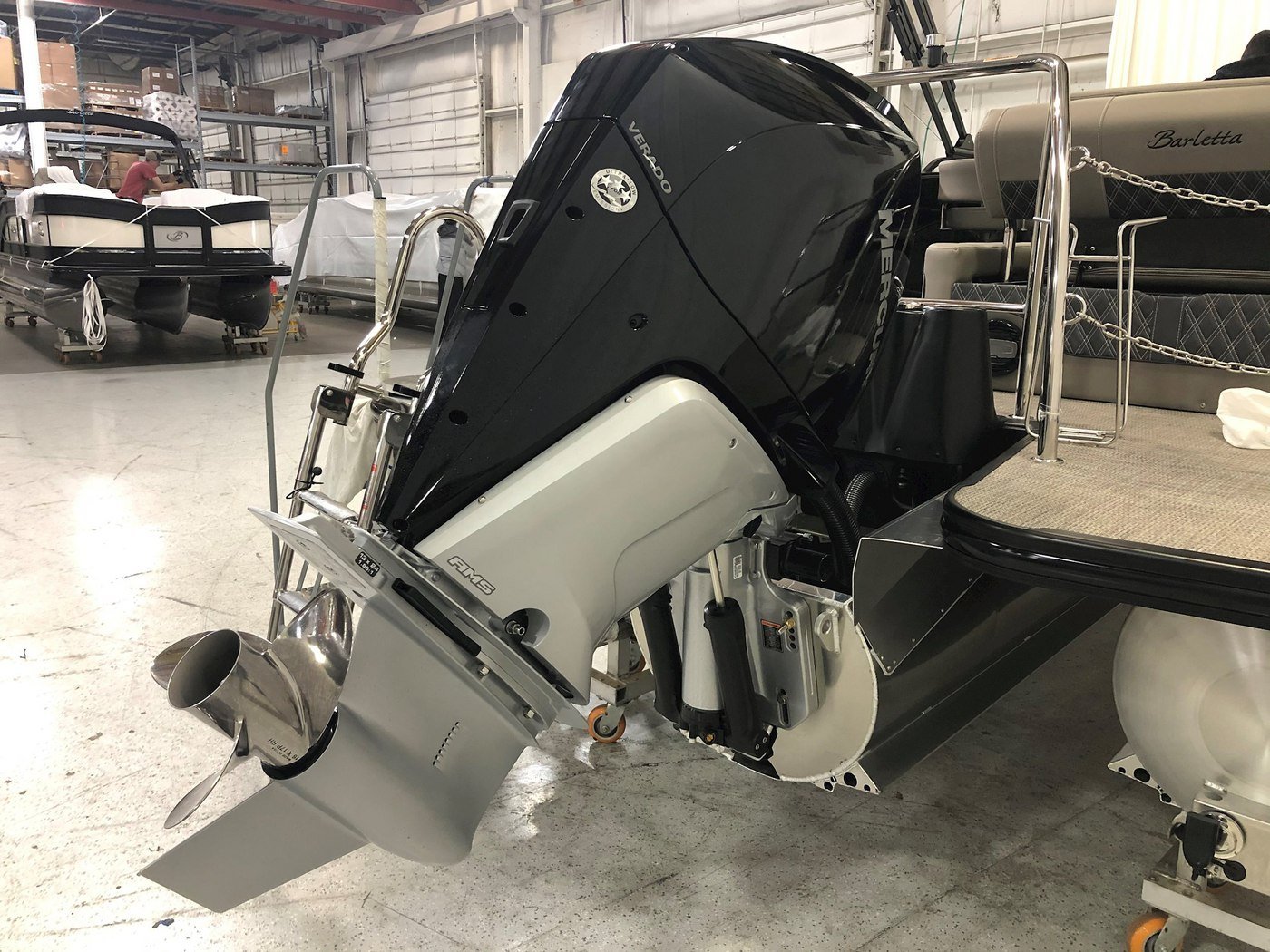
- From 15P aluminum to 15P stainless with more cup.
- Same pitch, lower slip, better mid-range. Tubes flew. Dad jokes soared too.
115 hp on a heavy aluminum boat
- From 13P 3-blade to 13P 4-blade cupped.
- Planes at lower speed for trolling zones. Top speed dropped 1 mph. Worth it.
These patterns will help you find best prop for boat in the real world, not just on paper.

Tools, data, and smart shortcuts
Use these aids. They save time and fuel.
- Engine manual
- Check WOT RPM and gear ratio.
- Prop selector tools
- Maker tools give a starting point. Then you fine-tune.
- Tachometer and fuel flow data
- A smart gauge or phone app plus a fuel meter tells the truth.
- Notebook or spreadsheet
- Track prop, RPM, speed, trim, load, and weather.
With these, you can find best prop for boat without guessing. You will also sound very wise at the ramp.
Maintenance and safety tips for longer prop life
A good prop needs love and checks.
- Inspect edges
- Nicks cause cavitation and chew fuel. Fix or replace.
- Grease the shaft splines
- Follow maker specs. Do not overdo it.
- Use the right hub
- It protects gears and eases swaps.
- Tighten the nut with a torque wrench
- Too loose is bad. Too tight is also bad.
- Carry a spare prop and tools
- Sand bars happen to good people.
Do these and you keep the gains you earned when you find best prop for boat.
Frequently Asked Questions of find best prop for boat
How do I read prop size numbers?
They show diameter x pitch, like 14 x 19. That means 14-inch diameter and 19-inch pitch.
What if my engine will not reach the rated WOT RPM?
Drop pitch by 1–2 inches or try a 4-blade with cup. That reduces load and raises RPM.
Will a stainless prop always make my boat faster?
Not always. Stainless holds shape and often helps. Speed gains depend on pitch, cup, and hull.
Is four blades always better than three?
No. Four helps grip, hole shot, and staying on plane. Three often gives the best top speed.
Can I change pitch without changing diameter?
Often, yes. Many props come in pitch steps with the same diameter. Still, test to confirm results.
Conclusion
You now have a clear plan to find best prop for boat with data, not drama. Start with your engine’s WOT range, set a baseline, then tune pitch, diameter, and blades to your real load and water. Test, track, and repeat once or twice.
Take the next step this weekend. Log a clean run, make one change, and feel the difference. If you want more help, subscribe for future prop tests, ask a question, or share your numbers in the comments.