
Choosing the right miter saw can feel like navigating a maze. You’re standing in the tool aisle, faced with the choice between dual bevel and single bevel miter saws.
Which one will deliver the precision cuts you need for your next project? You might wonder how the difference affects your work, and why one might be better suited for your needs than the other. This decision isn’t just about picking a tool—it’s about investing in your craft and ensuring your projects turn out just the way you envision.
So, let’s break it down together. By the end of this article, you’ll have a clear understanding of what each type offers, empowering you to make the best choice for your woodworking endeavors.

Credit: www.youtube.com
Dual Bevel Miter Saw Features
Dual bevel miter saws offer the ability to make angled cuts on both sides without flipping the workpiece. This feature provides more versatility and efficiency compared to single bevel saws, which only tilt in one direction. Ideal for complex projects, dual bevel saws save time and effort.
When you’re tackling a woodworking project, choosing between a dual bevel and a single bevel miter saw can be a game-changer. The dual bevel miter saw is known for its diverse features that enhance precision and efficiency in your work. Let’s dive into some key aspects that make this tool stand out.Adjustable Blade Angles
A dual bevel miter saw offers the ability to adjust the blade angles effortlessly in both directions. This means you can tilt the blade left or right without flipping your workpiece. Imagine working on a crown molding and simply adjusting the blade angle to achieve the perfect cut—saving you time and reducing errors.Increased Versatility
Versatility is a strong suit of the dual bevel miter saw. It can handle a variety of materials and cuts, from wood to plastic, with finesse. Whether you’re crafting a detailed picture frame or cutting lumber for a deck, this tool adapts to your needs. Have you ever been mid-project and wished for a tool that could seamlessly transition from one task to another? This is it.Suitable For Complex Cuts
Complex cuts become manageable with a dual bevel miter saw. The saw’s design allows you to make precise angled cuts that are often required in intricate projects. Think about building a custom piece of furniture where every joint matters. This saw enables you to achieve those cuts without the constant repositioning of your material. In the world of woodworking, precision and efficiency can make or break a project. The dual bevel miter saw offers features that cater to these needs. Have you considered how much more you could achieve with the right tools in your workshop?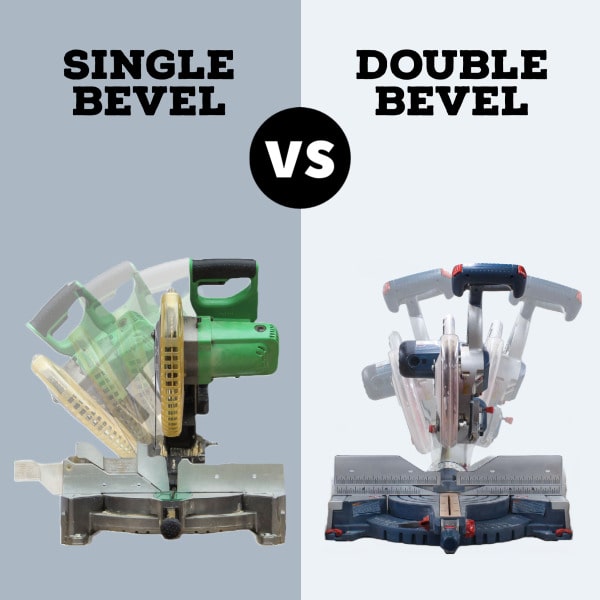
Credit: sawsonskates.com
Single Bevel Miter Saw Features
The single bevel miter saw is a valuable tool for many woodworkers. It simplifies cutting tasks by offering specific features. Understanding these features helps in making an informed choice. Let’s explore what makes a single bevel miter saw unique.
Fixed Blade Angle
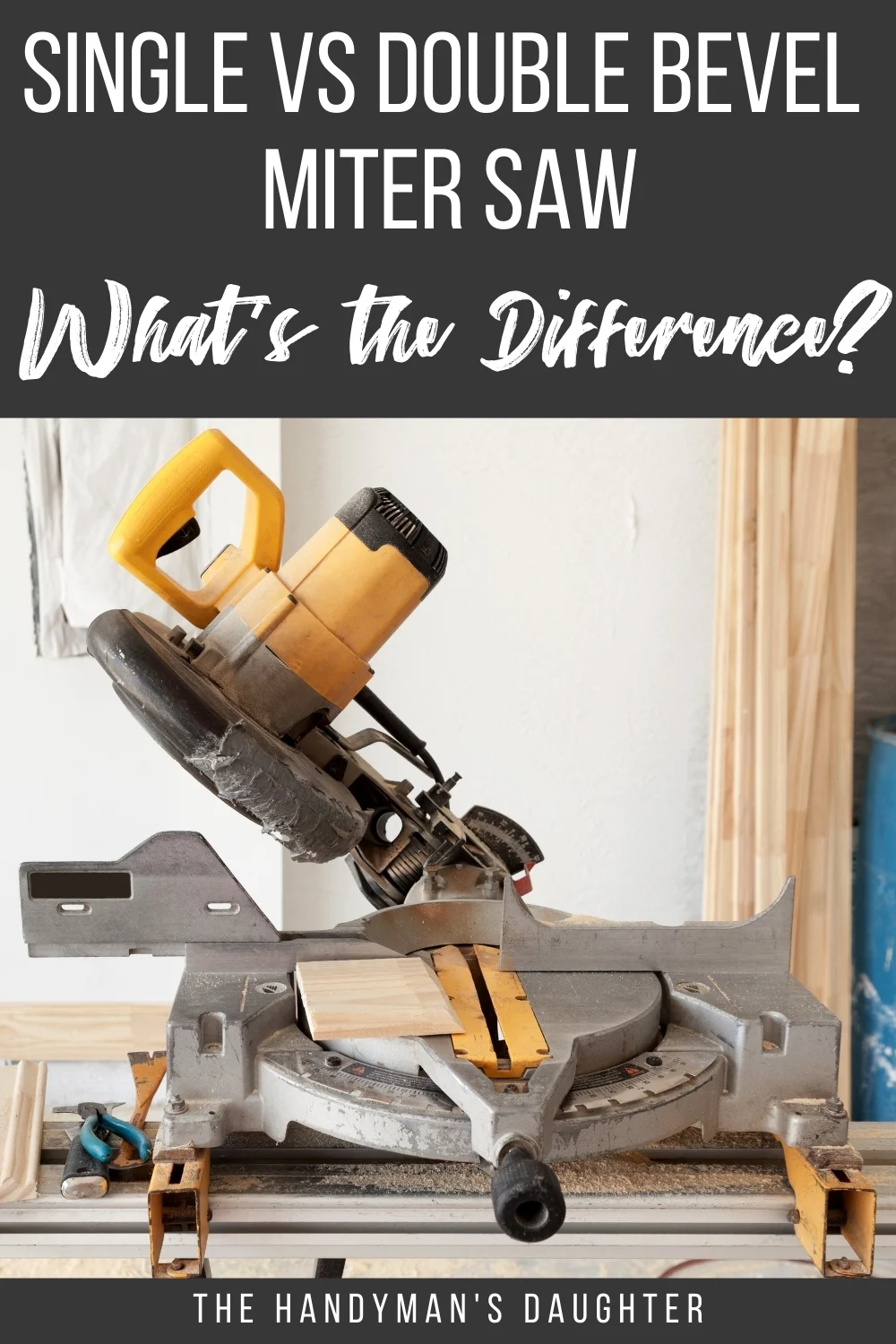
A single bevel miter saw has a fixed blade angle. The blade tilts only to one side. This fixed angle is great for consistent cuts. It ensures precision in tasks like crown molding. For straightforward cutting jobs, this saw is reliable.
Ideal For Simpler Projects
This saw is perfect for simpler projects. It suits basic frames and trim work. The limited tilt option reduces complexity. It offers ease of use for beginners. Ideal for those not needing complex angles.
Cost-effectiveness
The single bevel miter saw is budget-friendly. It costs less than dual bevel models. This makes it accessible for hobbyists. You get essential features without breaking the bank. It’s a smart buy for basic tasks.
Performance Comparison
Choosing between a dual bevel and a single bevel miter saw can be challenging. Each type offers unique advantages in performance, which can impact your woodworking projects. Understanding their differences helps you make an informed decision. This section explores cutting precision, ease of use, and speed and efficiency, providing insights into their performance.
Cutting Precision
Dual bevel miter saws excel in cutting precision. They allow you to tilt the blade left and right without flipping the workpiece. This feature ensures accurate cuts, especially with complex angles. Single bevel saws require repositioning the material for reverse cuts. This can lead to minor errors in precision. However, for straightforward cuts, they perform adequately.
Ease Of Use
Dual bevel saws offer user-friendly operation. They reduce the need to constantly adjust the workpiece. This feature simplifies tasks, saving time and effort. Single bevel models might be less intuitive. Users often need to reposition the wood for different angles. This can be cumbersome, especially for beginners.
Speed And Efficiency
With dual bevel saws, efficiency is enhanced by reducing material handling. They speed up the cutting process with seamless transitions between angles. This advantage is crucial for large projects. Single bevel saws might slow down workflow. Frequent adjustments can be time-consuming. Despite this, they still deliver good results for simple cuts.
Use Cases For Dual Bevel
When deciding between a dual bevel and a single bevel miter saw, understanding the specific use cases for a dual bevel model can guide your choice. Whether you’re a professional woodworker or a DIY enthusiast, knowing how a dual bevel can enhance your projects is crucial. Let’s delve into some scenarios where a dual bevel miter saw truly shines.
Professional Woodworking
For professional woodworkers, precision and efficiency are key. A dual bevel miter saw allows you to make beveled cuts in both directions without flipping the workpiece. This feature saves time and ensures accuracy, especially on repetitive tasks.
Imagine working on a large batch of frames. Adjusting the saw for each cut wastes valuable time. A dual bevel saw keeps your workflow smooth and consistent.
Complex Crown Molding
Crown molding projects often involve intricate angles. With a dual bevel miter saw, you can cut complex angles with ease. The ability to tilt the blade in both directions simplifies the process significantly.
Have you ever struggled with fitting crown molding into corners? A dual bevel saw can make those tricky cuts seamless, reducing trial and error. This tool is a game-changer for achieving a professional finish in your home.
Frequent Angle Adjustments
If your projects require constant angle changes, a dual bevel miter saw is your best friend. Switching between angles becomes a breeze, enhancing your productivity.
Think about a project with varying trim pieces. A dual bevel saw allows you to adjust quickly without repositioning the wood, keeping your momentum going. It eliminates the hassle of recalibrating after every cut, making your work more enjoyable.
As you consider these use cases, ask yourself: How often do I need to make complex or frequent angle cuts? A dual bevel miter saw might just be the tool you need to take your craftsmanship to the next level.
Use Cases For Single Bevel
Single bevel miter saws excel in tasks like crown molding and basic woodwork. Ideal for projects needing straightforward angled cuts, they offer simplicity and affordability.
When you’re deciding between a single bevel and a dual bevel miter saw, understanding the use cases for a single bevel can help clarify your choice. Single bevel miter saws are perfect for specific projects and users. They offer simplicity and affordability, making them ideal for many homeowners and DIY enthusiasts. Let’s explore where a single bevel miter saw shines.Diy And Home Projects
If you love tackling DIY projects at home, a single bevel miter saw might be your best friend. It’s ideal for creating simple picture frames, trimming and molding, and even cutting pieces for small furniture. I remember building a simple wooden shelf for my living room using a single bevel saw—its straightforward operation made it a breeze. Have you ever thought about crafting your own furniture pieces? This saw could be your starting point.Basic Cutting Tasks
Single bevel miter saws are great for basic cutting tasks. They’re excellent for making straight and angled cuts with precision. If you’re into crafting, these saws can help you cut through wood, plastic, or aluminum with ease. Imagine cutting perfect 45-degree angles for your next decorative project—these saws make it possible. Are you often involved in projects that require precise, repeatable cuts?Budget-friendly Options
For those watching their budget, a single bevel miter saw is a cost-effective choice. They usually come at a lower price point compared to their dual bevel counterparts. This makes them accessible for beginners or hobbyists who don’t need advanced features. When I first started woodworking, I opted for a single bevel saw because it fit my budget without compromising quality. Do you have financial constraints but still want a reliable tool? In summary, a single bevel miter saw is perfect for those who value simplicity, cost-efficiency, and reliability for straightforward projects. Whether you’re a seasoned DIYer or just starting, this tool can help you bring your ideas to life. What projects do you have in mind that could use the precision of a single bevel miter saw?Maintenance And Durability
Dual bevel miter saws typically offer superior durability due to their versatile design. Single bevel saws require less maintenance, making them easier for beginners. Both types provide reliable performance, ensuring precision in woodworking tasks.
When choosing between a dual bevel and a single bevel miter saw, maintenance and durability are crucial factors to consider. You want a tool that not only performs well but also stands the test of time. Proper upkeep can significantly extend the life of your miter saw, but how do these two types compare in terms of wear and tear, blade longevity, and regular maintenance?Wear And Tear
Dual bevel miter saws generally experience more wear and tear due to their complex mechanisms. The additional pivot points and adjustments mean more parts that can potentially wear down over time. However, if you’re someone who frequently makes bevel cuts on both sides, the convenience might outweigh the extra maintenance required. Single bevel saws are simpler in design, which often translates to fewer wear points. If you’re not making complex cuts regularly, a single bevel saw might be more durable in the long run. Consider how often you’ll actually use those dual bevel features before deciding.Longevity Of Blades
The blades on both types of miter saws are crucial to their performance. Dual bevel saws may require more frequent blade changes due to the variety of angles they handle. The more you use those angles, the quicker the blade wears out. In contrast, single bevel saws might offer longer blade life if used primarily for straightforward cuts. However, remember that blade longevity also depends on material quality and cutting frequency. Are you using the best blade for the job?Regular Maintenance Tips
Keeping your miter saw in top shape doesn’t have to be a chore. Regular cleaning, especially around the blade and pivot points, can prevent dust build-up and extend the tool’s life. Lubricate moving parts occasionally to keep them functioning smoothly. Check the alignment regularly to ensure precise cuts. Neglecting these simple tasks could lead to bigger problems down the line. Do you have a maintenance routine, or is it time to start one? By considering the maintenance and durability of your miter saw, you can make an informed decision that aligns with your needs and ensures your tool remains reliable for years.Cost Considerations
Cost considerations play a crucial role in choosing between a dual bevel and a single bevel miter saw. While both types of saws have their advantages, understanding the financial implications can guide you to a decision that fits your needs and budget. Let’s break down the costs associated with each option.
Initial Investment
When purchasing a miter saw, the initial cost can be a significant factor. Dual bevel miter saws typically come with a higher price tag compared to single bevel models. This is mainly due to their increased functionality and versatility.
If you’re just starting out or only need basic features, a single bevel miter saw might be the economical choice. It often provides excellent performance for straightforward tasks without straining your wallet. However, if you foresee tackling more complex projects, consider the dual bevel as a longer-term investment in your craft.
Long-term Value
Think about the long-term value of your purchase. Dual bevel saws offer the convenience of making bevel cuts in both directions without flipping the workpiece. This can save you time and improve accuracy in the long run.
While a single bevel saw may suffice for basic jobs, you might find yourself upgrading sooner than expected. Reflect on the types of projects you envision. Investing in a dual bevel saw now might prevent future spending on upgrades.
Budget Constraints
Your budget will ultimately influence your decision. If you’re operating under tight financial limits, a single bevel miter saw can provide great value. It’s a practical choice for those who need efficiency without breaking the bank.
However, consider potential future expenses. If your work evolves, needing a dual bevel saw later could mean spending more overall. Could stretching your budget now save you money and hassle later?
Remember, the right choice depends on your specific needs and budget. What’s most important is selecting a tool that aligns with your current tasks while considering future growth. How do you see your needs evolving over time?
User Preferences
Choosing between dual bevel and single bevel miter saws hinges on specific project needs. Dual bevel saws offer versatility, cutting angles on both sides without repositioning. Single bevel saws are simpler and often more affordable, ideal for straightforward tasks. Understanding these differences helps tailor the choice to user preferences.
Choosing between a dual bevel and a single bevel miter saw can be a tricky decision. User preferences play a significant role in this choice, as they often reflect the individual’s skill level, the nature of their projects, and their personal preferences. Understanding these factors can help you make a more informed decision.Skill Level And Experience
Your experience with woodworking can significantly influence your choice. A dual bevel miter saw is often preferred by seasoned professionals due to its versatility. It allows you to make complex cuts without flipping the workpiece. However, if you are a beginner, a single bevel miter saw might be more suitable. It’s simpler to use, and you can still achieve precise cuts with practice. Think about your confidence level and the learning curve you’re willing to tackle.Project Requirements
The type of projects you undertake will also affect your decision. Are you working on projects that require intricate angles and cuts, like crown molding or custom furniture? A dual bevel miter saw might be essential for you. On the other hand, if your projects are straightforward, such as framing or simple crosscuts, a single bevel miter saw can be more than adequate. Consider the specific demands of your work before making a choice.Personal Preferences
Your personal preferences can be the deciding factor. Some people appreciate the efficiency and flexibility of a dual bevel miter saw. It feels satisfying to complete a cut without having to reposition the wood. Others might prefer the straightforwardness of a single bevel saw, enjoying its simplicity and ease of use. Ask yourself what features and benefits are most important to you. Would you rather have a tool that offers more functions or one that is easy to manage? Understanding your preferences and aligning them with your needs can lead to a more satisfying purchase.Expert Recommendations
When choosing between a dual bevel and a single bevel miter saw, expert recommendations can be invaluable. Whether you’re a seasoned woodworker or a DIY enthusiast, understanding what professionals suggest will help you make an informed decision. Let’s dive into some insights from the experts and explore their top picks and future trends.
Professional Insights
Professionals often lean towards dual bevel miter saws for their versatility. Imagine working on intricate crown molding projects where precision is key. A dual bevel saw allows you to make angled cuts in both directions without flipping the workpiece. This saves time and maintains accuracy. On the other hand, single bevel saws are praised for their simplicity and affordability. If your projects are straightforward, a single bevel might be all you need.
Consider the advice of a seasoned carpenter friend of mine who swears by the dual bevel saw for its efficiency in complex cuts. Yet, he started his career using a single bevel due to budget constraints. His journey highlights that sometimes, the right tool evolves as your skills and projects grow.
Top Picks For Each Type
Looking for the best dual bevel miter saw? The DEWALT DWS780 is highly recommended for its durability and advanced features. Its precision and ease of use make it a favorite among professionals. For single bevel saws, the Hitachi C10FCG is a top pick. It’s reliable and perfect for basic tasks, making it ideal for those just starting out.
Why not consider these options when updating your toolkit? Think about your current projects and future aspirations. A wise investment now can pay off as your expertise expands.
Future Trends In Miter Saws
The future of miter saws is exciting, with innovations aimed at improving efficiency and precision. Automated adjustments and digital controls are on the rise, promising to make complex cuts easier and faster. Imagine a saw that adjusts angles automatically based on the material type. This could revolutionize the way you work.
As technology advances, the line between single and dual bevel saws may blur. Consider how these developments might impact your work. Are you ready to embrace smarter tools that could enhance your craftsmanship?
In the ever-evolving world of miter saws, keeping abreast of expert recommendations can guide you towards making choices that align with your needs and ambitions. What does your project demand today, and how might tomorrow’s innovations change your approach?
Credit: www.thehandymansdaughter.com
Frequently Asked Questions
What Is The Difference Between Dual And Single Bevel Miter Saw?
Dual bevel miter saws tilt both directions. Single bevel tilts one direction only. Dual bevels save time on complex cuts.
Why Choose A Dual Bevel Miter Saw?
Dual bevel saws make complex cuts faster. They reduce repositioning, saving time and effort. Ideal for frequent angled cuts.
Is A Single Bevel Miter Saw Enough For Beginners?
Yes, it’s enough for basic tasks. Single bevel saws are simpler and usually more affordable. Great for beginners.
Can A Single Bevel Miter Saw Cut Both Angles?
Yes, but requires flipping the material. Dual bevels cut both angles without flipping. Saves time on projects.
Which Is Better For Crown Molding?
Dual bevel is better. It allows easier angle adjustments. Saves time and reduces error risk on crown molding.
Conclusion
Choosing between dual bevel and single bevel miter saws depends on your needs. Dual bevel saws offer flexibility. They cut angles without flipping the workpiece. Single bevel saws are simpler and often cheaper. Ideal for straightforward cuts. Consider your project’s complexity.
Also, think about budget and space. Both types have benefits. Understand them to make the best choice. A dual bevel suits advanced tasks. A single bevel works for basic jobs. Your decision impacts efficiency. So, choose wisely for your woodworking success.