
Yes, buff tung oil gently between dry coats and after full cure to smooth and shine.
If you have ever asked, do you buff tung oil, you’re my kind of wood nerd. I’ve finished dozens of tables, cutting boards, and a heroic-but-crooked bookshelf with tung oil. In this guide, I’ll show you exactly when and how to buff tung oil, what to use, and what to avoid. You’ll learn pro tips, science, and a few hard-won lessons, all in plain English with a smile.
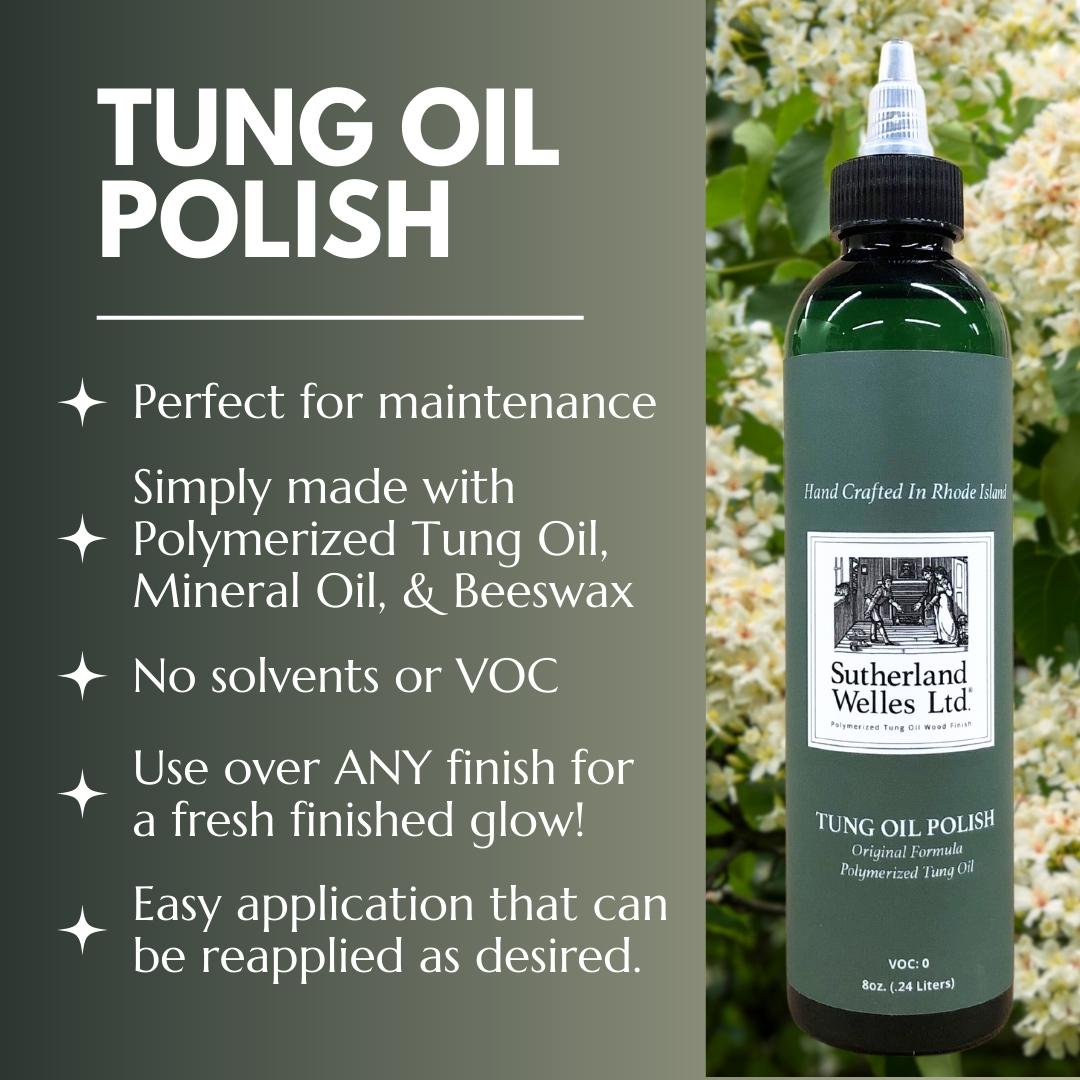
What Is Tung Oil, Really?
Tung oil is a drying oil that cures in air. It soaks into wood, then hardens by polymerization. This gives a warm look, soft sheen, and a hand-rubbed feel.
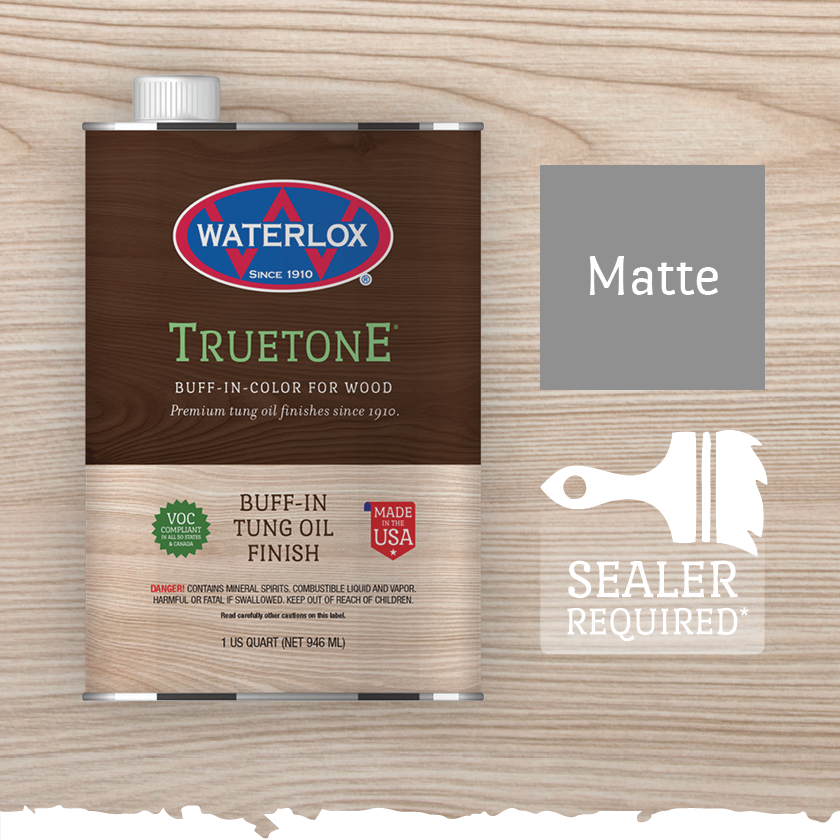
Many cans say “tung oil finish,” but some are wiping varnishes. Those have resins and solvents. They act more like thin varnish. Pure tung oil cures slower and stays in the wood. Wiping varnish builds a light film on top.
Why this matters for buffing:
- Pure tung oil needs more time before hard buffing.
- Wiping varnish can take a more firm touch sooner.
- Polymerized tung oil cures faster than raw tung oil.
Based on pro shops and product data, thin coats take 24–48 hours to recoat. Full cure can take 7–30 days, based on temp, humidity, and film build.

Do You Buff Tung Oil? When, Why, and How
Short answer again: yes, but with timing and a light hand. If you ask, do you buff tung oil right after application, the answer is no. Let each coat dry first. Then use a soft pad to knock back dust nibs. After the final coat cures, buff to even out the sheen.
Why buff at all:
- It smooths dust and tiny fibers.
- It evens out gloss.
- It gives that soft, touchable look.
How hard to buff:
- Between coats: very light, almost a caress.
- After full cure: light to moderate, depending on the product.
Do you buff tung oil if the surface feels tacky? Please don’t. Wait until it feels dry and does not grab your fingers.

Do you buff tung oil between coats?
Yes, but gently. Wait 24–48 hours, then use a white nonwoven finishing pad or 1000–1500 grit paper. Wipe off dust. Add the next thin coat.
Do you buff tung oil after it cures?
Yes. After 7–30 days, you can buff with micro-mesh pads or a soft cloth. A tiny bit of paste wax can add slip and glow.
Tools and Materials You’ll Want
Use simple, clean tools. Skip the heavy polisher until the finish is fully cured.
- White or gray nonwoven finishing pads, fine grade
- Micro-mesh or sandpaper in 800–3000 grit
- Lint-free cotton cloths or microfiber cloths
- Mineral spirits or odorless solvent for wipe-downs, if needed
- Paste wax, optional for the final glow
- Nitrile gloves and good ventilation
About steel wool:
- 0000 steel wool works, but can shed. It may rust in open grain woods like oak.
- Synthetic pads reduce that risk and leave no metal bits.

Step-by-Step: Buffing Between Coats
Goal: de-nib and level very lightly before the next coat. This keeps the finish smooth without cutting through.
- Let the coat dry. Wait 24–48 hours, or as the label says. Touch it. If it drags, wait longer.
- Dry buff. Use a white nonwoven pad or 1000–1500 grit paper. Use a light touch. Work with the grain.
- Wipe off dust. Use a clean cloth. You can mist with a little mineral spirits to pick up dust if the label allows.
- Recoat thin. Wipe on a thin coat of tung oil. Wipe off any excess after 10–15 minutes.
- Repeat as needed. Most projects look great after 3–6 thin coats.
Do you buff tung oil between every coat? You don’t have to, but I do most times. It keeps things even and silky.
Personal tip: On a walnut slab desk, I used a white pad between all five coats. The finish felt like satin pajamas for wood.
Step-by-Step: Buffing After Full Cure
Goal: refine sheen and feel after the finish has hardened.
- Confirm cure. Most pure tung oil needs at least 7–14 days. Heavy builds can need 30. If in doubt, wait.
- Start fine. Use micro-mesh or paper at 1500–2000 grit. Use a very light touch.
- Optional lubricant. Some pros like a drop of soapy water or mineral spirits to avoid swirl. Test first.
- Level and glow. Move to 3000 grit if you want a higher sheen.
- Wax, maybe. Apply a thin paste wax, let haze, then buff by hand with a soft cloth.
Do you buff tung oil with a machine? You can, but use very soft pads and low speed. Hand work gives more control and fewer oops moments.
Common Mistakes and How to Avoid Them
- Buffing too soon. If it’s still tacky, you’ll smear or leave tracks. Wait.
- Heavy pressure. You only need a gentle pass. Let the abrasive do the work.
- Using dirty rags. Dust is abrasive. Clean tools, clean results.
- Skipping wipe-off. Leaving wet oil on the surface can wrinkle or get gummy.
- Steel wool near water. Stray metal bits can rust. Synthetic pads avoid that.
Do you buff tung oil with steel wool on oak? You can, but vacuum well and avoid water. Or use synthetic pads to play it safe.
Safety note: Oil-soaked rags can self-heat. Lay them flat to dry outside or soak in water, then dispose per local rules.

Finishing Schedules for Different Products and Woods
Pure tung oil on open-grain woods (oak, ash):
- Day 1: Wipe on thin coat, wipe off excess.
- Day 2: Light buff, second coat.
- Day 3: Light buff, third coat.
- Cure 14–21 days. Then final buff and optional wax.
Polymerized tung oil on closed-grain woods (maple, cherry):
- Day 1: Thin coat, wipe off.
- Day 2: Light buff, second coat.
- Day 3: Light buff, third coat.
- Cure 7–10 days. Then buff to taste.
Wiping varnish labeled “tung oil finish” on walnut:
- Day 1: Wipe on, wipe off.
- Day 2: Light buff, second coat.
- Day 3: Light buff, third coat.
- Cure 3–7 days. Then buff. A tiny bit of wax can help.
Do you buff tung oil the same on all woods? No. Open grain hides more marks. Closed grain shows swirls. Use a finer grit on maple and cherry.
Maintenance and Long-Term Care
To keep the glow:
- Dust with a soft cloth.
- Wipe spills at once. Oils can stain if left to sit.
- Re-fresh once or twice a year with a thin coat, if needed. Buff after it dries.
Do you buff tung oil every year? Not always. If it still feels smooth and looks even, let it be. If it looks dull or dry, a light buff and a whisper of wax can bring it back.
Real-life note: My kitchen shelf gets splashes. Twice a year, I buff with a white pad and add a drop of wax. It smiles back at me.
Frequently Asked Questions of do you buff tung oil
Do you buff tung oil or sand it between coats?
Use a white pad or very fine paper like 1000–1500 grit. Keep it light to avoid cutting through the fresh coat.
How long should tung oil cure before a final buff?
Wait 7–30 days, based on product and climate. When it feels hard and dry, buff lightly.
Can I use steel wool to buff tung oil?
Yes, 0000 steel wool can work, but it sheds. Synthetic pads avoid rust specks in open-grain woods.
Do you buff tung oil if it feels sticky?
No. Sticky means not dry. Wait longer until it feels dry and smooth to the touch.
Will buffing make tung oil glossy?
It can raise the sheen a bit. For a higher gloss, go to finer grits and add a thin paste wax.
Conclusion
Buffing tung oil is simple, calm, and a little zen. Let each coat dry, buff light, and build thin layers. After the final cure, a gentle buff and a touch of wax can turn “nice” into “wow.”
Do you buff tung oil on your next project? Try it. Start small, be patient, and enjoy the feel under your fingertips. If this helped, share it, subscribe for more finish tips, or drop your questions in the comments.