
A cat dental chart is a map of your cat’s 30 teeth and gum health.
If the phrase cat dental chart makes your cat yawn, stick with me. I’ve spent years translating vet speak into real-world cat care, and this guide turns that confusing tooth diagram into a simple plan to protect your cat’s mouth, breath, and budget. By the end, you’ll read a cat dental chart like a pro and know exactly what to do next.
What is a cat dental chart?
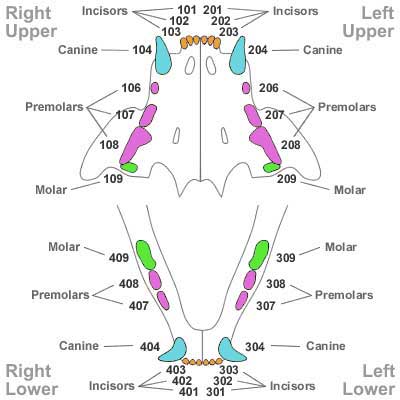
A cat dental chart is a detailed diagram and record that tracks each tooth, gum line, and oral issue over time. Vets use it to note plaque, tartar, gingivitis, fractures, resorptive lesions, and missing teeth. Think of it like your cat’s dental passport, stamped at every visit.
The cat dental chart helps compare past and present exams. It shows progress, problems, and next steps. It also improves communication between you and your vet, so nothing gets lost in translation.
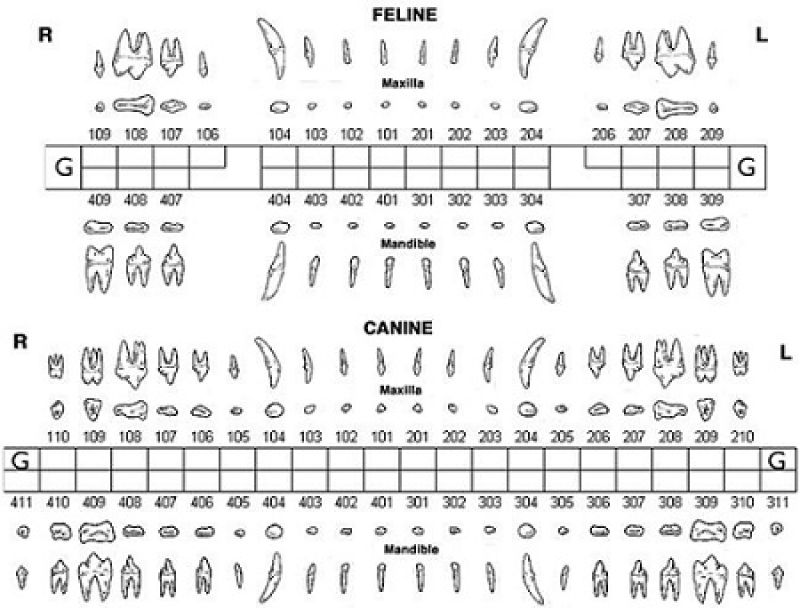
You will see tooth numbers, symbols, and short notes. It may look like code, but it tells a clear story of pain, risk, and care plans for your cat.
Anatomy 101: the cat teeth tour
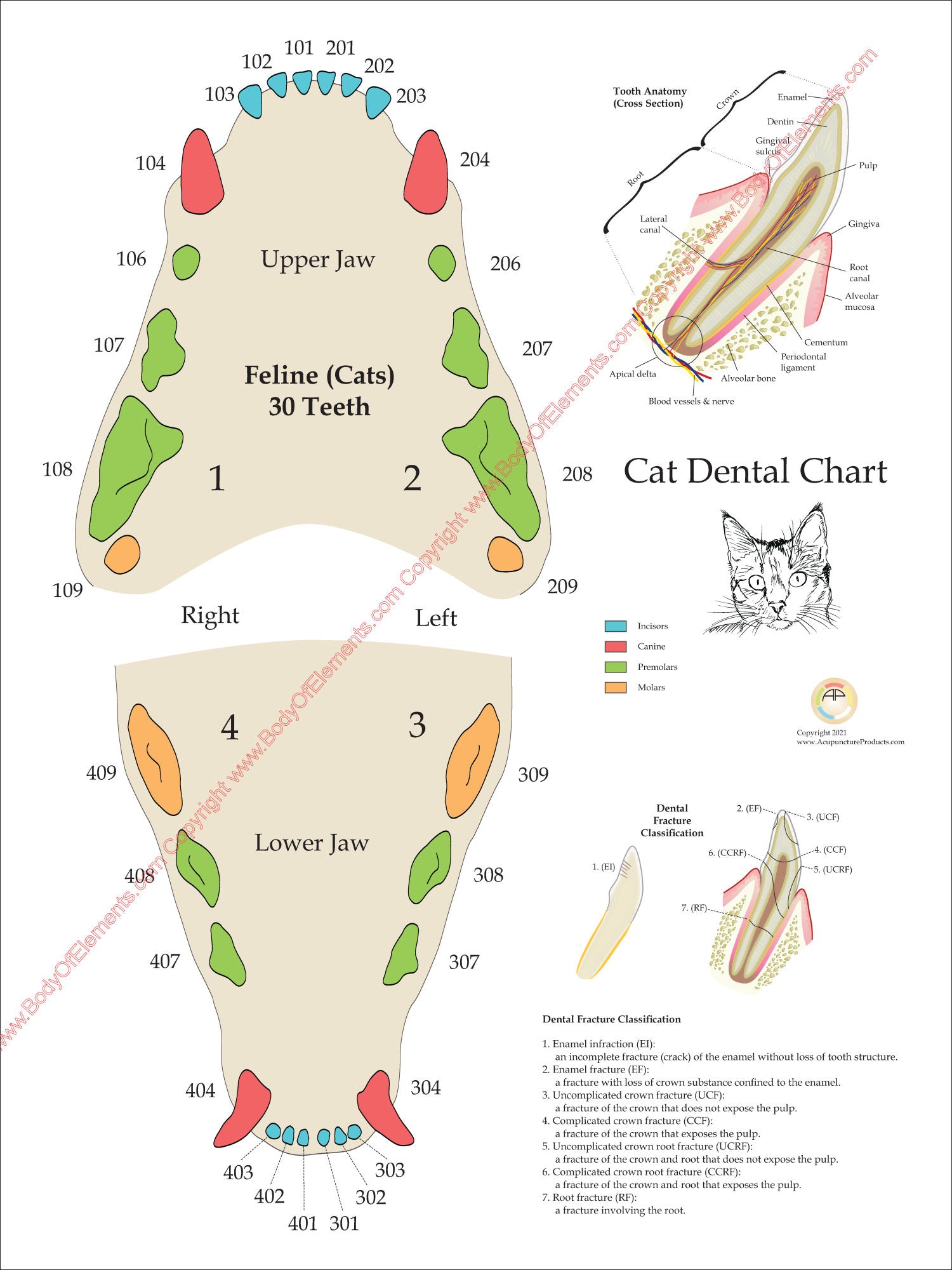
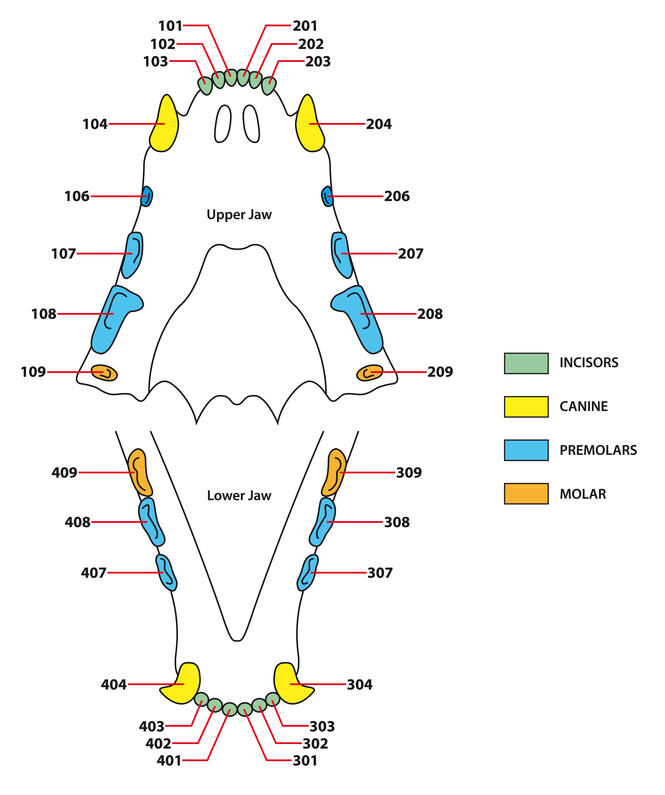
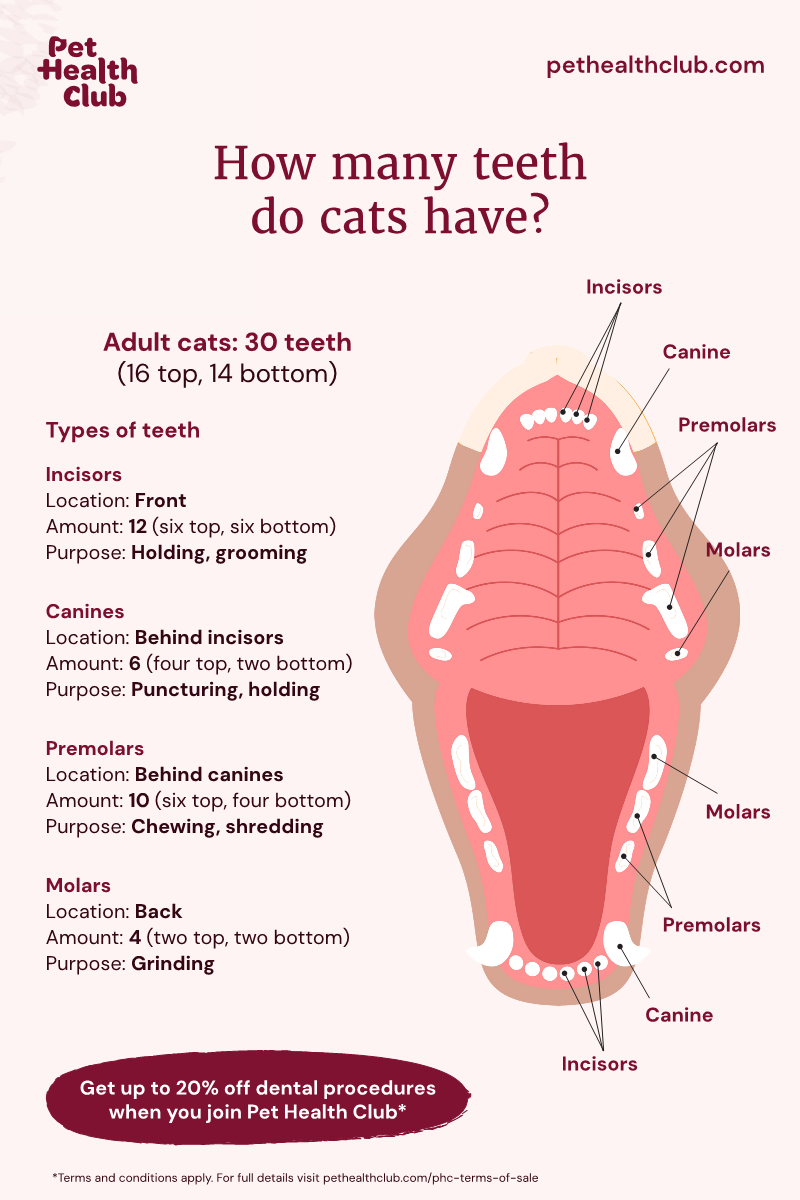
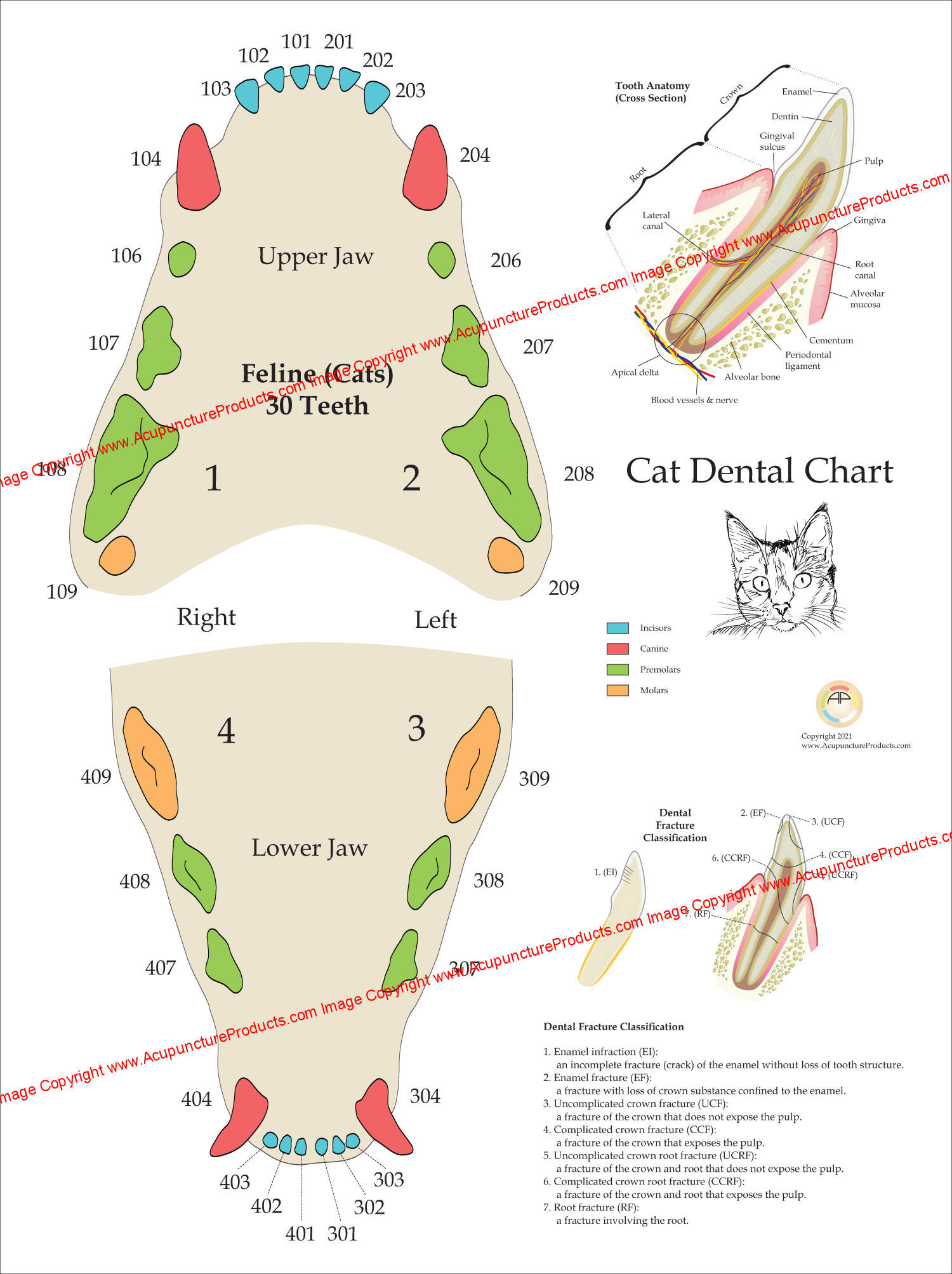
Adult cats have 30 teeth. There are incisors, canines, premolars, and molars. Each has a job: grabbing, tearing, slicing, and a bit of grinding.
Key areas on the cat dental chart:
- Crown: The part you can see.
- Root: The part you cannot see, living under the gum.
- Surfaces: Facing lips, tongue, cheek, or the biting edge.
- Gum line: Where plaque likes to throw parties.
Vets often use the Triadan numbering system to mark teeth. Each quadrant gets a hundred series number, which lets any clinic read the same map.

How vets use the cat dental chart
During an oral exam, the vet notes redness, bleeding, odor, and broken teeth. Under anesthesia, they probe each tooth, measure pockets, and take dental X-rays. Those X-rays are vital, because many issues hide under the gums.
On the cat dental chart, they mark:
- Plaque and calculus grades.
- Gingivitis levels and pocket depths.
- Tooth resorption spots.
- Fractures, mobility, and missing teeth.
This record guides cleanings, extractions, and home care. It also sets reminders for follow-ups so small problems do not become big bills.

Reading a cat dental chart at home
You do not need a veterinary degree to get the basics. Ask your vet to walk you through your cat dental chart at every visit. Take a photo for reference.
At home, use a simple checklist:
- Red or swollen gums near specific teeth.
- Brown buildup at the gum line.
- Bad breath that lingers.
- Dropping food or chewing on one side.
- Pawing at the face or hiding more than usual.
Match your notes to the vet’s chart. This helps you spot changes early and book care before pain spikes.
Why the cat dental chart matters for pain and behavior
Cats are subtle. They often hide mouth pain. The cat dental chart translates silence into data. It shows where pain likely lives and how it changes.
Common red flags the chart helps track:
- Cat stops eating dry food first, then wet.
- Weight dips despite same meals.
- Drool or blood on toys.
- Chin rubbing more than normal.
When the chart shows progress, you know your plan works. When it shows spread, you can act fast.

Prevention plan: your simple home routine
A clean mouth beats a big bill. The cat dental chart keeps score, but you win at home.
Try this easy plan:
- Brush teeth daily or at least three times a week. Use cat toothpaste only.
- Use dental gel if brushing is a battle.
- Offer VOHC-accepted dental treats or diets.
- Rotate chew toys that are safe and not too hard.
- Book a vet dental exam every 6 to 12 months.
Tip from my own kitchen table clinic: start with a cotton swab and a dab of cat-safe paste. Praise, treat, stop. Build trust first. Your future self—and your sofa—will thank you.
Age by teeth: what the chart can tell
Kittens get baby teeth by 3 to 4 weeks and adult teeth by about 6 months. The cat dental chart logs the switch. In adults, heavy tartar, wear, and gum recession suggest age but are less exact.
Useful markers:
- Bright white crowns, little tartar: younger adult.
- Yellowing, some gum changes: middle age.
- Heavy tartar, missing teeth, root exposure: senior.
It is an estimate, not a birth certificate. But it helps plan care for rescues and mystery-age cats.
Common problems you will see on a cat dental chart
You may spot short codes or shaded areas. These mark common feline dental issues. Knowing them helps you ask smart questions.
- Gingivitis: Red gums that bleed. Reversible with care.
- Periodontal disease: Infection and bone loss. Needs pro cleaning and follow-up.
- Tooth resorption: Painful lesions that eat the tooth. Often needs extraction.
- Stomatitis: Severe mouth inflammation. Immune-related; complex care plan.
- Fractured canines: Common in climbers and biters. X-rays decide treatment.
- Retained roots: The chart notes these after extractions to ensure healing.
For many cats, tooth resorption is the sneaky villain. It often hides under the gum. X-rays plus a detailed cat dental chart catch it early.
Inside a pro dental visit
Expect a pre-anesthesia exam and blood work. Under anesthesia, the team scales, polishes, and X-rays every tooth. They may extract damaged teeth to stop pain and infection.
Afterward, your cat dental chart includes:
- Before-and-after notes with photos or radiographs.
- Numbered teeth treated and why.
- Home care steps and recheck dates.
Costs vary by region and by the number of extractions. Ask for an estimate that itemizes X-rays, anesthesia time, meds, and follow-up. The chart supports those line items with clear logic.
DIY cat dental chart: a home cheat sheet
You can track basics between visits. Keep it simple and consistent.
Try this monthly checklist:
- Smell test: any sour or fishy odor?
- Look test: red line at gums? brown film?
- Chew test: favoring one side? dropping kibble?
- Mood test: less grooming? hiding?
Record left or right, upper or lower. Bring this to your vet. It turns vague worries into helpful data on the official cat dental chart.
My field notes and funny truths
I once met a tuxedo cat named Pepper who treated toothbrushes like enemy drones. We started with finger brushes, fish paste, and 10-second wins. Three weeks later, Pepper tolerated real brushing. His next cat dental chart showed less plaque and zero bleeding points.
Lessons learned:
- Go slow. Cats vote with their paws.
- Reward tiny wins. End before frustration.
- Use the chart like a scoreboard. Small gains add up.
Also, yes, your cat will try to eat the toothpaste tube. Hide it like a snack vault.
Frequently Asked Questions of cat dental chart
What is recorded on a cat dental chart?
It records each tooth, gum status, plaque, tartar, and X-ray findings. It also lists treatments, extractions, and home care plans.
How often should my cat get a dental chart update?
At every wellness visit and after any dental procedure. High-risk cats may need updates every 6 months.
Can I use a cat dental chart to spot tooth resorption?
Yes, but it needs dental X-rays for full accuracy. Surface checks help, but many lesions hide under the gum.
Does the cat dental chart help explain bad breath?
Yes. It links odor to plaque, gingivitis, or deeper disease. It guides cleaning, meds, or extractions if needed.
Is anesthesia always needed for an accurate cat dental chart?
For full probing and X-rays, yes. Awake exams help, but they cannot show hidden root issues well.
Conclusion
A cat dental chart turns guesswork into a plan. It maps every tooth, tracks pain, and proves what care works. Use it with a simple home routine, ask your vet to explain each update, and celebrate small wins.
Start today: book a dental exam, snap a copy of the chart, and set a monthly mouth check reminder. Want more tips and tools? Subscribe for new guides, or drop a comment with your cat’s brushing triumphs and fails.