
Braid excels for strength and sensitivity; mono shines for forgiveness and topwater control.
If you’ve ever stared at your spool and whispered, “Help,” this guide is for you. I’ve tested both lines on lakes, rivers, and docks that smell like hot dogs. Here’s the clean, funny, and expert take on braid or mono for baitcaster, with real tips you can use today.

Braid vs. Mono: What They Are and How They Act
Braid is a woven line with tiny diameter and huge strength. It has near-zero stretch. It slices grass like a lawnmower and sends every tap up the rod. It floats, lasts long, and casts far.
Monofilament is a single strand line. It has stretch, which acts like a cushion. It is cheap, easy to tie, and great for topwater lures. It handles shock well and is kind to beginners.
If you ask me “braid or mono for baitcaster,” the answer starts with your lure and cover. Then we tune the setup for your hands and water.

Pros and Cons at a Glance
Braid perks:
- High strength at small diameter for deep spools and long casts.
- Top sensitivity for light bites and bottom feel.
- Great in grass, pads, and wood with strong hooksets.
Braid downsides:
- Can dig into itself and cause sudden snaps on hard pulls.
- Easier to backlash if brakes and tension are off.
- Visible in clear water and can fray on sharp rocks.
Mono perks:
- Stretch helps with treble hooks and sudden runs.
- Easy to manage and very budget friendly.
- Floats well for topwater plugs and poppers.
Mono downsides:
- Lower sensitivity and more line memory.
- Thicker at the same break strength, so less capacity.
- UV and wear shorten its life.
When folks debate braid or mono for baitcaster, they are really weighing control vs. forgiveness.
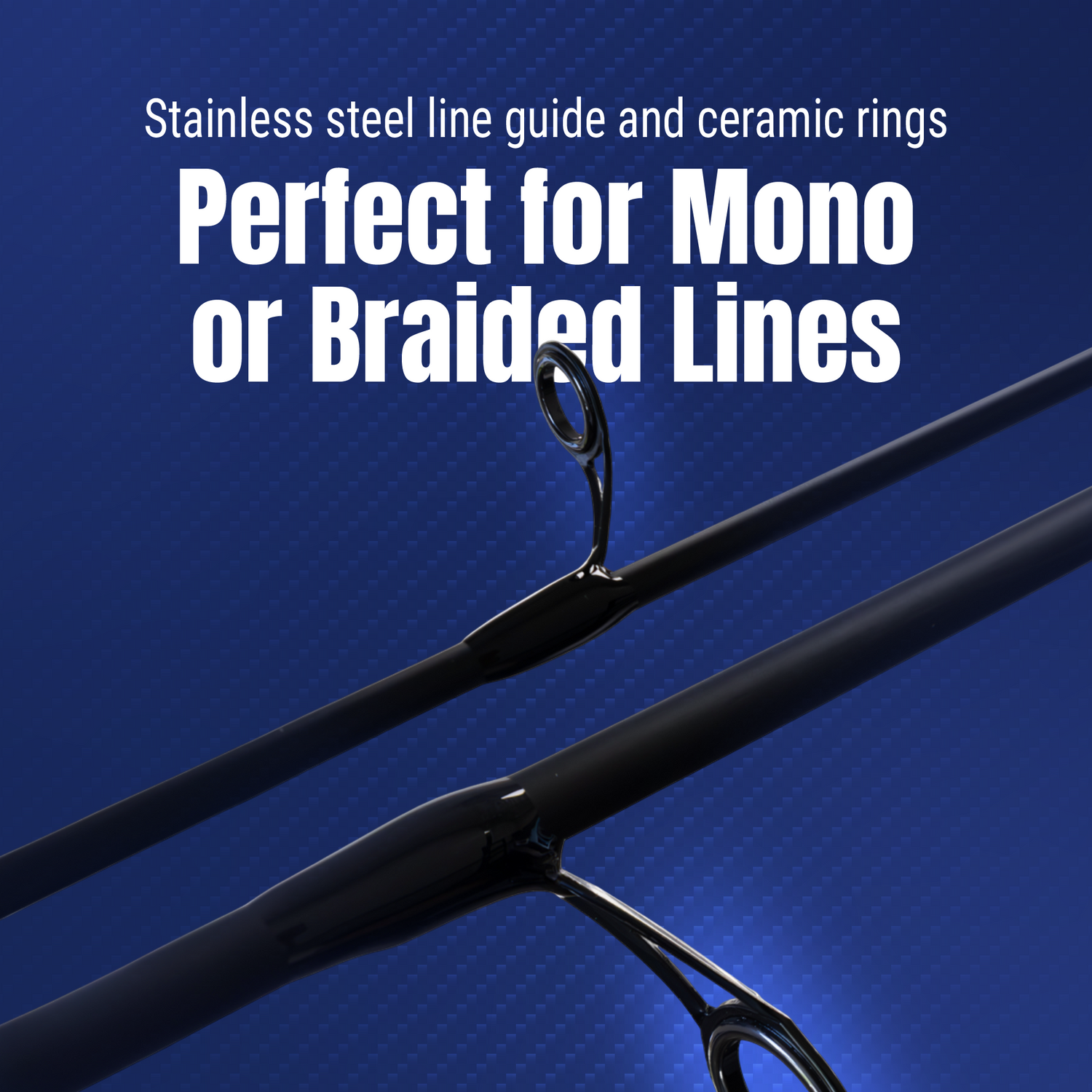
When to Choose Braid on a Baitcaster
Pick braid when you fish heavy cover. Think frog fishing, pitching jigs, or ripping lipless cranks from grass. The line cuts plants and keeps fish pinned.
Use braid for contact baits like Texas rigs or jigs. You feel the tick fast, then stick the hook hard. It also shines in wind because thin diameter cuts the air.
Real talk from my boat: I once pulled a four-pound bass through a salad bar of hydrilla. Braid saved me and my pride. If you are asking braid or mono for baitcaster in slop, choose braid and do a small mono or fluoro leader if water is clear.
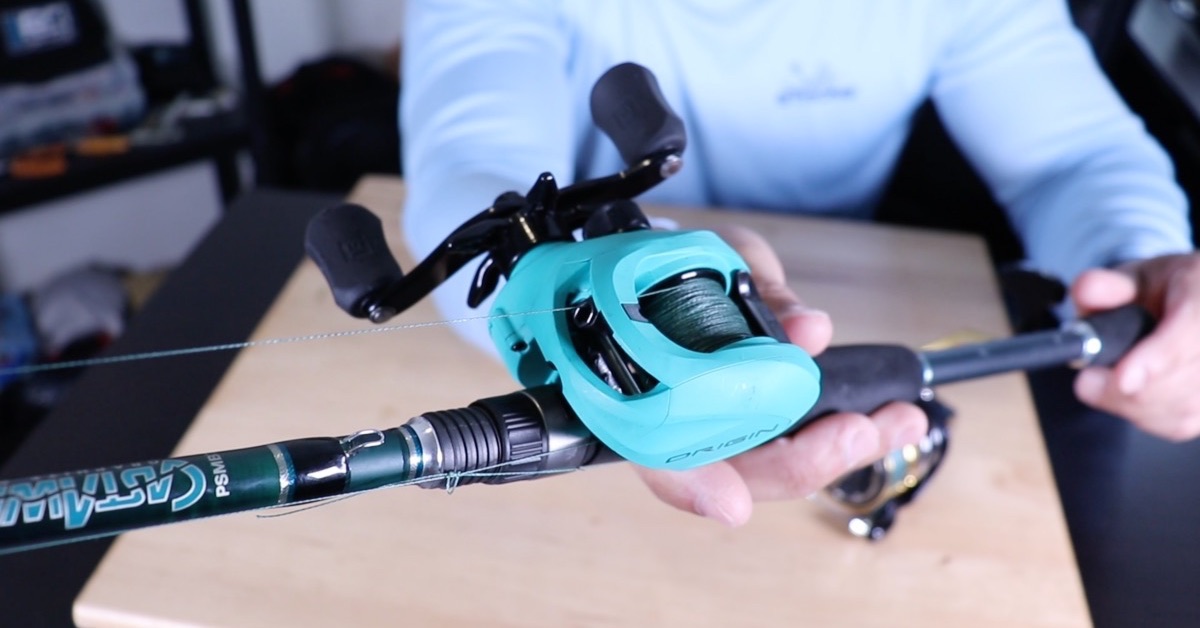
When to Choose Mono on a Baitcaster
Choose mono for topwater with treble hooks. The stretch gives fish a beat to choke the bait. It keeps you from yanking the lure out of a bass with a dramatic swing.
Mono also shines with crankbaits and jerkbaits. That cushion keeps trebles pinned and lands more fish. It is also nice for cold mornings when braid feels like piano wire.
I hand folks mono when they first try a baitcaster. It forgives thumb slips. If you ask braid or mono for baitcaster while learning, mono can save your day and your mood.

Setup Tips: Spooling, Brakes, Leaders, and Knots
Spooling braid:
- Lay down 10 to 20 yards of mono as backing so braid will not spin on the spool.
- Fill tight and even. Keep light tension with a towel on the line as you spool.
- Start with higher brake and spool tension, then back off as you dial in.
Spooling mono:
- Wet the line spool for smoother fill and fewer loops.
- Do not overfill. Leave a small gap from the spool lip.
- Set moderate brakes. Mono is more forgiving but not magic.
Leaders with braid:
- Add a 2 to 6 foot leader for clear water or rocks.
- Tie the FG knot for slim strength. The Double Uni works in a pinch.
- Use Palomar or Improved Clinch to the lure.
Quick answers you might be thinking:
- Does braid cast farther? Often yes, thanks to thin diameter and low drag.
- Does mono need a leader? Not usually. Run it straight to the lure.
- What about stretch? Braid has near-zero stretch; mono can stretch 20 to 30%, which cushions shocks.
If your mind says braid or mono for baitcaster for clear water finesse, try braid plus a leader. It blends the best of both.

Common Mistakes and Easy Fixes
Backlashes with braid:
- Turn up brakes and spool tension. Make short practice casts.
- Thumb the spool before the lure hits the water to stop loops.
Line digging with braid:
- Avoid underfilling and avoid setting the hook like you hate your reel.
- Use thicker braid like 40 to 65 lb on heavy cover rods to reduce digging.
Line memory with mono:
- Stretch the first 30 feet by hand before the first cast.
- Replace mono more often, and store reels out of hot sun.
Abrasion and breaks:
- Inspect the first 5 feet of line often. Cut and retie as needed.
- If your fishing plan is braid or mono for baitcaster near rocks, use a leader or thicker mono.
Line Strength, Diameter, and Capacity for Baitcasters
Typical picks that work:
- Braid: 30 to 50 lb for bass. Thicker for frogs or flipping. Thinner like 20 lb for open water and long casts.
- Mono: 10 to 17 lb for most bass moving baits. Go 12 lb for cranks. Go 15 to 20 lb for cover.
Why it matters:
- Thin braid loads spools deep and flies far.
- Mono fills faster due to thickness, so watch capacity.
Lab tests show braid stretch under 5%, while mono can hit 25% or more. That is why hooksets feel so different. If you are torn on braid or mono for baitcaster for topwater, think about that stretch and the hooks you use.
Durability, Lifespan, and Care
Braid can last a year or more with care. Flip it to another reel mid-season to use the fresh side. Wash grit off with a quick rinse after muddy days.
Mono ages faster with sun and heat. Change it every few months if you fish a lot. Store your reels cool and dry. Check for nicks after rock contact.
If long-term value matters in the braid or mono for baitcaster call, braid wins on lifespan, while mono wins on upfront price.
Real-World Loadouts You Can Copy
For bass in grass:
- Rod: Heavy fast.
- Line: 50 to 65 lb braid. Short leader if the water is clear.
- Lures: Frogs, Texas rigs, punching.
For open water bass:
- Rod: Medium-heavy fast.
- Line: 30 to 40 lb braid with a 12 to 15 lb leader, or straight 12 lb mono.
- Lures: Spinnerbaits, swimbaits, topwater.
For cranks and trebles:
- Rod: Medium moderate.
- Line: 10 to 12 lb mono.
- Lures: Squarebills, jerkbaits, walking baits.
For inshore reds and snook:
- Rod: Medium-heavy fast.
- Line: 20 to 30 lb braid with 20 to 30 lb leader.
- Lures: Jigs, spoons, soft plastics.
I swap setups by season. Spring jerks? Mono. Summer mats? Braid. When the puzzle is braid or mono for baitcaster on your lake, match cover, lure, and hook type. Your catch rate will thank you.
Cost, Value, and Eco Notes
Cost:
- Mono is cheap and great for filling many reels.
- Braid costs more but lasts longer, so total cost can even out.
Eco notes:
- Cut off tag ends short and trash them. Do not toss line in the water.
- Many shops recycle mono and braid. Use those bins.
If budget is tight and you weigh braid or mono for baitcaster, start with mono for moving baits. Add one reel with braid for jigs and frogs. Grow from there.
Frequently Asked Questions
Is braid or mono better for beginners on a baitcaster?
Mono is usually better for beginners because it is forgiving and cheaper. It helps reduce backlash pain while you learn thumb control.
Will braid damage my baitcaster?
Braid will not hurt a quality reel if you use mono backing and proper drag. Avoid cranking down the drag to max to prevent line dig-in.
Do I need a leader with braid on a baitcaster?
Use a leader in clear water, around rocks, or with finesse lures. Skip the leader in dirty water or thick grass for max strength.
What pound test should I use for bass?
Use 30 to 50 lb braid for heavy cover and jigs. Use 10 to 15 lb mono for cranks, topwater, and moving baits.
Which casts farther, braid or mono?
Braid often casts farther due to thinner diameter and low friction. Mono can cast well too, but it is thicker at the same strength.
Does mono float and braid sink?
Both braid and most mono float, though not all the time. Fluorocarbon tends to sink more than either.
How often should I replace my line?
Replace mono every few months if you fish often. Replace braid yearly or when it looks frayed, and flip it once to extend life.
Conclusion
You now have the tools to choose with confidence. Use braid for strength, feel, and thick cover. Use mono for stretch, treble hooks, and easy handling. If you still wonder about braid or mono for baitcaster, match the line to your lure, hooks, and water, then fine-tune brakes and drag.
Try one setup this week. Log what works. Then adjust and repeat. Want more tips that actually work on the water? Subscribe, ask a question, or share your own wins and wipeouts—I read them all.