
The best wood hand planes pair sharp irons, flat soles, and smooth adjustments.
You feel a ridge on a tabletop you just sanded. The light catches it, and it ruins the look. You try sanding more, but the grain tears out. This is when the right hand plane turns stress into a smile. A well-tuned plane takes whisper-thin shavings and leaves a glassy surface. Doors fit better. Edges break clean. And you feel in control. In this guide, I review the best wood hand planes for every budget and task, so you can choose with confidence.
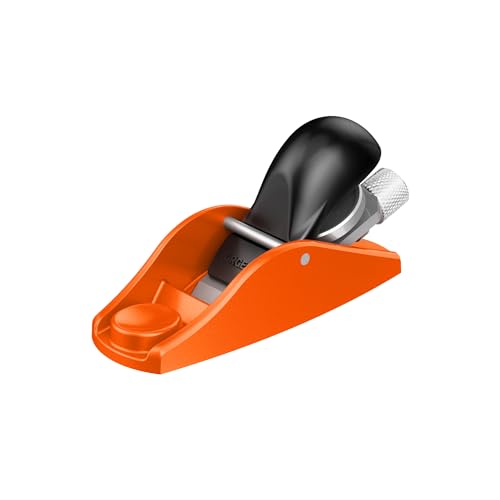
JORGENSEN No.101 Mini Wood Planer…
Professional Level Blade: The blade is made of professional level O1 tool steel, improving cutting efficiency while minimizing blade wear, finely sharpened for efficient wood planing and ideal for detail…
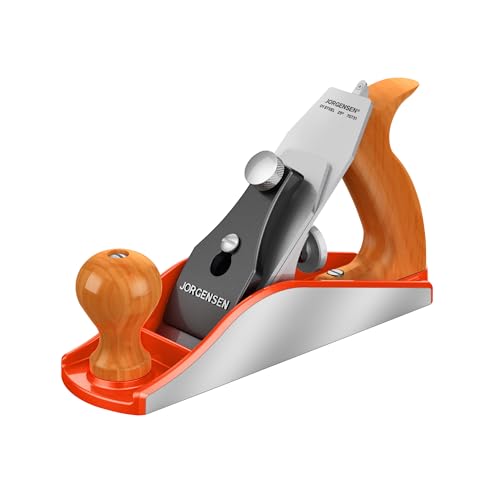
JORGENSEN No.4 10″ Wood Plane…
Professional Level Blade: The blade is made of professional level O1 tool steel, improving cutting efficiency while minimizing blade wear, finely sharpened for efficient wood planing and ideal for woodworking….
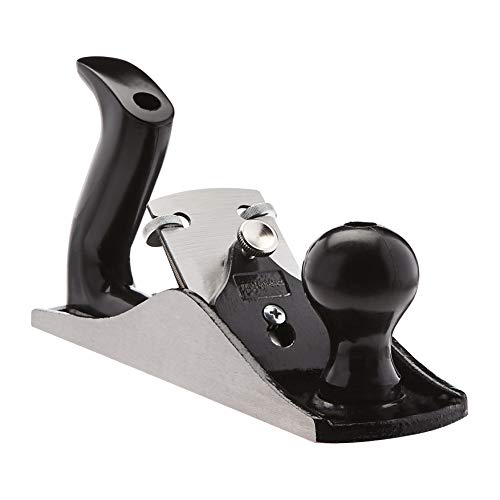
Amazon Basics Woodworking Hand Planer…
Precision Wood Planing: Features a 2‑inch (51 mm) high‑quality steel blade and an adjustable mouth and depth gauge, allowing for accurate smoothing, trimming and finishing of wood surfaces. Heavy‑Duty Cast‑Iron…
JORGENSEN No.101 Mini Block Plane

This pocket-size plane is ideal for small fixes and craft work. The ductile iron body feels tough for its size. It shines when you need to kiss an edge or trim a tiny proud spot. The depth adjuster reacts fast, so you can dial in a fine shaving.
I like it for easing sharp corners on shelves and boxes. It also handles end-grain touch-ups on dowels and plugs. Keep the iron sharp and it will surprise you. For a small tool, it brings real control to detail work.
Pros:
- Compact size fits one-handed detail work
- Ductile iron body resists drops and flex
- Quick depth adjustment for fine cuts
- Great for chamfers, plugs, and tiny proud edges
- Affordable way to add a trim plane to your kit
Cons:
- Blade is small; frequent honing helps
- Not for flattening or wide surfaces
- Grip may feel tight for large hands
My Recommendation
If you build small boxes, toys, or craft decor, this is a smart buy. It is also a handy second plane for quick fixes at the bench. Among the best wood hand planes, it fills a niche you will reach for more than you expect. It offers tight control, low weight, and a tiny footprint at a friendly price.
| Best for | Why |
|---|---|
| Detail trimming | Small sole and quick depth tweaks |
| On-site touch-ups | Light, pocketable, fast to set |
| Beginners | Low cost way to learn control and sharpening |
JORGENSEN No.4 10-In. Smoother

A No.4 is the heart of a hand tool kit. This JORGENSEN brings a ductile iron body, an easy depth adjuster, and a cap iron to tame tear-out. Once honed, it leaves a fine, ready-to-finish surface. It is a solid smoother for boards and panels.
I favor this plane for cleaning up after a jointer or after scraping glue lines. The weight sits right in the hand and glides with control. Expect to tune the iron and maybe burnish the cap iron edge. After that, it will pay you back with glossy shavings.
Pros:
- Classic size for smoothing work
- Ductile iron body for durability
- Cap iron helps reduce tear-out on tricky grain
- Depth and lateral adjusters are simple to use
- Good value for a first smoother
Cons:
- Factory edge needs full sharpening
- May need light sole lapping for best results
- Handle shape may not fit every hand
My Recommendation
If your goal is a glassy finish straight off the tool, start here. A No.4 is one of the best wood hand planes for most benches. It bridges rough milling and final finish. This model is friendly to tune and stays steady in use. For new woodworkers, it offers big results without a scary price tag.
| Best for | Why |
|---|---|
| Smoothing panels | Optimal length and weight for finish cuts |
| General bench work | Versatile adjusters and cap iron control |
| Budget-conscious users | Strong value once tuned and sharpened |
Amazon Basics No.4 Bench Plane

This budget No.4 delivers a low entry point into hand planing. The two-inch blade is easy to sharpen. The adjusters work fine once you clean and set the parts. It can make clean shavings after basic setup.
Plan on flattening the sole and refining the iron. Tighten all screws and check the frog alignment. With patience, you get a true smoother that can level joints and prep surfaces. It is a cost-effective starter for curious hands.
Pros:
- Very affordable way to try a No.4
- Standard parts are easy to service
- Wide blade suits smoothing tasks
- Good platform for learning tune-up skills
- Can achieve fine cuts with care
Cons:
- Out of the box setup is not perfect
- Blade edge may wear faster than premium steels
- Sole may need time to lap flat
My Recommendation
If you want to learn on a small budget, this is a fair pick. It is not fancy, but it will teach you how to sharpen and adjust. Those are core skills behind the best wood hand planes. Once tuned, it will smooth boards and prepare edges for glue. The price makes the learning curve easier to accept.
| Best for | Why |
|---|---|
| First-time buyers | Low cost, basic features, easy to service |
| Learning tune-ups | Good practice for flattening and sharpening |
| Light smoothing | Two-inch blade can take fine shavings |
JORGENSEN 60-1/2 Low-Angle Block Plane
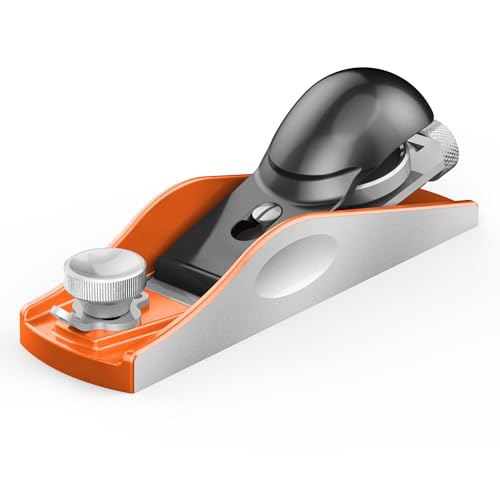
A low-angle block plane is a must for end grain. The 60-1/2 pattern has a low bedding angle and adjustable mouth. Close the mouth for fine cuts, and open it for heavier passes. The ductile body and nickel-bright hardware handle shop knocks.
I use this style to true end grain, fit miters, and break edges. It sits nicely in the palm and stays stable. Honed well, it leaves a crisp surface on hard maple and oak. It earns a permanent spot on my bench tray.
Pros:
- Low angle excels on end grain and hardwoods
- Adjustable mouth controls tear-out
- Ductile iron resists cracks if dropped
- Compact but substantial in the hand
- Fast depth and lateral tweaks
Cons:
- Factory edge needs full honing
- Not meant for large surface flattening
- Small front knob may feel tight for big hands
My Recommendation
If you trim end grain, you need a low-angle block. It is one of the best wood hand planes to keep within reach. This JORGENSEN gives you a reliable adjustable mouth and a sturdy build. It is a true problem-solver for joinery fit and clean edges on dense woods.
| Best for | Why |
|---|---|
| End-grain trims | Low bed angle and sharp iron cut clean |
| Miter fitting | Adjustable mouth dials in fine support |
| Hardwood edges | Stays steady in tough, dense stock |
JORGENSEN No.5 Jack Plane
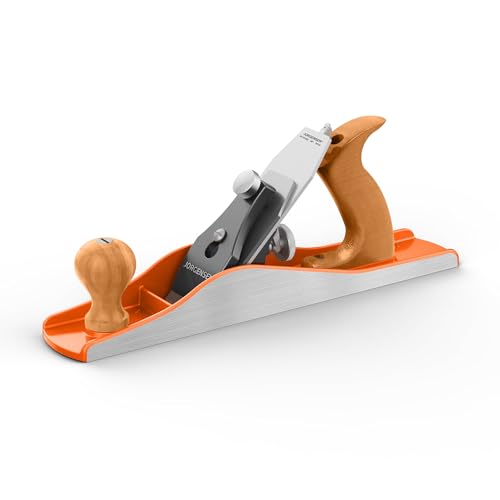
The No.5 is the “do-it-all” bench plane. It can flatten, taper, and prep boards for finish. This JORGENSEN brings an ergonomic tote, ductile body, and smooth adjusters. Open the mouth and take a heavier cut to hog off high spots.
I reach for a jack when doors bind or tabletops need flattening. It is long enough to bridge lows yet short enough to pivot. A cambered iron turns it into a fast stock remover. With a straight edge, it can also prep for glue-ups.
Pros:
- Versatile length for flattening and prep
- Comfortable tote for longer sessions
- Strong ductile body for everyday knocks
- Adjusters feel sure and responsive
- Works well with a slight iron camber
Cons:
- Heavier than a smoother; can tire small hands
- Sole may benefit from light lapping
- Needs a second iron profile for best versatility
My Recommendation
If you own one bench plane to start, choose a No.5. It ranks among the best wood hand planes because it covers roughing and refining. This model has the weight and build to tackle doors, tops, and edges. It gives new and seasoned users a tool they can grow with for years.
| Best for | Why |
|---|---|
| Flattening | Length bridges lows and tracks straight |
| Door fitting | Stable feel for predictable stock removal |
| All-around use | Switch from cambered to straight iron fast |
JORGENSEN No.102 Low-Angle Block

The No.102 is a compact block with a low angle and simple depth control. It excels at small chamfers, trim, and light end-grain work. The size encourages one-handed use and quick passes. The ductile body keeps it sturdy without bulk.
It is a fantastic “always-on-the-bench” plane. I reach for it to tune a tenon cheek or soften an edge. It is small enough to carry to a job site. With sharp steel, it pulls crisp, clean shavings.
Pros:
- Low angle works on end grain and hardwood edges
- Compact size with solid feel
- Simple depth adjustment for speed
- Great for chamfers and detail trim
- Ductile body stands up to daily use
Cons:
- Fixed mouth limits very aggressive cuts
- Too small for flatting wide faces
- Short sole needs a steady hand for square edges
My Recommendation
Need a nimble plane for detail work? This is it. In a set of the best wood hand planes, the No.102 shines as a grab-and-go tool. It helps you tweak joinery and clean edges with little fuss. It is great for makers in small shops or on-site trim carpenters.
| Best for | Why |
|---|---|
| Light chamfers | Compact, low-angle cuts stay clean |
| Joinery touch-ups | Control small surfaces and proud fibers |
| Tool belts | Small footprint for mobile work |
KAKURI 42mm Japanese Kanna Plane

This Japanese kanna uses a wooden body and a laminated blade. You pull it toward you, not push. The oak dai (body) is light and warm in the hand. With care, it makes feathery shavings and a mirror-like face.
It needs setup: tap in the blade, adjust the side fit, and fine-tune the mouth. Once dialed in, it sings on softwoods and hardwoods alike. It is a joy for those who like hand tool tradition. The compact 42mm width suits detail smoothing and chamfers.
Pros:
- Traditional pull-stroke gives control and feel
- Laminated blade takes a keen edge
- Light body glides on the wood
- Excellent for fine finishing passes
- Compact size for trim and detail work
Cons:
- Learning curve for setup and use
- Wood body moves with humidity; needs care
- Narrow width not for large flattening jobs
My Recommendation
If you enjoy tradition and feel, try a kanna. It belongs on any list of the best wood hand planes for fine work. It rewards patience with gossamer shavings and serene control. Great for cedar, pine, and even maple once the edge is keen.
| Best for | Why |
|---|---|
| Fine smoothing | Super keen laminated blade and pull stroke |
| Softwood finish | Glides on cedar and pine with ease |
| Hand tool purists | Traditional feel and precise control |
Amazon Basics No.4 Smoothing Plane
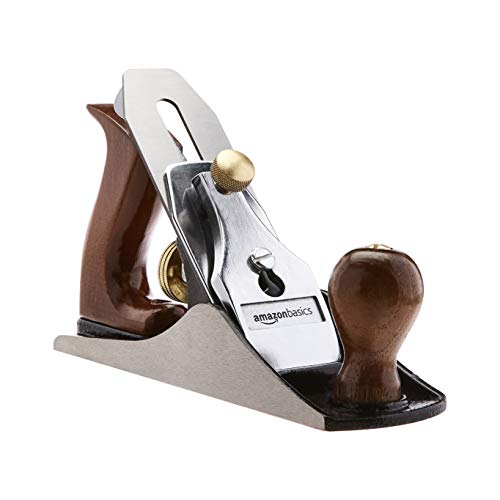
This version sports wooden handles and a classic look. Like other budget planes, it shines after a tune-up. The frog, cap iron, and blade are serviceable and simple. Set it right, and it can pull consistent, thin curls.
I suggest flattening the sole and honing the iron to 30 degrees. Close the mouth for fine finish work. After setup, it becomes a reliable smoother for panels and frames. It is a low-risk way to explore hand planing.
Pros:
- Low price with standard No.4 format
- Familiar adjusters and parts
- Wooden tote and knob feel warm
- Cap iron helps with tear-out when tuned
- Capable of fine surface finish
Cons:
- Requires time to lap and tune
- Edge retention trails premium steels
- Quality control can vary unit to unit
My Recommendation
If your budget is tight but your will is strong, this will work. You will learn the rhythm of sharpening and setup. Those skills unlock the best wood hand planes later. Until then, this smoother can produce clean surfaces on a dime.
| Best for | Why |
|---|---|
| Budget smoothing | Low cost yet capable format |
| Skill building | Great platform to learn tuning |
| Occasional use | Works fine for small projects |
WEN 6528 Electric Hand Planer

This is a powered planer for fast stock removal. The 3.8-amp motor drives twin blades across a 2-3/8 inch path. It is handy for fitting doors, leveling framing, and quick bevels. The front shoe sets depth in small, clear steps.
It will not replace a fine smoother, but it saves time. Add a vacuum to control chips. Use a light touch to avoid snipe at the exit. For rough work, it earns its spot in many shops.
Pros:
- Fast removal for doors and framing
- Clear depth settings for repeat cuts
- Good width for common tasks
- Works with shop vacs for cleaner use
- Affordable powered option
Cons:
- Too rough for final surface finish
- Noise and dust require PPE and vac
- Can leave snipe without good technique
My Recommendation
If you do on-site work or quick fixes, this is a time saver. It is not a finish tool, but it pairs well with the best wood hand planes. Use it to remove stock fast, then switch to a No.4 or block plane for the final touch. It is a great value for door fitting and trim jobs.
| Best for | Why |
|---|---|
| Door fitting | Fast, repeatable stock removal |
| Framing bevels | Quick chamfers and edge cleanups |
| Rough leveling | Preps boards before hand planing |
WoodRiver No.5-1/2 Jack Plane

The 5-1/2 is a wide, heavy jack for flattening and prep. WoodRiver planes have earned praise for solid machining and heft. The extra width covers more ground per pass. It behaves like a short jointer and a stout smoother in one body.
With a cambered iron, it erases high spots fast. Swap to a straight iron and it leaves panels ready for finish. The mass dampens chatter on dense hardwoods. It is a premium step up that rewards careful setup.
Pros:
- Wide blade for fast panel work
- Heavy mass reduces chatter
- Strong machining and fit
- Great for flattening and smoothing large areas
- Adjusters feel precise
Cons:
- Pricey compared to entry-level planes
- Weight can tire arms over long sessions
- Still benefits from honing and fine tuning
My Recommendation
If you work big panels or hard woods, this is worth it. It earns a place among the best wood hand planes for serious shops. The weight, width, and machining help you reach a clean, flat surface faster. It is an investment that pays off on every tabletop and door you build.
| Best for | Why |
|---|---|
| Panel flattening | Wide, heavy build covers ground and stays steady |
| Hardwoods | Mass controls chatter on dense stock |
| Serious hobbyists | Premium fit and finish reward careful use |
FAQs Of best wood hand planes
What is the first hand plane I should buy?
Start with a No.5 jack or a No.4 smoother. A jack is most versatile. A smoother gives you finish-ready surfaces.
What is a low-angle block plane best for?
End grain, chamfers, and trimming small parts. The low bed angle slices fibers clean with less tear-out.
How often should I sharpen the blade?
Sharpen when cuts feel harder or the surface dulls. Light honing often beats heavy grinding later.
Do I need to lap the sole?
Check with a straightedge. If you see gaps, lap lightly. Many budget planes need some flattening.
Why choose ductile iron over gray iron?
Ductile iron resists cracking if dropped. It handles shop life better and keeps the sole stable.
Final Verdict: Which Should You Buy?
The JORGENSEN No.5 Jack Plane is the best choice for most people. It does rough leveling and clean prep, and it grows with your skills.
If you value simple results, the best wood hand planes start with a jack and a low-angle block. Add a No.4 for a silky finish, and you are set.