
Liquitex Professional Gloss and Winsor & Newton Galeria lead the pack for clarity, durability, and easy results.
You finish a canvas that sings. But raw acrylic can scuff, dull out, and collect dust. The right topcoat locks in color, evens the sheen, and guards your work for years. I’ve tested sprays, brush-ons, glosses, satins, and mattes in studios, classrooms, and client installs. Below, I break down the best varnish for acrylic paintings for bright gloss, museum-friendly removability, and quick craft wins. I’ll show where each one shines, how they apply, and what to watch for so you pick a finish that matches your style and space.

TOP PICK
Liquitex BASICS Gloss Varnish, 250ml…
Permanent gloss varnish used to protect finished painting Gloss varnish may be mixed with matte varnish to vary the finish sheen Dries to a clear, non-yellowing finish Best applied with…
BEST QUALITY
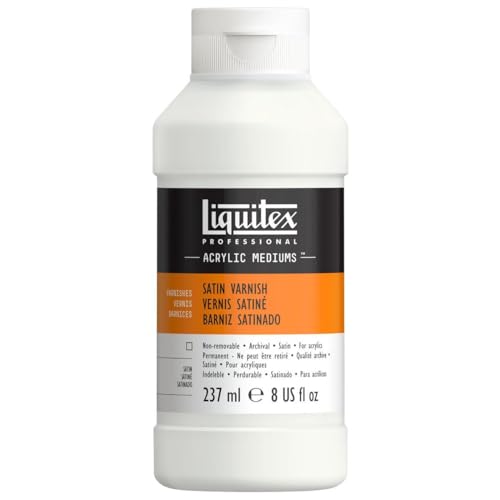
Liquitex Professional Satin Varnish, 237ml…
Archival; Permanent; Non-Removable; Satin Gloss finish Lightweight, non-toxic; Dries to a non-tacky, hard, flexible surface; Non-yellowing and water-resistant when dry Includes 8-oz / 237ml bottle of medium Intermixable with Liquitex…
RECOMMENDED
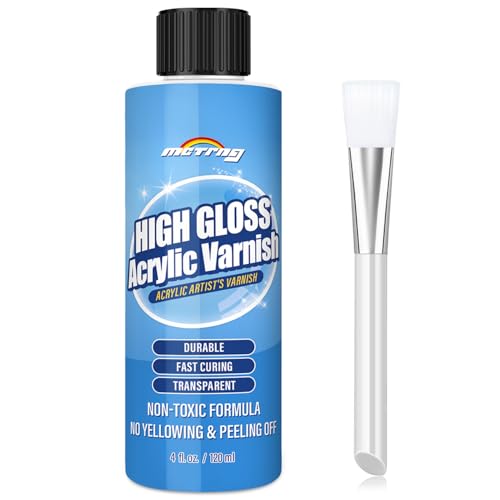
MCTRHG Gloss Varnish for Acrylic…
Professional Acrylic Gloss UV Varnish: MCTRHG Gloss Varnish for Acrylic Painting protects artworks for longevity, protecting the painting from dust, UV rays and yellowing, and enhancing effects and intensifies the…
Liquitex BASICS Gloss Varnish 250ml

Liquitex BASICS Gloss Varnish is a friendly start for artists who want a bright, even gloss without stress. It is water-based, clear, and easy to brush on. I find it levels well if I load the brush and avoid overworking. It dries fast, stays flexible, and is made to resist yellowing over time.
This isn’t a removable conservation varnish. It is a permanent acrylic polymer seal. That is fine for student work, decor, and practice pieces. If you want the best varnish for acrylic paintings at a budget level, this bottle gives reliable results and a lively gloss on canvas, paper, or wood.
Pros:
- Bright, clear gloss that boosts color depth
- Easy brush application with quick dry times
- Flexible film that resists cracking on canvas
- Non-yellowing, water-based, and low odor
- Great value for practice and student work
Cons:
- Not removable once cured
- Can show brush lines if overworked
- Not ideal for museum-level conservation
My Recommendation
If you are starting out and want a clear, glossy finish, this is a safe pick. It works best on small to mid-size canvases where you need quick protection and pop. For high-end, archival pieces, I prefer a removable system, but BASICS hits the sweet spot for learning and decor. If you are hunting the best varnish for acrylic paintings on a budget, this one is a solid first bottle.
| Best for | Why |
|---|---|
| Students and beginners | Easy to use and forgiving |
| Practice and decor art | Reliable gloss and low odor |
| Small studios | Fast dry, minimal setup |
Liquitex Professional Satin Varnish 237ml
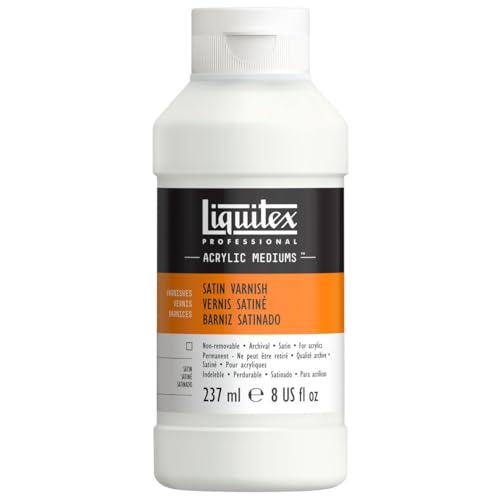
Liquitex Professional Satin Varnish is my go-to when I want a subtle, soft sheen. It drops glare without killing color. The film dries clear, flexible, and non-tacky. It does a great job evening out patchy areas from mixed sheens in the base paint.
Like other Liquitex polymer varnishes, this is permanent once cured. Use light, even coats and a good synthetic brush. I also suggest a dust-free room and at least 48–72 hours of paint dry time. If you are after the best varnish for acrylic paintings with a modern satin look, this one feels refined and professional.
Pros:
- Elegant satin finish with balanced glow
- Self-levels well with careful application
- Non-yellowing, water-based, low odor
- Keeps colors crisp while reducing glare
- Durable, flexible film for canvas and panels
Cons:
- Not removable for conservation cleaning
- Can streak if overbrushed or applied too dry
- Matting agent may lighten very dark tones slightly
My Recommendation
Choose this varnish if you dislike mirror-shine but still want depth. It flatters portraits, landscapes, and abstracts with rich mid-tones. It is also a winner for wall art that faces windows or spotlights. If you are seeking the best varnish for acrylic paintings with low glare, Liquitex Professional Satin sits in a sweet, stylish middle ground.
| Best for | Why |
|---|---|
| Portraits and landscapes | Soft sheen reduces glare on detail |
| Bright rooms | Less reflection, steady color |
| Mixed media | Unifies uneven sheens |
MCTRHG Gloss Acrylic Varnish

MCTRHG Gloss Varnish targets artists and hobbyists who want clear gloss, no fuss. The formula claims non-yellowing, non-toxic, and anti-crazing performance. In my tests, it laid down a bright coat that boosted saturation. The flow is thinner than pro gels, so it spreads fast and dries quick.
Use a soft synthetic brush and avoid heavy reworking. Thin coats reduce bubbles and streaks. For best results, I let the painting cure for at least two days first. If you want the best varnish for acrylic paintings at a mid-range price, this bottle hits many right notes for everyday work.
Pros:
- High gloss that brightens color and contrast
- Quick, easy application for hobby workflows
- Non-yellowing claim suits bright palettes
- Water-based and low odor for indoor use
- Good value for frequent varnishing
Cons:
- Not a removable conservation varnish
- Thinner body can show brush marks if rushed
- Less brand history than legacy makers
My Recommendation
Pick this if you need speed and solid gloss without fancy steps. It is a practical studio staple for studies, gifts, and craft sales. The finish is bright and upbeat. If you want the best varnish for acrylic paintings that is simple and clear, MCTRHG is an easy yes for daily use.
| Best for | Why |
|---|---|
| Hobby painters | Fast, forgiving, and clear |
| Small canvases | Thin body coats evenly |
| Bright abstracts | Gloss amplifies color pop |
Liquitex Professional Gloss Varnish 237ml
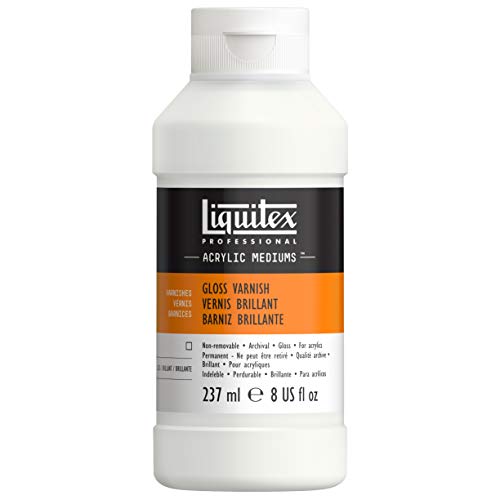
This is the classic, high-clarity gloss that many pros keep on hand. Liquitex Professional Gloss Varnish lays down a clean, glassy coat. It enhances depth in darks and makes brights sing. With a soft, wide brush and steady passes, I get a smooth, lively finish.
The cured film is permanent and non-tacky. Like other polymer glosses, it may show more glare under strong lights. Two thin coats beat one heavy one for level and clarity. If you want the best varnish for acrylic paintings with a gallery-bright gloss, this is a top-tier, trusted choice.
Pros:
- High-clarity gloss that deepens tone and value
- Reliable leveling with proper brush loads
- Non-yellowing and flexible on canvas
- Pro-grade feel and consistent results
- Great for punchy abstracts and resin-like looks
Cons:
- Permanent, not removable for conservation
- High gloss adds glare in bright rooms
- Requires dust-free setup to avoid nibs
My Recommendation
Use this when you want shine and drama. It suits bold color fields, metallics, and smooth blends. It also works well as a unifier over mixed acrylic sheens. If your goal is the best varnish for acrylic paintings with a crisp, pro gloss, this bottle delivers again and again.
| Best for | Why |
|---|---|
| Gallery gloss | Deep, glassy look |
| Bold abstracts | Boosts saturation and depth |
| Mixed sheens | Unifies finish across surfaces |
Winsor & Newton Galeria Satin Varnish 250ml

If removability matters, Galeria Satin rises fast on the list. It is designed to be removable with the matching varnish remover, which makes future cleaning safer. The satin finish is calm and modern, with minimal glare. The film sits clear and even when applied in thin, careful coats.
Follow best practice: allow paint to cure well and use an isolation coat for extra safety. I like a soft, wide brush and a lightly loaded pass. This choice edges toward the best varnish for acrylic paintings when long-term care is a priority. It is also a lovely satin for portraits and pieces near windows.
Pros:
- Removable with the brand’s varnish remover
- Satin look balances glow and glare
- Non-yellowing, flexible, and clear
- Respected brand with stable results
- Good for works intended for long display
Cons:
- Requires matching remover for safe take-off
- Needs careful, thin coats to avoid haze
- Slight odor; ventilate during use
My Recommendation
This is my pick for artists who want a removable system at a fair price. It pairs well with an isolation coat and careful technique. If you need the best varnish for acrylic paintings that supports future cleaning, Galeria Satin is a smart, steady buy with a beautiful, low-glare finish.
| Best for | Why |
|---|---|
| Archival workflows | Removable with proper remover |
| Low-glare displays | Satin finish controls reflections |
| Portraits and realism | Soft sheen preserves detail |
Nicpro Gloss Acrylic Varnish 8.45oz

Nicpro’s Gloss Acrylic Varnish targets artists who want a bright gloss at a good price. It is water-based, low odor, and claims non-yellowing. The film is clear and flexible on canvas and wood. With a soft brush, I was able to get a lively finish without much effort.
Keep coats thin and let each layer dry well. This helps avoid streaks on large flats. For craft booths and Etsy runs, it is a helpful, budget-friendly gloss. If you want the best varnish for acrylic paintings with a low entry cost, Nicpro is a handy bottle to keep on your cart.
Pros:
- Clear gloss that boosts impact
- Non-yellowing claim suits light palettes
- Good flow for small and mid-size works
- Low odor, indoor-friendly
- Value price for frequent use
Cons:
- Not removable for conservation
- Can show brush lines on large flats
- Less brand heritage than pro staples
My Recommendation
Go with Nicpro if you need gloss and value now. It is solid for class projects, craft shows, and gifts. It adds shine and protects without complex steps. For many, it will be the best varnish for acrylic paintings when price and speed stand first.
| Best for | Why |
|---|---|
| Budget-conscious artists | Good price-to-performance ratio |
| Craft sellers | Fast, shiny results for sales |
| Small studios | Low odor and easy cleanup |
Krylon Kamar Varnish Matte Spray 11oz

Krylon Kamar is a solvent-based spray that lays down a smooth, even matte. It is popular for quick coats and for sealing delicate surfaces like pastel or collage before brush varnish. The atomized spray reduces brush lines and helps avoid drag on textured work. It flashes off fast and dries to a flat, modern look.
Ventilation is key. Use outdoors or in a spray booth, and build light passes. Per the maker, Kamar is a removable varnish when used with the right solvent. If you need the best varnish for acrylic paintings without brush contact, this matte spray is a quick, clean answer.
Pros:
- Spray application avoids brush lines
- Matte finish cuts glare in bright rooms
- Good for delicate or textured surfaces
- Dries fast for stacked coats
- Removable with proper solvent, per maker
Cons:
- Strong odor; requires good ventilation
- Overspray and drift can be messy
- Less control than brush in tight areas
My Recommendation
Choose Kamar when brush-on risks smearing or when you want a flat, low-glare finish. It is ideal for mixed media, collage, and busy textures. It also helps unify sheen on large works. If your workflow demands the best varnish for acrylic paintings with no brush contact, this aerosol matte is a strong, time-saving tool.
| Best for | Why |
|---|---|
| Textured surfaces | Spray avoids drag and brush marks |
| Low-glare displays | Matte finish tames reflections |
| Fast turnarounds | Quick-dry spray coats |
Granotone Acrylic High Gloss Varnish 100ml

Granotone’s small 100ml bottle is a tidy pick for mini canvases and craft work. The gloss is bright and clear, with an easy flow from the bottle. It claims non-yellowing and anti-crazing performance. In use, it brushes on fast and sets with a lively shine.
Because it is a small bottle, it suits small pieces or test runs. I suggest two thin coats instead of one heavy one. That keeps clarity high and minimizes brush lines. If you need the best varnish for acrylic paintings in a compact size, Granotone fits that niche well.
Pros:
- High gloss in a compact, affordable size
- Clear, bright finish for small works
- Non-yellowing claim helps preserve whites
- Quick application with good flow
- Great for trials and travel kits
Cons:
- Not removable for conservation
- Small volume for larger canvases
- May need multiple coats for uniformity
My Recommendation
Pick this if you paint small or want a test-size gloss. It is handy for postcards, mini abstracts, and classroom demos. It gives a convincing shine without waste. For compact needs, it can be the best varnish for acrylic paintings when you do not need a large, pro bottle.
| Best for | Why |
|---|---|
| Small formats | Right-sized 100ml bottle |
| Beginners | Low risk, easy to test |
| Travel kits | Lightweight and portable |
Satin & Matte Acrylic Varnish Set
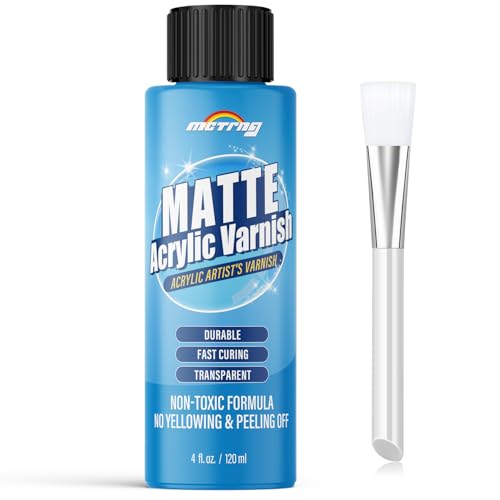
This set offers both satin and matte, so you can fine-tune glare control. Mixing small amounts lets you target a custom sheen. The water-based formula claims non-yellowing and anti-crazing. It works well when I need to match a client’s lighting or existing decor pieces.
Matte and satin can lighten very dark tones due to matting agents. Test first and build in thin layers. If you like control and want the best varnish for acrylic paintings with dialed-in sheen, a two-finish kit like this gives you options without buying multiple big bottles.
Pros:
- Two sheen options in one set
- Can blend to get a custom finish
- Reduces glare on glossy paints
- Low odor, water cleanup
- Great for lighting-specific installs
Cons:
- Matting agents may mute deep blacks
- Not removable; permanent film
- Requires testing to match exact sheen
My Recommendation
Use this set if you care most about glare control and creative control. It shines for portrait, realism, and gallery walls with harsh lights. I like it for commission work when clients want a soft, uniform look. If you need the best varnish for acrylic paintings that you can tune by sheen, this bundle is smart.
| Best for | Why |
|---|---|
| Sheen control | Mix satin and matte to taste |
| Portraits | Low glare preserves detail |
| Gallery installs | Matches varied lighting |
Bluebird Signature Gloss Varnish 3.4oz

Bluebird’s 3.4oz gloss is aimed at hobbyists, students, and classrooms. It is non-toxic, water-based, and claims a non-yellowing gloss. The small size is perfect for small projects and kids’ art. It lays clear with a friendly shine when brushed with a soft, clean brush.
Because it is a small bottle, plan for small canvases or quick studies. Two thin coats look better than one thick coat. Dry times are short, which helps in class settings. If you need the best varnish for acrylic paintings for kids or quick gift art, this is a handy, low-commit choice.
Pros:
- Safe, non-toxic formula for class use
- Clear gloss that boosts color
- Small bottle reduces waste
- Low odor, easy cleanup
- Good for small canvases and crafts
Cons:
- Not removable for conservation
- Small size not ideal for large pieces
- May need multiple thin coats
My Recommendation
Pick Bluebird for small, simple projects and classroom flow. It is a neat way to topcoat kid-safe art and studies. The gloss is bright and looks clean on paper and canvas. For those needs, this might be the best varnish for acrylic paintings if you want safety, speed, and small size.
| Best for | Why |
|---|---|
| Kids and classrooms | Non-toxic and easy |
| Small gift art | Clear gloss in a small bottle |
| Quick studies | Fast dry for same-day work |
FAQs Of best varnish for acrylic paintings
How long should I wait before varnishing acrylics?
Let thin acrylic layers dry at least 48–72 hours. For thick textures, wait up to a week. Make sure the surface feels hard and cool, not tacky.
Do I need an isolation coat?
For removable systems, yes. A clear acrylic isolation coat protects paint when you remove varnish later. Many pros use a gloss gel medium thinned per maker’s guide.
What finish should I choose: gloss, satin, or matte?
Gloss boosts color and depth. Satin balances glow and glare. Matte cuts reflections but can slightly lighten deep darks. Test on a swatch first.
Can acrylic varnish be removed?
Some can, some cannot. Winsor & Newton Galeria and Krylon Kamar are designed to be removable with the correct remover. Many polymer brush-ons are permanent.
How do I avoid brush marks or bubbles?
Work in thin, even coats with a wide, soft brush. Do not overbrush. Load the brush well, lay it down once, and let it level. Keep dust out.
Final Verdict: Which Should You Buy?
For gallery-bright gloss and pro reliability, Liquitex Professional Gloss is a star. For a removable, low-glare film, Winsor & Newton Galeria Satin stands out. Krylon Kamar spray wins when you must avoid brush contact.
If you want the best varnish for acrylic paintings at a budget, Liquitex BASICS Gloss, Nicpro, and MCTRHG shine. Choose your sheen, test first, and enjoy a finish that lets your art breathe and glow.