
Use PVA wood glue for wood; solvent-based vinyl adhesive or PVC cement for vinyl.
Ever had baseboard or quarter round pop loose right after painting? Or vinyl trim that won’t stay put around a busy doorway? I’ve been there. Picking the best type of glue to use for wood and vinyl trim saves time and stops callbacks. The right adhesive grips fast, dries clean, and survives humidity, pets, and daily bumps. In this guide, I’ll break down what actually works in 2026, when to pick waterproof over water-resistant, and which glues play nice with vinyl’s slick surface. I’ll also share pro tips for prep, clamping, and avoiding squeeze-out lines so your trim looks like a custom shop install.

Gorilla Ultimate Waterproof Wood Glue,…
Use indoors or outdoors: Give your indoor or outdoor projects a Gorilla Tough bond with waterproof Ultimate Gorilla Wood Glue (passes ANSI/HPVA Type I), our most durable wood glue Extended…

Gorilla Wood Glue, Natural Wood…
Complete projects fast: Our wood glue only requires 20-30 minutes of clamp time and is fully cured in 24 hours Use indoors or outdoors: Give your indoor or outdoor project…
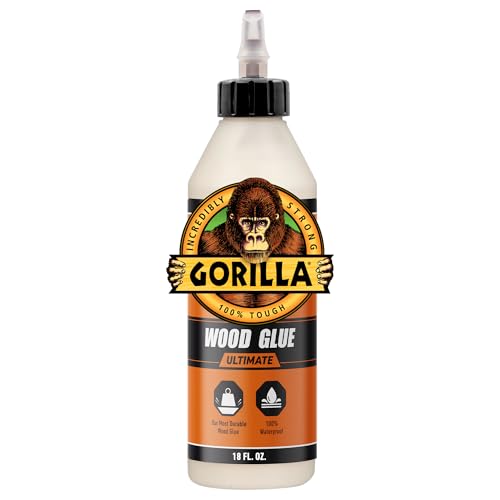
Gorilla Ultimate Waterproof Wood Glue,…
MOST DURABLE WOOD GLUE: 100% waterproof Ultimate formula bonds hardwoods, softwoods, and natural wood composites and withstands exposure to water, sun, and extreme temperatures EXTENDED WORKING TIME: Up to 15…
Gorilla Ultimate Waterproof Wood Glue, 8 oz

This is Gorilla’s flagship Type I waterproof PVA for wood. It dries to a natural wood color, sands smooth, and cleans up with water when wet. If your trim is exposed to steam, mops, or open-air porches, this formula holds tight where standard Type II glues can creep or soften.
Clamping time is reasonable, and it sets fast enough for same-day installs. I reach for it on baseboards, stair nosing returns, and built-ins around bathrooms or mudrooms. It’s not for vinyl-to-vinyl bonds, but it excels at wood-to-wood in harsh conditions, which is critical for long-lived trim work.
Pros:
- True waterproof bond (Type I) for wet or humid areas
- Natural wood color for cleaner seams
- Easy water cleanup before cure
- Strong initial tack and predictable clamp times
- Sands well with minimal gum-up
Cons:
- Not for vinyl-to-vinyl bonding
- Costs more than standard PVA glues
- Requires proper clamping for full strength
My Recommendation
If you install wood trim in bathrooms, laundry rooms, or entryways, this is a reliable pick. It’s the best type of glue to use for wood and vinyl trim situations where the wood portions face moisture or frequent cleaning. Use it for wood-to-wood joints, and pair it with a vinyl-specific adhesive for any vinyl sections. For homeowners and pros who want a one-and-done waterproof solution for wood trim, it’s a top value.
| Best for | Why |
|---|---|
| Wet-area wood trim | Type I waterproof rating resists steam and spills |
| Stain-grade work | Natural color dries clean and sands smooth |
| High-traffic zones | Durable bond prevents joint creep |
Gorilla Wood Glue, 4 oz (2-Pack)

This Type II water-resistant wood glue covers most indoor trim jobs. You get two small bottles, which helps reduce waste if you glue trim only a few times a year. The natural wood color blend helps hide thin seams or minor squeeze-out.
It sets fast, holds strong, and sands well once cured. For baseboards, crown returns, and mitered casings, I’ve found the open time and clamp window very friendly. It’s not a vinyl adhesive, but it nails the wood side of the best type of glue to use for wood and vinyl trim planning.
Pros:
- Great value in a 2-pack
- Type II water resistance suits most interiors
- Good open time for precise miters
- Natural color blend for discreet lines
- Easy wipe-up before it sets
Cons:
- Not waterproof (Type I)
- Not for vinyl plastics
- Small bottle can run out on big projects
My Recommendation
Choose this if you tackle indoor wood trim and want a dependable standard. It’s the best type of glue to use for wood and vinyl trim projects where the wood joints need a solid Type II bond and you’ll combine it with a vinyl-appropriate adhesive for PVC or flexible trim. The 4 oz size is perfect for DIYers who prefer fresh glue every project.
| Best for | Why |
|---|---|
| General indoor wood trim | Type II bond suits most dry interiors |
| Occasional DIY projects | Small size reduces waste, stays fresh |
| Clean finish work | Natural color, easy sandability |
Gorilla Ultimate Waterproof Wood Glue, 18 oz
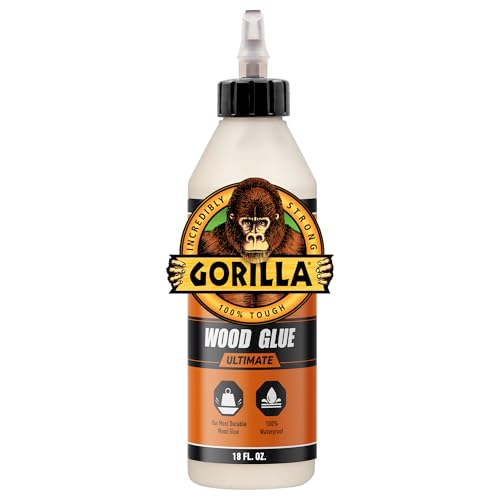
Same formula as the 8 oz Ultimate, but in a beefier bottle for bigger jobs. If you’re tackling an entire level of baseboards, tall wainscoting, or long stair stringer caps, this size keeps you from running dry mid-install. It still cleans with water when wet and cures to a natural color.
For wood trim exposed to cleaning cycles and seasonal humidity swings, the waterproof rating pays off. I’ve used it for painted and stain-grade work; it holds without creeping. It pairs well with vinyl-appropriate adhesives when you plan around the best type of glue to use for wood and vinyl trim as a system.
Pros:
- Waterproof Type I bond for harsh conditions
- Large size suits full-room installs
- Natural color, sands clean
- Reliable open time and clamp behavior
- Strong long-term hold without creep
Cons:
- Higher upfront cost
- Not for vinyl-to-vinyl applications
- Cap must be cleaned to prevent clogging
My Recommendation
Pros and serious DIYers who do large runs should get this bottle. It’s the best type of glue to use for wood and vinyl trim scenarios when your wood joints demand waterproof reliability alongside a separate vinyl adhesive. If your schedule is tight and you can’t risk rework, this is a safe bet.
| Best for | Why |
|---|---|
| Whole-home trim | 18 oz supply avoids mid-job shortages |
| Wet or humid areas | Type I waterproof rating |
| Painted or stain-grade | Natural color and good sandability |
Loctite Vinyl, Plastic & Fabric Adhesive, 2-Pack

This clear, flexible adhesive shines on vinyl and many plastics. It’s a repair staple for vinyl upholstery and inflatables, but it also earns a place in trim kits when you need a tenacious bond on vinyl quarter round, vinyl shoe molding, or flexible PVC transitions. It dries clear, which is a lifesaver on light finishes.
Prep matters: clean, lightly scuff glossy PVC, and dry-fit. A thin, even coat builds the right contact. If you’re asking the best type of glue to use for wood and vinyl trim when vinyl is the star, this is a strong, accessible answer that resists peel and minor flexing.
Pros:
- Designed for vinyl and flexible plastics
- Dries clear; discreet on light trim
- Flexible bond resists peel and movement
- Great for small, precise applications
- Handy 2-pack for backup
Cons:
- Not ideal for large, structural bonds
- Strong fumes; ventilate well
- Not a wood glue substitute
My Recommendation
Keep this for vinyl trim touch-ups and dedicated vinyl-to-vinyl bonds. It’s the best type of glue to use for wood and vinyl trim when the vinyl portion needs a clear, flexible, long-lasting hold. Combine it with a quality wood PVA on mixed-material projects for pro-grade results without visible glue lines.
| Best for | Why |
|---|---|
| Vinyl quarter round | Clear, flexible bond that resists peel |
| Light-colored trim | Dries clear to hide edges |
| Spot repairs | Precise application and quick set |
Gorilla Wood Glue, 36 oz
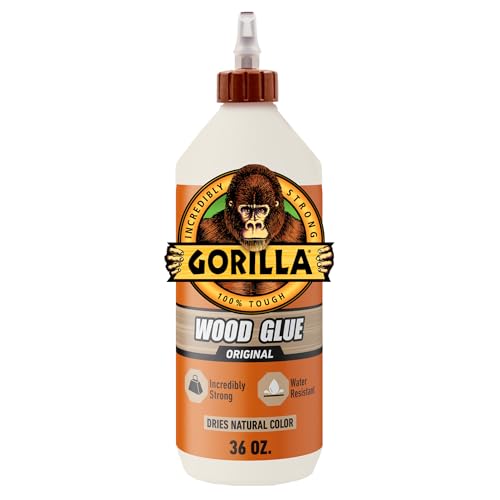
This is the workhorse Type II Gorilla Wood Glue in a larger 36 oz size. It hits the sweet spot for contractors and avid DIYers who need volume without jumping to a gallon. You get the same fast set, reliable strength, and water-resistant performance for indoor trim.
It wipes easily before cure and sands well after. I recommend it for full-room baseboards, chair rails, and crown assemblies that need stable, clean seams. In the best type of glue to use for wood and vinyl trim pairing, use this on wood joints and a vinyl-specific adhesive where PVC is involved.
Pros:
- Excellent value per ounce
- Type II water resistance for interiors
- Predictable clamp and cure
- Natural color suits paint or stain
- Great for multi-room projects
Cons:
- Not waterproof for constant wet areas
- Not for vinyl plastics
- Larger bottle needs clean cap care
My Recommendation
If you handle repeat trim jobs, step up to this size. It’s the best type of glue to use for wood and vinyl trim workflows where wood dominates and you’ll add a vinyl adhesive when needed. The cost-to-coverage ratio is hard to beat, and the bond quality is consistent from bottle start to finish.
| Best for | Why |
|---|---|
| Multi-room projects | Ample volume without going to a gallon |
| Painted trim | Natural color and easy cleanup |
| Budget-conscious pros | Strong value per ounce |
BOSSDOG Wood Glue, 16 oz Professional

BOSSDOG targets makers with a fast-drying, strong PVA that’s safe for cutting boards once cured. For trim, that quick set reduces clamping time and helps you keep pace on long runs. The natural tan color can blend well with common softwoods used in base and casework.
I like it for shop-built trim components, returns, and miters where speed matters. It’s not a vinyl adhesive, but it can be your go-to wood glue on mixed-material projects when paired properly. When you weigh the best type of glue to use for wood and vinyl trim, BOSSDOG slots in on the wood side nicely.
Pros:
- Fast tack for quick progress
- Food-safe claims after cure suit multi-use shops
- Natural tan color hides tiny gaps
- Good viscosity for controlled spread
- Solid strength for trim assemblies
Cons:
- Not rated Type I waterproof
- Not designed for vinyl
- Brand availability may vary by region
My Recommendation
Pick this if you value speed and clean seams on indoor wood trim. It’s the best type of glue to use for wood and vinyl trim combinations where you split duties: BOSSDOG for wood-to-wood, a vinyl adhesive for PVC or flexible edges. Makers and hobbyists will appreciate the shop-friendly handling.
| Best for | Why |
|---|---|
| Fast installs | Quick tack reduces clamp time |
| Shop-built parts | Good spread and clean sandability |
| Detail miters | Natural tan color masks hairline gaps |
Andersen Vinyl-to-Vinyl Adhesive, 2 oz

This OEM-style adhesive is tuned for vinyl-to-vinyl bonding. Think door sweeps, window trim gaskets, and flexible PVC pieces where you need a tenacious, clean bond that won’t yellow badly. For vinyl trim, it delivers a pro finish and reduces the risk of edges lifting with temperature changes.
Apply to clean, dry surfaces and press firmly. Avoid thick blobs; even coverage is key. If you’re solving the best type of glue to use for wood and vinyl trim puzzle on a vinyl-heavy job, this is a specialized, dependable answer for the vinyl side.
Pros:
- Purpose-built for vinyl-to-vinyl bonds
- Clear, neat bond line
- Resists lifting and peeling on flexible parts
- Ideal for windows, doors, and gasket-like trim
- Small size reduces waste
Cons:
- Not for wood surfaces
- Limited coverage area
- Requires good ventilation
My Recommendation
Use this for dedicated vinyl-to-vinyl trim tasks. Combine it with a top-tier wood PVA to cover every joint style in one project. When people ask the best type of glue to use for wood and vinyl trim, I often say: match each material to its specialist—this is the vinyl specialist.
| Best for | Why |
|---|---|
| Vinyl gaskets/sweeps | Strong, flexible, clear bond |
| Vinyl quarter round | Resists edge lift and peel |
| Small repairs | Precision tip and quick set |
Grizzly Glue One Polyurethane, 16 oz

This is a polyurethane adhesive with waterproof performance and multi-surface bonding. It excels when you need to bond dissimilar materials. On trim jobs, that can mean attaching wood to some plastics, metals, or masonry. It foams slightly as it cures, filling tiny gaps for a snug hold.
Prep is key: lightly mist one surface for best cure, scuff glossy vinyl, and clamp well. Not all vinyls behave the same, but this is a strong candidate when you must bond vinyl trim to wood where specialty vinyl adhesives won’t do. In the conversation about the best type of glue to use for wood and vinyl trim, polyurethane earns a seat at the table for mixed-material challenges.
Pros:
- Waterproof, exterior-ready strength
- Bonds many dissimilar materials
- Gap-filling foam action
- High ultimate strength
- Good for tough substrates
Cons:
- Foaming can create squeeze-out cleanup
- Gloves needed; sticks to skin
- Pot life shorter once opened
My Recommendation
Use this for tricky bonds where vinyl meets wood and you need one adhesive to bridge them. It’s often the best type of glue to use for wood and vinyl trim when surfaces are uneven or gaps are present. With careful prep and clamping, you’ll get a robust, long-lasting bond on mixed materials.
| Best for | Why |
|---|---|
| Mixed materials | Polyurethane bonds wood, some plastics, metal |
| Exterior trim | Waterproof performance |
| Gappy joints | Foaming action fills small voids |
Gorilla Wood Glue, 1 Gallon

The gallon jug is for high-volume trim work and shop assembly. It’s the same reliable Type II Gorilla Wood Glue that many installers trust, now in a cost-saving bulk size. If you’re running crews or trimming multiple homes, buying by the gallon makes financial sense.
Decant into smaller glue bottles for precision and shelf-life. The bond is stable, the color blends, and cleanup is easy before cure. For the best type of glue to use for wood and vinyl trim on a production schedule, this covers the wood side at scale.
Pros:
- Best value per ounce
- Consistent Type II performance
- Ideal for shops and crews
- Natural color finish
- Works across most interior wood trim
Cons:
- Bulk can skin over if left uncapped
- Not waterproof (Type I)
- Not for vinyl bonding
My Recommendation
Contractors and serious makers should grab the gallon. It’s the best type of glue to use for wood and vinyl trim pipelines where wood joints are constant and vinyl bonds are handled with a separate adhesive. Keep squeeze bottles on hand and refill as needed for clean, efficient installs.
| Best for | Why |
|---|---|
| Production trim | Lowest cost per ounce |
| Shop benches | Easy decanting into applicators |
| Large projects | One jug covers many rooms |
Weldbond Multi-Surface Adhesive, 14.2 oz
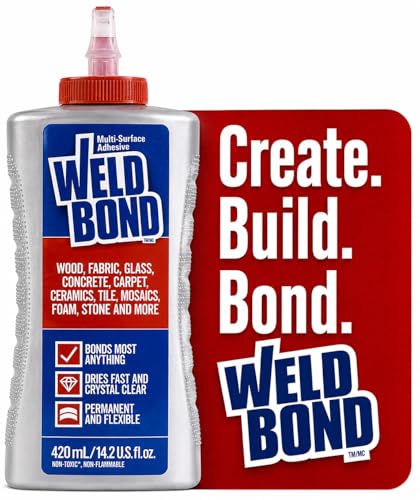
Weldbond is a versatile, non-flammable adhesive that bonds many porous materials and some non-porous ones. It’s popular for wood, tile mosaics, and crafts. On trim, I use it for wood-to-wood, drywall backing, and as a primer/sealer for porous edges before final bonding.
It dries clear and cleans with water. For vinyl, results vary; scuffing and test pieces are smart. While it’s not my first pick for vinyl-to-vinyl, it slots into the best type of glue to use for wood and vinyl trim toolkit as a handy multi-tasker for prep and secondary bonds.
Pros:
- Clear-drying, low-odor formula
- Good on porous materials
- Useful as a sealer/primer
- Water cleanup
- Multi-surface flexibility
Cons:
- Not a dedicated vinyl adhesive
- Longer cure for max strength
- Not for constant immersion
My Recommendation
Keep Weldbond as a utility player. It’s the best type of glue to use for wood and vinyl trim kits when you need clear-dry versatility on porous materials and a helper for edge-sealing. For strict vinyl-to-vinyl, choose a specialist; for wood and craft edges, this is dependable.
| Best for | Why |
|---|---|
| Porous trim edges | Seals and bonds cleanly |
| Clear-dry projects | Low-visibility glue lines |
| Craft/trim crossover | Multi-surface utility |
FAQs Of best type of glue to use for wood and vinyl trim
What glue should I use for wood-to-wood trim joints?
Use a quality PVA wood glue. Type II is fine indoors; Type I is best near moisture.
What’s best for vinyl-to-vinyl trim bonds?
Choose a vinyl-specific adhesive that dries clear and stays flexible, like a vinyl cement.
Can I glue vinyl trim to wood with one adhesive?
Often, a polyurethane adhesive works well. Prep both surfaces, scuff vinyl, and clamp.
How do I avoid visible glue lines on painted trim?
Wipe squeeze-out while wet, use natural/clear-dry glues, and sand lightly after cure.
Is waterproof glue necessary for bathrooms?
For wood joints in wet areas, yes. Use a Type I waterproof wood glue to be safe.
Final Verdict: Which Should You Buy?
For wood trim, Gorilla Ultimate Waterproof Wood Glue stands out for strength, clean sanding, and Type I reliability. For vinyl, pair it with a dedicated vinyl adhesive like Loctite or Andersen VTV.
This combo is the best type of glue to use for wood and vinyl trim across homes in 2026. You get durable, clean results with less rework and fewer call-backs.