
Stainless props boost performance and grip; aluminum props cut cost and absorb impacts.
Choosing between an aluminum vs stainless steel propeller can feel tricky. I’ve rigged and tested both on family runabouts, bass boats, and offshore rigs. In this guide, I’ll break down how each material changes speed, hole shot, fuel burn, durability, and long-term costs. By the end, you’ll know which aluminum vs stainless steel propeller suits your boat, your water, and your budget.
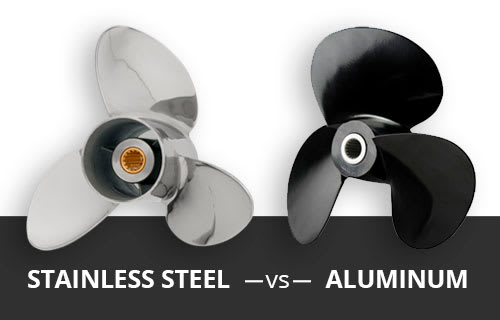
What Changes When You Switch Materials
Think of a prop as your boat’s “gears.” Material sets how that gear feels. Aluminum is light and soft. Stainless steel is stiff and strong. That one shift changes how blades hold their shape under load.
On the water, this shows up fast. Stainless blades flex less, so they bite better in turns and chop. Aluminum blades can flex more, which may soften the hit out of the hole. Both can run great when sized right. But the trade-offs are real in speed, control, and repair risk.

Quick Specs: Material Properties That Matter
Here is what matters most when you compare an aluminum vs stainless steel propeller.
- Strength and stiffness: Stainless is far stronger and stiffer. It holds true pitch at high thrust.
- Weight: Aluminum is lighter. It can feel smoother at idle and is easier to carry as a spare.
- Blade thinness: Stainless can use thinner, sharper blades. That can boost grip and cut drag.
- Corrosion: Stainless resists rust well. Aluminum can pit in salt. Anodes and care matter for both.
- Shock on impact: Aluminum tends to bend or break first. Stainless can pass more force to the drivetrain.
These traits shape your top speed, midrange efficiency, and steering feel. They also shape what happens when you kiss a rock or hit a log.
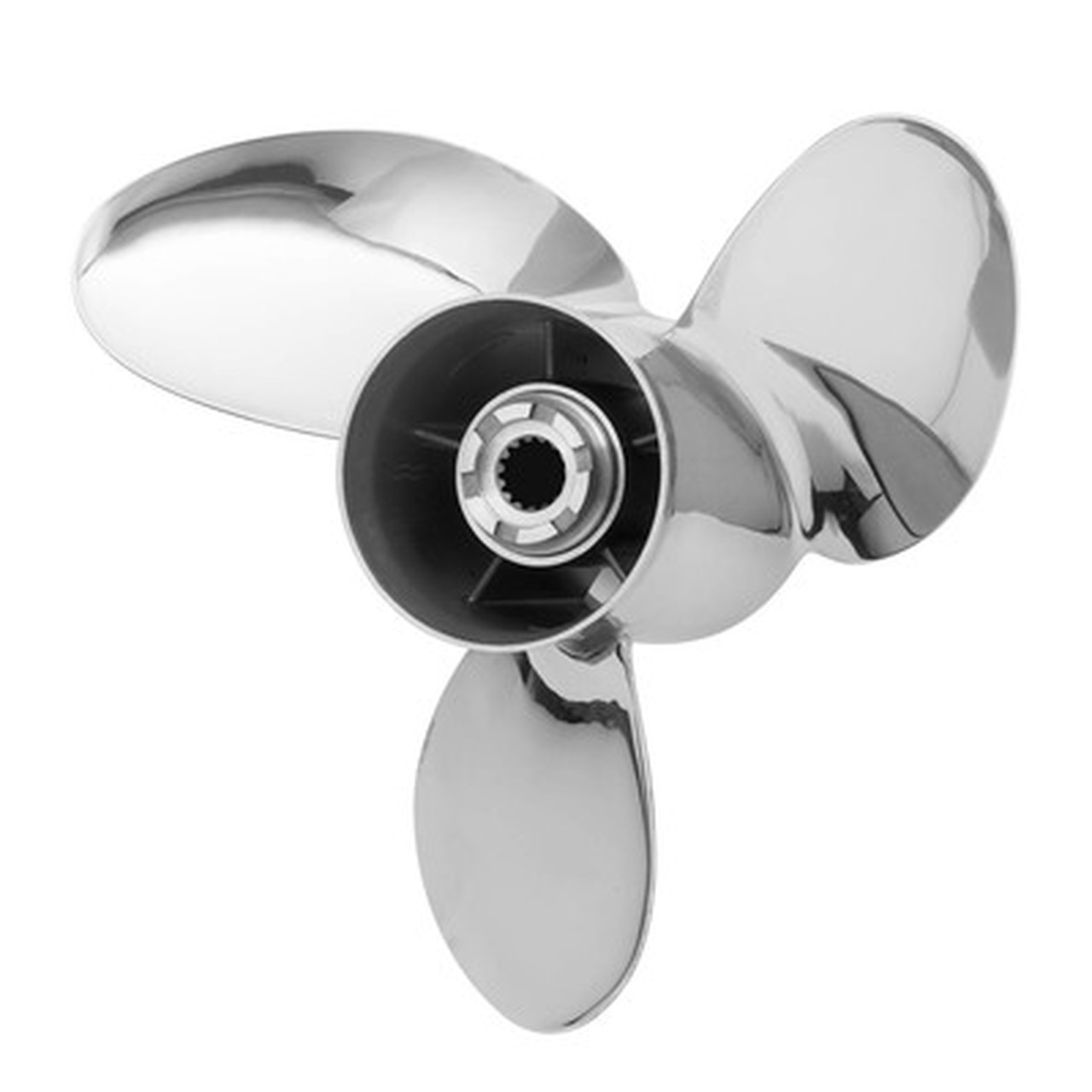
Performance: Hole Shot, Midrange, and Top Speed
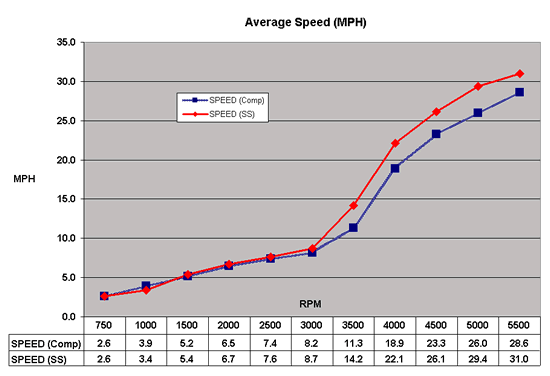
If your goal is quick planing and strong midrange, stainless often wins. Less flex means more bite and steadier pitch. You may feel a crisper hole shot and fewer blowouts in hard turns or heavy swell.
Top speed gains vary. Tests on mid-size outboards often show a small bump in speed with a dialed stainless prop, sometimes 1 to 3 mph. That is not a rule. Boat hull, load, and setup matter. On lighter rigs with clean bottoms, stainless can reduce slip. On some hulls, a well-matched aluminum can match speed at a lower cost.
Fuel burn ties to slip and load. Stainless can hold cup and pitch as speed rises, which can lift efficiency at cruise. But the wrong pitch or style can hurt it. The best aluminum vs stainless steel propeller is the one that hits your target WOT rpm and runs clean at your usual speed.
Durability, Corrosion, and Safety on the Water
Stainless stands up to sand, chop, and long runs in weed or light debris. It keeps blade shape longer. That can mean steady performance season after season. Aluminum is more likely to bend from small strikes. It is cheaper to fix, though.
In saltwater, stainless is common. It resists rust and holds sharp edges. Watch anodes if you have an aluminum gearcase. Keep the hub and hardware in good shape to limit galvanic risk. Rinse after use. For freshwater lakes with stumps or rock bars, some skippers like aluminum as a “fuse.” It may fail first and save a prop shaft or gear set.
Cost of Ownership and Repair Reality
Price and repair are where the aluminum vs stainless steel propeller debate heats up.
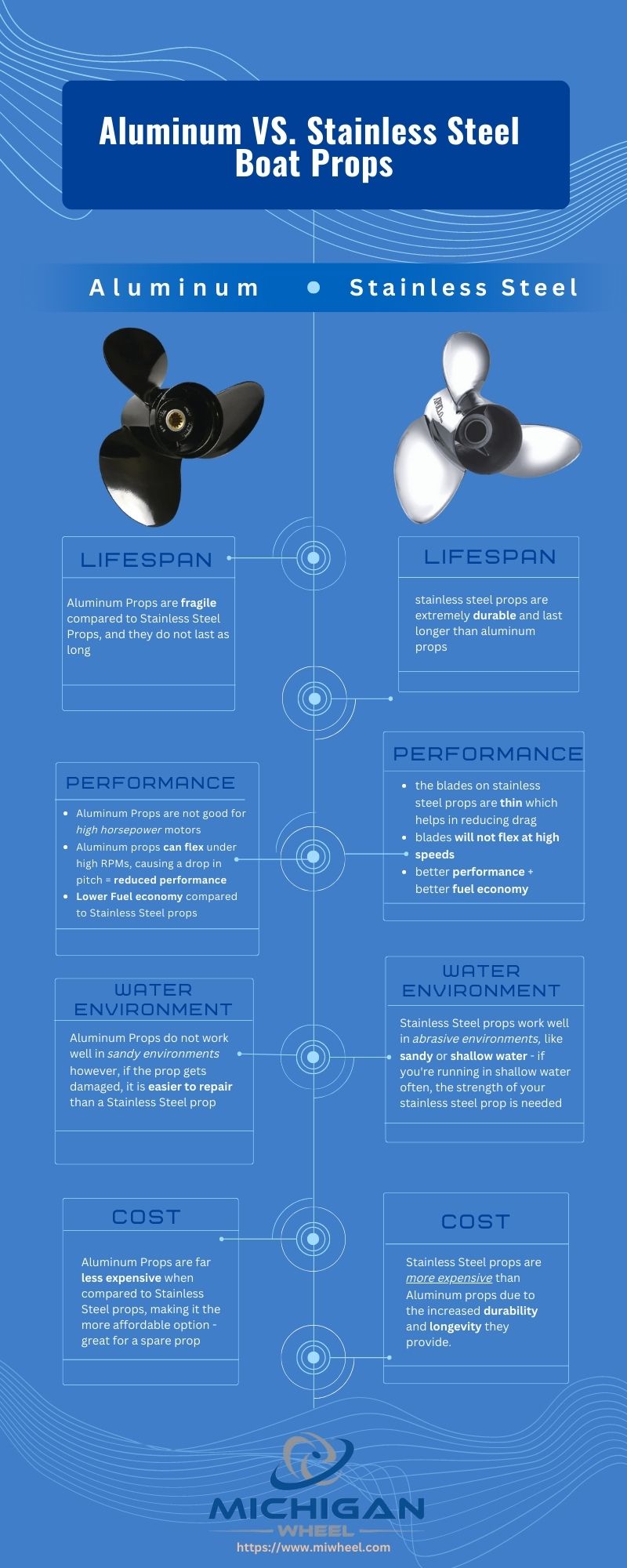
- Upfront cost: Aluminum props are budget friendly. Stainless can cost 2 to 4 times more.
- Repair cost: Aluminum repairs are cheaper and faster in most towns. Stainless repairs cost more and take longer.
- Hidden costs: A bad strike with stainless may pass stress to the shaft or gears. You may face a bigger bill. A bad strike with aluminum often totals the prop, not the lower unit.
- Resale: Quality stainless props hold value well. Clean used stainless props sell fast.
Work the math for how and where you run. Heavy use on big water can make stainless pay off. Shallow, rocky water with frequent dings may favor aluminum plus a spare.

Picking the Right Prop for Your Boat and Water
Fit the prop to your life first. Then choose the material.
- Family runabout on mixed lakes: Start with aluminum if budget is tight. Upgrade to stainless for better grip with heavy tubes or wake.
- Bass boat chasing speed: Stainless is common for lift, bite, and sharp turns. Fine-tune pitch for WOT rpm.
- Pontoon with big load: Stainless four-blade can help with thrust and control. Aluminum works for easy cruising on calm water.
- Offshore center console: Stainless is the norm for strength in chop and surfacing runs.
- Jetty or stump field: Aluminum is cheaper to replace when you hit stuff. Carry a spare and a prop wrench.
If you switch from aluminum to stainless, test with light, normal, and heavy loads. Note hole shot, cruise rpm, and WOT rpm. The right aluminum vs stainless steel propeller earns its keep across your real days, not just one test pass.

Pitch, Diameter, and Slip: Setup Tips When Upgrading
When you move from aluminum to stainless, pitch often acts “taller” because stainless flexes less. Your engine may drop 100 to 300 rpm at wide open with the same stamped pitch. Plan to adjust.
- Target the maker’s WOT rpm range. This protects the engine and helps speed.
- If rpm falls too much with stainless, step down one inch of pitch.
- Watch holeshot and midrange. A four-blade stainless can add grip and reduce ventilation.
- Check height. A prop that hooks up better may let you raise the motor one hole.
- Note slip. Track speed, rpm, and pitch. Lower slip at cruise often means better fuel burn.
Log your runs. Use GPS speed. Keep notes on wind, chop, and load. A few short tests can dial the best aluminum vs stainless steel propeller for your rig.
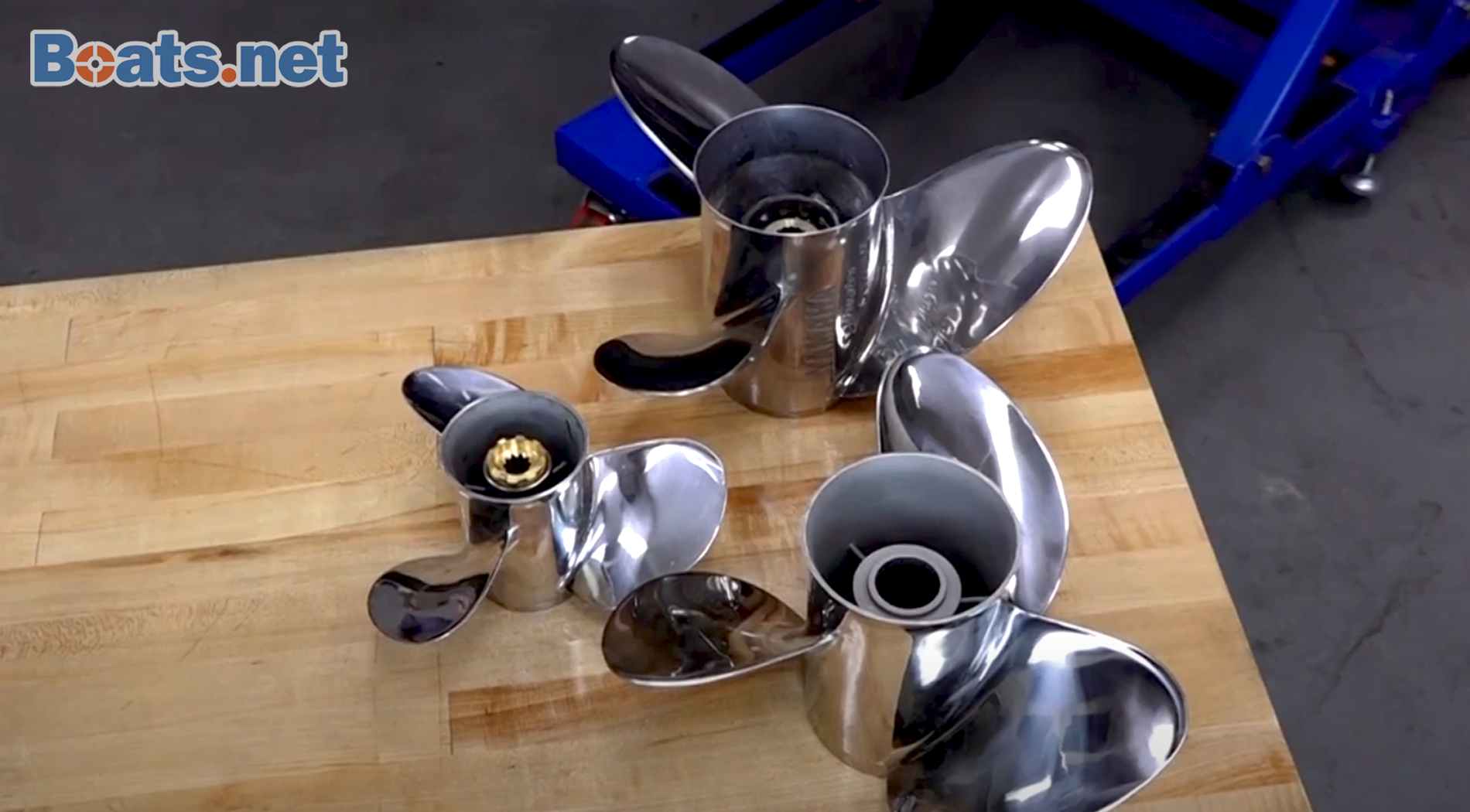
Real-World Lessons From the Dock
I learned this the hard way on a 18-foot bowrider with a 115 hp outboard. The stock aluminum 19-pitch was fine for tubing days. But hole shot sagged with six people and a full cooler. A switch to a 18-pitch stainless woke it up. Planing dropped by about a second. Turns held without blowout. WOT rpm fell a bit, so I picked the lower pitch to hit the target range.
On a bass rig with a 150, a cupped stainless three-blade gained 2 mph over a fresh aluminum of the same pitch. But the bigger win was control in cross chop. The bow rode higher and stayed dry. That grip meant less trim dance and less stress.
I also watched a friend clip a hidden stump with stainless. The prop shrugged it off, but the shaft did not. That bill hurt. On his river boat, he now runs aluminum and keeps a spare on board. Same river, better plan.
Common Myths About Aluminum vs Stainless Steel Propeller
Let’s clear up a few myths that can mislead buyers.
- Stainless is always faster. Not always. The right aluminum can match speed on some hulls.
- Aluminum is weak junk. Not true. A fresh, cupped aluminum prop can run great for daily use.
- Stainless breaks gearcases on any strike. It can pass more force, yes. But hubs, speed, and angle all matter.
- One pitch fits all materials. Pitch on the box is not the whole story. Flex, cup, and blade shape change real load.
- Stainless is only for big motors. Small and mid-size engines can gain from stainless too, if the setup is right.
My rule: test, measure, and pick what works on your water. That is how you win the aluminum vs stainless steel propeller choice.
Frequently Asked Questions of aluminum vs stainless steel propeller
Is stainless steel always better than aluminum?
Not always. Stainless often gives better grip and midrange, but it costs more and can raise repair risk after hard impacts. The best choice depends on your boat, water, and budget.
Will I gain speed if I switch to stainless?
You might see 1 to 3 mph on some rigs with the right pitch and cup. On other boats, gains are small or zero if the aluminum was already a great match.
How should I adjust pitch when moving to stainless?
Expect your WOT rpm to drop 100 to 300 rpm with the same pitch. Many owners go down one inch of pitch to stay in the maker’s WOT range.
Is aluminum safer for shallow, rocky water?
It can be. Aluminum tends to bend or break first, which may protect the shaft or gears. Many river and lake anglers keep a spare aluminum onboard.
Which is better for saltwater use?
Stainless is common in salt for strength and corrosion resistance. Keep anodes healthy and rinse gear to protect the whole drive.
Does a four-blade prop help with towing and control?
Yes. Four blades can add grip, faster planing, and better low-speed control. You may lose a touch of top speed compared to a similar three-blade.
Can I use the same hub with both aluminum and stainless props?
Sometimes. Many props use modular hubs. Check compatibility for your engine make and model before swapping.
How do I measure slip to judge efficiency?
Record GPS speed, rpm, pitch, and gear ratio. Use an online slip calculator. Lower slip at cruise often means better fuel economy.
Will stainless cause galvanic corrosion on my lower unit?
It can raise risk if anodes are weak or missing. Keep anodes fresh, check hardware, and maintain bonding to protect the gearcase.
How often should I service or inspect my prop?
Check blades and hub each trip for dings, fishing line, or play. Service at least each season, and after any strike or vibration.
Conclusion
The right prop is not only about metal. It is about match. A well-chosen aluminum vs stainless steel propeller should hit target rpm, hold grip in turns, and run smooth at your cruise speed. Stainless brings strength, bite, and long-term shape. Aluminum brings value, easy repair, and a safety fuse in rough ground.
Test on your water with your load. Log rpm, speed, and feel. Then choose the prop that makes your boat safer, faster, and more fun. Ready to decide? Share your setup and results, ask a question, or subscribe for more hands-on rigging guides.