
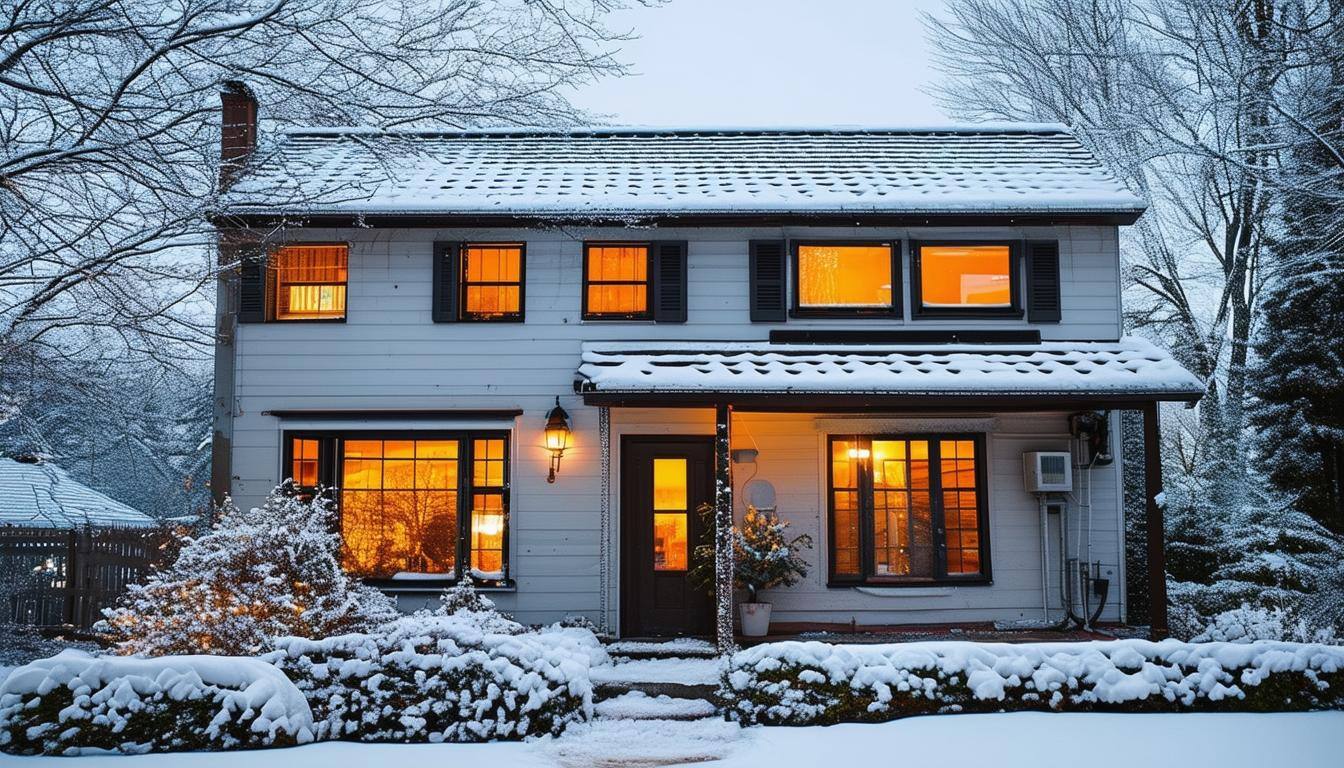
Have you ever wondered why your window always seems to be the coldest spot in your home during winter? You’re not alone.
Many people experience this chilling phenomenon, and it can make your cozy space feel less inviting. You might find yourself avoiding that corner of the room or piling on extra layers just to stay warm. But what if understanding this could lead to a solution?
Imagine your home being warm and welcoming, even near the window. By delving into why this happens, you could uncover simple ways to make your home more comfortable. Don’t let the cold creep in — discover how to keep your space warm and inviting all winter long.
Cold Air Intrusion
Have you ever wondered why it’s always cold by your window in winter? The answer often lies in cold air intrusion. Cold air intrusion is a common problem in many homes during winter. It occurs when outside air seeps inside through various gaps. This can make your home uncomfortable and cause heating bills to rise.
Window Seal Integrity
The integrity of your window seals plays a key role in keeping cold air out. Seals can wear down over time due to exposure and age. Even small cracks or gaps in these seals can let cold air inside. Check the seals around your windows for any visible damage. Replacing damaged seals can greatly reduce cold air intrusion.
Drafts And Air Leaks
Drafts and air leaks are another major cause of cold air by windows. These occur when there are small openings or cracks in the window frame. Such openings allow cold air to enter and warm air to escape. To detect drafts, run your hand around the window frame. You might feel a cold breeze indicating a leak. Sealing these leaks can help keep your home warm and cozy.
Credit: www.retrofoam.com
Thermal Bridging
Have you ever wondered why your window area feels colder? The reason might be thermal bridging. Thermal bridging occurs when heat flows through materials with different thermal conductivity. It causes certain areas to lose heat faster than others. This phenomenon becomes more noticeable during winter.
Materials And Conductivity
Windows often consist of materials with high conductivity. Metals and glass allow heat to escape easily. Poorly insulated frames worsen the situation. Wood, on the other hand, is a better insulator. It reduces the amount of heat lost.
Material choice affects thermal performance. Conductivity rates vary widely. Metals conduct heat rapidly. They create significant thermal bridges. Insulation helps mitigate these effects. Proper insulation around windows is crucial. It prevents heat loss and enhances comfort.
Impact On Indoor Temperature
Thermal bridging leads to cooler indoor temperatures. Heat escapes through the window area. This results in colder rooms during winter. You might notice drafts near windows. These drafts make heating less effective. They increase your energy bills.
Combatting thermal bridging involves more than just insulation. Seal gaps around windows. Use thermal curtains or blinds. These measures help retain heat. Keeping rooms warm and comfortable becomes easier. A well-insulated home is energy efficient.
Insulation Challenges
Cold drafts by windows in winter often result from poor insulation. Gaps or thin glass allow chilly air inside. Upgrading your insulation can help keep your home warmer and reduce energy costs.
In winter, many of us shiver by our windows, wondering why the chill seems to settle there more than anywhere else. The culprit often lies in insulation challenges. When windows are improperly insulated, they become cold magnets, pulling in the frigid air from outside and letting warmth escape from inside. This can make cozy evenings by the window less inviting. Understanding these insulation challenges can help you enjoy a warmer home.Types Of Insulation
Different kinds of insulation can impact how effectively your home retains heat. Fiberglass insulation is popular for walls but might not be ideal for windows. Foam insulation offers better sealing properties, reducing drafts significantly. Consider newer materials like spray foam, which expands to fill gaps. This can be especially effective around window frames. Many homeowners have found that upgrading their window insulation with these materials makes a noticeable difference.Effects On Window Areas
Windows are notorious for being heat escape routes. Even well-insulated walls can lose warmth through poorly insulated windows. You may notice more condensation or frost buildup, indicating heat loss. Adding weather stripping can help seal gaps around window sashes. You might also explore double glazing, which provides extra layers of glass to trap heat. These options can dramatically improve comfort levels in your home. Have you ever felt the cold air seep through your window, despite the heater blasting? It’s likely an insulation issue. Taking steps to insulate your windows better can make your winters more bearable. What solutions are you considering to tackle your window chill?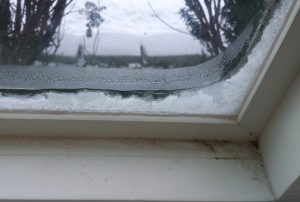
Credit: thehtrc.com
Window Design Factors
Cold drafts by windows often result from poor insulation and thin glass. Gaps around window frames allow chilly air inside. Double-glazed windows and proper sealing can help maintain warmth indoors during winter months.
When the winter chill creeps into your home, one of the first places you might notice it is by the window. It’s not just the cold weather outside—your window’s design plays a significant role in how warm or cold your living space feels. Understanding these factors can help you make smarter choices to keep your home cozy.Single Vs Double Pane
Windows with single panes often let in more cold air. They lack the insulating layer that double-pane windows have. Double-pane windows have two layers of glass with a space in between, often filled with an insulating gas like argon. This design helps reduce heat loss. If you’ve ever felt a draft near your window, it might be time to upgrade. Consider the long-term energy savings and comfort double-pane windows offer.Frame Materials And Efficiency
The material of your window frame also affects its insulation ability. Common materials include wood, vinyl, and aluminum. Wood frames offer good insulation but require maintenance. Vinyl frames are low-maintenance and provide decent insulation. Aluminum frames, while durable, conduct heat more readily, allowing more cold to seep indoors. Do you know what type of frames your windows have? If not, it might be worth checking. Improving your window frames could be a small change with big comfort results.External Environmental Influences
Ever wonder why your window feels extra chilly during winter? It’s often due to external environmental influences. These factors can affect how much cold air seeps into your home. Understanding these can help you keep your room warmer.
Wind Exposure
Wind can make your window area colder. If your home faces the wind, it gets chilly fast. The wind pushes cold air against the window. This lowers the temperature inside. Trees or buildings can block some wind. Without these, your window feels colder.
Sunlight And Shade
Sunlight warms up a room. During winter, less sunlight reaches your window. This happens if your window is in the shade. Buildings or trees can block the sun. Less sun means a colder room. Windows facing north get less sunlight. They stay cooler throughout the day.
Solutions For Maintaining Warmth
Windows often let in cold air, causing discomfort during winter months. Insulating curtains and sealing gaps help maintain warmth effectively. Consider using draft stoppers for better results, ensuring a cozy indoor environment.
As you huddle by your window during winter, the chill seems relentless. It’s like that part of your home is in a constant state of cold. But you don’t have to accept this icy fate. There are practical solutions to keep your space warm and cozy. Let’s delve into some effective strategies to maintain warmth around your windows.Improving Window Seals
Drafty windows can be a major culprit of cold air sneaking into your home. Check your window seals for any gaps or cracks. You can easily improve these seals by using weather stripping tape. Weather stripping is an affordable solution and straightforward to apply. Just peel off the backing and press it along the window frame. This simple step can greatly reduce drafts, keeping the cold air out and the warm air in. Have you ever noticed a significant temperature difference near your window? That’s likely due to poor sealing. Strengthening your window seals can make a noticeable difference in your indoor comfort.Adding Insulation
Another effective method to combat the cold is adding insulation. Consider using thermal curtains or heavy drapes. They act as a barrier between the cold glass and your cozy room. In my home, I installed cellular shades and noticed an immediate change. These shades trap air in their cells, providing an extra layer of insulation. The investment was well worth the cozy warmth during those frigid months. You might be wondering if there’s more you can do. Draft stoppers or window insulation kits can also be valuable. They’re easy to use and help prevent heat loss, making your home energy efficient. Feeling a breeze near your window despite a cranked-up heater can be frustrating. By addressing these simple solutions, you can enjoy a snug winter without the icy draft. Have you tried any of these methods, or do you have other tips to share?Energy Efficiency Considerations
Cold air by windows often results from poor insulation. Heat escapes, leaving rooms chilly in winter. Improving window seals and using thermal curtains can help.
As the chill of winter sets in, many of us find ourselves shivering by the window, wondering why that particular spot is always colder than the rest of the house. It’s more than just drafts; it’s about energy efficiency considerations that you might have overlooked. Addressing these can help you stay cozy and save money at the same time.Cost Vs Benefit
Investing in energy-efficient windows might seem pricey at first glance. You might hesitate, pondering if it’s worth spending your hard-earned cash on these upgrades. But think about the benefits: reduced heating bills, increased comfort, and even a boost in your property value. Sometimes, spending a little now can mean saving a lot later. Upgrading your windows can be a smart move. You’re not just paying for materials; you’re investing in warmth and efficiency.Long-term Savings
Consider your monthly heating bill. Does it skyrocket every winter? Energy-efficient windows can significantly cut down those costs. Think about how much you could save over the years. Even if the upfront cost seems steep, the savings pile up over time. Imagine putting that saved money towards a vacation or a rainy-day fund. Long-term savings mean more than just money; they mean peace of mind. So, what’s stopping you from making a change? If you have any experience with energy-efficient upgrades, how have they impacted your life?
Credit: www.instagram.com
Frequently Asked Questions
Why Does My Window Feel Colder In Winter?
Windows lose heat quickly. Cold air leaks in. Warm air escapes. Poor insulation worsens the issue. Consider sealing gaps.
How Can I Stop Cold Drafts By Windows?
Use weather stripping. Insulate windows. Close curtains. Block gaps. Draft-proofing helps keep rooms warmer.
What Causes Condensation On My Window In Winter?
Warm indoor air hits cold glass. Moisture forms. High humidity increases condensation. Ventilation reduces it. Insulated windows help.
Why Is My Window Colder Than The Rest Of The Room?
Windows conduct cold. Thin glass amplifies it. Poor insulation worsens cold spots. Insulate to reduce temperature differences.
Can Curtains Help Keep My Window Warm?
Yes, thick curtains insulate. They block drafts. Trap heat inside. Reduce cold air entry. Simple, effective solution.
Conclusion
Cold windows in winter can be quite puzzling. Many factors contribute to this chill. Poor insulation is a common cause. Drafts sneak through cracks, cooling the room. Heat escapes easily, leaving the area cold. Solutions exist. Insulating windows can help.
Sealing gaps is effective too. Curtains block drafts and retain warmth. These small changes make a big difference. Keeping your space cozy is possible. No more shivering by the window. Enjoy a warm, comfortable home. Winter doesn’t have to be a chilly experience.
Stay warm, stay happy.