
You step outside to enjoy a sunny day, only to notice buzzing invaders near your wooden porch or deck. Those are carpenter bees, and they may be turning your beautiful woodwork into their personal nesting grounds.
You might wonder why these bees chose your home and, more importantly, how to get rid of them. Carpenter bees can be a nuisance, causing damage to your wooden structures and leaving you worried about long-term effects. But don’t worry; you’re not alone in this.
By understanding why carpenter bees are attracted to your home and learning effective ways to manage them, you can reclaim your outdoor space. Are you ready to uncover the secrets of keeping your home bee-free and protecting your precious woodwork? Dive into the article to discover the answers and take control of your surroundings.
Carpenter Bees Basics
Carpenter bees are common visitors in many gardens and homes. These bees are known for burrowing into wood, creating small tunnels. They don’t eat the wood but use it for nesting. Understanding their basics can help manage them effectively.
Identifying Carpenter Bees
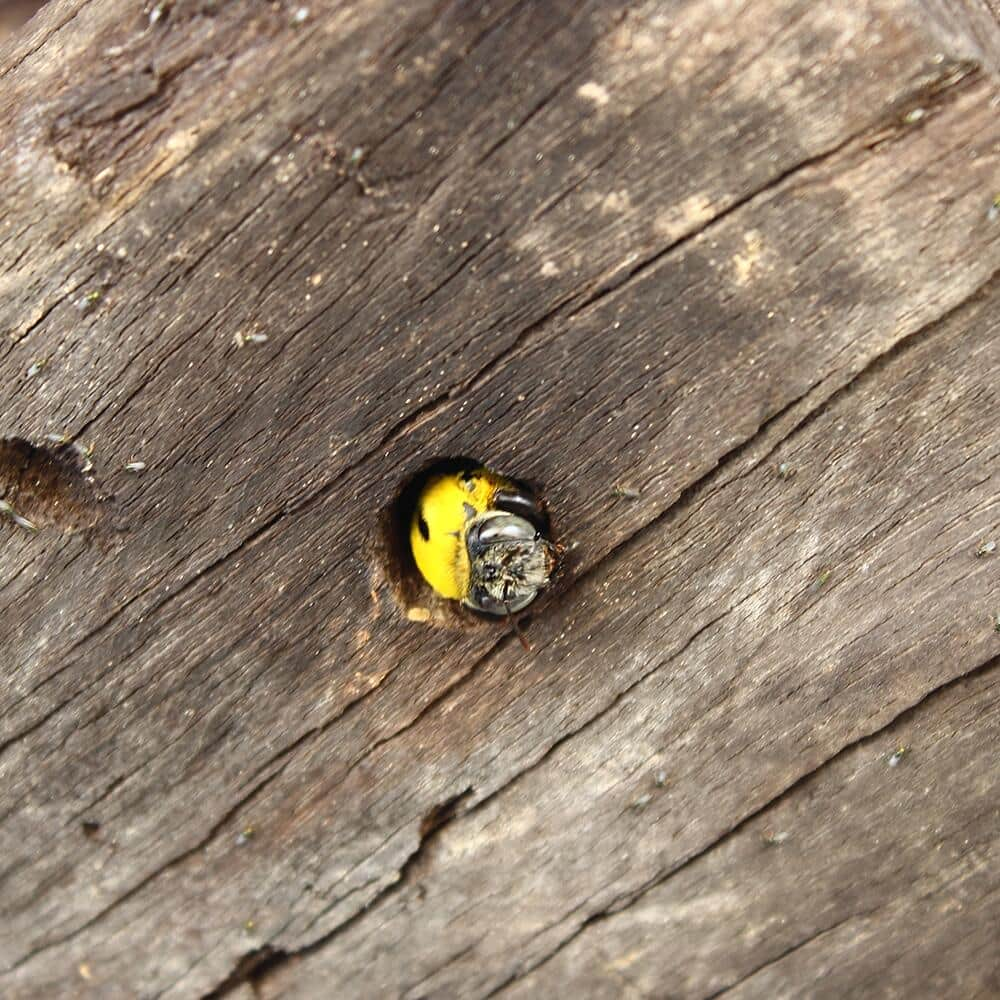
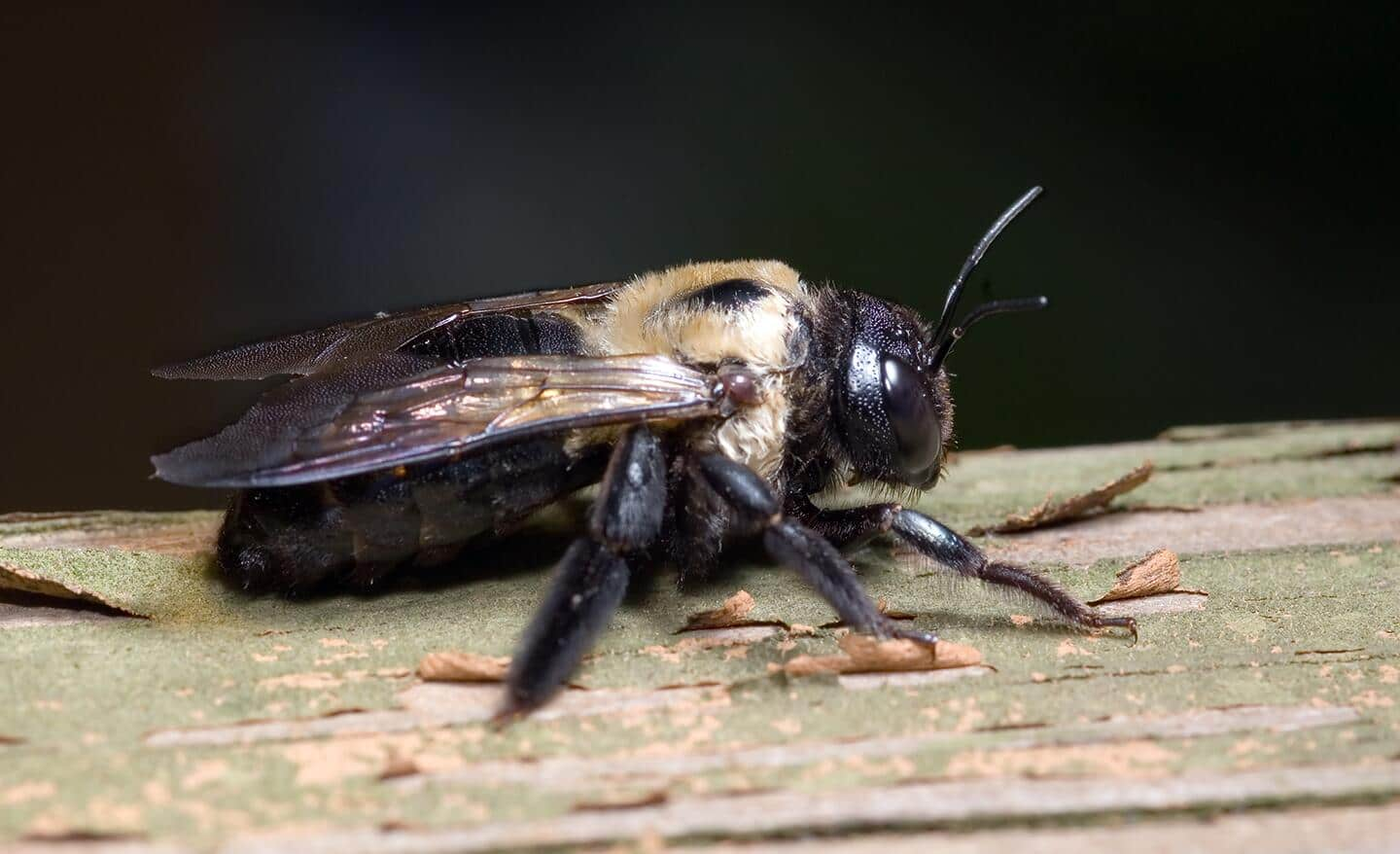
Carpenter bees are large and resemble bumblebees. They have a shiny, black abdomen. Unlike other bees, they don’t have yellow stripes. Male carpenter bees are territorial but can’t sting. Females can sting but are usually not aggressive. Spotting round holes in wood is a sign of carpenter bees.
Life Cycle Of Carpenter Bees
The life cycle of carpenter bees begins in spring. Females lay eggs in the tunnels they create. Eggs hatch into larvae and grow inside the wood. By late summer, young bees emerge and feed on pollen. They return to their nests to hibernate during winter. Understanding their cycle helps in planning control methods.
Carpenter Bees Vs. Bumblebees
Many confuse carpenter bees with bumblebees. Bumblebees have hairy abdomens with yellow stripes. Carpenter bees have shiny, black abdomens. Bumblebees live in colonies, while carpenter bees are solitary. Knowing these differences aids in correct identification and treatment.
Credit: www.homedepot.com
Reasons For Carpenter Bee Presence
Carpenter bees are attracted to softwood and wooden structures. They make nests in unpainted wood surfaces. Seal holes and use insecticide to deter them.
Have you ever wondered why carpenter bees have chosen your home as their nesting ground? These buzzing insects are not just randomly invading; there are specific reasons for their presence. Understanding these reasons can help you effectively address the problem and keep your home safe from their damaging effects.
Wood Preferences Of Carpenter Bees
Carpenter bees are particularly fond of softwoods. They love to burrow into woods like pine, cedar, or redwood to lay their eggs. If your home has untreated or unpainted wood, it becomes an attractive target for these bees. Think about the last time you noticed them around your deck or eaves—softwood is often their chosen spot.
Environmental Factors
Your local environment plays a big role in attracting carpenter bees. Warm temperatures and sunny climates provide the ideal conditions for these bees to thrive. If you live in an area with such a climate, it’s likely that carpenter bees will find your home appealing. Consider your surroundings and the seasonal changes that might be inviting these bees to your property.
Attractants In Your Home
There are certain features in your home that might be inviting to carpenter bees. Do you have flowering plants nearby? The nectar can be a strong attractant, inviting bees closer. Additionally, if you’ve noticed any holes or crevices in the wood around your home, these can act as perfect entry points for the bees. It’s crucial to regularly inspect and maintain your home to minimize these attractants. You may be asking yourself: How can I prevent this from happening? By addressing these factors, you can reduce the likelihood of carpenter bee infestations. Whether it’s sealing up potential entry points or choosing different plants, small changes can make a big difference. Take a walk around your property today and see what might be drawing these bees in.
Preventing Carpenter Bees
Carpenter bees can become a pesky problem if they decide to make your wooden structures their home. You might find yourself wondering why they picked your property or how you can prevent their invasion. Tackling carpenter bees requires a bit of strategy and preparation. Let’s dive into some effective methods to prevent these buzzing intruders from settling in.
Wood Treatment Techniques
One of the most straightforward ways to keep carpenter bees at bay is by treating your wood. Bees are less likely to drill into painted or varnished surfaces. Applying a fresh coat of paint or sealant can serve as a protective barrier.
If painting isn’t your thing, consider using wood preservatives. These can deter bees due to their smell and texture. Look for products specifically designed to ward off insects. Regularly checking and treating your wood can significantly reduce the risk of carpenter bee infestations.
Structural Modifications
Sometimes, you need to make changes to your structures to prevent carpenter bees. Start by examining vulnerable areas like railings, eaves, and decks. Are they made of untreated wood? If so, consider replacing or covering them with treated lumber.
Another effective method is installing fine mesh screens over potential nesting spots. This can be particularly useful for gaps and crevices. Think about how you can modify your space to make it less inviting to bees. Could a few tweaks save you from future headaches?
Seasonal Prevention Tips
Timing is everything with carpenter bees. They’re most active in spring when they’re searching for nesting sites. Planning your prevention efforts around this season can be crucial.
Start your preventive measures early. Clean up and seal off any exposed wood before the bees start buzzing around. You can also hang decoy nests to fool them into thinking the area is already occupied.
Ever thought about using natural repellents? Some homeowners have found success with essential oils like citrus or almond. These can be applied as sprays on wood surfaces to keep bees at a distance. How will you adapt your seasonal strategy to ensure carpenter bees don’t come knocking?
Natural Solutions
Carpenter bees often appear when there are untreated wood surfaces around your home. Natural solutions like vinegar or citrus sprays can help deter these pests. Sealing wood surfaces and using essential oils can also keep them away effectively.
If you’ve noticed carpenter bees buzzing around your wooden structures, you might be wondering why they’ve chosen your home as their preferred spot. Fortunately, there are natural solutions to help you tackle this issue without resorting to harsh chemicals. These eco-friendly methods not only protect your environment but also ensure that you’re not harming the bees unnecessarily. Let’s dive into some practical approaches you can start applying today.
Diy Repellents
Creating your own bee repellent can be both effective and satisfying. One popular method is to mix essential oils such as eucalyptus or citronella with water and spray it on areas where bees are likely to nest. These scents are unpleasant to bees but harmless to humans and pets. You can also use a mix of almond oil and water. Almond oil is believed to be a natural deterrent for carpenter bees, making your wooden surfaces less attractive. Try this method and observe if the bees start avoiding your space.
Plant-based Remedies
Certain plants are known for their ability to repel insects, including carpenter bees. Consider planting mint, citronella, or eucalyptus around your home. These plants emit strong scents that bees find unappealing. Lavender is another great option. While it might seem surprising, the pleasant aroma of lavender is disliked by carpenter bees. Having these plants around can also enhance your garden’s beauty and appeal to other beneficial insects.
Behavioral Deterrents
Changing your outdoor environment can discourage carpenter bees from settling in. Regularly inspect and seal any potential nesting sites with wood putty or caulk. This simple action can prevent bees from creating new nests. Paint or varnish exposed wood surfaces. Bees prefer untreated wood, so adding a layer of protection can make your home less attractive to them. Have you ever noticed how bees avoid painted surfaces? This small change could be the key to keeping them away. By using these natural solutions, you’re not only protecting your home but also contributing to a healthier environment. What natural methods have you tried in your own backyard? Share your experiences and help others find effective solutions too.
Chemical Treatments
Carpenter bees are attracted to untreated wood, making homes their ideal nesting sites. Effective chemical treatments can help eliminate these pests, protecting wooden structures from damage.
If you’ve noticed large, buzzing bees boring into the wood around your home, you’re likely dealing with carpenter bees. While they don’t consume wood like termites, they can cause significant damage over time. One effective way to manage these pesky insects is through chemical treatments. Let’s dive into some practical options for using chemicals to get rid of carpenter bees.
Insecticide Options
A variety of insecticides are available specifically for carpenter bees. Spray foam insecticides are popular because they can penetrate deep into the bee’s nesting holes. These foams expand, ensuring the chemical reaches the larvae hidden inside. Another option is dust insecticides, which can be applied using a duster tool. These powders are particularly effective because they stick to the bees as they enter and exit their nests. Have you considered which method might work best for your situation?
Safety Considerations
When using chemical treatments, safety should be your top priority. Always read the label for instructions and wear protective gear, such as gloves and goggles, when applying insecticides. Ensure pets and children are kept away from treated areas until it’s safe. Is it worth the risk to your health to handle these chemicals yourself, or should you consider other options?
Professional Pest Control
Sometimes, the DIY approach isn’t enough, especially if the infestation is extensive. This is where professional pest control services come in handy. A professional can assess the extent of the infestation and apply the right chemical treatments safely and effectively. They also offer follow-up visits to ensure the problem is resolved. Would you trust an expert to handle the situation, or do you prefer tackling it yourself? Using chemical treatments can be an efficient way to handle carpenter bees, but it’s essential to weigh your options carefully. Whether you choose to take the DIY route or hire a professional, the goal is to preserve your home’s integrity and your peace of mind.

Credit: www.youtube.com
Repairing Bee Damage
Carpenter bees may invade homes for nesting, attracted by soft, untreated wood. To eliminate them, seal cracks and apply insecticide. Regular maintenance and painting wood surfaces can deter future infestations effectively.
Carpenter bees can be more than just a buzzing nuisance around your home. They can cause significant damage to wooden structures, leaving unsightly holes and weakened wood in their wake. Repairing this damage not only restores the aesthetics of your home but also fortifies it against future infestations. Let’s dive into the process of repairing bee damage and safeguarding your property.
Assessing Damage
First, you need to determine the extent of the damage. Carpenter bees typically bore into softwoods like pine, cedar, and redwood. Look for round, smooth holes about half an inch in diameter. This is where the bees enter to build their nests. If you notice sawdust or yellowish stains underneath these holes, it’s a clear sign of active infestation. Check the interior of wooden structures for any hollow sounds when tapped. This might indicate extensive tunneling. Knowing the full scope of the damage will guide you in deciding whether to repair or replace the affected wood.
Wood Repair Techniques
Once you’ve assessed the damage, it’s time to repair it. For minor damage, you can use wood filler to seal the holes. Choose a filler that matches the wood’s color for a seamless repair. Clean the holes with a small brush to remove debris, then fill them with the wood filler. Sand down any excess once it dries. For more severe damage, you might need to replace entire sections of wood. Use treated lumber, as it’s less attractive to carpenter bees. When replacing wood, ensure it’s secured tightly to prevent any future bee activity. Remember, thorough repair not only fixes the current problem but also strengthens the structure.
Preventive Measures For Future
Repairing the damage is only half the battle. You need to take steps to prevent future infestations. Start by painting or varnishing exposed wood surfaces, as carpenter bees prefer untreated wood. Consider using a polyurethane finish for added protection. Install physical barriers like screens or wire mesh over wood surfaces that can’t be painted. Additionally, regularly inspect your property for new signs of bee activity. Early detection can save you from more extensive repairs later. Ask yourself, what steps are you taking today to protect your home from carpenter bees tomorrow? Simple actions can make all the difference. By being proactive, you not only protect your investment but also ensure a bee-free environment for years to come.
Credit: www.homedepot.com
Frequently Asked Questions
What Attracts Carpenter Bees To My Home?
Carpenter bees love untreated wood. They also prefer softwoods like cedar, redwood, and pine. Moist wood attracts them too.
Do Carpenter Bees Sting Humans?
Carpenter bees rarely sting. Males cannot sting, and females sting only if provoked. They are mostly harmless.
How Can I Prevent Carpenter Bees?
Paint or seal wood surfaces. Install hardwood or treated wood. Regularly inspect and repair wooden structures.
Are Carpenter Bees Harmful To My Home?
Carpenter bees can cause structural damage over time. They bore holes into wood, which weakens it.
What Are Natural Ways To Get Rid Of Carpenter Bees?
Use citrus oil sprays. Apply almond oil to their holes. Hang decoy nests to deter them.
Conclusion
Carpenter bees can be a real nuisance. Their holes weaken wooden structures. Taking action is crucial to protect your home. Regular maintenance helps prevent infestations. Seal any existing holes promptly. Using traps can also reduce their numbers. Natural solutions, like essential oils, might deter them.
Consult professionals for severe cases. Regular inspections keep your property safe. Follow these steps and enjoy a bee-free environment. Protect your home with simple actions. Stay vigilant and maintain your wood structures well. Keep carpenter bees away with consistent care.
Enjoy peace of mind in your protected space.