
Choosing the right wood for your home or DIY project can feel overwhelming, especially when faced with options like whitewood and pine. You want materials that are durable, beautiful, and cost-effective, but how do you know which fits your needs best?
This article is your guide to understanding the unique qualities and differences between whitewood and pine. Imagine finally settling on a choice that not only enhances your space but also brings peace of mind knowing you’ve made an informed decision.
Discover the secrets to making the best choice for your project and learn how each wood can transform your space into a haven of warmth and style. Keep reading to uncover the facts that will simplify your decision-making process and help you achieve your dream results effortlessly.

Credit: www.diychatroom.com
Characteristics Of Whitewood
Whitewood, known for its light color and fine grain, offers a softer texture compared to pine. Often used in furniture and shelving, it provides a smooth finish but lacks the durability of pine. Pine, in contrast, is sturdier and more resistant to wear, making it ideal for heavier construction.
Whitewood is a popular choice in woodworking projects. Its characteristics make it suitable for many applications. Knowing these traits can guide your decision-making process. Let’s dive into the key aspects of whitewood.Appearance And Texture
Whitewood has a light, creamy color. This makes it versatile for various designs. The grain pattern is subtle and straight. It gives a clean and uniform look. The texture is smooth, which enhances its aesthetic appeal. Whitewood easily takes paint and stains. This allows for endless customization options.Durability And Strength
Whitewood is moderately strong. It withstands everyday wear and tear. This makes it ideal for furniture and shelving. Its lightweight nature doesn’t compromise its stability. While not the hardest wood, it holds up well. With proper care, whitewood furniture can last years. It’s a practical choice for many households.Workability
Whitewood is easy to work with. It cuts and shapes with minimal effort. This makes it a favorite among carpenters. Drilling and nailing are straightforward processes. It holds screws well, ensuring solid joints. Its pliability doesn’t mean fragility. Whitewood offers a balance of ease and reliability. Perfect for DIY enthusiasts and professionals alike.Characteristics Of Pine
Pine wood is a popular choice for furniture and construction. It offers unique characteristics that set it apart from other wood types. Understanding these features helps in making informed decisions for projects.
Appearance And Texture
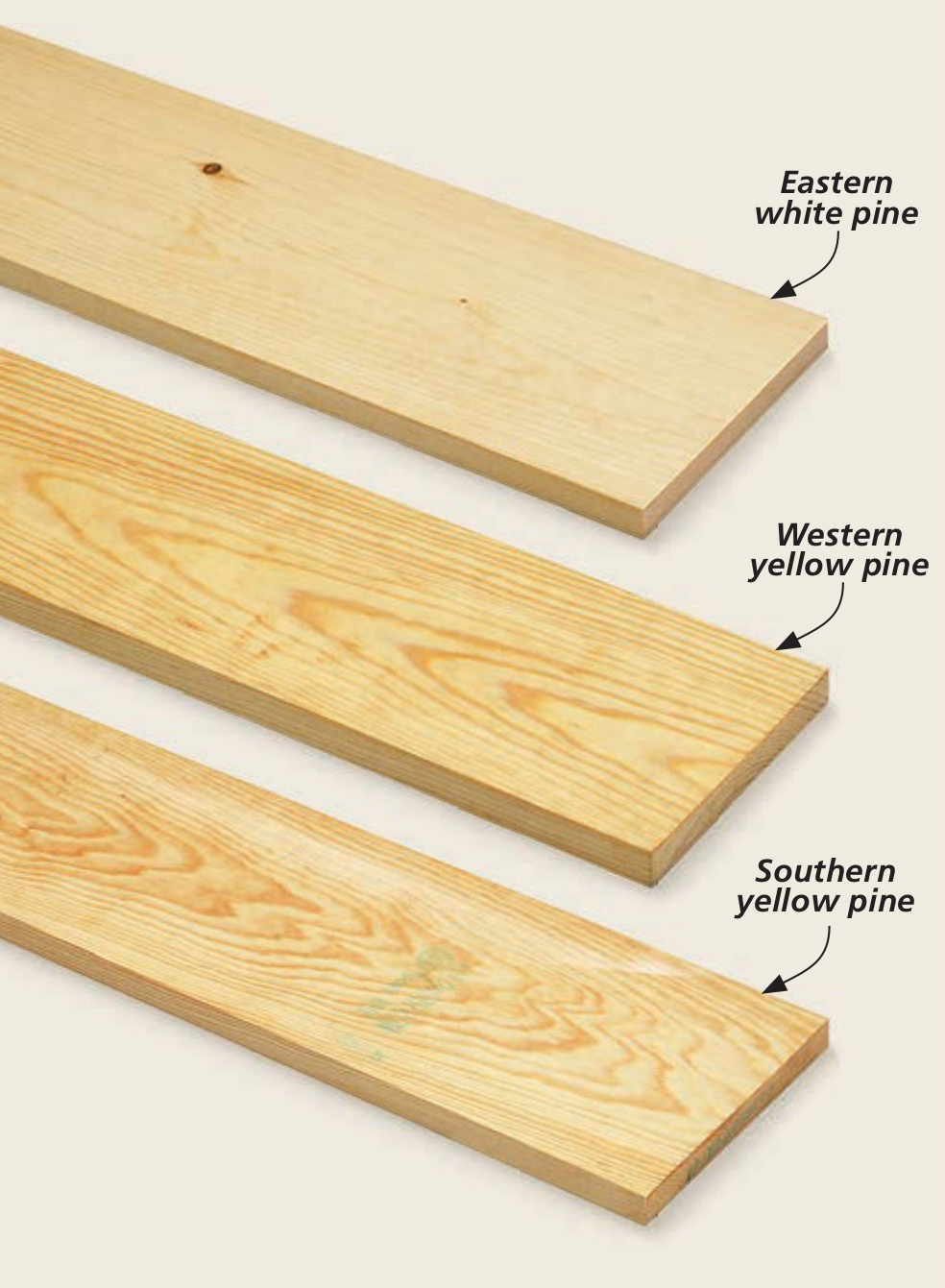
Pine has a light, natural color. It ranges from creamy white to yellowish brown. The grain is usually straight but can vary. Knots are common, adding a rustic charm. The texture is smooth and uniform. This makes it ideal for staining or painting. Its appearance can brighten any space.
Durability And Strength
Pine is classified as a softwood. Despite this, it is quite sturdy. It withstands daily wear and tear. Pine is not as hard as hardwoods. Yet, it serves well in most applications. It is less resistant to moisture and pests. Regular maintenance enhances its lifespan.
Workability
Pine is easy to work with. It cuts and shapes with ease. This makes it a favorite among carpenters. It accepts nails and screws without splitting. Pine can be glued securely. Its versatility is unmatched. It is perfect for DIY projects and home repairs.
Cost Comparison
Choosing between Whitewood and Pine involves several considerations. Cost stands out as a crucial factor. It influences both the initial purchase and long-term investment. Understanding the cost differences helps in making an informed decision. Let’s explore the cost aspects of Whitewood and Pine.
Price Differences
Whitewood generally comes at a lower price point. This makes it attractive for budget-conscious buyers. Pine, on the other hand, often costs more. The price difference is due to Pine’s higher demand and quality attributes. For small projects, Whitewood may offer an economical solution. Larger projects might justify the added expense of Pine.
Value For Money
Whitewood offers decent durability for its price. It suits indoor projects where stress is minimal. Pine, despite its higher cost, offers superior strength and longevity. This makes it suitable for furniture and structural applications. Investing in Pine could mean fewer repairs and replacements. Whitewood provides value for low-budget, short-term needs. Pine provides long-term value with its robustness and aesthetic appeal.
Environmental Impact
Choosing between Whitewood and Pine impacts the environment. Both woods have unique characteristics. Their use affects our planet in different ways. Understanding their environmental impact is crucial for making an informed choice.
Sustainability
Whitewood grows quickly, making it highly sustainable. It regenerates faster than many other trees. This rapid growth helps maintain forest balance. Pine, on the other hand, has a moderate growth rate. It does not replenish as quickly as Whitewood. This slower growth affects its sustainability.
Eco-friendliness
Whitewood forests are often managed responsibly. This management ensures minimal harm to ecosystems. It supports biodiversity and soil health. Pine forests can also be managed sustainably. Yet, without proper care, they can lead to soil erosion. Responsible harvesting is essential for both wood types.
Uses In Furniture
Whitewood and pine are popular choices in furniture making. Both types offer unique characteristics that suit different styles and uses. Understanding their applications helps in making informed decisions. Let’s explore how each is used in furniture.
Popular Applications
Whitewood is often used in cabinetry and shelving. Its light color and smooth surface make it ideal for painting. It’s also popular for indoor furniture like tables and chairs. Pine, on the other hand, is frequently used in rustic furniture. Its natural knots and grains add charm. Pine is common in bed frames, wardrobes, and dining sets.
Suitability For Various Designs
Whitewood suits modern and contemporary designs well. Its clean look allows for easy customization. It’s often chosen for minimalist styles. Pine suits traditional and country designs best. Its warm tones and natural patterns create a cozy feel. Pine is often selected for farmhouse and vintage aesthetics.
Maintenance And Care
Whitewood demands less upkeep due to its smooth surface, while pine requires frequent sealing to prevent damage. Regular cleaning and occasional refinishing preserve the natural beauty of both woods.
When it comes to choosing between whitewood and pine for your home projects, understanding the maintenance and care required for each can be crucial. Proper care not only enhances the beauty of the wood but also ensures its longevity. Whether you’re using these woods for furniture or flooring, the right maintenance techniques can make all the difference.Cleaning Tips
Keeping your whitewood and pine surfaces clean is straightforward, but it requires regular attention. Use a soft, damp cloth for dusting. Avoid harsh chemicals; they can damage the wood’s surface. For stubborn stains, a mild soap mixed with water can do wonders. Remember to dry the area immediately to prevent water damage. Have you ever noticed how a little elbow grease can bring out the natural beauty of wood? Regular cleaning not only maintains the wood but also lets you appreciate its unique grain patterns.Preservation Techniques
Preserving the natural look and feel of whitewood and pine is essential for long-term use. Applying a protective sealant is a great way to prevent scratches and stains. You can use a clear polyurethane or a wood-specific oil. These products help in maintaining the wood’s natural sheen and protect it from everyday wear and tear. Consider how sunlight can affect your wood. Direct sunlight can lead to fading over time. Using curtains or blinds can help shield your wood from harsh rays, keeping it vibrant and fresh. Have you thought about how the right care can save you money in the long run? Investing time in preservation today can prevent costly repairs and replacements tomorrow. Taking care of your whitewood and pine doesn’t have to be a chore. By incorporating these simple cleaning and preservation techniques, you can enjoy their beauty and functionality for years to come.Consumer Preferences
Choosing between whitewood and pine depends on consumer preferences. Whitewood offers a lighter color and smoother texture, ideal for modern designs. Pine, with its distinct grain and rustic charm, suits traditional styles well. Each has unique qualities that appeal to different tastes.
Choosing between Whitewood and Pine can feel like a tough decision when you’re shopping for furniture or wood projects. Each type of wood has its own set of qualities, and consumers’ preferences often drive their popularity. Understanding what people prefer can help you make an informed choice.Trends And Popularity
Whitewood and Pine have both carved out their own niches in the market. Pine is often associated with rustic charm and traditional aesthetics. Its natural knots and grains are loved by many for adding character to furniture. Whitewood, on the other hand, is gaining traction for its smooth finish and lighter color. It’s often chosen for modern designs and minimalist decor. Are you drawn to the rustic appeal of Pine or the sleek look of Whitewood?Feedback And Reviews
Consumers frequently share their experiences with these woods through reviews and feedback. Many appreciate Pine for being budget-friendly and easy to work with. Its softness allows for easy carving and shaping, making it a favorite for DIY projects. Whitewood, however, receives praise for its durability and versatility in various projects. One user mentioned how their Whitewood table has held up beautifully over the years. Have you considered how feedback from other consumers might influence your choice? Both Whitewood and Pine have unique features that cater to different tastes and needs. By understanding what others love about these woods, you can find the perfect match for your next project.
Credit: planeteco.com
Credit: www.woodsmith.com
Frequently Asked Questions
What Is The Difference Between Whitewood And Pine?
Whitewood is generally lighter and softer than pine. Pine is stronger and more durable.
Which Wood Is Better For Furniture, Whitewood Or Pine?
Pine is preferred for furniture due to its strength and durability. Whitewood is less durable.
Is Whitewood Cheaper Than Pine?
Yes, whitewood is usually cheaper than pine. It’s a budget-friendly choice for many projects.
Can Whitewood Be Stained Like Pine?
Yes, whitewood can be stained. But it might not absorb stain as evenly as pine.
Which Wood Is More Eco-friendly, Whitewood Or Pine?
Pine is often more sustainable. It grows faster and is widely available, making it eco-friendlier.
Conclusion
Choosing between whitewood and pine depends on your needs. Whitewood is lighter and often cheaper. Pine offers durability with a classic look. Both woods have their unique advantages. Whitewood suits projects requiring less weight. Pine is perfect for furniture with character.
Consider your budget and project demands. Each wood type has its charm. Think about aesthetics and functionality. Make an informed decision for your woodworking project. With these insights, selecting the right wood becomes easier. Happy crafting!