When you leave your home for a vacation or an extended trip, you probably worry about your energy bills and the safety of your appliances. One common question for homeowners with gas water heaters is whether to set their unit to vacation mode or leave it on pilot. These two settings sound similar, but they work differently, have unique pros and cons, and can impact your home’s energy use, safety, and even the lifespan of your water heater. If you want to make an informed decision about what to do with your water heater before you head out the door, it’s important to understand exactly what vacation mode and pilot mean, how they work, and which is best for your situation.
This guide will break down the differences, explain how each setting works, and offer practical advice to help you protect your home and wallet. You’ll also learn about common mistakes, energy-saving tips, and get answers to the questions most homeowners forget to ask.
Understanding Water Heater Settings
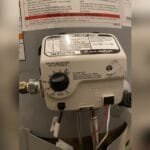
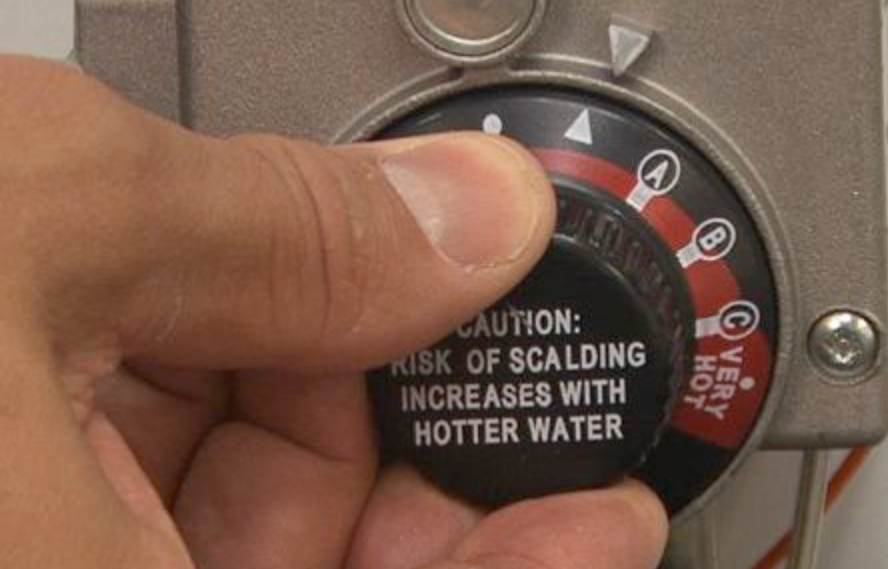
Before comparing vacation mode and pilot, let’s get clear on how a typical gas water heater operates. Most residential units have a dial or digital display that lets you choose different temperature settings, including “Low,” “Hot,” “Very Hot,” “Vacation,” and sometimes “Pilot.” Knowing what each option does helps you avoid surprises and use your heater efficiently.
What Is Vacation Mode?
Vacation mode is a special setting found on many modern gas water heaters. It’s designed for times when you’ll be away for several days or weeks. When you select vacation mode, the heater lowers the water temperature to around 50°F–55°F (10°C–13°C). This temperature is high enough to prevent the water from freezing in the tank and pipes but low enough to save energy compared to regular operation.
Vacation mode is not available on all heaters, especially older models. On some units, it’s clearly labeled; on others, it may be shown as a snowflake icon or the word “VAC. ” Newer smart water heaters may let you set vacation schedules using a mobile app.
What Is Pilot Mode?
Pilot mode (sometimes called “pilot light”) refers to a setting where the main gas burner is off, but a small flame (the pilot) stays lit. The pilot light is used to ignite the burner when hot water is needed. On traditional heaters, you can turn the dial to “Pilot” to keep only the pilot light running.
When a heater is in pilot mode, the water in the tank will gradually cool to room temperature. The pilot uses a small amount of gas, just enough to stay burning, but does not heat water for use.
How Vacation Mode Works
Vacation mode is like putting your water heater into a “sleep” state. It doesn’t turn the heater off completely, but it tells the unit to maintain a much lower temperature. This helps in several ways:
- Prevents freezing: In winter or cold climates, water left in the tank won’t freeze and burst pipes.
- Reduces energy use: Heating water to 120°F (49°C) or higher takes a lot of energy. Lowering the set point saves money.
- Quick recovery: When you return, switching back to normal mode lets the heater warm up water faster than if it was completely off.
Vacation mode is best for absences of 3 days or more, especially if outdoor temperatures are expected to drop.
How To Activate Vacation Mode
- Find your water heater’s temperature dial or control panel.
- Look for a setting labeled “VAC,” “Vacation,” or a snowflake icon.
- Turn the dial or select the option on the display.
- Some smart heaters let you set a specific date for your return.
- Double-check that the pilot light stays on (some heaters require the pilot to be lit for vacation mode to work).
Tip: Always check your heater’s manual for the exact steps. Some models beep or flash a light to confirm you’ve set vacation mode.
How Pilot Mode Works
When set to pilot, your water heater stops heating water entirely. The only flame burning is the small pilot light. Here’s what happens:
- No hot water: The tank’s water will cool down, and you won’t have hot water until you relight the burner.
- Minimal gas use: The pilot light uses about 600 to 900 BTUs per hour, which is low but not zero.
- Simple restart: When you return, you turn the dial back to “On” or your desired temperature, and the main burner reignites.
Pilot mode is often used for longer absences or when doing maintenance. It’s a safe setting, but not the most energy efficient.
How To Set To Pilot
- Turn the temperature dial to “Pilot.”
- Press and hold the pilot button if required.
- Watch for the pilot light to stay lit.
- Release the button and leave the dial in the “Pilot” position.
If you’re unsure, refer to your water heater’s manual. Some units require a match or igniter to relight the pilot.
Key Differences: Vacation Mode Vs Pilot
Understanding the differences between vacation mode and pilot mode can help you pick the best option for your situation. The table below summarizes the main points.
| Feature | Vacation Mode | Pilot Mode |
|---|---|---|
| Water Temperature | Maintains ~50°F–55°F | Water cools to room temp |
| Hot Water Available | No, but quick to reheat | No, needs full reheat |
| Energy Use | Very low | Low |
| Protects Against Freezing | Yes | No |
| Restart Time | Short | Longer |
| Safety | High | High |
Benefits Of Vacation Mode
Choosing vacation mode when leaving for a trip has several advantages:
- Prevents Freezing: This is crucial if you live in a cold region. Keeping water just above freezing means pipes are less likely to burst.
- Saves Energy: You avoid heating water you won’t use, which can lower your utility bill by 10%–20% over a two-week trip.
- Quick Recovery: When you return, you can set the dial back to “Hot,” and your water will be ready in an hour or two.
- Reduces Wear: By lowering the heating cycles, vacation mode can extend the life of your heater.
- Peace of Mind: You don’t need to worry about relighting the pilot or troubleshooting startup problems.
Drawbacks Of Vacation Mode
While vacation mode is helpful, it has some downsides:
- Not available on all heaters: Older units may not have this setting.
- Uses some energy: Though low, it’s not zero. The heater still uses gas or electricity to maintain temperature.
- Possible bacteria risk: Keeping water at lower temperatures for long periods can allow bacteria like Legionella to grow. This is rare but possible if you leave the heater in vacation mode for many weeks.
Benefits Of Pilot Mode
Some homeowners prefer pilot mode for its simplicity and extra savings:
- Lower gas use: Only the pilot is burning, which cuts energy costs to nearly zero.
- No heating cycles: The main burner is off, reducing wear and tear.
- Extra safety: For very long absences (a month or more), pilot mode ensures the heater does not heat water unnecessarily.
Drawbacks Of Pilot Mode
There are important disadvantages to consider:
- No freeze protection: Water can freeze if temperatures drop, which may burst your tank or pipes.
- Slow restart: When you return, you may wait several hours for hot water, especially in winter.
- Pilot outages: In some cases, the pilot light can go out, and relighting can be tricky for some users.
When To Use Vacation Mode
Vacation mode works best in these situations:
- Short trips (3 days to 3 weeks): It balances energy savings and freeze protection.
- Cold climates: If you live where winter temperatures drop below freezing, vacation mode is usually the safest choice.
- Modern heaters: Most new units support vacation mode, making it easy and reliable.
If you plan to leave your home unheated, vacation mode is especially important.
When To Use Pilot Mode
Pilot mode is recommended in specific cases:
- Long absences (over 3 weeks): If you’ll be gone for a month or more, pilot mode may save more energy.
- Warm climates: In places where pipes won’t freeze, pilot mode is a safe, low-cost option.
- Maintenance or repairs: If you need to work on the heater, pilot mode keeps the pilot light ready without heating water.

Credit: www.1tomplumber.com
Common Mistakes Homeowners Make
Many people make simple errors when leaving their water heater unattended. Avoid these pitfalls:
- Forgetting to change the setting: Leaving the heater on “Hot” wastes energy.
- Setting to pilot in winter: This can lead to frozen pipes.
- Not checking for leaks: Before leaving, inspect your heater and plumbing for leaks.
- Not reading the manual: Every heater is different; always check the instructions.
- Turning off the heater completely: This can cause more issues than it solves, especially in cold weather.
Real-world Examples
Let’s look at two real-life scenarios:
Case 1: Jane in Minnesota
Jane leaves for a two-week ski trip every January. She sets her heater to vacation mode. When she returns, her pipes are safe, and hot water is ready within an hour. Her energy bill drops by about 15% each time.
Case 2: Mike in Florida
Mike travels for business and leaves his house empty for a month in summer. He uses pilot mode since freezing isn’t a risk. His pilot light stays on, and his gas bill is minimal. Restarting hot water takes a bit longer, but he’s happy with the savings.
How Much Energy Do These Modes Really Save?
Energy savings depend on your water heater’s size, age, and how long you’re away. On average:
- Vacation mode: Saves about 10%–20% of your usual gas or electric use for the heater during a 2–3 week absence.
- Pilot mode: Saves slightly more, but the difference is small for short trips (less than a month). Over longer periods, the savings add up.
Here’s a comparison based on a typical 40-gallon gas water heater:
| Mode | Approx. Gas Use per Day | Energy Cost per Month |
|---|---|---|
| Normal (Hot) | ~1.5–2.5 therms | $30–$50 |
| Vacation | ~0.3–0.5 therms | $7–$12 |
| Pilot | ~0.1 therms | $2–$4 |
*Note: 1 therm = 100,000 BTU. Rates vary by region.*
How To Decide: Vacation Mode Or Pilot?
Not sure which to use? Ask yourself these questions:
- How long will you be gone? For a week or two, vacation mode is usually better. For over a month, pilot mode may save more.
- Is it winter? If so, and you live in a cold area, vacation mode is safer to prevent freezing.
- Do you want hot water quickly when you return? Vacation mode offers faster recovery.
- Does your heater support vacation mode? If not, pilot mode or turning the heater off are your main options.
Credit: plumberproservice.com
Safety Tips For Leaving Your Water Heater Unattended
Before you travel, take these steps for peace of mind:
- Inspect for leaks: Check around the base, pipes, and valves.
- Test the pressure relief valve: This prevents dangerous pressure buildup.
- Make sure the pilot light is steady: Flickering may mean a problem.
- Inform a neighbor: Ask someone to check your home if you’ll be gone for weeks.
- Know your shut-off valve location: In an emergency, someone should know how to turn off the gas or water.
What About Electric Water Heaters?
This article focuses on gas models, but electric water heaters have similar features. Instead of a pilot, electric units may have a “vacation,” “eco,” or “low” setting. If your electric heater doesn’t have vacation mode, you can turn it off at the breaker for long absences.
Just remember to turn it back on and let it heat up before you need hot water.

Credit: diy.stackexchange.com
Smart Water Heaters And Remote Control
Many new heaters offer Wi-Fi controls or integration with smart home systems. This lets you:
- Set vacation schedules from your phone
- Monitor energy use
- Get alerts if there’s a problem
If you travel often, a smart water heater can help you save energy and avoid surprises. Some utilities even offer rebates for upgrading to a smart model. For more information on smart water heaters, see the U.S. Department of Energy.
Frequently Asked Questions
What If My Water Heater Doesn’t Have Vacation Mode?
If your heater lacks vacation mode, set the temperature dial as low as possible (usually “Low”) or use pilot mode. For electric heaters, turn off the power at the breaker if you’ll be away for weeks. Always check your manual for the safest option.
Will Bacteria Grow In My Water Heater If I Use Vacation Mode?
Bacteria like Legionella can grow in warm, stagnant water (77°F–113°F). Vacation mode keeps water below this range, so the risk is low for short absences (under 2–3 weeks). If you’ll be gone for months, consider draining the tank or setting to pilot.
Can I Just Turn My Water Heater Off?
You can, but it’s not always best. Turning off the heater may save a bit more energy, but it increases the risk of pipes freezing (in cold climates) and may make restarting harder. For most trips, vacation or pilot mode is safer.
How Do I Relight The Pilot Light If It Goes Out?
Follow your heater’s instructions carefully. Usually, you turn the dial to “Pilot,” press and hold the pilot button, and use an igniter or match. Hold for 30–60 seconds until the pilot stays lit. If it won’t light, call a professional.
How Long Does It Take To Get Hot Water After Returning From Vacation?
If you used vacation mode, hot water is usually ready in 1–2 hours. If you used pilot mode, it may take 2–4 hours, depending on tank size and water temperature. Turning the dial back to “Hot” starts the heating process.
Taking the time to choose the right setting for your water heater before you travel can help you save money, avoid damage, and return to a comfortable home. Whether you pick vacation mode or pilot, understanding how they work gives you more control over your energy use and peace of mind while you’re away.