Are you planning to revamp your patio, driveway, or garden path? Choosing the right pavers can transform your outdoor space from ordinary to extraordinary.
But with so many options available, it’s easy to feel overwhelmed. Two popular choices are tumbled pavers and non-tumbled pavers, each offering unique benefits that cater to different styles and needs. You’ll discover the key differences between these two types, helping you make an informed decision that best suits your vision.
Whether you prefer a rustic, aged appearance or a sleek, modern finish, understanding these pavers will guide you to the perfect choice. Keep reading to uncover the secrets behind these paving solutions and find out which one is the ideal fit for your project.

Credit: www.americanpavingdesign.com
Tumbled Pavers Overview
Tumbled pavers offer a rustic, weathered look, perfect for creating vintage-style patios. Non-tumbled pavers boast a smooth, uniform appearance, ideal for contemporary designs. Choosing between them depends on the desired aesthetic and durability requirements of outdoor spaces.
Tumbled pavers offer a unique charm and timeless appeal that can elevate the aesthetics of any outdoor space. With their weathered and rustic look, these pavers are a popular choice for those aiming to create a warm, inviting atmosphere in their gardens or patios. Their distinct texture and appearance set them apart from their non-tumbled counterparts, adding character and depth to your landscaping projects.Characteristics
Tumbled pavers are known for their smooth, rounded edges and slightly textured surfaces. This look is achieved through a process where the pavers are tumbled in a large drum to mimic the natural aging process. The result is a product that appears as though it has been aged by the elements, offering a worn-in look that can add a touch of history and elegance to your outdoor spaces. These pavers come in a variety of colors and sizes, providing flexibility for different design styles. They can be made from materials such as concrete or natural stone, each offering its own unique aesthetic and functional benefits. Their porous nature can help with drainage, making them a practical choice for areas prone to water accumulation.Popular Uses
Tumbled pavers are frequently used in residential settings for patios, walkways, and driveways. Their antique appearance makes them ideal for creating a classic, old-world charm that blends seamlessly with traditional architecture. Imagine a cozy patio space where you can relax with family, surrounded by the timeless beauty of tumbled pavers. They are also popular in commercial landscapes, such as restaurant patios or garden pathways, where the aim is to create a welcoming and comfortable environment. Their non-slip surface makes them a safe option for high-traffic areas, providing peace of mind along with aesthetic appeal. Have you ever considered using tumbled pavers for a DIY project? They can be a great way to personalize your garden or backyard. By choosing tumbled pavers, you’re opting for a versatile and aesthetically pleasing option that can transform any space into a beautiful and functional area. What unique project could you envision using these charming pavers?Non-tumbled Pavers Overview
Non-tumbled pavers offer a sleek, modern look. They have straight edges and smooth surfaces. Their uniform appearance makes them popular for contemporary designs. Non-tumbled pavers are known for their durability and strength. They are often chosen for areas needing a clean, polished finish.
Characteristics
Non-tumbled pavers feature sharp, defined edges. They have a consistent size and shape. This precision helps in creating neat lines. Their surfaces are smooth and even. This gives them a refined, polished look.
These pavers come in various colors and materials. Concrete and natural stone are common choices. Non-tumbled pavers are also resistant to weather conditions. They maintain their appearance over time.
Popular Uses
Non-tumbled pavers suit patios and walkways. Their sleek design complements modern architecture. They are ideal for driveways due to their strength. Non-tumbled pavers are also used in commercial spaces. Their clean lines enhance urban landscapes.
Garden paths benefit from their neat appearance. Non-tumbled pavers provide a contemporary touch to outdoor areas. They are often used in pool decks for a chic finish. Their versatility makes them a favorite among designers.
Visual Appeal
Tumbled pavers offer a rustic charm with their weathered look, blending seamlessly into traditional landscapes. Non-tumbled pavers, on the other hand, provide a sleek and modern appearance, perfect for contemporary designs. Each type enhances outdoor spaces uniquely, catering to diverse aesthetic preferences.
When considering the visual appeal of your outdoor spaces, the choice between tumbled and non-tumbled pavers can significantly impact the ambiance. Whether you’re revamping your patio or designing a new walkway, understanding the differences in aesthetic presentation can guide you towards creating the look you envision. It’s not just about what looks good; it’s about what feels right for your space and style.Aesthetic Differences
Tumbled pavers offer a rustic, aged appearance. Their edges are softened, giving them a worn, timeless look. This style can complement classic or traditional designs perfectly. On the other hand, non-tumbled pavers present a modern, sharp finish. With crisp edges and uniform shapes, they exude a sleek and contemporary vibe. If your home embraces modern architecture, non-tumbled pavers might be your best bet. Think about your personal taste and the overall theme of your outdoor area. What kind of atmosphere do you want to create? Do you prefer a cozy, traditional feel or a clean, modern look?Color And Texture Variations
The tumbling process affects both color and texture. Tumbled pavers often have a muted, natural color palette. Their surfaces are subtly textured, adding depth and interest. Non-tumbled pavers, however, come in a wide range of vibrant colors. Their smooth surfaces reflect light beautifully, enhancing their visual impact. Consider how color and texture play into your design goals. Do you want your pavers to blend into the environment or stand out as a focal point? Are you looking for a textured feel underfoot or a smooth surface for easy cleaning? When I chose tumbled pavers for my garden path, I loved how they seamlessly blended with the surrounding greenery. But my neighbor opted for non-tumbled pavers to complement his modern home’s exterior, creating a striking contrast. What about you? Which option aligns with your vision?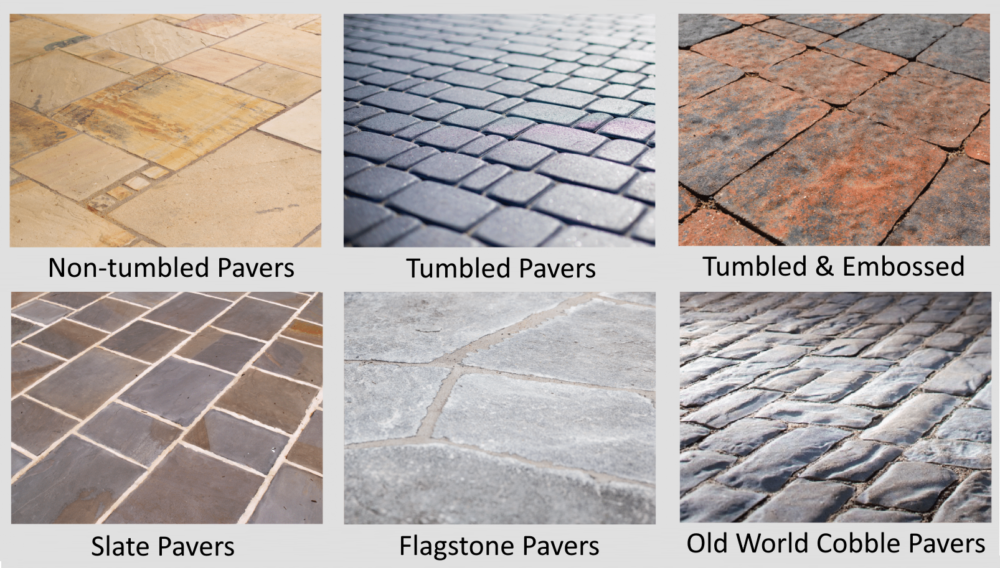
Credit: amppavers.com
Durability And Maintenance
Tumbled pavers offer a rustic look and hide wear, while non-tumbled ones have a sleek finish. Both types require regular cleaning to maintain their appearance. Choose based on aesthetic preference and upkeep commitment.
When considering the perfect paving solution for your outdoor space, the durability and maintenance of tumbled versus non-tumbled pavers are crucial factors. You want something that not only looks beautiful but can stand the test of time with minimal upkeep. Let’s dive into how each type holds up against the elements and what maintenance you should expect.Weather Resistance
Tumbled pavers are known for their resilience to harsh weather conditions. Their textured surface allows them to grip better, reducing the risk of slipping during wet seasons. Non-tumbled pavers, with their smoother finish, might not have the same traction but can still withstand weather changes. However, they can be more prone to surface erosion over time. Have you thought about how your region’s climate might affect your paver choice? Ensuring your outdoor surfaces can handle the local weather is key.Cleaning And Care
Cleaning tumbled pavers is relatively straightforward. Their rugged texture hides dirt and stains well, meaning you can get away with less frequent scrubbing. A simple sweep and occasional rinse will keep them looking fresh. Non-tumbled pavers require a bit more attention. Their smooth surface shows stains and dirt more easily, necessitating regular cleaning to maintain their appearance. You might find that a power washer is your best friend here, cutting down the time and effort required to keep them spotless. Have you thought about how much time you can realistically dedicate to maintaining your outdoor space? Balancing aesthetics with practicality might lead you to your ideal choice.Installation Process
The installation process of pavers plays a crucial role in landscaping projects. It affects both the final look and durability. Tumbled and non-tumbled pavers differ in texture and shape. This impacts how they are installed. Understanding these differences can make the installation smoother. Let’s explore the details of their installation process.
Ease Of Installation
Tumbled pavers are more forgiving during installation. Their rounded edges fit together with ease. This flexibility reduces the chance of errors. Non-tumbled pavers, with their sharp edges, need precise alignment. Any misalignment can be noticeable. Installing non-tumbled pavers requires more care. Both types need a firm base for stability.
Required Tools
Installing tumbled pavers demands basic tools. A level, rubber mallet, and a string line suffice. These tools help ensure even placement and alignment. Non-tumbled pavers might require additional tools. A chisel and a diamond saw can help with precise cuts. Accurate cuts ensure a seamless look. Both require a compactor for a stable foundation.
Cost Analysis
Choosing between tumbled and non-tumbled pavers involves a detailed cost analysis. Each option offers distinct financial implications. Understanding these can guide your decision and maximize the value of your investment.
Initial Investment
Tumbled pavers often come with a higher price tag. The tumbling process adds to manufacturing costs. This can result in a greater upfront investment. Non-tumbled pavers tend to be more budget-friendly. They require less processing and are typically cheaper. This makes them a more affordable choice for initial purchases.
Long-term Value
Tumbled pavers offer a timeless, weathered appearance. This can enhance property value over time. Their durability may reduce future repair costs. Non-tumbled pavers provide a clean, modern look. They can be less resilient to wear and tear. This might lead to more frequent replacements. Consider maintenance expenses and lifespan in your cost evaluation. Weighing these factors helps determine the true long-term value.
Environmental Impact
Choosing the right paver is more than aesthetics. It’s about the environment too. Tumbled and non-tumbled pavers have different effects on nature. Understanding these impacts helps make eco-friendly choices.
Sustainability Factors
Tumbled pavers undergo extra processing. This can mean more energy and resources. Non-tumbled pavers skip this step. They require less energy to produce. This makes them a better choice for sustainability.
Durability also affects sustainability. Both types last long, reducing replacement needs. But, non-tumbled pavers often last longer. This durability further lessens environmental strain.
Eco-friendly Options
Using recycled materials can enhance eco-friendliness. Both paver types can use recycled content. This reduces waste and conserves resources.
Permeable versions of these pavers help manage water runoff. They allow water to seep into the ground. This reduces flooding and replenishes groundwater. Choosing permeable options benefits the environment significantly.
Best Use Cases
Tumbled pavers create a rustic, aged look, perfect for traditional patios and pathways. Non-tumbled pavers offer a sleek, modern finish, ideal for contemporary designs. Both options provide durability and aesthetic appeal, catering to various architectural styles and preferences.
When choosing between tumbled and non-tumbled pavers, understanding their best use cases can help you make an informed decision. Whether you’re designing a cozy backyard patio or a sleek commercial plaza, the type of paver can greatly impact the aesthetic and functionality of the space. Let’s dive into how each type of paver shines in different settings.Residential Applications
Tumbled pavers are perfect for residential settings where you want to create a warm, rustic feel. Imagine walking barefoot on your patio and feeling the smooth, rounded edges underfoot. They add a timeless charm to garden paths and driveways, making them inviting and cozy. On the other hand, non-tumbled pavers suit modern homes with their clean lines and structured appearance. They offer a sleek look for outdoor kitchens or contemporary pool decks. If you prefer a more polished aesthetic, non-tumbled pavers can enhance your home’s modern architecture.Commercial Applications
In commercial spaces, the choice between tumbled and non-tumbled pavers can influence customer perception. Tumbled pavers bring a sense of history and character, ideal for boutique cafes or heritage hotels. They create an inviting atmosphere that can make customers feel comfortable and relaxed. Non-tumbled pavers are great for businesses that want to project a professional, cutting-edge image. Think about a corporate plaza or a high-end retail store. Their uniformity and precision can convey efficiency and innovation, appealing to clients and customers who appreciate a modern vibe. As you consider these options, think about the message you want your space to convey. Do you want to evoke nostalgia or sophistication? Your choice of pavers could be the detail that makes all the difference.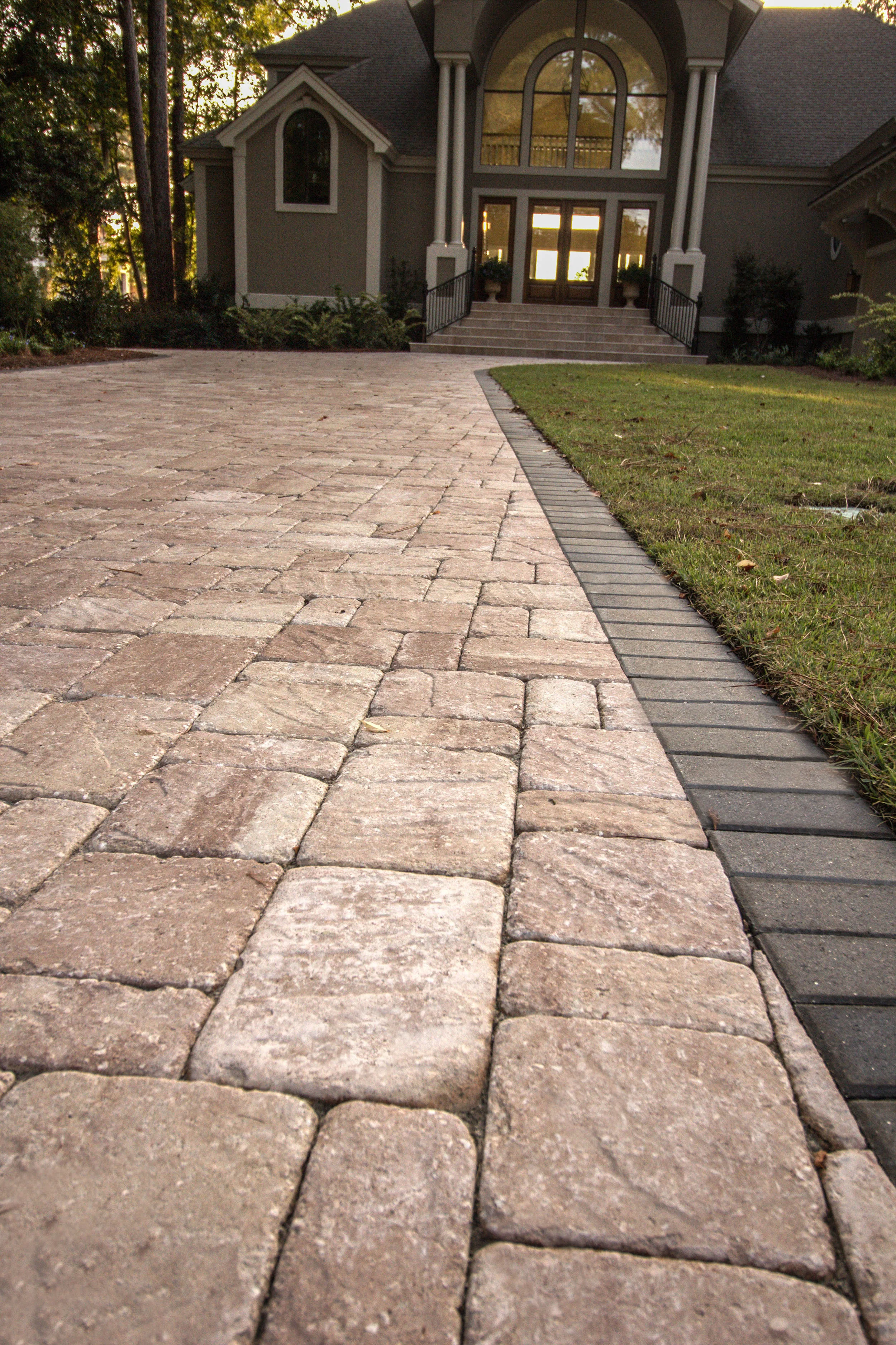
Credit: www.americanpavingdesign.com
Frequently Asked Questions
What Are Tumbled Pavers?
Tumbled pavers are stones with rounded edges and a weathered look. They offer a rustic charm.
How Do Non-tumbled Pavers Differ?
Non-tumbled pavers have sharp edges and a smooth finish. They give a modern, sleek appearance.
Which Pavers Are More Durable?
Both are durable, but non-tumbled pavers resist wear better. Ideal for high-traffic areas.
Are Tumbled Pavers Costlier Than Non-tumbled?
Tumbled pavers are often more expensive. The tumbling process adds to their cost.
Which Pavers Are Easier To Install?
Non-tumbled pavers are easier to fit together. Their uniform shape simplifies installation.
Conclusion
Both tumbled and non-tumbled pavers offer unique benefits. Tumbled pavers create an aged look. They suit classic designs well. Non-tumbled pavers look more modern. They fit contemporary styles better. Consider your project’s theme. Also, think about durability needs. Tumbled pavers resist wear differently.
Non-tumbled options might have sharper edges. Choose based on your landscape vision. Maintenance is another factor. Some prefer less upkeep. Others enjoy the rustic charm. Both types offer quality solutions. The choice depends on your preference. Evaluate your budget too.
Pavers vary in cost. Make a decision that suits your style and needs.