Choosing a water heater for your home can feel overwhelming. With new technology, the options are more advanced and energy-efficient than ever. Two popular choices today are the tankless water heater and the heat pump water heater. Both promise to save money and energy, but they work in very different ways. If you want to reduce your energy bills or lower your home’s carbon footprint, understanding the differences between these systems is essential.
Let’s walk through how each system works, their pros and cons, costs, installation needs, and real-life performance. By the end, you’ll have a clear view of which one might fit your needs better—even if you’re new to water heaters.
How Tankless Water Heaters Work
A tankless water heater is sometimes called an “on-demand” heater. That’s because it heats water only when you need it. When you open a hot water tap, cold water flows through a heat exchanger inside the unit. This exchanger is heated by gas or electricity, warming the water instantly. Once you turn off the tap, the heater shuts off too.
There’s no big storage tank holding water. This means you never run out of hot water because the system keeps producing it as long as there’s demand—although the flow rate is limited by the unit’s size.
Key Features Of Tankless Water Heaters
- Compact size: Most units are small and wall-mounted.
- Unlimited hot water: As long as your demand is within the unit’s capacity.
- High efficiency: No “standby loss” since water is not kept hot all day.
- Multiple fuel options: Available in both gas and electric models.
Energy Efficiency
Tankless water heaters are more efficient than traditional tanks. The U. S. Department of Energy states that homes using less than 41 gallons of hot water daily can save 24-34% more energy with a tankless unit compared to traditional tanks.
For homes that use more hot water, savings drop to about 8-14%.
A non-obvious insight: Efficiency depends on usage pattern. If your home uses hot water in many places at once (multiple showers, laundry, and kitchen), you may need several tankless units or a very large one. Some buyers miss this and end up with lukewarm water during peak times.
How Heat Pump Water Heaters Work
A heat pump water heater (HPWH) works differently. Instead of creating heat directly, it moves heat from the air around it into the water. It works like a refrigerator, but in reverse. A fan pulls in air, a refrigerant coil absorbs heat, and that heat is transferred into the water tank.
This process uses much less electricity than traditional electric heaters because moving heat is easier than generating it. Most HPWHs have a backup electric element for very cold days or very high demand.
Key Features Of Heat Pump Water Heaters
- Large storage tank: Usually 50 gallons or more.
- Very high efficiency: Uses 60-70% less electricity than standard electric heaters.
- Dual operation modes: Can switch to standard electric heating if needed.
- Requires space: Needs room for airflow and works best in warm locations.
Energy Efficiency
HPWHs can be two to three times more efficient than standard electric tank heaters. The average Energy Factor (EF) for a HPWH is around 3.0, meaning it produces three units of hot water for every unit of electricity used.
A detail many forget: Ambient temperature matters. HPWHs work best in warm spaces like basements or garages. In cold climates or small closets, they lose efficiency and may need to use the backup heater more often.
Comparing Tankless And Heat Pump Water Heaters
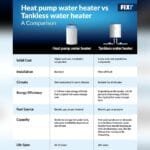
Choosing between a tankless water heater and a heat pump water heater means looking at several factors: upfront cost, installation, operating cost, hot water supply, maintenance, and climate suitability. Here’s a clear side-by-side comparison.
| Feature | Tankless Water Heater | Heat Pump Water Heater |
|---|---|---|
| How it Heats Water | Heats on-demand, no storage tank | Moves heat from air to tank, large storage |
| Energy Efficiency | Up to 34% more efficient than tanks | Up to 70% more efficient than electric tanks |
| Best For | Homes with limited space, lower hot water use | Homes in warm climates, higher hot water use |
| Installation Cost | $800 – $2,500 (plus possible upgrades) | $1,500 – $3,000 |
| Operating Cost | Lower if hot water use is moderate | Lowest for electric options |
| Climate Suitability | Works anywhere | Needs warm, non-confined space |
| Lifespan | 15-20 years | 10-15 years |
| Noise Level | Very quiet | Louder (fan/compressor noise) |
| Maintenance Needs | Descale yearly in hard water areas | Check air filter, drain pan regularly |
Upfront Cost And Installation
Tankless Water Heater Installation
Installing a tankless system is not as simple as swapping out a tank. Here are details to consider:
- Unit cost: Most tankless heaters cost between $800 and $2,500, depending on size and fuel type.
- Upgrades: You may need to upgrade gas lines or electrical wiring. This can add $500 to $1,500.
- Venting: Gas units need new venting through a wall or roof.
- Space saving: They mount on walls, freeing floor space.
A common mistake: Underestimating installation costs. Many buyers focus on the heater price and are surprised by the extra costs for wiring, venting, or plumbing upgrades.
Heat Pump Water Heater Installation
A HPWH is bigger and heavier than most tank heaters. Consider these points:
- Unit cost: Usually $1,500 to $3,000.
- Space: Needs about 750–1,000 cubic feet of air to work efficiently. Small closets won’t work.
- Location: Works best in warm, unconditioned spaces like a garage or basement.
- Drainage: Must install a drain for condensate (water produced during operation).
Some homeowners miss: HPWHs cool the space around them. If installed in a small room, they can make it colder, which is not ideal for living spaces.
Operating Costs And Savings
The real value of a water heater comes from its annual operating costs. Both tankless and HPWHs are more efficient than standard electric or gas tanks, but the savings depend on your home’s setup and hot water use.
| Heater Type | Estimated Annual Cost | Potential Lifetime Savings (vs. standard tank) |
|---|---|---|
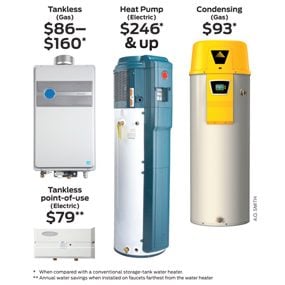
| Tankless (Gas) | $100 – $160 | $1,800 – $2,500 |
| Tankless (Electric) | $150 – $250 | $1,000 – $1,800 |
| Heat Pump | $75 – $150 | $3,000 – $4,000 |
Note: Numbers are averages for a family of four in the U.S. Your actual savings depend on local energy prices, climate, and usage.
A subtle point: Heat pump water heaters save more in regions with high electricity prices, while tankless gas units are a better deal where gas is cheap.
Performance And Hot Water Supply
Tankless Water Heater Output
Tankless heaters are great for constant, on-demand hot water. But every unit has a maximum flow rate—measured in gallons per minute (GPM).
- A small unit may provide 2–3 GPM (one shower).
- Large units can deliver 5–8 GPM (two showers + sink).
If your family often uses hot water in several places at once, you might need more than one tankless unit or a very large model. Otherwise, the water may not be hot enough when demand is high.
A mistake some make: Ignoring the winter effect. In cold climates, incoming water is much colder, so the heater has to work harder and flow rates drop.
Heat Pump Water Heater Output
HPWHs have large tanks, usually 50–80 gallons. They can deliver a lot of hot water at once. But after the tank is emptied, it takes time to reheat—often 1–2 hours.
Some HPWHs have a “high demand” mode that uses electric resistance heat to recover faster, but this uses more energy.
Insight: HPWHs are better for families with peak hot water use (like mornings or evenings). But if you need unlimited hot water, a tankless system is better.
Credit: woolyyarn.com
Maintenance And Lifespan
Tankless Water Heater Maintenance
A tankless heater can last 15–20 years with proper care. The main maintenance task is descaling—removing mineral buildup from the heat exchanger.
- In hard water areas, descale every 6–12 months.
- Clean air and water filters as needed.
- Check venting for blockages on gas units.
If you skip maintenance, efficiency drops and parts can fail early.
Heat Pump Water Heater Maintenance
HPWHs generally last 10–15 years. Maintenance is simple but important:
- Clean the air filter every 3–6 months.
- Check the condensate drain for clogs.
- Inspect the anode rod (protects against tank corrosion) every 2–3 years.
- Flush the tank once a year to reduce sediment.
A non-obvious insight: Neglecting the air filter can cut efficiency in half. Dirty filters block airflow and force the unit to work harder.
Environmental Impact
Both systems are greener than old tank heaters. But their impact depends on your energy source.
- Tankless gas heaters create less CO₂ than old tanks but still use fossil fuels.
- Electric tankless and HPWHs can be powered by renewable electricity, making them the lowest-carbon choice.
- HPWHs reduce emissions the most in areas with clean electricity.
One more detail: Heat pump water heaters can earn you rebates. Many utilities and governments offer cash back for installing HPWHs because they save so much energy.
Pros And Cons Of Each System
Tankless Water Heater Pros
- Endless hot water: Great for long showers or filling a large tub.
- Space-saving: Mounts on a wall, frees up floor space.
- Long lifespan: Can last 20 years or more.
- No standby loss: Saves energy by heating only when needed.
Tankless Water Heater Cons
- High upfront cost: Especially if you need wiring or gas upgrades.
- Flow limits: May not keep up with very high simultaneous demand.
- Annual maintenance: Especially important in hard water areas.
Heat Pump Water Heater Pros
- Very low energy use: Saves $300 or more per year on electric bills.
- High hot water output: Can supply multiple showers at once.
- Eco-friendly: Cuts home carbon emissions.
- Rebates often available: Many states and utilities offer incentives.
Heat Pump Water Heater Cons
- Needs space and air: Not for small closets or cold rooms.
- Noisy: Fan and compressor make more noise than other heaters.
- Slower recovery: Takes time to reheat after heavy use.
Which One Should You Choose?
The best choice depends on your home, climate, and hot water needs. Here are some scenarios to guide you:
- Small household, limited space: Tankless is likely best. It saves space and provides endless hot water for one or two people.
- Large family, high hot water use: HPWH is better, especially if you have space for the tank and live in a warm climate. It’s cost-effective and keeps up with busy mornings.
- Colder climates: Tankless works well anywhere, but electric tankless units may struggle in very cold areas. HPWHs lose efficiency in cold garages or basements.
- Environmental goals: If you want the lowest carbon footprint, choose an HPWH powered by renewable electricity.
- Budget: Consider not just the purchase price, but installation and long-term operating costs. HPWHs often win on lifetime savings, especially with rebates.
A practical tip: Get a home energy audit before choosing. An expert can suggest the best option for your home’s size, layout, and energy rates.

Credit: intellihot.com
Real-life Examples
Example 1: Urban Condo Owner
Maria lives in a city condo with limited space and only two people. She picks a compact electric tankless heater. Installation is simple, and she enjoys endless hot water for back-to-back showers. Her energy bills drop by 20%.
Example 2: Suburban Family
The Johnsons have a family of five and live in Georgia. They install a 66-gallon HPWH in their garage. Their electric bills drop by $350 per year, and the state rebate covers $500 of the purchase price. They notice the garage is cooler in summer, but the heater is a bit loud.
Example 3: Rural Home In Northern State
Alex lives in Minnesota. He wants to go green but has a cold basement. He installs a gas tankless water heater. It delivers reliable hot water all winter, but he has to descale it every year due to hard well water.
Common Mistakes To Avoid
- Sizing the unit incorrectly. Many people buy too small a unit, leading to lukewarm showers.
- Ignoring installation needs. Upgrading power or gas lines can add to the budget.
- Putting HPWH in small spaces. These need airflow; closets don’t work.
- Skipping maintenance. Both systems need regular care to last and stay efficient.
- Not using available rebates. Many miss out on hundreds in savings by not checking local programs.
Credit: philbarnettplumbing.com
Making The Decision: Step-by-step
If you’re still unsure, follow these steps:
- Measure your hot water demand. How many showers or appliances run at once?
- Check your space. Do you have room for a big tank, or just a wall unit?
- Know your climate. Is your home warm year-round, or does it freeze in winter?
- Ask about energy rates. Is gas or electricity cheaper in your area?
- Talk to a pro. Get quotes for both options, including all installation costs.
- Look for rebates. Search utility and state programs for incentives.
Summary Table: Quick Decision Guide
Here’s a snapshot to help you compare:
| Factor | Tankless Water Heater | Heat Pump Water Heater |
|---|---|---|
| Best for | Small spaces, endless hot water, any climate | Large families, high efficiency, warm climates |
| Energy Source | Gas or electric | Electric only |
| Noise | Very quiet | Moderate (fan noise) |
| Rebates | Few, varies by location | Often available |
| Maintenance | Descale, filter clean | Air filter, drain, anode rod |
Frequently Asked Questions
What Is The Main Difference Between A Tankless Water Heater And A Heat Pump Water Heater?
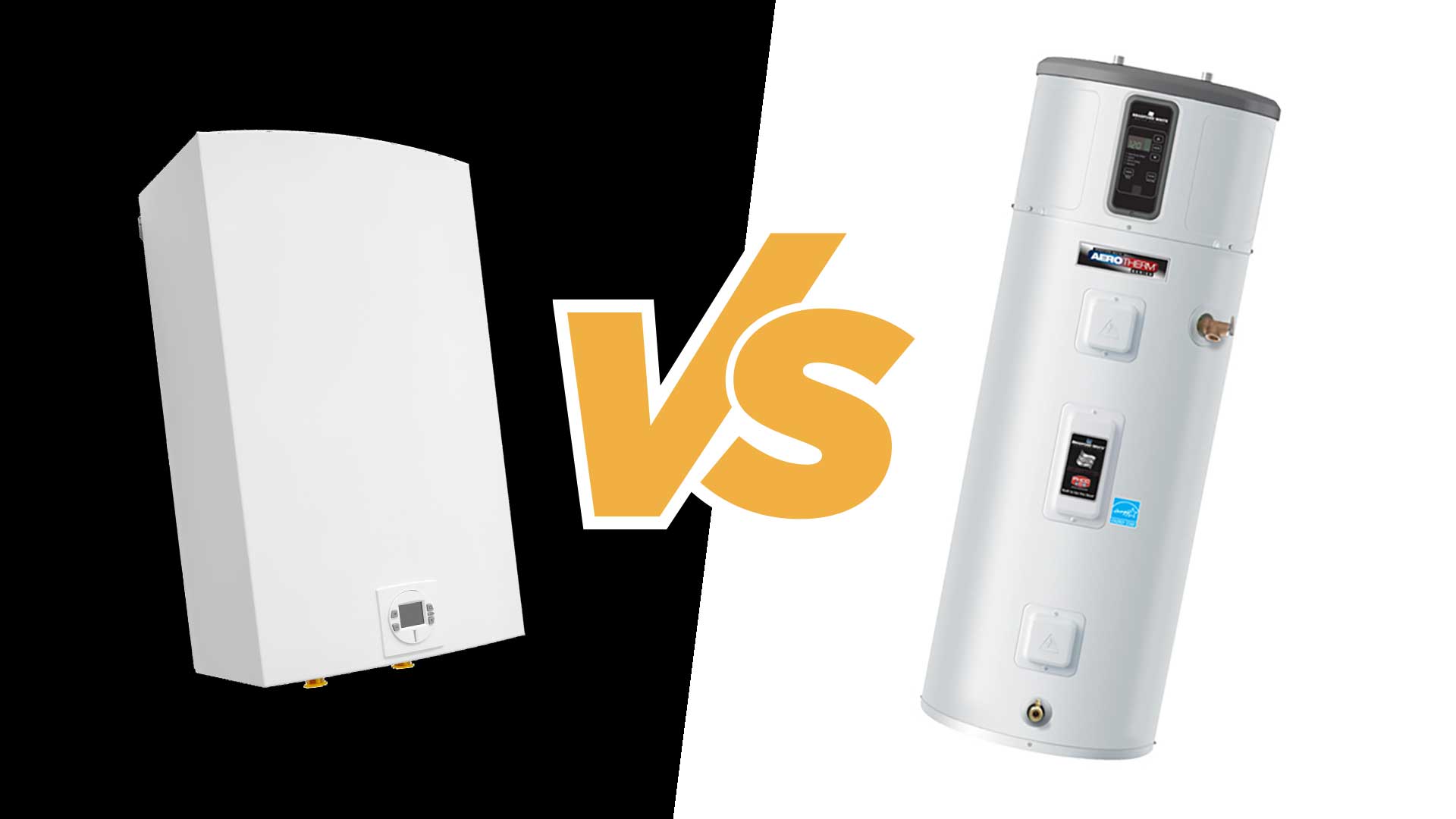
Tankless water heaters heat water instantly as you need it, with no storage tank. Heat pump water heaters use a large tank and heat water by moving heat from the surrounding air. Tankless offers endless hot water but requires the right size for your needs, while HPWHs are best for high efficiency and high volume.
Which Is Cheaper To Run: Tankless Or Heat Pump Water Heater?
Heat pump water heaters are usually cheaper to run, especially if you have high electric rates. They use less energy by moving heat instead of making it. However, installation costs may be higher, and they need the right space to work well.
Do Tankless Water Heaters Work In Cold Climates?
Yes, but with limits. Tankless water heaters work anywhere, but incoming water is colder in winter, so you may get a lower flow of hot water. Gas models perform better than electric ones in very cold places.
Are Heat Pump Water Heaters Noisy?
A little. Heat pump water heaters have a fan and compressor, so they make more noise than traditional or tankless heaters. Most people compare the sound to a small window air conditioner.
Can I Get A Rebate For A Heat Pump Water Heater?
Often, yes. Many utility companies and state programs offer rebates for installing a heat pump water heater because they save so much energy. Check your local energy provider or visit Energy Star for more details.
—
Choosing between a tankless water heater and a heat pump water heater isn’t just about the latest trend. It’s about what fits your home, habits, and budget. Both offer great energy savings and can lower your bills for years to come. Take your time, look at all the factors, and ask questions. With the right choice, you’ll enjoy efficient hot water and peace of mind—no matter which option you pick.