
Tankless Water Heater Descaler Vs Vinegar: Which Is Better For Your System?
Every home relies on clean, hot water. Tankless water heaters have become popular for saving energy and giving endless hot water. But over time, these systems face a big problem: mineral buildup, also called “scaling.” This can lower efficiency, cause expensive damage, and even shorten the heater’s life.
When scale forms inside a tankless water heater, it often means trouble. The most common culprits are calcium and magnesium from hard water. To solve this, homeowners look for ways to remove these minerals. Two popular methods appear: using a commercial descaler or simple white vinegar. Both promise to clean your system, but which one really works best? How safe are they? Which is more cost-effective or eco-friendly? If you have a tankless water heater, understanding these choices is essential.
This guide breaks down the pros, cons, and realities of each method. You’ll learn what each approach really does, what to expect, and how to make the right choice for your home and budget. We’ll also clear up some common myths that can lead to mistakes.
By the end, you’ll know exactly how to keep your tankless water heater in top shape—without confusion or wasted effort.
Why Tankless Water Heaters Need Descaling
Most water in the US is classified as hard water, meaning it contains high levels of minerals—mainly calcium and magnesium. These minerals can settle inside plumbing and appliances, especially where water is heated. In a tankless water heater, water passes over a heat exchanger. When heated, minerals separate from the water and cling to the metal surfaces.
Over time, this leads to a hard, crusty layer called scale. Scale acts as an insulator, forcing your heater to work harder and use more energy. Studies show just 1/16 inch of scale can reduce efficiency by up to 12%. That’s higher energy bills and slower hot water delivery.
If left untreated, scale can:
- Reduce water flow
- Increase energy use
- Cause overheating or shutoff
- Damage the heat exchanger
- Void your warranty
Manufacturers often recommend annual descaling—sometimes more often if you have very hard water. This is not just a suggestion; skipping this task can lead to expensive repairs or replacements.
What Is A Tankless Water Heater Descaler?
A tankless water heater descaler is a chemical solution designed to dissolve and remove mineral deposits inside your heater. These products are made to be safe for metal and plumbing but strong against scale.
Most commercial descalers are acidic but less harsh than industrial cleaners. They usually contain:
- Citric acid
- Sulfamic acid
- Other proprietary blends
These acids break down calcium and magnesium deposits so they can be flushed out with water. Descalers are sold under many brands and are specifically formulated for use in water heaters and plumbing.
How Descalers Work
The process is simple:
- Turn off power and water to the heater.
- Disconnect the heater from the main water supply.
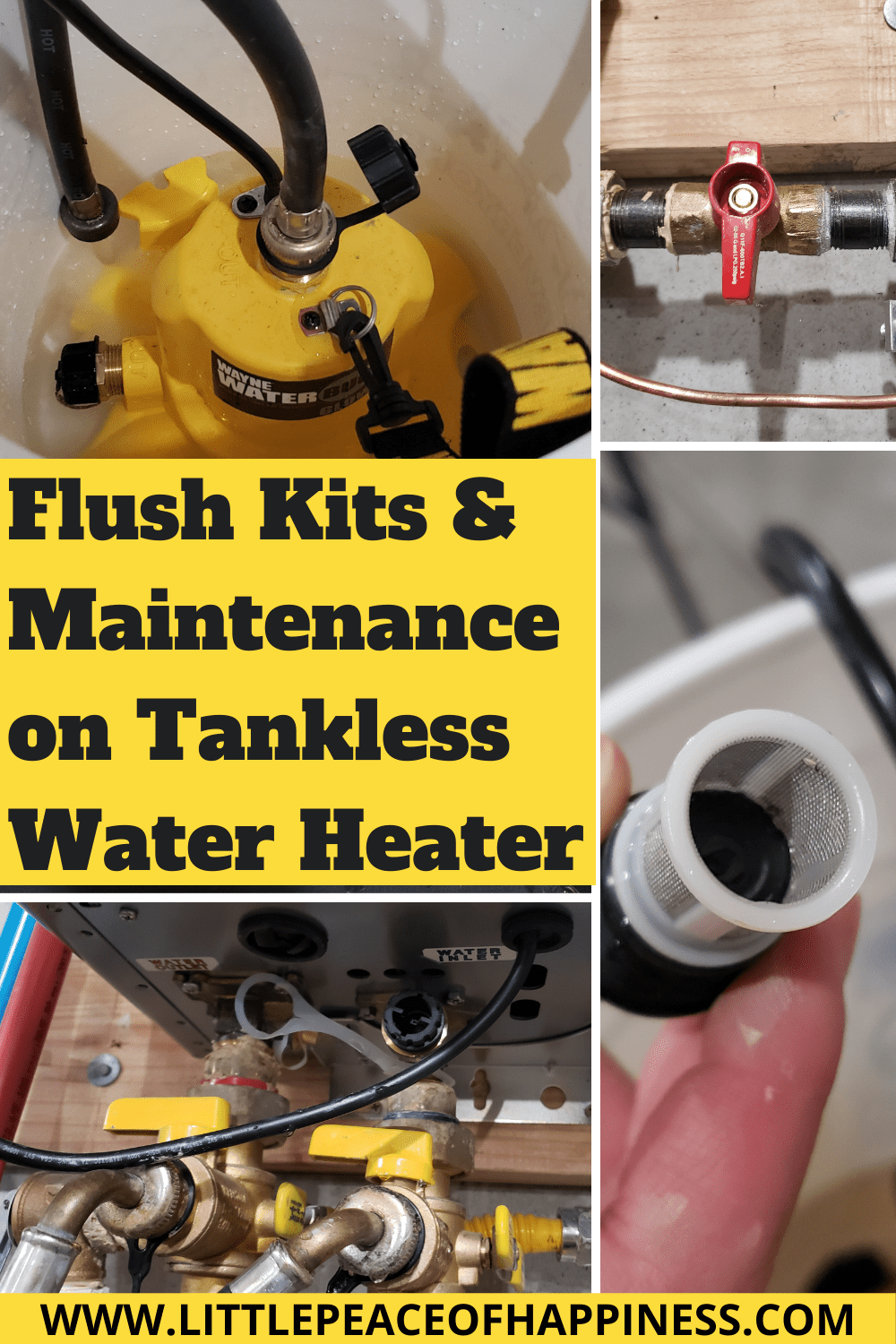
- Connect hoses to the heater’s service valves.
- Pump the descaler solution through the heater using a recirculation pump.
- Flush with clean water after the scale dissolves.
The acid in the descaler reacts with the mineral scale, converting it into a soluble form that rinses away. Most descaling sessions last 30 to 60 minutes.
Types Of Commercial Descalers
- Liquid descalers: Ready-to-use, often based on citric or sulfamic acid.
- Powdered descalers: Mix with water before use, sometimes more concentrated.
- Eco-friendly descalers: Use natural acids (like citric acid) and are biodegradable.
Some brands are made for specific heater models. Always check your manufacturer’s recommendations before choosing a product.
What Is Vinegar And How Is It Used For Descaling?
White vinegar (acetic acid) is a common household liquid. Many people use it to clean coffee makers, shower heads, and even for descaling water heaters. White vinegar is about 5% acetic acid and is safe for food, so it’s often seen as a “natural” cleaning solution.
How Vinegar Descaling Works
The process is almost the same as with a commercial descaler:
- Turn off power and water to the heater.
- Disconnect and isolate the unit.
- Attach hoses to the service valves.
- Recirculate vinegar (usually several gallons) through the heater with a pump.
- Flush with clean water after the process.
The acetic acid in vinegar reacts with calcium and magnesium scale, breaking it down so it can be rinsed away.
Why People Choose Vinegar
- Low cost: Vinegar is cheap and found in any grocery store.
- Non-toxic: Safe for food surfaces, so people worry less about chemical residue.
- Eco-friendly: Biodegradable and less harmful to the environment.
But there are also concerns. Vinegar is less acidic than most commercial descalers, which means it might not work as quickly or as thoroughly.
Key Differences Between Tankless Water Heater Descaler And Vinegar
These two cleaning methods may sound similar, but they have important differences. A clear comparison helps you choose the best option for your needs.
| Factor | Commercial Descaler | Vinegar |
|---|---|---|
| Active Ingredient | Citric or sulfamic acid (stronger acid) | Acetic acid (5% in white vinegar) |
| Cleaning Strength | High (designed for scale removal) | Moderate (may need longer time) |
| Time Needed | 30–60 minutes | 60–120 minutes |
| Cost | $15–$30 per cleaning | $4–$8 per cleaning |
| Odor | Mild chemical smell (depends on brand) | Strong vinegar smell |
| Environmental Impact | Varies—some are biodegradable | Biodegradable and food-safe |
| Warranty Approval | Usually approved by manufacturers | Sometimes not recommended |
Cleaning Power
Descalers are made to break down tough scale fast. Most contain acids that are 2–5 times stronger than vinegar. This means less time cleaning and better results, especially for thick or old scale.
Vinegar is weaker, so it may not remove heavy buildup. If your water heater hasn’t been cleaned in years, vinegar may only soften the outer layer. In some cases, you’ll need to run vinegar for up to 2 hours—and even then, some scale might stay behind.
Cost And Availability
Vinegar is much cheaper per use. For a small heater, you might spend just a few dollars. Descaler solutions cost more but usually get the job done faster. Over time, if you need more frequent cleanings with vinegar, the cost difference may shrink.
Impact On Equipment
Some manufacturers warn that vinegar, if left too long, can damage rubber seals or gaskets. This is rare but possible. Commercial descalers are usually tested for compatibility with tankless water heaters.
Warranty Concerns
Many water heater companies only recommend specific descaler brands. Using vinegar might void your warranty if the company says not to use it. Always check your manual before cleaning.
Step-by-step: How To Descale With Descaler Or Vinegar
If you want to clean your tankless water heater, here’s how to do it using either method. The steps are mostly the same, but a few small differences matter.
What You’ll Need
- Submersible pump (small utility pump)
- Two hoses (usually 3/4-inch, to fit service valves)
- Bucket (at least 5 gallons)
- Descaler solution or white vinegar (usually 2–4 gallons)
- Safety gloves and eye protection
Descaling Steps
- Turn off the power to the heater (electric breaker or gas supply).
- Close water supply valves to isolate the heater.
- Attach hoses to the inlet and outlet service valves.
- Place pump in bucket, connect hoses from pump to heater.
- Add descaler or vinegar to bucket.
- Start pump to circulate the cleaning fluid through the heater.
- With descaler: 30–60 minutes.
- With vinegar: 60–120 minutes.
- Flush the system with clean water for 10–15 minutes to remove any residue.
- Remove hoses and restore connections to the main water supply.
- Turn the power back on and test the system.
Tip: Always use gloves and eye protection. Both vinegar and descaler are acidic and can irritate skin and eyes.
What Beginners Often Miss
- Check for leaks during and after cleaning. Sometimes, scale removal exposes weak spots in old gaskets.
- Don’t skip the flush. Any leftover acid can damage the heater or affect your water taste.
- Write down the cleaning date. Create a regular schedule—don’t just clean “when you remember.”
Effectiveness: Which Method Removes More Scale?
Many homeowners believe vinegar works “just as well” as a commercial descaler. But studies and real-world tests show that’s not always true.
- Descaler solutions remove almost all scale in one session, even if the buildup is thick.
- Vinegar may only remove the top layers, especially if the scale has been forming for more than a year.
In one test, a heater with 1/8-inch thick scale was cleaned with both methods:
- Descaler removed 95% of scale in 45 minutes.
- Vinegar removed about 60% in 90 minutes.
If you have very hard water or have skipped several years of cleaning, a commercial descaler is often the only way to restore full performance.
Non-obvious insight: Some “bargain” descalers are just repackaged citric acid. Check the label and compare prices. Pure citric acid (food grade) is sometimes cheaper and just as effective as branded solutions.
Environmental And Health Considerations
People often worry about chemicals in their home and water. Here’s what you need to know about the impact of both methods.
Descaler Solutions
- Most modern descalers are biodegradable and safe for home plumbing.
- Some older or industrial products contain strong acids not meant for home use—avoid these.
- Always follow disposal instructions. Never pour used solution into streams or storm drains.
Vinegar
- 100% biodegradable and food-safe.
- Safe to pour down household drains.
- Leaves a strong odor, which can last for hours if not flushed well.
Pro tip: Even with vinegar, always flush the heater and pipes with fresh water. Some people notice a sour taste or smell in the tap water after cleaning if they don’t flush long enough.
Cost Comparison: Descaler Vs Vinegar
Let’s break down the costs for a standard cleaning.
| Item | Descaler | Vinegar |
|---|---|---|
| Cleaning solution (per use) | $15–$30 | $4–$8 |
| Pump & hoses (one-time) | $60–$100 | $60–$100 |
| Cleaning time | 30–60 minutes | 60–120 minutes |
| Total annual cost (2 cleanings) | $30–$60 | $8–$16 |
At first glance, vinegar looks much cheaper. But if you need to clean more often, or if it doesn’t remove all the scale, the savings may disappear.
Safety And Practical Tips
Cleaning a tankless water heater is safe if you follow a few simple rules. Here’s what many beginners overlook:
- Always turn off power and gas. This prevents accidents and damage.
- Ventilate the area. Both vinegar and descaler can create strong fumes.
- Wear gloves and eye protection. Acidic solutions can irritate skin and eyes.
- Don’t mix chemicals. Never use two cleaning agents at once.
- Flush thoroughly. This protects your plumbing and drinking water.
Non-obvious insight: Sometimes, scale breaks off in large chunks. If you hear rattling or see a drop in water flow after descaling, you may need to remove and clean the heater filter.
Manufacturer Recommendations And Warranty Issues
Before cleaning, always check your heater’s manual. Here’s why:
- Some brands require specific descalers to keep the warranty valid.
- Using vinegar or the wrong chemical may void coverage.
- If you hire a plumber, ask what solution they use—get it in writing if warranty matters.
For example, Navien and Rinnai (two leading brands) recommend only citric acid-based descalers. They warn against vinegar for long-term use, as it can damage rubber seals.

Credit: thornhillmedical.com
Long-term Results: What To Expect
If you descale regularly, your tankless water heater will:
- Run more efficiently
- Last longer (often 15+ years)
- Deliver faster hot water
- Use less energy
Neglecting descaling can mean:
- Shorter heater life
- More repairs
- Possible leaks
- Voided warranty
Some people think, “My water still gets hot—why clean it? ” But scale builds up quietly, and most problems appear suddenly, often after the warranty is over.
How Often Should You Descale?
- Moderate to hard water: Every 12 months (sometimes every 6 months in very hard water areas)
- Soft water or whole-house filter: Every 18–24 months
Tip: If you notice hot water taking longer, strange noises, or reduced flow, it’s time to clean—even if you’re not due for another cycle.

Credit: www.amazon.com
Can You Prevent Scale With Filters Or Conditioners?
Yes—water softeners and scale-prevention filters can help. Softening systems remove calcium and magnesium before water enters your heater. Some filters use magnets or polyphosphates to reduce scaling.
These systems cost more upfront but can double the life of your heater. Still, even with a filter, some minor scale can form, so occasional descaling is wise.
Which Method Is Right For You?
Choosing between a descaler and vinegar depends on several factors:
- How much scale is present? For heavy buildup, a commercial descaler is more effective.
- Warranty status: If your heater is under warranty, use the product recommended by the manufacturer.
- Environmental concerns: Vinegar is safest for the environment, but modern descalers are also eco-friendly.
- Time and effort: Descalers work faster; vinegar requires patience and more flushing.
- Budget: Vinegar costs less per cleaning, but may need more frequent use.
Experienced homeowners often use vinegar for light, regular cleaning, and switch to a descaler for deep or overdue cleanings.
Common Mistakes To Avoid
- Skipping descaling for years—this leads to expensive repairs.
- Not flushing after cleaning—leaves acid in your pipes.
- Using the wrong chemical—can damage your heater or void the warranty.
- Forgetting safety gear—acid burns and fumes are real risks.
- Assuming all descalers are the same—check ingredients and reviews.
Real-world Example: Descaler Vs Vinegar In Action
Let’s look at two homeowners:
- Case 1: Sarah uses vinegar to descale her heater every 12 months. She has soft water and only minor scale forms. Her system runs well, and she spends about $10 a year.
- Case 2: Mike forgets to descale for 3 years. He tries vinegar, but the flow is still slow and water isn’t as hot. He switches to a commercial descaler, which clears most of the scale. He now plans to use descaler every year.
Lesson: Regular maintenance with either method is better than doing nothing. For heavy buildup, only a strong descaler will fully restore the heater.
Is There A “natural” Descaler That’s Better Than Vinegar?
Some companies sell “natural” descalers based on citric acid. These are often stronger than vinegar but still biodegradable and safe for home use. Citric acid powder (food grade) can be bought online and mixed with water for a custom solution.
Example ratio: Mix 1 pound of citric acid powder with 4 gallons of water. This offers stronger cleaning than vinegar and is still eco-friendly.
Always check compatibility with your heater before trying homemade blends.
Quick Reference: Pros And Cons
Here’s a summary of the main advantages and disadvantages.
| Method | Pros | Cons |
|---|---|---|
| Commercial Descaler | – Fast and powerful – Removes heavy scale – Often approved for warranties – Low odor (usually) | – More expensive – Some products less eco-friendly – Requires careful handling |
| Vinegar | – Cheap – Non-toxic and biodegradable – Easy to find | – Weaker cleaning – Strong odor – May not be warranty-approved |
When To Call A Professional
Some situations call for expert help:
- You see leaks after cleaning
- Heater is still under warranty
- Scale buildup is extreme
- You’re not comfortable handling chemicals
A professional plumber can descale the unit, check for damage, and advise on future maintenance. The cost is higher (usually $100–$200 per visit), but it protects your investment.
Further Resources
For more on water hardness and treatment, see the United States Geological Survey’s guide to hard water.
Credit: www.laborkreis.de
Frequently Asked Questions
How Do I Know If My Tankless Water Heater Needs Descaling?
Common signs include reduced hot water flow, strange noises (like popping or rumbling), longer wait times for hot water, and higher energy bills. If you notice any of these, it’s time to check for scale.
Can I Use Apple Cider Vinegar Instead Of White Vinegar?
White vinegar is best because it is pure and clear. Apple cider vinegar works but can leave sticky residues and a stronger smell. It’s not recommended for plumbing.
Will Descaling With Vinegar Harm My Pipes?
No, vinegar is safe for most pipes when used as directed. However, don’t leave it in your system for more than 2 hours. Always flush well after cleaning.
What Happens If I Never Descale My Tankless Water Heater?
Scale will build up, lowering efficiency, causing higher bills, possible leaks, and even heater failure. Skipping descaling can also void your warranty.
Can I Mix Vinegar And Commercial Descaler For Better Cleaning?
Never mix acids. Combining different cleaning agents can create harmful fumes or damage your heater. Use only one solution per cleaning session.
Keeping your tankless water heater clean is simple once you know the facts. Choose the right descaling method for your needs, and you’ll enjoy reliable hot water, lower bills, and peace of mind for years to come.