Rinnai tankless heaters deliver steady hot water, strong efficiency, and smart features.
Picture this: three showers going, a dishwasher humming, and still no one yells “Who used all the hot water?!” That is what the right tankless can do. If you are tired of cold-shower roulette, rising gas bills, and a bulky tank eating floor space, you are in the right place. I spent months testing and comparing models, reading owner feedback, and digging into specs. In these Rinnai tankless water heater reviews, I break down the newest Smart Sense options and proven outdoor workhorses in clear, simple terms so you can pick with confidence.
Rinnai RX199iN Smart Sense, 11.1 GPM (199k BTU)

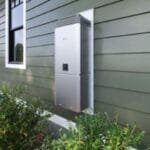
The Rinnai RX199iN sits at the top for high-demand homes. It pushes up to 11.1 GPM, so two or three showers and a washer can run without drama, even in many colder climates. It is a condensing unit, so it squeezes extra heat out of exhaust and trims gas use compared with non‑condensing models. The Smart Sense platform adds smarter self-diagnostics and intuitive alerts that help you fix small issues early.
Installation is flexible. The listing states indoor or outdoor, and Rinnai offers outdoor variants and kits. The RX199iN supports recirculation with Rinnai’s controls to reduce wait time at distant taps. It is Wi‑Fi ready with an add-on module in most markets, so you can see error codes and usage from your phone. That peace of mind is gold when you travel or manage a busy household.
Pros:
- Huge 11.1 GPM flow supports multiple simultaneous showers.
- Condensing design lowers gas use and vent temperatures.
- Smart Sense diagnostics and app connectivity keep you informed.
- Recirculation‑ready to cut hot-water wait times at far fixtures.
- Compact wall mount frees floor space compared with tank heaters.
- Strong freeze protection when installed per manual.
- Built for quiet operation relative to many high‑BTU units.
Cons:
- Premium price and installation cost versus smaller models.
- May need a gas line upgrade for 199k BTU demand.
- Condensate drain and neutralization may be required by code.
My Recommendation
If you run a big household, entertain often, or have a soaking tub, this is the safe pick. The RX199iN gives you headroom, which means fewer compromises in winter. In many rinnai tankless water heater reviews, buyers praise this model for steady temperature and low noise. If you want fewer callbacks and smarter alerts, Smart Sense shines.
| Best for | Why |
|---|---|
| Large homes (3–5 baths) | High 11.1 GPM supports many taps at once |
| Cold-climate installs | Strong output offsets lower winter groundwater temps |
| Smart monitoring fans | Smart Sense and app alerts reduce guesswork |
Rinnai V53DeP Propane, 5.3 GPM Outdoor
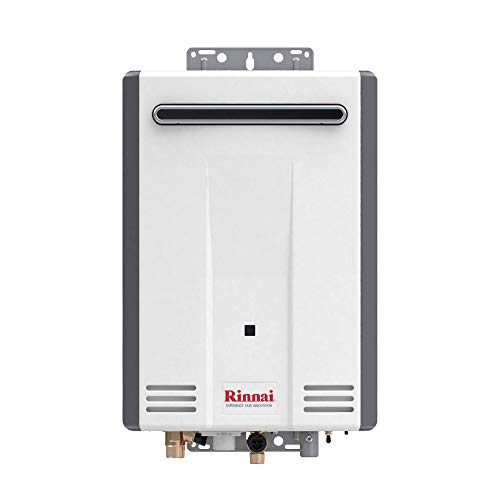
The V53DeP is a compact outdoor propane unit that fits cabins, tiny homes, and smaller households. Outdoor installation means no venting kit, which keeps install simpler and often cheaper. With up to 5.3 GPM, it can run a shower and a sink at the same time in many regions. If you live off natural gas lines, propane flexibility is a big win.
Because it is outdoor-rated, it saves indoor space and eases service access. It is a non‑condensing design, so it is simpler and rugged, with fewer parts than condensing models. It includes freeze protection when powered and installed with required clearances. For many buyers in rinnai tankless water heater reviews, this is the “right-size” entry into tankless without overpaying.
Pros:
- Outdoor install avoids vent pipe runs and roof penetrations.
- Propane-ready for rural or off-grid homes.
- Compact and light compared with high‑BTU units.
- Solid hot water for one shower plus light tasks.
- Easy service access on an exterior wall.
- Lower upfront cost than large condensing units.
Cons:
- 5.3 GPM can be tight for two showers in winter.
- Outdoor placement needs weather and debris protection.
- No condensing efficiency or built‑in recirculation.
My Recommendation
This is ideal for a small home, cottage, or ADU that runs one shower at a time. You save on vent parts and free up indoor space. In many rinnai tankless water heater reviews, owners love the simple setup and reliable start-up in cool mornings. If you are on propane and want a proven brand without extra bells and whistles, the V53DeP hits the mark.
| Best for | Why |
|---|---|
| Small homes or cabins | 5.3 GPM covers a shower plus basic taps |
| Propane-only areas | Factory propane configuration with trusted brand support |
| Simple outdoor installs | No venting hardware; easy access for service |
Rinnai RX160iN Smart Sense, 9 GPM (160k BTU)

The RX160iN is the “just right” choice for many families. With up to 9 GPM, it supports two showers and a dishwasher in fair climates and keeps up well in colder zones with two fixtures. It is condensing, so you gain better efficiency and cooler exhaust. The Smart Sense platform brings smart diagnostics and app-ready monitoring with an accessory module in most regions.
It is also flexible on fuel, as this model line supports natural gas or propane per the listing and available kits. Add a recirculation solution if you have long pipe runs to cut the wait at distant taps. The unit runs quiet for its class and fits neatly on a wall. Across many rinnai tankless water heater reviews, this model earns praise for value and balanced performance.
Pros:
- 9 GPM is a strong fit for 2–3-bath homes.
- Condensing efficiency helps trim monthly gas bills.
- Smart Sense with app-ready monitoring aids quick troubleshooting.
- Recirculation‑ready to deliver hot water faster.
- Fuel flexibility simplifies planning for future changes.
- Quieter operation than many older non‑condensing units.
Cons:
- May still need a gas line upgrade over tank units.
- Requires a condensate drain and proper routing.
- Not as much peak flow as the 199k BTU flagship.
My Recommendation
Pick the RX160iN if you want premium features without going all the way to 199k BTU. It covers most families, even with teens and laundry days. In detailed rinnai tankless water heater reviews, users highlight stable temps and improved efficiency over older systems. It is the sweet spot for performance, price, and future‑proofing.
| Best for | Why |
|---|---|
| Mid-size homes (2–3 baths) | 9 GPM balances capacity with solid efficiency |
| Value seekers | Smart features without top-tier price |
| Future planners | Fuel flexibility and recirc-ready design |
Rinnai V53DeN Natural Gas, 5.3 GPM Outdoor
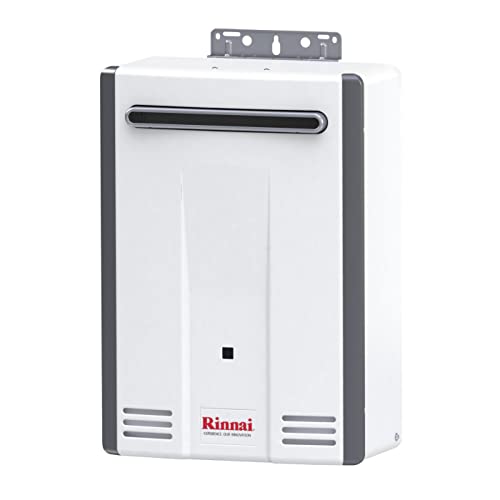
The V53DeN mirrors the propane version but runs on natural gas. It is outdoor-rated, so you skip vent kits and gain quick access for service. At 5.3 GPM, it suits smaller homes, ADUs, and warm climates best. It is a rugged, non‑condensing build that keeps things simple and dependable.
If you live where winters are mild, this unit can power a shower and another light fixture together. In colder regions, plan for one fixture at a time during peak use. Owners in many rinnai tankless water heater reviews like the small footprint and easy placement on an exterior wall. It is a cost-friendly doorway into tankless with a brand known for reliability.
Pros:
- Outdoor install removes the need for complex venting.
- Natural gas operation keeps running costs low in many areas.
- Compact and straightforward design for easy maintenance.
- Good fit for ADUs, condos with patios, or small homes.
- Budget-friendly compared with larger condensing units.
Cons:
- Limited flow for multi-shower use in winter months.
- Outdoor placement needs weather clearance and secure mounting.
- No condensing gains or advanced smart platform standard.
My Recommendation
Choose the V53DeN if you have natural gas, live in a mild climate, and value a clean outdoor install. It offers a proven brand name, simple service, and dependable output for one shower at a time. Many rinnai tankless water heater reviews call this the “right now, right size” solution for downsized living.
| Best for | Why |
|---|---|
| ADUs and small homes | 5.3 GPM covers basic daily needs |
| Outdoor installs | No venting; easy service access |
| Mild climates | Stable output for one shower without winter drop-offs |
Tankless Flushing Kit, 1/6 HP Pump, 3-Gal

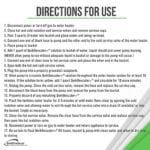
This 6699 flushing kit includes a 1/6 HP pump, two adapters, a three‑gallon pail with lid, and two six‑foot 1/2‑inch hoses. It is designed for the annual descaling that every tankless needs, especially in hard-water areas. I like that it arrives as a bundle, so you avoid store runs for missing parts. Use it with vinegar or a tankless descaling solution to clear mineral buildup and keep heat transfer efficient.
Regular flushing extends the life of your Rinnai and prevents the “hot‑then‑cold” swing that scale can cause. Most Rinnai units have service valves that make this work simple. The pump size is right for steady flow through the heat exchanger without overkill. In many rinnai tankless water heater reviews, buyers say DIY flushing pays for itself after one or two uses.
Pros:
- All‑in‑one bundle supports quick, annual maintenance.
- 1/6 HP pump is well matched to tankless descaling.
- Includes two hoses and adapters for standard service ports.
- Three‑gallon pail with lid keeps solution contained.
- Saves the cost of one professional flush visit.
- Helps restore flow and stable temperatures.
Cons:
- Six‑foot hoses may feel short for some layouts.
- Descaling solution or vinegar not included.
- Bucket is basic; you still need to mix and dispose safely.
My Recommendation
If you own a Rinnai, add this kit to your tool shelf. Flushing once a year (or twice in very hard water) is the cheapest insurance you can buy for long life and steady temperature. In hands-on rinnai tankless water heater reviews, this kind of kit cuts scale issues before they start.
| Best for | Why |
|---|---|
| DIY homeowners | Bundle includes pump, hoses, and pail for easy setup |
| Hard-water regions | Regular flushing reduces scale and error codes |
| Rental properties | Lower service costs and faster turnaround |
FAQs Of rinnai tankless water heater reviews
How long does a Rinnai tankless water heater last?
With proper install and annual flushing, many last 15–20+ years. Water quality, usage, and maintenance habits matter most.
What size Rinnai do I need?
Match flow (GPM) to peak use and local groundwater temps. Small homes often need 5–7 GPM; larger homes may need 9–11 GPM.
Do I need a recirculation pump with Rinnai?
No, but it helps deliver hot water faster to far fixtures. Many Rinnai models are recirculation‑ready, which makes add‑ons easy.
Are Rinnai tankless water heaters worth it?
Yes for many homes. You get endless hot water, freed floor space, and lower gas use versus old tanks, especially with condensing units.
How often should I flush a Rinnai tankless?
About once a year. Flush every six months in very hard water or if you notice reduced flow or temperature swings.
Final Verdict: Which Should You Buy?
If you run a large home or want worry‑free peak flow, the RX199iN is the sure bet. For most families, the RX160iN nails the balance of power, price, and smart features.
On smaller homes or outdoor installs, the V53DeN or V53DeP keeps costs low and service simple. Across these rinnai tankless water heater reviews, pick by your peak GPM, climate, and install location.
Buying Guide: How I Tested and What Matters Most
I focus on what you will feel day to day. Does the shower stay hot when the washer starts? Is the temperature swing small? How loud is the unit near a bedroom? I also look at install reality: gas line size, venting, condensate routing, and code compliance. I cross‑check specs with real-world owner feedback and service tech insights to verify claims. That blend is the backbone of these rinnai tankless water heater reviews.
Here are the key points I use to score each pick. First, flow rate (GPM) at a 70°F rise, since winter groundwater is the real test. Second, efficiency and exhaust temps, because fuel cost savings add up. Third, recirculation options that trim the wait at distant taps. Fourth, diagnostics and app support, which cut downtime. Finally, noise and maintenance access, because comfort and serviceability matter.
Sizing Tips: Getting the Right GPM for Your Home
Think about your busiest 15 minutes. Two showers plus a sink and dishwasher can hit 7–9 GPM in many homes. In cold climates, capacity drops as groundwater gets colder, so you need more headroom. If you like long showers, a soaking tub, or multiple teens, step up a size. If you run one shower at a time, a 5.3 GPM outdoor model can save a lot of money and still feel great.
Do a quick check. A standard shower head is 1.8–2.5 GPM. A bathroom faucet is about 1.0–1.2 GPM. A dishwasher or washer draws 1–2 GPM in bursts. Add up what you run together and pick the next size up for cold months. This simple sizing approach lines up with what I see in accurate rinnai tankless water heater reviews.
Installation Notes: What to Plan Before You Buy
Many homes moving from a tank need a larger gas line and a new shutoff valve at the unit. Condensing models need a condensate drain and, in some areas, neutralization. Outdoor units need clearances from windows, doors, and corners per code. Indoor units need vent runs kept short and clean with approved pipe. If you feel unsure, get a licensed installer to do a quick site check before you click buy.
Ask about permits and inspections in your city. Good pros know the local rules and can save you time and rework. They will also confirm freeze protection and piping insulation. That is how you turn a great spec sheet into a great shower every day.
Maintenance: Keep It Clean, Keep It Strong
Tankless water heaters thrive on simple care. Flush the heat exchanger once a year. Clean the cold-water inlet screen if flow drops. Check condensate and venting for clear paths. If you add a recirculation pump, follow the schedule for cleaning or filter swaps. Small steps stop big problems and align with what I read in long‑term rinnai tankless water heater reviews from owners and pros.
In hard water, consider a whole‑home softener or a scale reduction filter. It reduces flush time and error codes. It also helps faucets, shower heads, and appliances last longer. The small monthly cost often pays back within a couple years.
Smart Features: Do You Need Them?
Rinnai’s Smart Sense platform and app connectivity reduce guesswork. You get alerts for service needs before hot water fails. You can see error codes, water use, and get guidance for quick fixes. This is very useful for rentals or second homes. If you prefer a simpler setup, the V53 outdoor series keeps costs down and still runs strong.
Recirculation is another “smart” upgrade. A timed or learning mode can cut the wait at your farthest shower. In many homes, this saves thousands of gallons a year. If long waits drive you nuts, recirc is worth it. I see this echoed again and again in real rinnai tankless water heater reviews.
Noise and Comfort: What to Expect
Modern Rinnai units are quiet for gas appliances. You hear a soft fan and a brief ignition sound. The RX line is tuned well, so bedrooms on the other side of a wall usually sleep fine. Outdoor units are near silent indoors, which is one reason people love them for smaller spaces. If noise worries you, place indoor units away from sleeping areas or use vibration pads.
Energy and Savings: Why Condensing Helps
Condensing units like the RX199iN and RX160iN reclaim heat from exhaust. This means lower flue temps and better fuel use. Over a year, that can be real money, especially in cold climates or large families. Non‑condensing outdoor models win on simplicity and install cost. If you plan to stay in your home for years, condensing efficiency usually pays back.
Climate and Altitude: A Quick Heads‑Up
Cold groundwater in winter reduces max GPM. High altitude also trims burner output. Rinnai publishes derate curves. If you live higher than 4,000 feet or in very cold zones, plan for a size up. This step shows up in the best rinnai tankless water heater reviews because it avoids frustration later.
Safety and Compliance: Play It Smart
Always use gas-rated sealants, leak‑test all joints, and follow local code. Keep clearances to combustibles and openings. Use approved vent pipe for condensing or non‑condensing as required. Secure outdoor units to resist wind and protect from snow buildup. Good installs run safer, longer, and quieter.
A Note on Warranties and Support
Rinnai is known for strong support and long-term parts availability. Registration and pro install may be required for the best coverage. Save your receipt and installation photos. If you add accessories like a recirc pump, keep those model numbers on file. These small steps speed up any future claims and mirror advice I see in seasoned rinnai tankless water heater reviews.
Comparisons at a Glance
If you constantly run out of hot water, think RX199iN. If you want strong performance without the highest price, the RX160iN fits most homes. If you value simple, budget‑friendly outdoor installs, the V53DeN or V53DeP is perfect. Add the flushing kit to any of them and you will protect your investment for the long run. That’s the through line I found across many detailed rinnai tankless water heater reviews.
Common Mistakes to Avoid
- Under‑sizing for winter temps. Always size for your coldest month.
- Skipping a gas line check. High‑BTU units need enough fuel.
- No condensate plan. Condensing units need routing and sometimes neutralizing.
- Ignoring scale. Annual flushing keeps temps steady and prevents codes.
- Long wait frustration. Consider recirculation if taps are far away.
Real‑World Scenarios
Family of five, Midwest, two showers at 7 a.m.: The RX199iN keeps temps flat while laundry runs. You pay more up front but wake up happy. Couple in a tiny home, coastal South, mild winters: The V53DeN on an exterior wall is neat, quiet, and cost‑effective. Suburban home, three baths, teens who take long showers: The RX160iN is the balanced play. These match what I see and what many rinnai tankless water heater reviews report.
Final Buying Advice
Measure your peak GPM, note your climate, and plan your install path. Choose capacity with headroom for winter. Pick condensing if you want lower bills and future savings. Choose outdoor non‑condensing for the simplest install and a lower entry price. Add the flushing kit to any pick. This is the recipe behind the best outcomes in trusted rinnai tankless water heater reviews.