Have you ever noticed a strange humming sound coming from your propane tank and wondered what it means? You’re not alone.
Many propane tank owners experience this puzzling noise, and it’s important to understand why it happens. Ignoring it could lead to bigger issues down the road. Whether you’re new to using propane or have been relying on it for years, knowing why your tank hums can save you time, money, and stress.
Stay with us as we unravel the mystery behind the humming noise and discover easy solutions to keep your tank running smoothly. Your peace of mind and safety might just depend on it.
Credit: mygrillparts.com
Common Causes Of Humming Noise
A humming noise from your propane tank can be both perplexing and concerning. If you’ve ever wondered why this happens, you’re not alone. Understanding the common causes behind this sound can not only help ease your worries but also guide you in finding solutions. Let’s delve into the typical reasons your propane tank might be producing that mysterious hum.
Pressure Imbalance
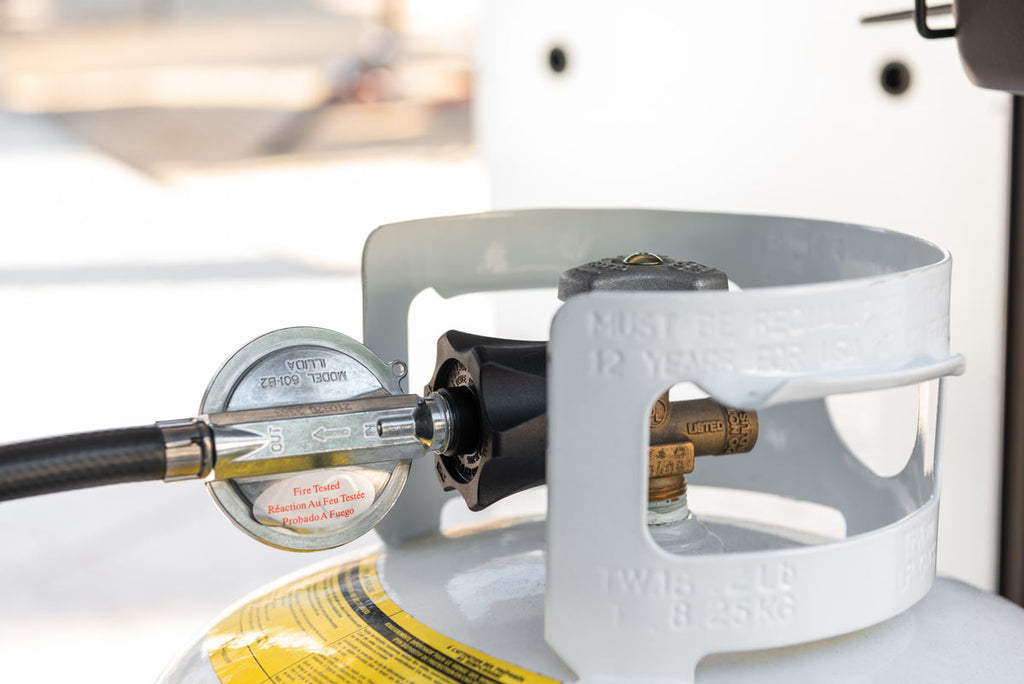
Pressure imbalance is a frequent culprit behind the humming noise in propane tanks. Imagine pouring water through a funnel too quickly; it can create a turbulent flow. Similarly, when the pressure within your tank and the connected appliances isn’t balanced, it may cause vibrations or a humming sound. This usually occurs when the regulator isn’t adjusting the pressure correctly.
To address this, ensure your regulator is functioning properly. Regular maintenance can prevent pressure issues. If you’re unsure about handling this, consulting a professional might be the safest route.
Valve Issues
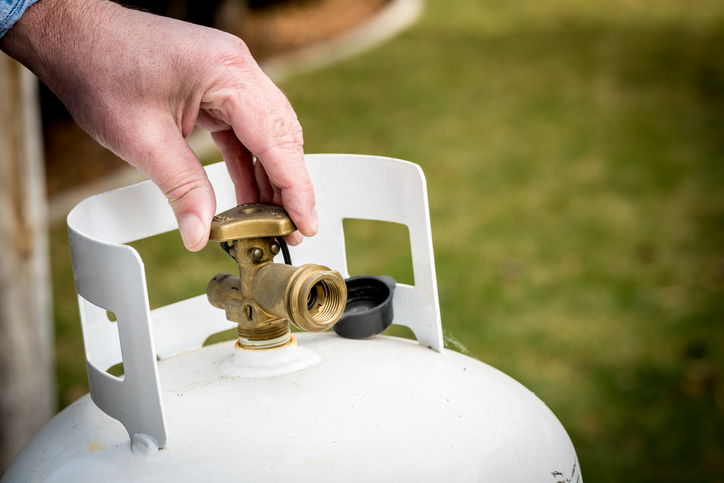
Valve issues might be the reason your tank hums. Valves regulate the flow of propane, and if they are damaged or not fully open, it can lead to a humming sound. Picture a garden hose; if the valve isn’t open enough, water struggles to pass through smoothly, causing noise.
If you suspect valve problems, check for visible damage or debris blocking the valve. Keeping valves clean and fully operational can often eliminate unwanted noise.
Gas Flow Restrictions
Gas flow restrictions can also cause humming noises. When there’s an obstruction in the gas line, the propane struggles to pass through, leading to vibrations. This is akin to trying to breathe through a straw; the restricted flow creates turbulence.
Inspect your gas lines for blockages or kinks. Addressing these restrictions can smooth out the flow and reduce or eliminate the humming noise. Regular inspection can help catch these issues early.
Have you ever had a humming tank and discovered a simple solution? Your experiences can offer valuable insights to others facing the same issue. Don’t hesitate to share your tips and tricks!
Identifying The Source Of The Noise
Hearing a humming noise from a propane tank can be unsettling. Understanding the source of this sound is essential for safety. The noise might signal a minor issue or something more serious. Identifying the exact cause helps in addressing it effectively.
Listening Techniques
Start by listening closely to the tank. Choose a quiet time to focus on the sound. Use your ears to pinpoint where the noise originates. Is it from the valve or the regulator? These areas often produce humming. Listen for changes in pitch or frequency. This can indicate pressure issues or loose components.
Visual Inspection Tips
After listening, examine the tank visually. Look at the connections and fittings. Check for signs of wear, rust, or damage. A visual inspection can reveal loose parts or leaks. Confirm the regulator is securely attached. A loose regulator can cause humming. Check the valve for any visible obstructions. Ensure all parts are clean and in good condition.
Safety Concerns And Precautions
Propane tanks often make a humming noise. This sound can cause concern. Understanding the safety concerns and precautions is essential. A humming noise may signal a problem. It can be minor or dangerous. Knowing the risks and how to prevent them is crucial for safety.
Potential Hazards
A propane tank humming noise might indicate pressure issues. High pressure can lead to leaks. Leaks are dangerous. They can cause fires or explosions. This noise could also mean a valve problem. Valves control gas flow. If faulty, they may cause gas to escape. Escaping gas is a fire hazard.
Preventive Measures
Regular inspections can prevent propane tank issues. Check the tank and valves often. Look for signs of wear or damage. Ensure connections are tight. Loose connections can cause leaks. Install a pressure regulator. It helps maintain safe pressure levels. Keep the tank in a ventilated area. Proper ventilation reduces fire risks.
Use soapy water to check for leaks. Apply it to connections. Bubbles mean a leak is present. If you suspect a problem, contact a professional. They can assess and fix any issues safely. Safety is the priority.

Credit: www.reddit.com
Effective Solutions For Noise Reduction
Propane tanks can sometimes make a humming noise. This often happens due to pressure issues or loose components. Regular maintenance and checking for leaks can help reduce this noise effectively.
Experiencing a humming noise from your propane tank can be unsettling. You might wonder if it’s a sign of a bigger issue or just a minor inconvenience. The good news is there are effective solutions to address and reduce this noise, ensuring your propane system runs smoothly. Let’s dive into some practical steps you can take to tackle this issue.
Adjusting Pressure Settings
Start by checking the pressure settings of your propane system. High pressure can lead to vibrations, which may cause the humming sound. You can adjust the regulator to ensure the pressure is set correctly. Once, my neighbor faced a similar issue. After adjusting the pressure settings, the humming noise vanished, leaving him relieved and stress-free. Are you ready to experience the same peace of mind?
Maintaining Valves
Regular maintenance of valves is essential. Valves can wear out or become loose, contributing to noise. Inspecting and tightening them can help in reducing the humming. I remember the time I was hosting a barbecue. Mid-party, the propane tank started humming. A quick check revealed a loose valve, and tightening it saved the day. Have you checked your valves recently?
Clearing Blockages
Blockages in the propane line can also be a culprit. Debris or dirt can obstruct the flow, causing vibrations. Make sure to clear any blockages to maintain a smooth flow. Imagine the tranquility of a silent propane tank after removing a minor blockage. It’s a small effort with a big payoff. What’s stopping you from inspecting your propane line today? Implementing these solutions can significantly reduce the humming noise from your propane tank. With a bit of attention and care, you can ensure a quieter and more efficient propane system. What step will you take next to enjoy a noise-free environment?
When To Seek Professional Help
A propane tank making a humming noise can be unsettling. Sometimes, the issue may be simple. At times, it requires expert intervention. Knowing when to contact a professional is crucial. It ensures safety and proper functioning. Ignoring certain signs might lead to bigger problems. Let’s explore when to call an expert.
Signs Of Serious Issues
Unusual Smells:A strong gas odor could signal a leak. This requires immediate attention.
Persistent Humming:If the noise continues, it might indicate a regulator problem. This could affect gas flow.
Frost on the Tank:Frost buildup may suggest a leak or overfilling. Both are serious concerns.
Fluctuating Flame:An unstable flame in appliances can hint at pressure issues. This needs a professional check.
Choosing A Qualified Technician
Check Credentials:Ensure the technician is certified. This guarantees they understand safety standards.
Seek Recommendations:Ask friends or family for trusted professionals. Personal experiences help in decision-making.
Read Reviews:Online reviews can provide insights into a technician’s reliability. Look for consistent positive feedback.
Inquire about Experience:A technician with years of experience is preferable. They can handle various issues effectively.
Credit: metropha.com
Preventive Maintenance Tips
Propane tanks often make humming noises, which can be concerning. Regular maintenance helps prevent these unwanted sounds. Following simple tips ensures your propane tank stays in optimal condition. This not only extends its lifespan but also promotes safety.
Regular Inspections
Inspect your propane tank monthly. Look for signs of wear, rust, or leaks. Check all connections and fittings. Make sure everything is tight and secure. A small problem can become a big issue if ignored. Regular checks help catch these early.
Proper Storage Practices
Store propane tanks in a well-ventilated area. Keep them away from heat sources and direct sunlight. This reduces pressure buildup inside the tank. Always place tanks on a flat, stable surface. Avoid storing them in closed spaces like basements or garages.
Frequently Asked Questions
Why Is My Propane Tank Humming?
A humming noise often indicates pressure imbalance. It could be due to high gas flow or a faulty regulator.
Is A Humming Propane Tank Dangerous?
Usually not. But if the noise persists, check for leaks or faulty parts. Safety first.
How Do I Stop The Humming Noise?
Check for blockages or faulty regulators. Adjust the gas flow. Regular maintenance helps.
Can Cold Weather Affect Propane Tank Noise?
Yes, cold weather can cause pressure changes. It might lead to humming sounds. Keep your tank warm.
Should I Call A Professional For Propane Tank Humming?
If unsure or if the noise persists, call a professional. They can ensure safety and proper function.
Conclusion
A humming propane tank signals a need for immediate attention. Ignoring it could lead to safety risks. Always check connections and fittings for leaks. Listen closely to the tank’s sound. Any unusual noise needs a professional’s help. Regular inspections are crucial for safety.
A peaceful propane tank is a happy one. Stay alert, and ensure your tank operates smoothly. Simple maintenance avoids bigger problems later. Keep your tank in top condition. Safety should always come first with propane use. Trust your instincts if something feels off.
Contact experts for any concerns you might have.