
Picture this: a serene patio in your backyard, a perfect spot for morning coffee or evening gatherings. But before you lay the first paver, there’s a critical choice to make—what should you use as the base?
The battle between paver base panels and traditional gravel is a decision many homeowners face. You might be wondering, which one is best for your patio project? Choosing the right foundation isn’t just about looks; it’s about durability, cost, and ease of installation.
Imagine the frustration of seeing your beautifully laid patio become uneven over time. Or the satisfaction of knowing your patio will stand the test of time, with minimal maintenance. You want to make the right choice, and understanding the differences between paver base panels and gravel could save you time, money, and effort. As you read on, you’ll discover key insights that will empower you to make the best decision for your outdoor space.
Paver Base Panel Overview
Paver base panels are gaining popularity as a modern alternative to traditional gravel bases for patios. Their streamlined design and efficiency make them a practical choice for many homeowners. But what exactly are paver base panels, and how do they compare to gravel? Let’s delve into their material composition, installation process, and durability factors.
Material Composition
Paver base panels are typically made from high-density polypropylene or similar materials. These panels often feature a grid structure that evenly distributes weight, preventing shifts and settling over time.
Unlike gravel, which can be displaced by water or foot traffic, the solid design of paver base panels ensures stability. This composition also means they are lightweight, making them easy to handle during installation.
Have you ever had a gravel patio that constantly needed leveling? Paver base panels might be the solution you’ve been seeking.
Installation Process
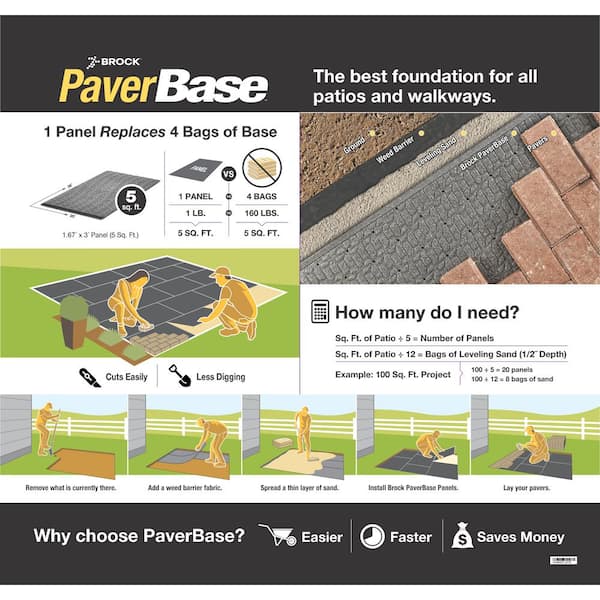
Installing paver base panels can be a simpler, cleaner process than working with gravel. You start with a level surface, often compacted soil, and lay the panels directly on top.
Once the panels are in place, you add your pavers directly on top, without the mess of spreading gravel. This eliminates the need for wheelbarrows and shovels, saving you time and effort.
Imagine transforming your patio in a single afternoon without breaking a sweat. That’s the promise of paver base panels.
Durability Factors
When considering durability, paver base panels offer several advantages. Their interlocking design minimizes movement, reducing the risk of uneven surfaces over time.
These panels are resistant to weather-related erosion, unlike gravel, which can wash away or compact unevenly. They also support heavy loads, making them ideal for areas with furniture or foot traffic.
Are you tired of constantly patching up your gravel patio after every storm? With paver base panels, you can enjoy a stable patio year-round.
Gravel Base Overview
Choosing the right base for a patio is crucial. Gravel is a popular choice due to its affordability and availability. It offers a sturdy foundation, ensuring your patio remains stable. Understanding different types of gravel can help in making an informed decision.
Types Of Gravel
Gravel comes in various types, each with unique benefits. Pea gravel is small and rounded, perfect for smooth surfaces. Crushed stone, with sharp edges, provides better grip. Decomposed granite is fine and compact, offering a solid base. Each type affects the patio’s look and feel.
Installation Process
Installing a gravel base involves several steps. First, mark the patio area. Then, dig to the required depth. Next, lay a layer of landscape fabric. This prevents weed growth. Pour the gravel and spread evenly. Use a compactor to ensure stability. Repeat until reaching the desired thickness.
Durability Factors
Gravel bases last long with proper care. Drainage is a key factor. Good drainage prevents water accumulation. Regular maintenance is essential. Rake the gravel occasionally to keep it even. Adding fresh gravel every few years maintains its strength. A well-installed base withstands weather conditions. Proper care ensures a lasting patio foundation.
Cost Comparison
Choosing between paver base panels and gravel involves assessing cost differences. Paver panels offer easy installation but higher upfront expenses. Gravel is cheaper initially but requires more maintenance over time. Budget and upkeep needs play a crucial role in decision-making for patio bases.
Choosing between paver base panels and gravel for your patio base can affect your wallet significantly. Understanding the cost implications can help you make the right decision for your outdoor space. Let’s dive into the cost comparison by examining different aspects: material costs, labor costs, and long-term maintenance costs.Material Costs
When considering material costs, paver base panels might initially seem more expensive than gravel. Panels are manufactured products, often made from high-density foam or plastic, which can add to their price. Gravel, on the other hand, is a natural material and often cheaper. However, if you factor in the potential need for additional materials like geotextile fabric when using gravel, the cost difference might not be as significant. Have you ever thought about how these initial costs might affect your budget for other patio features?Labor Costs
Labor costs can vary greatly between the two options. Installing paver base panels is often quicker and more straightforward, potentially reducing labor expenses. This efficiency might appeal to you if you’re hiring professionals or considering a DIY project. Gravel installation requires more groundwork preparation, which can increase labor hours and costs. If you’ve ever spent a weekend spreading gravel, you know it’s not as simple as it sounds. Would you prefer saving time or saving money on labor?Long-term Maintenance Costs
Long-term maintenance is a crucial consideration that can affect your ongoing expenses. Paver base panels offer stability and reduce shifting, leading to fewer repairs and adjustments over time. This might save you money in the long run. Conversely, gravel bases can shift and settle, requiring periodic replenishment and leveling. Have you ever had to re-level gravel paths after a heavy rain? These maintenance tasks can add up in terms of both time and cost. Choosing between paver base panels and gravel isn’t just about the initial expense. It’s a decision that involves thinking about the long-term impact on your time and budget. What matters more to you: upfront savings or long-term ease?Ease Of Installation
Installing a paver base panel is straightforward and quick, saving time and effort. Gravel requires more preparation and leveling.
When you’re considering installing a patio, the ease of installation is a crucial factor that can influence your choice between a paver base panel and a gravel base. While both options aim to provide a stable foundation, their installation processes differ significantly. By understanding the time, skill, and tools required for each, you can make a more informed decision about which option suits your needs best.Time Required
Installing a paver base panel typically takes less time compared to laying down a gravel base. The panels are designed to fit together seamlessly, reducing the need for extensive preparation. You might find that you can lay out a paver base panel in a single afternoon, allowing you to enjoy your patio sooner. In contrast, using gravel involves more time-consuming tasks. You’ll need to excavate the area, lay down multiple layers, and ensure each layer is compacted properly. This process can stretch over several days, especially if you are doing it yourself.Skill Level Needed
A paver base panel is a more beginner-friendly option. The panels are lightweight and easy to handle, making them suitable for those with minimal experience. If you’ve ever assembled a jigsaw puzzle, you can likely manage the installation of these panels. Gravel installation, however, requires a higher skill level. You need to accurately measure and level the ground to ensure even distribution. Mistakes can lead to uneven surfaces, which can be frustrating and costly to fix.Tools And Equipment
For paver base panels, you’ll need basic tools. A shovel, a level, and a utility knife are generally sufficient. This simplicity makes it accessible for most homeowners without having to invest in specialized equipment. Gravel installation demands more tools. You’ll likely need a tamper or plate compactor, a wheelbarrow, and possibly a vibrating plate to ensure proper compaction. These tools can be rented, but they add complexity and cost to the project. Have you ever thought about how much your time and effort are worth? Choosing the right patio base can save you both. Whether you prioritize a straightforward installation or are ready to invest time and skill in a more traditional approach, understanding these differences can guide you to a decision that best fits your lifestyle and capabilities.Environmental Impact
Choosing the right patio base impacts the environment. Both paver base panels and gravel have unique environmental footprints. Understanding these differences helps in making a sustainable choice.
Sustainability
Paver base panels are often made from recycled materials. This makes them a more sustainable choice. They reduce the need for new raw materials. Gravel, though natural, involves quarrying. This process affects landscapes and ecosystems. Choosing recycled options helps preserve natural resources.
Water Drainage
Water drainage is crucial for patios. Paver base panels allow efficient water flow. They reduce runoff and help prevent water pooling. Gravel also provides good drainage. But, it might compact over time. This can reduce its permeability. Proper installation maintains its drainage capability.
Impact On Soil Health
Paver base panels minimize soil disruption. They create a stable foundation without extensive digging. This helps preserve soil structure and health. Gravel requires more excavation. This can disturb soil layers and affect its composition. Maintaining soil health is vital for a balanced ecosystem.

Credit: howtohardscape.com
Aesthetic Considerations
Choosing between paver base panels and gravel for a patio base involves various factors. One crucial aspect is aesthetics. The visual appeal of your patio can greatly influence your outdoor space. Both materials offer unique aesthetic benefits. Understanding these can help you make the best choice for your design vision.
Visual Appeal
Paver base panels offer a clean and uniform look. They fit neatly together, creating a smooth surface. This can enhance the overall appearance of your patio. In contrast, gravel provides a more rustic and natural look. The small stones create texture and depth. This can complement a garden or nature-inspired setting.
Customization Options
With paver base panels, you have limited color and texture options. They come in standard shapes and sizes. This can restrict your creative choices. Gravel, on the other hand, offers more variety. You can choose from different colors and stone types. This allows for greater customization and personal expression.
Integration With Landscape
Paver base panels blend well with modern landscapes. Their sleek design matches contemporary outdoor spaces. They integrate seamlessly with minimalist styles. Gravel complements more traditional landscapes. It pairs well with natural elements like plants and rocks. This makes it ideal for rustic or cottage-style gardens.
Performance In Different Climates
Choosing the right patio base is crucial. It affects the durability and aesthetics of your space. Two popular options are paver base panels and gravel. Each performs differently in various climates. Understanding their performance can help you make an informed choice.
Cold Weather Performance
Paver base panels excel in cold climates. They resist frost heave, reducing the risk of cracks. This makes them ideal for areas with heavy snowfall. Gravel can shift and settle unevenly in freezing conditions. Regular maintenance is necessary to keep the surface level.
Heat Resistance
Paver base panels offer excellent heat resistance. They remain stable under extreme temperatures. This makes them a good choice for hot climates. Gravel can also handle high heat. But, it may scatter more due to thermal expansion.
Moisture Management
Paver base panels provide efficient drainage. They channel water away from the surface. This reduces the risk of water pooling and erosion. Gravel also offers good drainage properties. It allows water to seep through, minimizing surface runoff.
Credit: www.homedepot.com
Pros And Cons
Choosing between paver base panels and gravel for a patio base involves weighing durability and installation ease. Paver base panels offer quicker installation and better drainage. Gravel, while more affordable, requires more maintenance and can shift over time.
When deciding on a patio base, you’re likely considering either paver base panels or gravel. Each option comes with its own set of pros and cons. Understanding these can help you make the right choice for your outdoor space. Let’s break down the advantages and disadvantages of both to help you make an informed decision.Advantages Of Paver Base Panels
Paver base panels are a modern solution that many DIY enthusiasts appreciate. They are lightweight, making them easy to handle and install. This can save you time and reduce the physical strain of a patio project. They also provide excellent drainage, which helps in preventing water accumulation beneath your patio. With panels, you achieve a level surface with fewer steps, making alignment a breeze.Disadvantages Of Paver Base Panels
Though convenient, paver base panels can be more expensive than traditional methods. Their cost might be a concern if you’re working with a tight budget. Moreover, they might not be readily available at all home improvement stores, requiring more effort to source. Some users report that panels can shift slightly over time, especially in areas with extreme temperature variations. If stability is your top priority, this is something to consider.Advantages Of Gravel Base
Gravel is a tried-and-true option that has stood the test of time. It’s generally more affordable than paver base panels, making it a budget-friendly choice. You can find gravel at most home improvement stores, ensuring easy access when needed. Installation is straightforward, and with the right tools, you can achieve a sturdy base that supports your patio well. It’s also versatile, allowing you to adjust the depth and compactness as required.Disadvantages Of Gravel Base
Gravel requires a significant amount of manual labor. You need to dig, spread, and compact it, which can be physically demanding. Also, it might not offer the same level of drainage efficiency as paver base panels. Over time, gravel can shift or settle, leading to unevenness. This might result in more maintenance or repairs down the line, potentially costing you more in the long run. Choosing between paver base panels and gravel can seem daunting. Have you thought about what matters most to you? Consider your budget, the climate in your area, and your willingness to maintain the patio. Which option aligns best with your priorities?Making The Right Choice
Choosing between paver base panels and gravel impacts your patio’s durability and cost. Paver base panels offer easy installation and stability, while gravel provides natural drainage and affordability. Each option has unique benefits, influencing patio longevity and appearance.
Choosing the right base for your patio—paver base panel or gravel—can be a game-changer for your outdoor space. You might be wondering which option will best suit your needs. The decision depends on several factors, including your project’s specifics, budget, and long-term vision for your patio.Assessing Project Needs
Start by evaluating the scope and scale of your project. Is your patio going to support heavy furniture or host large gatherings? Gravel is great for flexibility and drainage, making it ideal for larger, more dynamic spaces. Paver base panels, on the other hand, offer stability and are perfect for smaller patios that require a smooth, even surface. Think about the ease of installation, too. If you’re a DIY enthusiast, paver base panels can be quicker and less labor-intensive. They fit together like puzzle pieces, saving time and effort. Gravel might require more groundwork preparation but offers a rustic charm that many find appealing.Budget Considerations
Your budget is a crucial factor in the decision-making process. Gravel is generally more affordable, especially for large areas. However, remember to factor in the cost of maintenance over time, as gravel can shift and compact. Paver base panels may have a higher upfront cost but can save you money on labor and maintenance. They provide a more permanent solution with fewer surprises down the road. Consider whether you prefer to invest more initially or are comfortable with ongoing, smaller expenses.Long-term Goals
What do you envision for your patio in the years to come? If you’re looking for a low-maintenance, durable solution, paver base panels might be your best bet. They resist weed growth and require less upkeep. If you enjoy the idea of evolving your space over time, gravel offers flexibility. It’s easier to modify and expand upon, allowing you to adapt your patio as your needs change. Reflect on how much effort you’re willing to put into maintaining and modifying your patio in the future. Have you considered how your choice might affect the resale value of your home? A well-constructed patio can enhance curb appeal and attract potential buyers. Think about how each option aligns with your long-term goals and future plans. By taking these factors into account, you’re more likely to make a decision that you’ll be happy with for years to come. Which option feels right for you?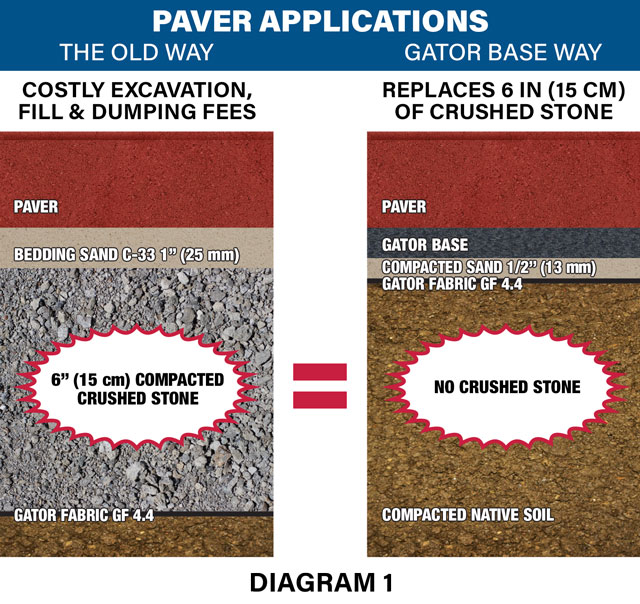
Credit: alliancegator.com
Frequently Asked Questions
What Is A Paver Base Panel?
Paver base panels are lightweight, interlocking grids. They support paving stones. Easy to install.
How Does Gravel Support A Patio Base?
Gravel offers excellent drainage and stability. It supports the patio’s weight well. Ideal for various environments.
Which Is More Cost-effective: Paver Base Panel Or Gravel?
Gravel is usually cheaper. But paver base panels save on labor costs. Consider both materials and installation.
Can Paver Base Panels Prevent Weed Growth?
Yes, they can help reduce weed growth. They create a barrier. Keeps weeds from sprouting.
Is Drainage Better With Gravel Or Paver Base Panels?
Gravel provides superior drainage. It allows water to pass through easily. Prevents flooding on your patio.
Conclusion
Choosing the right patio base is crucial. Paver base panels offer easy installation. They provide stability and reduce digging needs. Gravel is budget-friendly and allows water drainage. It can shift over time, requiring maintenance. Each option has its pros and cons.
Consider climate, budget, and effort level. Both can create beautiful patios. Think about your priorities and project needs. This will guide you to the best choice. Plan well and enjoy your outdoor space. Whether panels or gravel, your patio will shine.
Your decision shapes the look and feel of your patio.